The Ultimate Guide to Candlestick Patterns

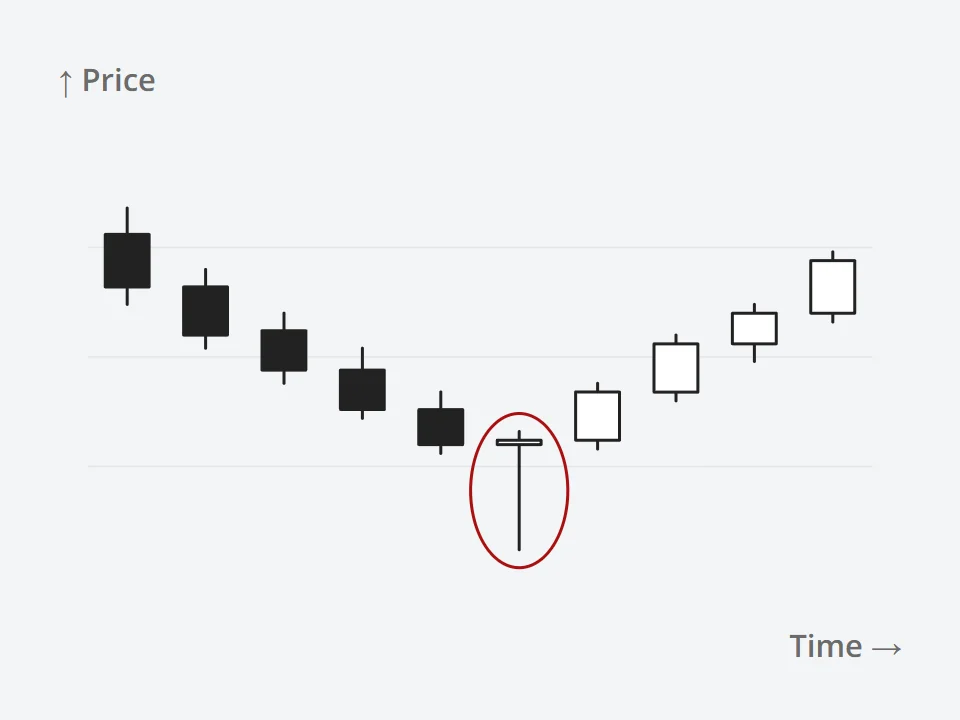
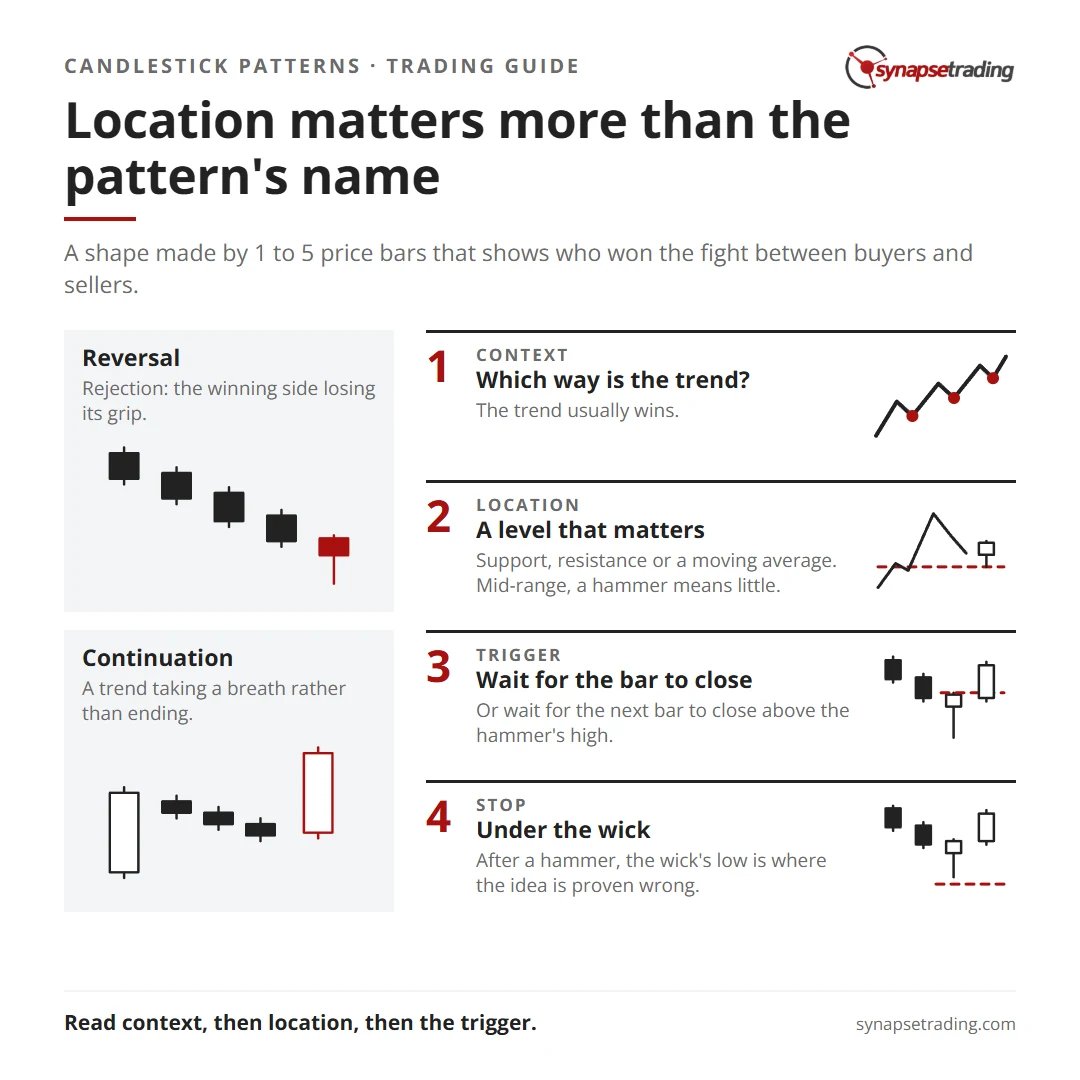
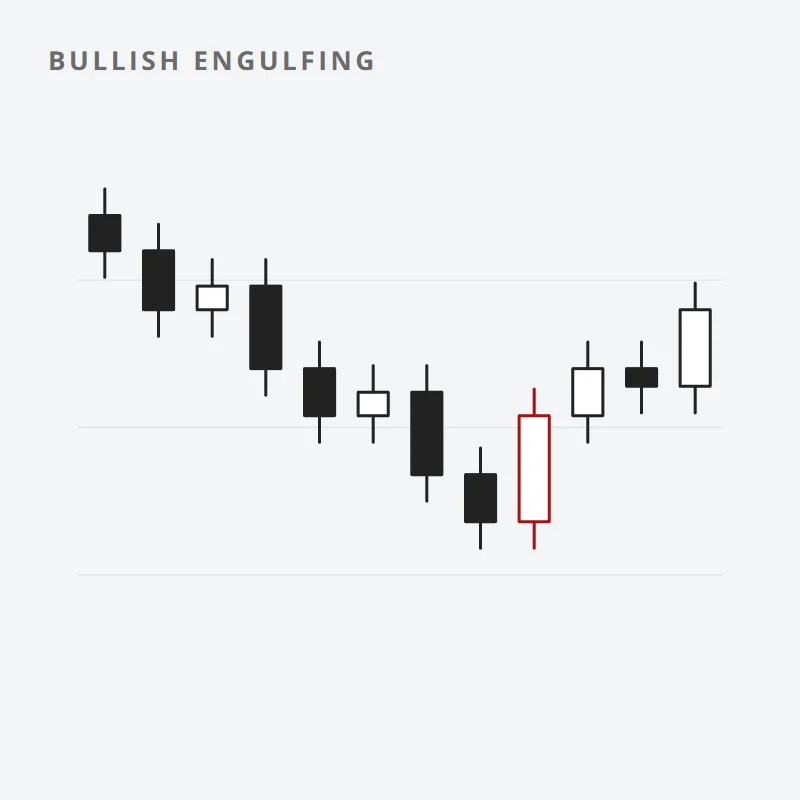
Candlestick patterns consist of small clusters of 1 to 5 candlestick bars, which offer predictive value on the direction of the short term price action.

In this guide, I will cover all the major reversal and continuation candlestick patterns, and what are the best strategies to use them to pinpoint your entries and exits in trading.

Candlestick Patterns Guide
How To Read Price Bars Candlestick Charts

Introduction to Candlestick Patterns (For Beginners)

Before delving into the various candlestick patterns, let us first familiarise with what candlestick bars and patterns are, and the different types of candlestick patterns.

Square Shape TFW

Join our Beginner Workshop!

New to Trading? Make your first live trade today in this workshop!

Meet Spencer live for 2.5 hours of hands-on training! No prior experience required!

Learn all the basics of trading, and step-by-step guidance to make your first trade!

Trading Signals USDSGD 070722

Join our Telegram Channel for Bite-Size Market Updates!

Want to stay updated in the market? 

Join our free Telegram channel for a daily news summary (5 major news of the day), and a weekly market wrap which highlights all the important market moves and trading opportunities.

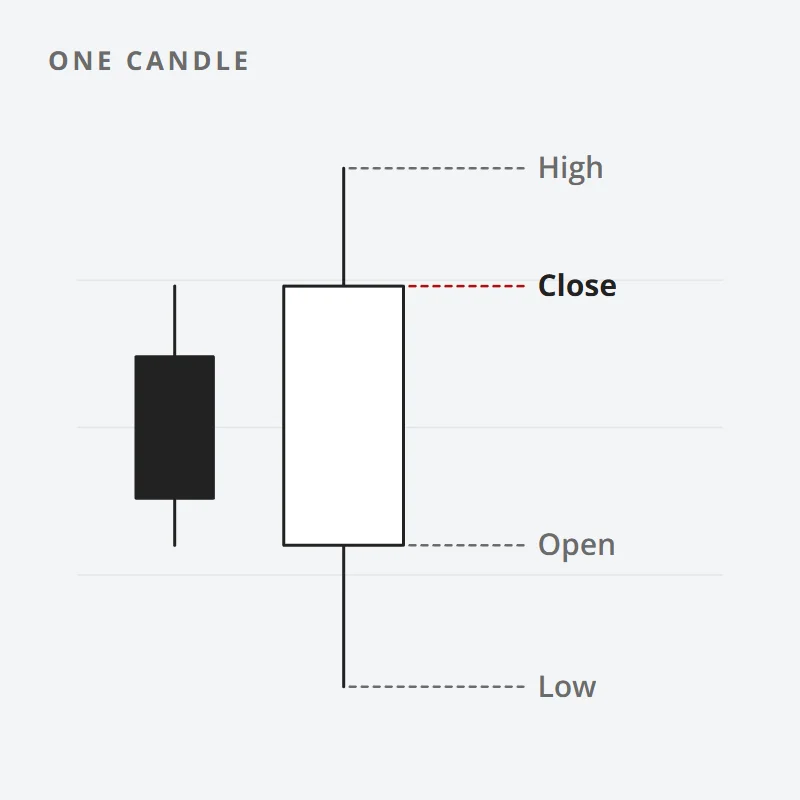
Reading Candlestick Bars

Tips from the Trading Desk

After learning all the different candlestick patterns, the next step is to incorporate this into your trading, to increase the precision of your market timing and to better pinpoint your entry and exit levels. 

Conclusion

I hope you have enjoyed this guide on candlestick patterns and how to trade them.

Now I’ll like to hear from you: what is your key take-away from this trading guide?

Which part of candlestick patterns are you struggling with the most?

Which is your favourite candlestick pattern that you use the most in your trading?

Are there any other candlestick patterns that we have missed out?

Let me know by leaving a quick comment below right now.

2018 09 17 15.11.29
55 replies
  1. D0686fba2ea4da7c8aef414e1e8963d6
    Chen Wei says:

    My key takeaway from this trading guide is the importance of understanding reversal and continuation candlestick patterns. It has greatly improved my ability to identify potential changes in the market trend and make better trading decisions. I also appreciate the tips provided on combining candlestick patterns with other technical indicators for more precise market timing.

    Reply
    • Db60ed9299b96bca86ad043e53786a33
      Haruki_Sato says:

      The detailed list of various candlestick patterns has been an eye-opener for me. As a beginner, understanding and recognizing these patterns has helped me make more informed decisions in my trading. Moreover, I found the section on common mistakes and the wrong way to trade candlestick patterns quite insightful. It made me more aware of the pitfalls to avoid while using these patterns in my trading strategy.

      Reply
    • 526b9cb9881429a787bef355bb941009
      Priya Gupta says:

      The guide has emphasized the importance of practice and patience in mastering the art of reading candlestick patterns. The list of reversal and continuation patterns provided a great foundation for understanding the market’s behavior. The tips from the trading desk section were particularly helpful in fine-tuning my approach to combining these patterns with other technical indicators.

      Reply
    • E01e7802735a1bd023c8787c39a1592e
      Hyeon Jun Lee says:

      I believe the key takeaway from this trading guide is that candlestick patterns can provide valuable insights into market sentiment and potential trend changes. As a beginner trader, this knowledge has been crucial in building my confidence and understanding of the market. Additionally, the guide’s emphasis on combining candlestick patterns with other technical indicators has given me a more comprehensive view of the market.

      Reply
    • 0fc63be9fb117412186b25654e93014a
      Ngoc Thi says:

      My key takeaway is the importance of understanding the limitations of candlestick patterns. Although they can provide valuable information, they should not be solely relied upon for making trading decisions. It’s essential to combine them with other technical indicators and market analysis techniques to get a clearer picture of the market’s direction.

      Reply
    • D7ff0b0780f99b4404204bb0007974ce
      Mr Yamamoto says:

      This trading guide has made me realize the vast array of candlestick patterns that exist, and how each pattern can provide unique insights into market trends. The guide has helped me understand the difference between reversal and continuation patterns, allowing me to better gauge potential market movements. I also found the tips on blending candles and avoiding common mistakes to be incredibly valuable in refining my trading strategy.

      Reply
    • D72deb41ac1facb875af917799955b9a
      Wong Mei Ling says:

      The trading guide has taught me the importance of understanding and recognizing various candlestick patterns to make better-informed trading decisions. The detailed list of patterns and their respective explanations has been invaluable in building my knowledge base. The guide’s emphasis on practice and patience, as well as the importance of combining candlestick patterns with other technical indicators, has greatly improved my trading strategy.

      Reply
    • E8375e5658de14fda06e5f3ce8b226d0
      Ravi Patel says:

      My key takeaway from this trading guide is the importance of learning and understanding different candlestick patterns. These patterns provide valuable information about the market’s sentiment and potential trend changes. By incorporating these patterns into my trading strategy and combining them with other technical indicators, I have been able to make better-informed decisions and improve my overall trading performance.

      Reply
    • 8d47aa7b52c053344b287afb232c4a25
      Anh Thu Tran says:

      The guide provided a comprehensive list of candlestick patterns, which has helped me as a beginner trader in understanding market trends and making better decisions.

      Reply
    • 56f41578ba88e0ab699b1cb9c04c5c72
      Kazuki Takahashi says:

      The trading guide has been a great resource for me in understanding the psychology behind the candlestick patterns. The explanations provided have given me a better understanding of market sentiment and how these patterns can be used to anticipate potential trend reversals or continuations. Additionally, the tips for combining these patterns with other technical indicators have further enhanced my trading strategy.

      Reply
    • B7a9e4fcc5ef959b29b72feb8a9f27c8
      Ali Noor says:

      The detailed explanations of various candlestick patterns have been incredibly helpful in understanding market trends and making better trading decisions. As a beginner trader, I found the guide to be an excellent resource for learning about different patterns and how to recognize them in the market. The tips on combining these patterns with other technical indicators have also been invaluable in refining my trading strategy.

      Reply
    • 3995d135eb2690a15bdee6d695ef2060
      Bao Ling says:

      The key takeaway for me from this trading guide is the need to practice and develop patience in mastering the art of reading candlestick patterns. The guide provided a comprehensive list of patterns, which has been beneficial in understanding market trends and making informed trading decisions. The tips on combining these patterns with other technical indicators have further enhanced my overall trading performance.

      Reply
    • Ecc36e596b829486bb0a3765dd688baa
      Keiko Matsui says:

      The trading guide has helped me understand the significance of candlestick patterns in predicting market trends and changes in sentiment. The detailed explanations of reversal and continuation patterns have been particularly helpful in making more informed trading decisions. Additionally, the tips for blending candles and using other technical indicators have been instrumental in refining my trading approach.

      Reply
    • 108821b78909a6d4ca23b7973d331f23
      Indra Jaya says:

      My key takeaway from this trading guide is the importance of understanding the limitations of candlestick patterns and not solely relying on them for trading decisions. The guide emphasizes the need to combine these patterns with other technical indicators and market analysis techniques to get a clearer and more accurate picture of the market’s direction.

      Reply
    • 7aa5eabeba897902b0240192997b1a87
      Chandra Prakash says:

      The trading guide has provided me with a solid foundation for understanding and recognizing various candlestick patterns. As a beginner trader, this knowledge has been crucial in building my confidence and understanding of market trends. The tips on avoiding common mistakes and combining these patterns with other technical indicators have also been incredibly helpful in enhancing my trading strategy.

      Reply
    • Ef688efbe0e709104439ec4f42d4924f
      Dewi Sartika says:

      My key takeaway from this trading guide is the emphasis on practice and patience when it comes to mastering the art of reading candlestick patterns. The guide provided a comprehensive list of patterns, which has been valuable in understanding market trends and making better trading decisions. The tips on combining these patterns with other technical indicators have further improved my overall trading performance.

      Reply
    • 5d84e383f940b986acf9ad7c6eb82c0f
      Phong Nguyen says:

      The trading guide has given me a deep understanding of various candlestick patterns and their significance in predicting market trends. The detailed list of reversal and continuation patterns has been particularly helpful in making more informed trading decisions. Additionally, the tips for blending candles and using other technical indicators have been instrumental in refining my trading approach.

      Reply
  2. B671765e0e5e5f0ebfdadffca622f2ed
    Siti says:

    My key takeaway from this trading guide is the importance of knowing when to use reversal and continuation candlestick patterns. It has helped me gain a better understanding of market trends and how to make informed decisions accordingly. The guide also provided useful tips on avoiding common mistakes and incorporating these patterns into a more comprehensive trading strategy.

    Reply
  3. Fa8de2f01826753fb2e83e1e1b00ff30
    Krystal Ling says:

    The key takeaway for me from this trading guide is the importance of understanding and recognizing various candlestick patterns to make better-informed trading decisions. The detailed list of patterns and their respective explanations has been invaluable in building my knowledge base. The guide’s emphasis on practice and patience, as well as the importance of combining candlestick patterns with other technical indicators, has greatly improved my trading strategy.

    Reply
  4. E75b32ab6f1cf293955e7e55e5816180
    Xiang Li says:

    Which part of candlestick patterns are you struggling with the most? For me, the most challenging aspect of candlestick patterns is identifying and differentiating between the various reversal patterns. Some of them look quite similar, and it can be tricky to recognize them in real-time while analyzing the charts. How do you guys deal with this challenge?

    Reply
    • 8d7d46e9cc4dc07bf6ddaaefd2acb992
      Park Ji Woo says:

      I agree, the reversal patterns can be quite tricky, especially when they appear in fast-moving markets. What I’ve found helpful is to practice identifying them through historical charts and then use additional technical indicators to confirm the reversal. It takes time and practice, but it’s worth it in the end.

      Reply
    • 301535fa1ecacaa0096e36d353cf8459
      Jenny Wong says:

      I also faced difficulties with reversal patterns, but I found that focusing on a few key patterns and mastering them has helped me a lot. Instead of trying to memorize and recognize all the patterns, I’ve chosen a few that I find the most reliable and have spent time practicing and perfecting my understanding of those.

      Reply
    • 7c229bf4649eb162a943275949588bc8
      Haruto Kanako says:

      For me, the most challenging part is incorporating candlestick patterns into my overall trading strategy. I understand the patterns and can identify them, but knowing when to use them as part of my decision-making process has been a struggle. Anyone else facing the same issue?

      Reply
    • 99dc218698e9a5388a870c7a181bef90
      Wei Jie says:

      I can relate to that. What has helped me is to backtest my strategy using historical data and see how the incorporation of candlestick patterns affected my trading performance. This way, I can fine-tune my strategy and build more confidence in using candlestick patterns in my decision-making process.

      Reply
    • A135b832113bc7846858db00a0e26a5c
      Zhang YiXuan says:

      I understand your concern. What I usually do is to combine candlestick patterns with other technical indicators, such as moving averages or trendlines, to help confirm the continuation or reversal of the trend. It’s essential not to rely solely on candlestick patterns but use them in conjunction with other tools.

      Reply
    • 77e41acbe32b02154d39e5bed1650658
      Rajesh Kumar says:

      I find it hard to maintain discipline and patience when using candlestick patterns. Sometimes, I act too early or too late, leading to losses. How can I improve my discipline and patience when trading with candlestick patterns?

      Reply
    • C1036c7be92aac238cbd23445afa56de
      Tan Yu Xuan says:

      I faced the same problem before. What has helped me is to develop a solid trading plan and stick to it. Having a plan with clear rules on when to enter and exit a trade helps me stay disciplined and patient, even when the market is volatile.

      Reply
    • 7bb8efab6b792f3407c5975b2be218ac
      Lee Shu Yi says:

      The hardest part for me is blending candles. I understand the concept, but it’s still difficult to apply in practice, especially when the market is moving quickly. Does anyone have any tips or tricks on how to get better at blending candles?

      Reply
    • 80f4a63a8322892d0fd328740627fb70
      Aarav Shah says:

      I think practice is the key when it comes to blending candles. The more you practice, the better you’ll become at identifying blended candles in real-time. Additionally, you can try using charting software that allows you to switch between different timeframes, making it easier to spot blended candles.

      Reply
    • 45dd15e9bb3b77ce0ffb74deabad3ded
      Nguyen Minh Anh says:

      For me, the most challenging aspect is determining the significance of a candlestick pattern in the overall market context. Sometimes, a pattern may appear in isolation, and it’s hard to know whether it’s a meaningful signal or just noise. Any tips on how to deal with this?

      Reply
    • C53237c8b4189d9d8de7d2482f73cdbe
      Wu Tze Kai says:

      One thing that has helped me is to always look for confluence. Instead of relying on a single candlestick pattern, I try to find additional evidence that supports the pattern’s interpretation. This can include other technical indicators, support and resistance levels, or even fundamental factors that align with the pattern’s message.

      Reply
    • D0bb6f7bdc0412641b91ecd7f28df211
      Rika Sasaki says:

      My issue with candlestick patterns is maintaining focus and concentration during my trading sessions. With so many patterns to keep track of, I sometimes find myself overwhelmed and unable to make quick decisions. How do you all stay focused while trading with candlestick patterns?

      Reply
    • 506bc1b3546a6d8468ba94498f02be29
      Daniel Guo says:

      I see the problem. One approach that has worked for me is to limit the number of patterns I actively watch for during a trading session. By focusing on just a few high-probability patterns, I can concentrate better and avoid feeling overwhelmed.

      Reply
    • 82e475ad5e74330e53e01d42083a8626
      Devi Saraswati says:

      My situation that I am facing is with the timeframe. I often find that the patterns I identify on one timeframe don’t hold true on another. How do you guys decide which timeframe to use when analyzing candlestick patterns?

      Reply
    • Dcc1b94bce53e08a551abdc344c70b82
      Satoshi Nakamoto says:

      Choosing the right timeframe really depends on your trading style and objectives. If you’re a short-term trader or day trader, you might want to focus on shorter timeframes like the 1-minute or 5-minute charts. On the other hand, if you’re a swing trader or position trader, you might find the daily or weekly charts more useful. Ultimately, it’s about finding the timeframe that suits your trading style and allows you to spot high-probability patterns.

      Reply
    • 4f4f165360095229137b60e5dcdd0ee6
      Jing Xun says:

      My biggest challenge is dealing with false signals from candlestick patterns. Sometimes, a pattern appears to be forming, but the market doesn’t follow through as expected.

      Reply
  5. 418fdc4bcf5ff0325e7f2b11377dc61e
    Kim Lee says:

    I’m curious to know which candlestick pattern you find the most useful in your trading. Personally, my favorite is the Bullish Engulfing pattern. It’s easy to spot and has been quite reliable in my experience. What about you all?

    Reply
    • 48b48bac39a44f4417cc856243083ba0
      Li Wei says:

      My go-to pattern is the Hammer pattern. I’ve found that it often signals a reversal in a downtrend, which has helped me spot some great buying opportunities.

      Reply
    • 04fdef1bcd99efba8dfff15e94e6d411
      Rina says:

      For me, it’s the Morning Star pattern. I find it to be a strong indication of a bullish reversal after a downtrend, and it has provided me with some profitable trading opportunities.

      Reply
    • F3425fed3149f6395cb66c176e8b1432
      Bao Yang says:

      I like the Three White Soldiers pattern. It’s a clear sign of a strong bullish trend, and I’ve found it to be quite consistent in predicting further upward movement.

      Reply
    • D51bc133bc4a2b34c7124156ba289bd3
      Mr Gupta says:

      I’m a big fan of the Shooting Star pattern. It’s been quite reliable in signaling a potential reversal in an uptrend, which has helped me to time my short positions effectively.

      Reply
    • 573a47575cb0cf2b937fd179cc7ff50b
      Su Yeon says:

      The Piercing Pattern has been my favorite. It often appears at the end of a downtrend and signals the start of a bullish reversal. I’ve had some great success trading with this pattern.

      Reply
    • 95d7d5bdf620e223672d635cec90404d
      Chiharu Yamamoto says:

      I love the Bullish Harami pattern. It’s easy to identify and has been a reliable signal for a potential bullish reversal in my experience.

      Reply
    • 66687356a7f360a27d35a32d3de02e97
      Terence says:

      My favorite pattern is the Falling Three Methods. I find it to be a reliable continuation pattern in a downtrend, helping me to stay confident in my short positions.

      Reply
    • 5d46250abae0a831ecf5179af7f9b503
      Xiao Mei says:

      I’ve had success with the Bearish Engulfing pattern. It’s a clear indication of a potential bearish reversal, and it has helped me time my short positions well.

      Reply
    • F4f20354267b02ba54b69f515a8c9e41
      Vithaya Srivastava says:

      The Evening Star pattern has been my go-to for spotting potential bearish reversals in an uptrend. It’s easy to spot, and I’ve found it to be quite reliable.

      Reply
    • D27c3a57cf630cc14a54bb9683c3d7c8
      Park Hyun Jung says:

      For me, it’s the Bullish Harami Cross pattern. It’s not as common as some other patterns, but when it appears, it has been a strong signal for a potential bullish reversal.

      Reply
    • F18b75f99c8666f3e0ae2706c9668aae
      Nguyen Minh Tuan says:

      I really like the Tweezer Bottom pattern. It has helped me spot some excellent buying opportunities at the end of a downtrend.

      Reply
    • 70dfb0fe23b92d517e0303378c99815a
      Lin Feng says:

      My favorite pattern is the Bullish Belt Hold. It’s not as well-known as some other patterns, but I’ve found it to be a strong indication of a bullish reversal after a downtrend.

      Reply
    • 29582b9054776ea136c142b8fa166288
      Ayumu Takahashi says:

      I prefer the Gravestone Doji pattern. It’s a rare pattern, but when it appears, it has been a reliable signal for a potential bearish reversal in an uptrend.

      Reply
    • 8354cf4a81b361867636163b3820ba82
      Yuna Chen says:

      My favorite is the Bearish Harami Cross pattern. It’s not as common, but it has been a strong signal for a potential bearish reversal when it does appear.

      Reply
    • Faef97f106ee5b87575e5ecff05a5a88
      Phuong Linh says:

      I like the Rising Window pattern. It’s a clear sign of a strong bullish trend, and I’ve found it to be quite consistent in predicting further upward movement.

      Reply
    • 3323bcbf9510b560d848f38a331c431b
      Nobuyuki Sato says:

      My favorite pattern is the Dragonfly Doji. It has served as a reliable indicator of a bullish reversal at the end of a downtrend, helping me spot potential buying opportunities.

      Reply
    • E2d6e24913663b7e6e7467643d29bf16
      Jenly Wu says:

      I’ve had success with the Dark Cloud Cover pattern. It’s a bearish reversal signal that has helped me identify when to exit long positions or initiate short positions in an uptrend.

      Reply
    • 3418561d15c7f95e4a84aa87c11e0f79
      Reyansh Patel says:

      I prefer the Bullish Tri-Star Doji pattern. Although it’s quite rare, I find that when it appears, it’s a strong indication of a bullish reversal after a downtrend, and has provided me with some profitable trades.

      Reply

Leave a Reply

Want to join the discussion?
Feel free to contribute!

Leave a Reply

Your email address will not be published. Required fields are marked *