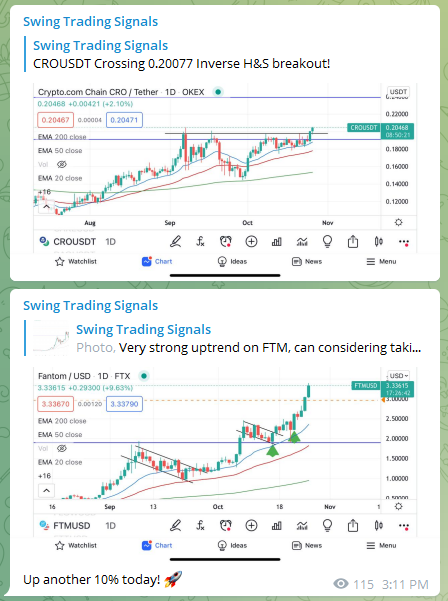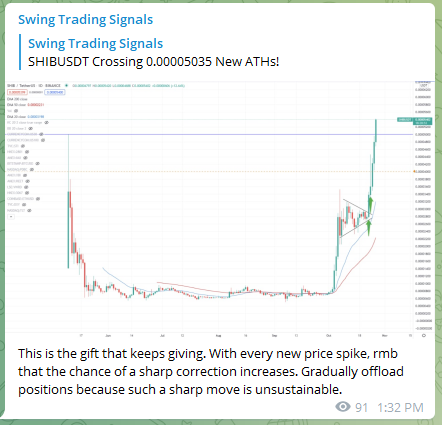
• Link to Facebook
  • Link to X
  • Link to Instagram
  • Link to Youtube
  • Link to LinkedIn
  • Link to Mail
Synapse Trading
  • Home
  • About
    • My Background
    • My Trading Journey
    • My Travel Log
    • Media & Interviews
  • Mentoring
    • Trading Mastery Program
    • Results & Testimonials
  • Signals
    • Telegram (Free to join!)
    • Daily Trading Signals
    • Daily Trading Signals (Results)
  • Resources
    • Free Trading Guides
    • Tools & Resources
    • Blog & Infographics
  • Contact
    • Contact Us
    • Partnership Opportunities
  • Click to open the search input field Click to open the search input field Search
  • Menu Menu
Spencer Li

The 10 Biggest Life Decisions Each Person Has to Make

Living Your Best Life
The 10 Biggest Life Decisions Each Person Has to Make

Life Decisions

If you look back at your own life, or look through the biographies of famous people, you will notice that quite often the trajectory of life boils down to a handful of major decision points.

In fact, the average person has to make roughly 10 good decisions in their life.

And these major decisions will ultimately determine your happiness, wealth, and overall life satisfaction.

infographic The 10 Biggest Life Decisions Each Person Has to Make

1. Education

Before turning of age, most major decisions are made on behalf of you by your parents or care-givers.

Most likely, the first major decision you make will be related to your education.

Depending on how much freedom you get, you will have to decide on your primary school, your secondary school, your tertiary education and beyond.

The choice of your schools will determine the people you hang out with, and these people could likely end up as your lifelong closest friends.

For tertiary education, should you choose to do it, the major choice is where to study and what to study.

Your topic of study or specialisation would likely determine where you start off your career.

2. Industry

The next big decision you will need to make is what industry or market you want to start your career in.

For example, the past 10+ years have been very lucrative for those who went into the technology sector.

Of course, anyone can do well in any industry they choose to, but you will have an extra tailwind propelling you forward if the industry you pick is also trending upwards.

Ideally, you should also pick something that you are passionate about, and since jobs are getting more and more specialised, it will not be hard to find a niche that aligns with your passion within your chosen industry.

3. Niche

Next, as previously, mentioned, you need to find your niche within the industry.

This means deciding your responsibilities, day-to-days tasks, the company you work for, etc.

All these will determine the role you play within your niche.

Try to find roles that are multi-disciplinary, so that your skillsets do not become too narrow.

4. Marriage

The previous 3 decisions mainly focused on your career trajectory, while the next 2 have to do with your relationships.

The fourth big life decision is choosing your life partner. You will need to decide who to marry.

You will need to know yourself very well by this time, so that you can find someone who is compatible.

This is someone who you will be spending the most time with, so it will affect all other areas of your life.

Pick correctly and you’ll always be happy. Pick incorrectly and you’re destined for a life of misery.

5. Children

The next big relationship decision is whether to have children.

You will need to decide how many kids, when to have them, how to look after them, what parenting style to adopt, etc

This could affect your relationship with your life partner, and your life will tend to revolve around the kids, especially at the start.

Children are dependent on you. They’ll dictate how you spend your time, energy, money, resources, which could also affect your location, career, and your focus in life.

Do it right and it is incredibly rewarding. Know what you’re optimizing for.

6. Location

The next big life decision is where you are going to live.

With globalization connecting everyone around the world, it is not a stretch to say that you can choose to work and life in any country, state, city or town.

There are many factors to consider of course, such as your job, your parents, your community, your friends, your kids, etc.

The place you choose is the lifestyle you choose.

Realistically, many people who do have kids usually place more emphasis on finding a good and safe place to raise their kids.

7. Investments

The seventh big decision is how and where you invest your money.

If you do it correctly, you will achieve financial security which gives a peace of mind, after covering all the basic needs like shelter, food, transport, education, medical care, etc.

This gives you the freedom of time to pursue the activities you enjoy instead of having to slave at a job you may not like just to make a living.

Many great investors make the bulk of their money from a handful of 10-bagger investments.

Look for those great opportunities (you only need a handful in a lifetime!), diversify your investments, start early to allow more compounding, and don’t be greedy.

8. Contribution

After meeting all your basic needs and achieving financial abundance, the next focus is how you can contribute and give back to help others.

With your free time and resources, the possibilities are endless.

Volunteer with orphans? Rally for climate change? Build a foundation?

According to psychology, dedicating yourself to a cause or purpose larger than yourself to help others, ends up bringing you happiness.

Kindness is free. Choose to be a net giver & you’ll eternally be happy. Big life hack here.

9. Legacy

Next, you want to think about your legacy, basically what you will leave behind once you are gone.

For many people, their main legacy is their children.

This means raising kids who are physically and emotionally healthy, self-sufficient, equipped with knowledge and wisdom, and most importantly imbued with good ethics, morals, and values.

Besides children, we may also want to leave behind a useful invention/discovery, books or art works, foundation for philanthropy, basically anything which leaves a mark and contributes to the progression of humanity after we are gone.

10. Living to the Fullest

If you have made good life decisions so far, you would already be much happier and better off than 90% of people.

With an excess of resources, and support, you can proceed to curate the life experiences you want.

However, since time is not infinite, you will still have to deal with trade-offs. You will need to decide what experiences and activities will give you the most joy and satisfaction.

My motto in life is to try as many new things as possible, so that I can minimize any regrets of missing out on anything.

And after trying things out once, you can then decide whether you want to commit more time to it.

 “Never be afraid to try something new because life gets boring when you stay within the limits of what you already know.”


thumbnail an unofficial guide to living our best life beyond financial freedom

If you are excited to get more life hacks, also check out: “Beyond Financial Freedom: An Unofficial Guide to Living Your Best Life”

2 Comments/by Spencer Li
https://synapsetrading.com/wp-content/uploads/2021/10/The-10-Biggest-Life-Decisions-Each-Person-Has-to-Make.png 720 1280 Spencer Li https://synapsetrading.com/wp-content/uploads/2019/10/logo.jpg Spencer Li2021-10-02 22:00:352022-12-19 02:09:34The 10 Biggest Life Decisions Each Person Has to Make
Spencer Li

The 3 Ms of Trading: Method, Money, Mindset

Beginner's Guide
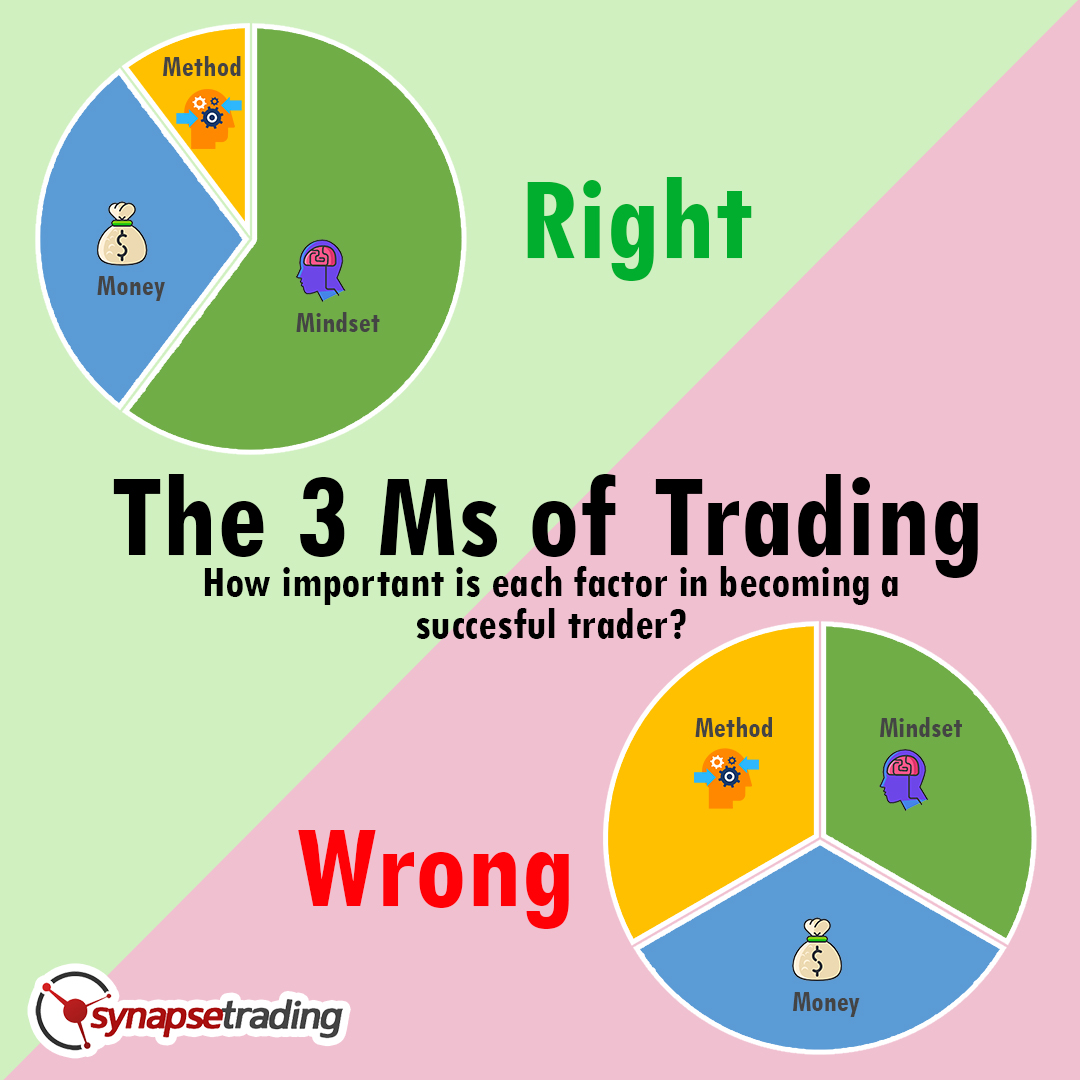
the 3Ms of trading

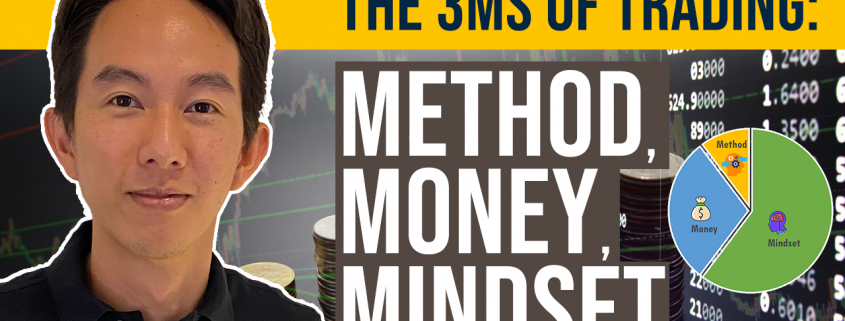
The 3Ms of Trading are Methodology, Money Management, and Mindset, and they each play a crucial role in your success in trading.

As a trader, you will need to master all 3 Ms, but you also need to know the relative importance of each factor.

In this post, I will explain how each factor affects your trading success, and which factors you should be focusing on to improve your trading.

3Ms of Trading


What to Focus on in Trading?

Having studied many professional traders, I found that there are 3 crucial factors that have led to their success.

All these market wizards have found success because they have understood and mastered the 3Ms of trading – Method, Money and Mindset.

Method (methodology): Process by which a trader enters into the market, using either technical or fundamental inputs to make their decision

Money (risk management): This includes capital allocation, risk parameters (drawdown limits), risk-to-reward calculations (entry price, profit target, stoploss)

Mindset (psychology): Market psychology the most important part of trading, and determines how well you can execute your trading plan in the markets in real time

To many new traders who know of these 3Ms, they tend to make the mistake of giving equal weightage to all 3 parts (refer to above), or even worse, almost 100% weightage to the “Method”.

The psychology (mindset) is the hardest part of trading because emotions like greed and fear run wild once your money is at stake in the market.

Hence, your degree of rational analysis is only limited to how well you can manage your psychology.

Without the execution, the plan is useless. The money and risk management is also essential because it ensures your survival and consistency in the markets.

After all, the number one rule is capital preservation.

“Don’t focus on making money; focus on protecting what you have.” – Paul Tudor Jones


Methodology (10% Focus)

Methodology refers to your method of analysis, your strategy, your setups, basically the basis on which you make your buying and selling decisions.

As we will be covering in greater detail in other blog posts, I will not be elaborating too much on this here.

For now, all you need to know is that the most common tools used to make such decisions are technical analysis, fundamental analysis, or some combination of both.

Money Management (30% Focus)

Money management, or risk management, refers to how well you use your trading capital, to maximize your returns, while at the same time minimizing your risk.

This includes your capital allocation per trade, such as the 2% money management rule, and also things like risk paramaters for each trade, such as maximum drawdown limits.

This means that for each trade, you will need to decide on the entry price (EP), stoploss price (SL), and target profit (TP) before you make each trade, so that you will be able to calculate the reward-to-risk (RR) ratio to decide whether it is worth taking the trade.

reward to risk ratio

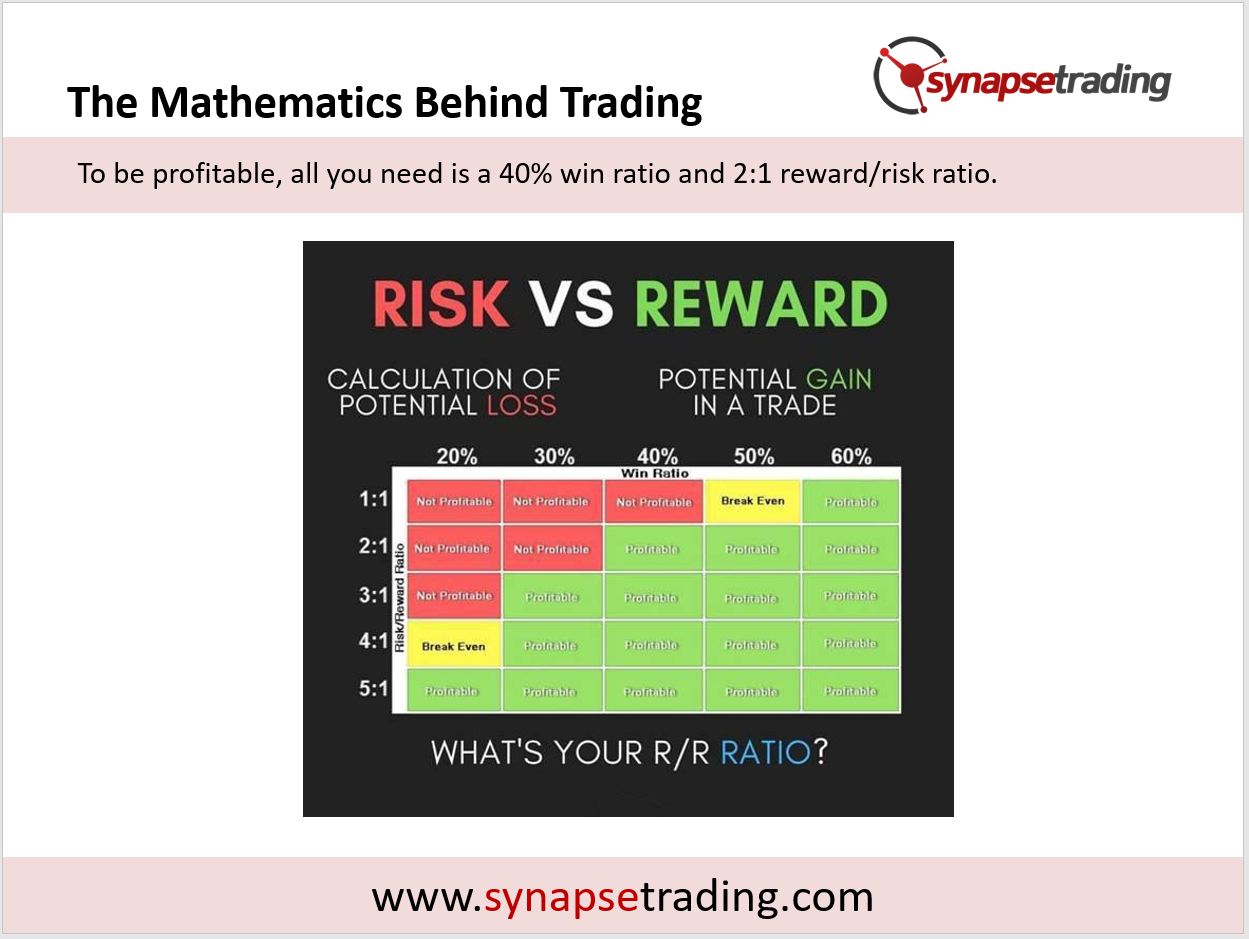
To be profitable in trading, all you need is a good balance between the win ratio (aka. hitrate) and the reward to risk ratio, to ensure that you have a net positive expectation on every trade.

For example, if you have a 40% win ratio, and your reward/risk ratio is 2, you will still end up net profitable in the long run.


mathematics behind trading

Mindset (60% Focus)

The mindset, or trading psychology, is definitely the most important aspect of trading, and it is also the hardest to master.

This will determine how well you can make good decisions under stress, and consistently execute your trading plan without getting swayed by emotions.

Thinking accurately requires a certain level of self-awareness, so that we can avoid any behavioral biases that skew our rational thinking and decision-making process.


Summary

In conclusion, to be successful in trading, you need to master all the 3Ms, but the problem for most traders is they only tend to focus on 1 or 2 factors, and neglect the rest.

As a result, they might become very good at analysing charts (methodology), but remain poor at money management and trading psychology.

To improve your trading, the faster way to do so is to work on whatever you are weakest at, because that has the most room for improvement.

Now that I have shared the 3 important elements of trading, which do you think you are lacking the most, and will have the biggest impact on your trading if you work on improving it?

Let me know in the comments below.


thumbnail beginner guide to trading and TA

If you would like to learn how to get started in trading, also check out: “The Beginner’s Guide to Trading & Technical Analysis”

1 Comment/by Spencer Li
https://synapsetrading.com/wp-content/uploads/2021/09/the-3Ms-of-trading.png 720 1280 Spencer Li https://synapsetrading.com/wp-content/uploads/2019/10/logo.jpg Spencer Li2021-09-27 17:22:272023-05-09 05:30:19The 3 Ms of Trading: Method, Money, Mindset
Spencer Li

Another Batch of SkillsFuture Credit-Eligible Course Graduates (Over 300+ Pax so Far!)

News & Events

Last weekend, we conducted another online workshop on the basics of trading and investing, and since it is a SkillsFuture Credit-Eligible Course, participants could use their SkillsFuture credits to pay for the course instead of cash.

Thanks for the support! ?

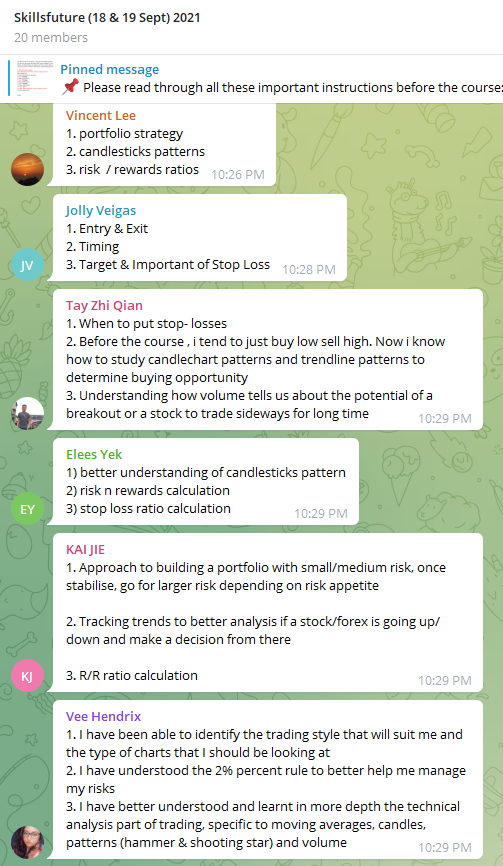
During the 9 hours of training, participants learnt portfolio strategies to build and protect their wealth, as well as trading skills like market-timing, chart-reading and risk management to improve their trading results.

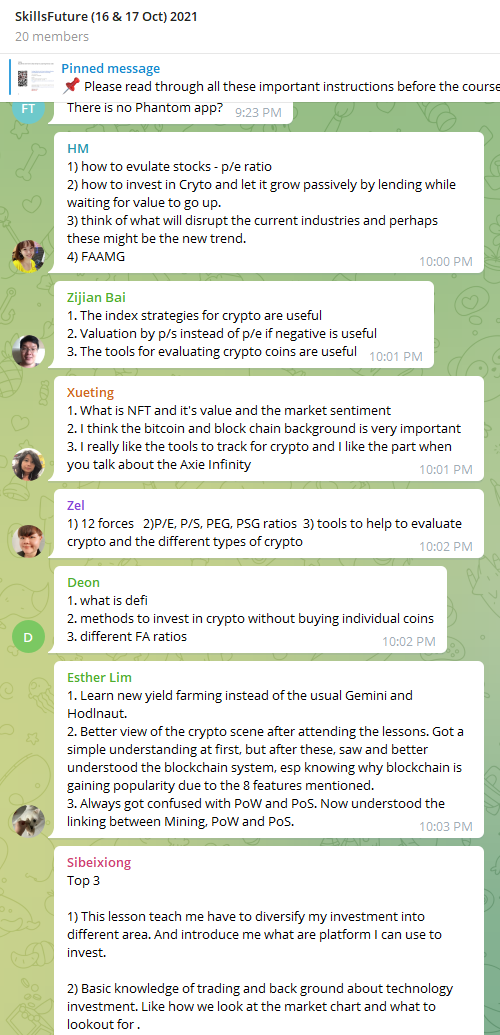
Here is some of the feedback and learning points from participants, after our hands-on market analysis session to find trading opportunities in the market.

If you are keen to learn more using your SkillsFuture credits, you can check out our courses:

  • Beginner’s Course on Trading & Investing
  • Beginner’s Course on Tech Stocks & Crypto

P.S. To ensure optimal learning, we have capped the maximum class size.

Register early to avoid disappointment!


skillsfuture course feedback 210921 1

skillsfuture course feedback 210921 2

0 Comments/by Spencer Li
https://synapsetrading.com/wp-content/uploads/2019/10/logo.jpg 0 0 Spencer Li https://synapsetrading.com/wp-content/uploads/2019/10/logo.jpg Spencer Li2021-09-21 18:43:282021-09-28 23:19:42Another Batch of SkillsFuture Credit-Eligible Course Graduates (Over 300+ Pax so Far!)
Spencer Li

Primary Function of the Top 10 Cryptocurrency Coins

Blockchain & Crypto
crypto home study

What Is the Function of Each Cryptocurrency? Top 10 Coins, Explained

Last updated: 3 July 2026 · By Spencer Li, CFTe


Each cryptocurrency coin exists to do one main job, and the top coins split into four buckets: a store of value (Bitcoin), smart-contract platforms that let apps be built on top of them (Ethereum, Cardano, Solana, Polkadot), stablecoins pegged to the US dollar (Tether, USD Coin), and utility or exchange coins tied to a specific business or use (Binance Coin, Ripple, Dogecoin). In short: Bitcoin is digital gold, Ethereum is a programmable platform, stablecoins are dollar substitutes that live on a blockchain, and the rest each solve a narrower problem (cross-border payments, lower fees, chains talking to each other, or simply a meme that took off). If you only remember one thing, remember that a coin’s category tells you most of what it is for.

Here is the function of each of the top 10 coins by market capitalization, one line each, then a table you can keep.

The top 10 cryptocurrency coins and what each one does

CoinTickerCategoryPrimary function
BitcoinBTCStore of valueA store of wealth, digital gold
EthereumETHSmart-contract platformDecentralized platform that lets apps be built on top of it
CardanoADASmart-contract platformSmart-contract platform with lower fees, aimed at specific use cases
TetherUSDTStablecoinPegged 1-to-1 to the US dollar
Binance CoinBNBExchange / utility coinOwned by the largest crypto exchange, Binance
RippleXRPPayments coinA banker’s coin, used to settle global payments across borders
SolanaSOLSmart-contract platformSmart-contract platform using proof of history and proof of stake instead of proof of work
PolkadotDOTInteroperability protocolMulti-chain protocol that lets different blockchains talk to each other
DogecoinDOGEMeme coinA meme coin
USD CoinUSDCStablecoinPegged 1-to-1 to the US dollar

The rankings shift over time, and coins move up and down the list, so treat this as the function reference, not a leaderboard. A coin’s job rarely changes; its price and rank do.

What is a store-of-value coin? (Bitcoin)

Bitcoin (BTC) is the original cryptocurrency, and its job is simple: hold value. People call it digital gold because the supply is capped and nobody can print more of it on a whim. You are not really buying Bitcoin to build an app on it. You are holding it as a store of wealth.

That single function is why Bitcoin tends to be the reference point for the whole market. When people ask “what is crypto doing today,” they usually mean Bitcoin first.

What is a smart-contract platform? (Ethereum, Cardano, Solana, Polkadot)

A smart contract (code that runs automatically on a blockchain when its conditions are met) is what turns a coin from “money” into “a platform.” Ethereum (ETH) is the big one here: it is a decentralized platform that lets developers build apps on top of it, and the coin is the fuel that pays for running them.

The others in this bucket each pitch a different trade-off:

  • Cardano (ADA) is a smart-contract platform with lower fees, aimed at specific use cases.
  • Solana (SOL) is a smart-contract platform that uses proof of history and proof of stake (two ways of agreeing on the ledger) instead of the older proof of work, which is part of why it markets itself on speed.
  • Polkadot (DOT) sits one level up. It is a multi-chain protocol whose job is to let different blockchains talk to each other, rather than being a single app platform on its own.

Do note that, “smart-contract platform” is a category, not a single product. These coins compete on fees, speed, and how they reach agreement, not on doing fundamentally different jobs.

What is a stablecoin? (Tether, USD Coin)

A stablecoin is a coin pegged to a stable asset so its price does not swing. Both of the stablecoins in the top 10 are pegged 1-to-1 to the US dollar:

  • Tether (USDT) is pegged 1-to-1 to the US dollar.
  • USD Coin (USDC) is also pegged 1-to-1 to the US dollar.

The function is the same for both: give you a dollar substitute that lives on a blockchain, so you can hold “cash” inside the crypto system without converting back to a bank account every time. People use them to park value between trades.

What about exchange coins, payment coins, and meme coins? (Binance Coin, Ripple, Dogecoin)

These three do not fit the buckets above, and each has its own narrow job:

  • Binance Coin (BNB) is owned by the largest crypto exchange, Binance. Its function is tied to that business and its ecosystem.
  • Ripple (XRP) is a banker’s coin. Its job is to settle global payments across borders.
  • Dogecoin (DOGE) is a meme coin. That is the honest description, and it is worth being honest about it.

The one thing the category does not tell you

Knowing a coin’s function tells you what it is for. It does not tell you whether it is worth buying, or when. A scanner can sort all ten of these into buckets in a second; it will not tell you which one fits your plan, your risk, or your timing. That judgment is yours, and it is the first of the Five Edges that no tool trades for you.

Personally, I treat the function as step one, the homework, and the actual decision (size, entry, exit) as a separate question entirely. Understanding what a coin does is not the same as having a reason to own it.

FAQ

What is the function of Bitcoin versus Ethereum?
Bitcoin (BTC) is a store of value, often called digital gold. Ethereum (ETH) is a decentralized smart-contract platform that lets apps be built on top of it. One is meant to hold value; the other is meant to run code.

What is a stablecoin, and which top coins are stablecoins?
A stablecoin is a coin pegged to a stable asset so its price stays flat. In the top 10, Tether (USDT) and USD Coin (USDC) are both stablecoins, each pegged 1-to-1 to the US dollar.

What is the difference between a coin and a smart-contract platform?
A plain coin mainly moves or stores value. A smart-contract platform (Ethereum, Cardano, Solana) also lets developers build apps that run automatically on the blockchain. Polkadot is a related case: its job is to connect different blockchains rather than host apps directly.

Is Dogecoin a serious cryptocurrency?
Dogecoin (DOGE) is a meme coin. It trades like any other coin, but its origin and main identity are as a meme rather than a specific technical use case.

Do these crypto functions change over time?
A coin’s core function rarely changes; what changes is its price and its rank by market capitalization. Use the function as a stable reference and check current rankings separately.


Want the bigger picture behind these coins? Read the pillar: The Ultimate Guide to Blockchain and Cryptocurrencies.

New to all this? Grab the free 15-Minute Swing Trading Starter Kit. It’s the exact routine I use to scan once a day and trade any market, crypto included, in 15 minutes.


About the author. Spencer Li is the founder of Synapse Trading and a Certified Financial Technician (CFTe) with 15 years of trading across stocks, forex, crypto, commodities, and bonds. His trade log is public, 404 trades, losses left in. He teaches low-risk swing trading in 15 minutes a day, one system for any market.

Education, not financial advice. Synapse Trading is not licensed by MAS to advise on investment products. Trading carries risk of loss; past performance is not indicative of future results.


Related

The Ultimate Guide to Blockchain and Cryptocurrencies (pillar) · What is Bitcoin and how does it work · How to start trading cryptocurrency

0 Comments/by Spencer Li
https://synapsetrading.com/wp-content/uploads/2018/01/crypto-home-study.jpg 483 725 Spencer Li https://synapsetrading.com/wp-content/uploads/2019/10/logo.jpg Spencer Li2021-09-20 17:54:322026-07-06 01:59:34Primary Function of the Top 10 Cryptocurrency Coins
Spencer Li

Free Apple Shares by Moomoo Trading App (Powered by FUTU)

Promotions

For many people looking to start investing in the Singapore stock market, one of the challenges faced is expensive brokerage fees from the incumbent local-based brokerages.

For decades, this problem went unresolved, until in recent years when Singapore started opening up to allow foreign-based brokerages to offer stocks on SGX.

This means potentially lower fees for new traders and investors, especially those with small accounts, since the local-based brokerages usually charge a minimum fee per transaction, which is disadvantageous for small accounts.


moomoo promotion


Latest Promotion: Free Apple Shares!

One of these new brokerages coming into Singapore is FUTU Singapore Pte. Ltd. (FUTU SG) and its parent company FUTU Holdings Limited, a NASDAQ-listed company and backed by Tencent. In Singapore, FUTU SG’s trading app Moomoo is currently running an attractive limited-period promotion.

From now to 02 October 2021, 1959hr, they are offering the following benefits:

  • 1 Free Apple (AAPL) share worth around SGD 200*
    • For the first deposit of ≥ SGD 2,700 , USD 2,000 or HKD 16,000 before the promotion ends.
    • Make 5 trades on any markey and any product (excluding futures)
    • Limited number of 15,000 AAPL shares available for redemption.
  • 180 days unlimited commission-free trading for the US, HK & SG stock market
  • Free access to market data:
    • Lvl 2 Market Data for the US stock market
    • Lvl 1 Market Data for the SG stock market
    • Lvl 1 Market Data for China A Shares market data

As an ongoing incentive, you can also redeem merchandise (figurines, neck pillows and cushions) using points earned from trading!

Click here to open a FUTU SG securities account! (use this link for extra perks!)

If you are looking to take your first step into stock trading, but have not opened a trading account, this would be a good time to do so.

And even if you are not ready to trade, there is no harm getting the free Apple shares!


moomoo app 2

What Makes them Different?

Here are their 3 main areas of customer-focus:

  • Free real-time quotes and competitive commissions
  • Centralised information & global community
  • 24 hours customer service

By offering some of the lowest fees and trading minimums in Singapore for investing in Hong Kong and U.S. securities, futures and options, this makes it easier and more affordable for new traders and investors get started.

With lower commissions, it also comparatively increases your profit on each trade, and improves your overal returns. With many trades, a small difference can ad up over time to a significant difference.


moomoo app 3

24 hours Customer Support

One of the major concerns as a trader is the customer support, because when something happens, such as a technical glitch, you need to be able to resolve the issue immediately.

To give customers a peace of mind, Moomoo (powered by FUTU) provides 24 hours customer service on trading days.

Within their Moomoo app, customers can use the in-app live chat function via “customer service”, where a human customer service representative will attend to your questions.

Additional customer service support is also available via the in-app “Help Center”, hotline, email and social media platforms:

  • “Help Center” via in-app
  • Email: clientservice@futusg.com 
  • Hotline: +65 6439 1100 (Weekdays: 9am – 6pm)
  • Social media: @moomoosingapore

Background of Moomoo

In Singapore, capital markets products and services on moomoo are offered by FUTU Singapore Pte. Ltd., which is licensed and regulated by the Monetary Authority of Singapore (MAS) (Licence No. CM101000).

FUTU and its subsidiaries have 43 licenses globally in major financial markets such as United States, Hong Kong, Singapore and others. 

FUTU SG’s comparative advantage to its peers is known for being reliable, secure and stable, low commissions and seamless investing experience whilst both licensed and regulated (by the MAS). 

Moomoo’s trading capabilities are also backed by its self-developed, proprietary trading system, and world-class strategic investors including venture capital affiliates of Tencent, Sequoia Capital and Matrix Partners.

After almost 9 years of development, FUTU’s trading platforms has garnered over 15 million users from more than 200 regions and regions around the world, with more than one million average daily active users.

With their Moomoo app, FUTU has one of the fastest growing investor communities in the region, and its share price has more than quadrupled since its opening in 2020. 

Click here to open a FUTU SG securities account! (use this link for extra perks!)


Note: This post is sponsored by Moomoo app (powered by FUTU).

Our policy & disclaimer on 3rd party products & services: https://synapsetrading.com/disclaimer/

For sponsored posts or other marketing opportunities, please contact us at https://synapsetrading.com/partnership-opportunities/

0 Comments/by Spencer Li
https://synapsetrading.com/wp-content/uploads/2019/10/logo.jpg 0 0 Spencer Li https://synapsetrading.com/wp-content/uploads/2019/10/logo.jpg Spencer Li2021-09-15 18:56:592023-03-14 02:49:29Free Apple Shares by Moomoo Trading App (Powered by FUTU)
Page 76 of 184«‹7475767778›»

Free Trading Guides

Free Trading Guides

Blog Categories

  • Beginner's Guide
  • Blockchain & Crypto
  • Book Summaries
  • Candlestick Patterns
  • Economics & News Trading
  • Investing & Portfolio Management
  • Living Your Best Life
  • Market Analysis
  • News & Events
  • Price Chart Patterns
  • Promotions
  • Risk & Money Management
  • Stock Trading
  • Testimonials
  • Tools & Resources
  • Trading Psychology
  • Trading Strategies
  • Trading Tips
  • Travel & Lifestyle

Free Trading Guides

Free Trading Guides

Contact Us

Synapse Trading Pte Ltd
Registration No. 201316168H

Whatsapp: +65-8897-1204
Telegram: @iamrecneps
Email: info@synapsetrading.com

Links

Disclaimer
Privacy policy
Terms & Conditions
Contact us
Partnerships

© 2012-2024 Synapse Trading | All rights reserved | - powered by Enfold WordPress Theme
  • Link to Facebook
  • Link to X
  • Link to Instagram
  • Link to Youtube
  • Link to LinkedIn
  • Link to Mail
Scroll to top Scroll to top Scroll to top