• Link to Facebook
  • Link to X
  • Link to Instagram
  • Link to Youtube
  • Link to LinkedIn
  • Link to Mail
Synapse Trading
  • Home
  • About
    • My Background
    • My Trading Journey
    • My Travel Log
    • Media & Interviews
  • Mentoring
    • Trading Mastery Program
    • Results & Testimonials
  • Signals
    • Telegram (Free to join!)
    • Daily Trading Signals
    • Daily Trading Signals (Results)
  • Resources
    • Free Trading Guides
    • Tools & Resources
    • Blog & Infographics
  • Contact
    • Contact Us
    • Partnership Opportunities
  • Click to open the search input field Click to open the search input field Search
  • Menu Menu
Spencer Li

6 Little-Known Things Rich People Do Differently that Give Them an Advantage

Living Your Best Life
rich people

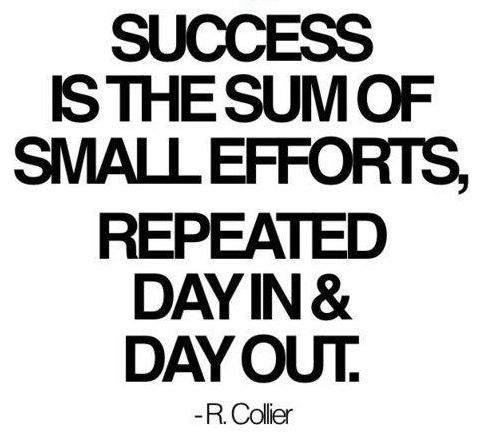
Many people do not realise that small things add up. Like how a small river can cut through rock and form grand canyons, small habits can add up over time to produce vastly different results. This means that quite often, a small change in the way we do certain things can result in huge leaps in improvement. So here are some things that rich people do differently:

1. MAKE MANY SMALL & FREQUENT WINS, NOT A FEW BIG WINS

1

Trading is boring. Ask any seasoned trader in a proprietary fund, and they will tell you the same thing. It’s all about doing the same thing over and over again, and it is surprisingly difficult to do something simple over a very long period of time.

Some of the richest people I know own very humble businesses. One example is the typical food hawker; it’s unexciting, it’s repetitive, but hey, it gives a very stable source of income, week in, week out. It is virtually impossible for good food to become irrelevant to the typical consumer, and hence this source of income is one that will last a long time.

In trading, it’s the same. Small wins add up over time, and instead of being diligent, many aspiring traders choose to take the easy way and just look for that one quick way to make money. Although the news always glorifies the one-hit wonders, like Zuckerberg and other billionaire tech founders, the majority of the rich are not overnight successes, and they know this rule best: small wins add up over time.


2. THINK IN % ROI, NOT DOLLARS OF INCOME

Compounding is the way to go. Although you might be nauseating because this is probably the 100th article on the power of compounding, it really works. Just take a moment and think with me:

Nobody would learn trading if you claim to make $10 a day. They want $100 a day, $1000 a day, but forget that it starts with $10 a day.

That’s why most people fail to achieve financial success. They measure monetary success in dollar terms, and fail to consider that ROI is what brings true riches over the long-run.

Thinking in ROI is a very huge barrier for many people, and it actually benefits you because when you finally do make a substantial sum of money, you will still be thinking in terms of ROI and not be overwhelmed by the huge amount of funds on your plate.

I’ve seen many traders do well on small accounts, only to blow up with larger accounts because they have not drilled the ROI concept deep into their minds.

If you can make 3% a month, that’s $30 for a $1000 account, $300 for a $10,000 account, and $3,000 for a $100,000 account. Go figure. If your focus is on % ROI, you will not have an issue growing your wealth quickly.


3. STAY AWAY FROM ALL FORMS OF GAMBLING

This point is probably the easiest to write about:

Gambling = negative expectation

Investing/trading = positive expectation

“I bet I can stop gambling!”

Gambling gives you hope, which is false and always gets dashed.

Investing gives you certainty, which is true and rewards the skillful.

I think that’s enough said. If you’re gambling for the thrill, treat it as expenses. As a trader I always think in probabilities, so since the expected return from gambling is negative, the rational decision is to not participate at all.

In addition, 1 in 5 gambling addicts attempt suicide. It destroys your family, your friendships, your sense of sanity, and your work ethic. I think it’s enough to let you realize it won’t get you rich; even the seemingly innocent TOTO or 4D that you buy is not a rational attempt for someone to earn big money.


4. TIME IS WORTH MORE THAN MONEY

Quite often, people will go to great lengths to save money, for example spending hours hunting around for cheap shopping deals, when all you save for your hours of effort is a mere $10-20. Rich people know the value of their time.

One important question to ask yourself is, “what is the $ value of 1 hour of your time?” If 1 hour of your time is only worth $2, then spending an hour queueing up for free ice-cream might make sense. However, if one hour of your time is worth $200, then taking a $20 cab ride to save an hour of transport will make a lot of sense. You get the idea.

At this point, you might have realised that one if the key ways to increase your net worth is to gradually work your way up by increasing the value of your time. After all, everyone has 24 hours in a day, but the more value you can create in one hour of your time, the higher you will be paid for it, and the higher the value of that hour will be.


5. DON’T WASTE MONEY ON CHEAP STUFF – ONLY BUY QUALITY GOODS

It’s sad that most people are thrifty in things that do not matter, but silly when it comes to investments of thousands or hundreds of thousands of dollars. I’ve seen people scrimp on their daily meals, yet when it comes to investments, blow $50,000 on an investment fund they do not understand, or buy into a multi-currency deposit that doesn’t even make sense.

Home purchases, which make up the bulk of most people’s expenditures, tend to be bad decisions. People buy houses that they cannot afford, spend money on renovations that don’t matter, and waste money where it doesn’t bring returns.

1Most people are smart with small sums of money, but unwise on big decisions

Rich people buy things that appreciate in value, while poor people don’t. Electronics generally don’t appreciate in value. If you consider buying electronics, buy quality electronics, and keep them in tip-top condition so that you can resell them at a decent price. And… just because it’s the latest gadget doesn’t mean it’s quality. You’ve got to do your research and think about your purchases if you are serious about your money.

Wine does appreciate in value, and so do quality branded goods. Some Louis Vuitton bags appreciate in value, and it would do you well to consult experts if you are intending to use these products.

Other things that are not worth spending on include:

  • fast food
  • low-quality makeup
  • gifts that don’t really matter
  • alcohol
  • bottled water
  • cheap shoes/clothing that you throw away within 6 months

Yes. It might hurt to read this, but if you need a total personal finance audit, then it helps to do a reality check on yourself.


6. LASTLY, RECOGNIZE THAT PERSONAL DEBT IS A SHACKLE

Personal debt chains you from spending on what really matters. In the U.S, many undergraduates end their college years with US$100,000 and above in personal debt. How in the world would they be able to start a family, much less get a home to live in?

In my opinion, the only useful loan is the humble HOME LOAN. Yes, a loan for the house you actually live in, not the house that you would not live in. It is essential to have a roof over your head that you own, because when your business fails, when you lose your job, you still have somewhere to rest and find solace while you sort things out. The worst thing you can find yourself in is having no house, no money, and no one to support you at your lowest moment. Using debt to buy additional houses is a bad idea unless you are a real estate investor by profession and you know what you are doing.

Car loans are unnecessary. Unless you have a dire need for a car, buy the car in cash as much as possible, or just take a taxi everywhere since you can afford it anyway. Credit card loans are the jaws of death for many; stay away from them, and just follow the simple mantra of  “spending below your means”. 

Spend below your means, but also look to expand your means.

Too many people get stuck in the “spending below your means” mentality, and fail to consider how they can acquire more sources of income. In fact, having no personal debt frees you to make decisions that allow you to work towards financial freedom, which may require you to have no income for months or years in a row.


WHAT SHOULD I DO?

I hope that these 6 tips will get you toward your goal of financial freedom. Keep at it! Remember, if you change your habits, you will change your outcomes. Live like the rich do, and you’ll soon be living the life that the rich do.

Reading this article without putting the tips into practice is like looking into a mirror and forgetting what you look like. It might hurt at the start, but changing the way you live could very well change your destiny!

Wishing you all the best in your journey!


RESEARCH SOURCES & REFERENCES

sbr.com.sg/commercial-property/commentary/state-industry-rise-self-storage-in-singapore
businesstimes.com.sg/hub/property-2016/self-storage-industrial-space-poised-to-expand
nreionline.com/self-storage/self-storage-sector-maintains-steady-growth
alternet.org/how-gambling-can-kill-you-faster-drug-abuse-or-alcoholism
wondergressive.com/20-biggest-wastes-money/


thumbnail an unofficial guide to living our best life beyond financial freedom

If you are excited to get more life hacks, also check out: “Beyond Financial Freedom: An Unofficial Guide to Living Your Best Life”


0 Comments/by Spencer Li
https://synapsetrading.com/wp-content/uploads/2016/12/rich-people.jpg 750 1280 Spencer Li https://synapsetrading.com/wp-content/uploads/2019/10/logo.jpg Spencer Li2017-02-16 05:00:242021-10-04 22:40:276 Little-Known Things Rich People Do Differently that Give Them an Advantage
Spencer Li

Guest Speaker at Singapore Stock Exchange (SGX)

News & Events
sgx live trading stage photo

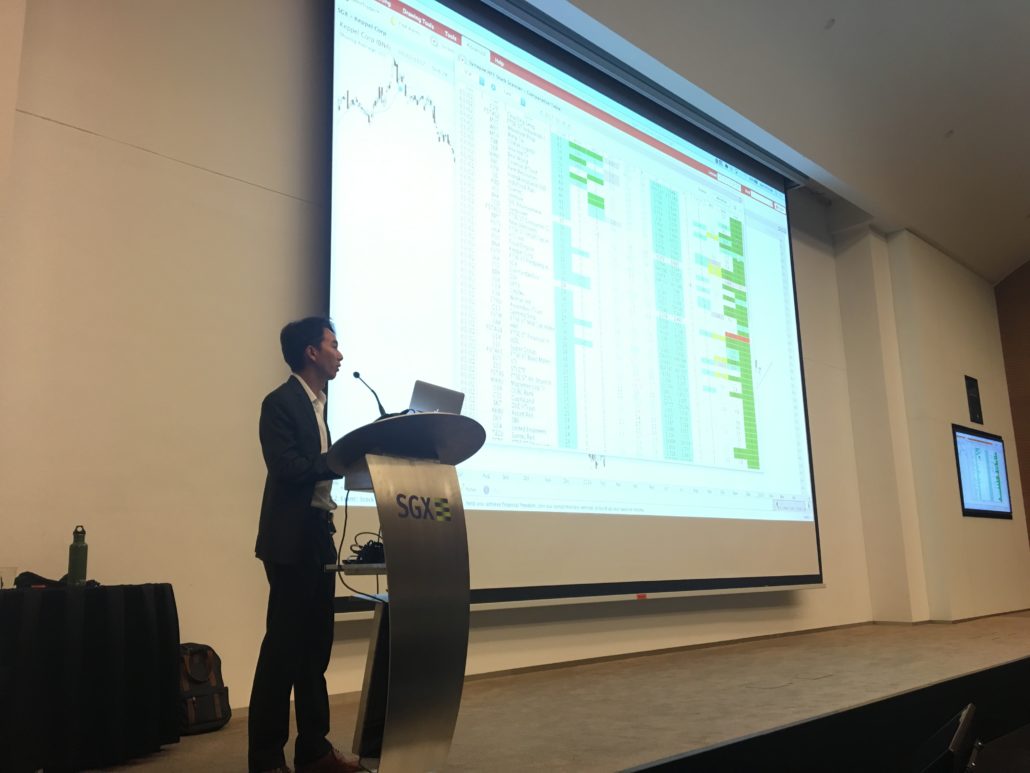
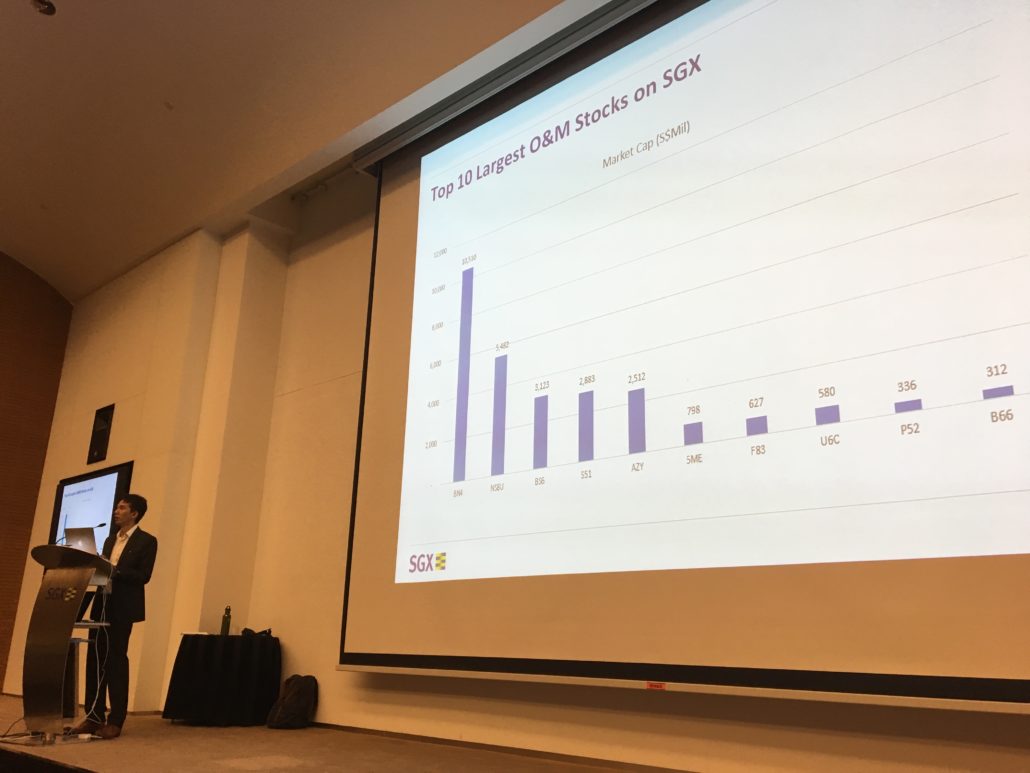
Last Monday, I was invited as an SGX trainer to speak at “Live Trading Mondays”, to share my views on the general market outlook, and more specifically on O&M (offshore and marine) counters.

Guest Speaker at Singapore Stock Exchange (SGX)

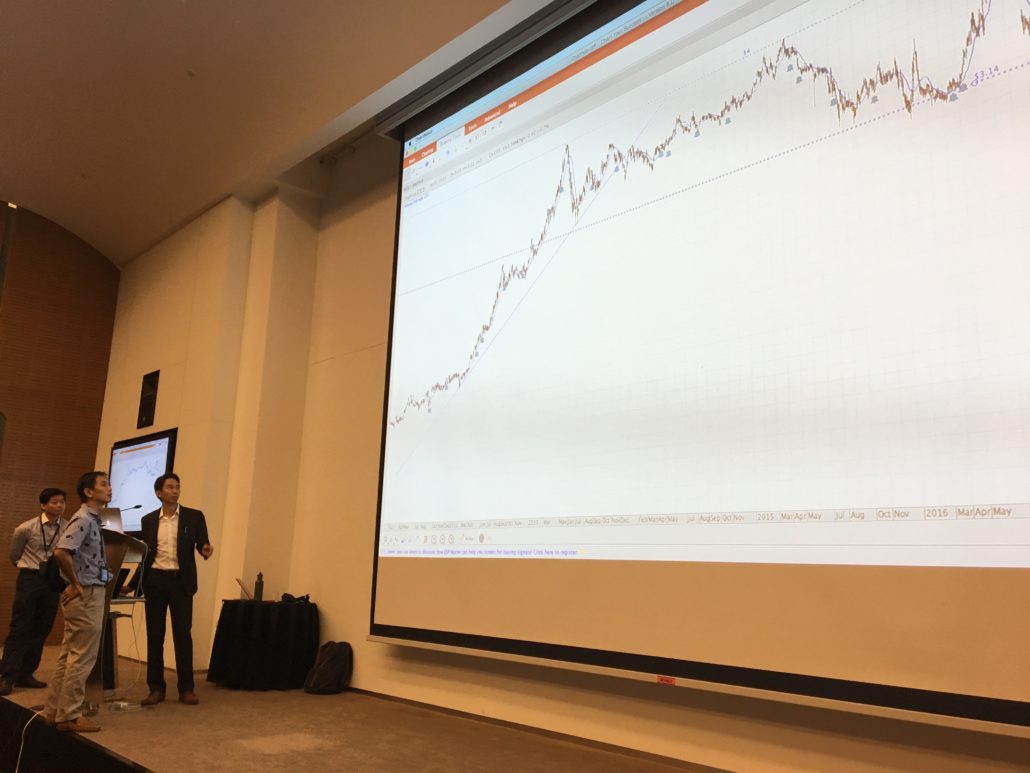
I also took the chance to do a full analysis of various major market themes, as well as my predictions for major markets like stock indices, Gold, Oil, etc.

Guest Speaker at Singapore Stock Exchange (SGX) 2

Guest Speaker at Singapore Stock Exchange (SGX) 3

It was a great sharing session, and we managed to identify several good trading opportunities.

Guest Speaker at Singapore Stock Exchange (SGX) 4

Although the focus was on O&M stocks, there were a lot of bullish property counters which were flagged out by our “Synapse Stock Screener”, which we use to flag out the best stock trading opportunities daily.

Great start for the year with my first talk at SGX, as a guest speaker on “Live Trading Mondays”! ??? Will also holding the first “Trading Foundation Workshop” for 2017 tomorrow evening, so I’m looking forward to meeting all those to are attending tmr! ? #sgx #livetrading #foundationworkshop

A photo posted by Spencer Li ?? Synapse Trading (@iamrecneps) on Feb 5, 2017 at 11:03pm PST

For those who are keen to start trading in stocks (or any other markets), or would like to know which are the best “hot” counters to be looking at now, do join us for our “Trading Foundation Workshop” this coming Wednesday on 15 February. See you there! 😀

Check availability: http://wp.me/P1riws-6gw

0 Comments/by Spencer Li
https://synapsetrading.com/wp-content/uploads/2017/02/sgx-live-trading-stage-photo.png 951 1841 Spencer Li https://synapsetrading.com/wp-content/uploads/2019/10/logo.jpg Spencer Li2017-02-13 03:45:112022-03-08 14:55:40Guest Speaker at Singapore Stock Exchange (SGX)
Spencer Li

The 10 Financial Milestones that Everyone Needs to Aim For

Investing & Portfolio Management
beginners guide to trading and technical analysis

The 10 Financial Milestones Every Singaporean Should Aim For

Last updated: 3 July 2026 · By Spencer Li, CFTe


The 10 financial milestones every Singaporean should aim for are: a clean credit history, the skill of budgeting, becoming a “time-investor” who builds skills before chasing returns, full financial independence from your parents, adequate insurance coverage, an active plan to stay physically fit, owning the roof over your head, tracking your active and passive income, holding six months of expenses in cash, and meeting real investors regularly. Notice that only a few of these are about making money. The rest are about preserving it and protecting it, because amassing wealth and keeping wealth are two different skills. Most people obsess over the first and skip the second.

Here is the honest part. You do not need all ten before you start. But the more of them you have in place, the stronger your financial house stands when a storm comes. So treat the list below as an audit. Read each one, and quietly tick off how many you have already done.

What is a “financial milestone”, and why ten?

A financial milestone is a checkpoint that tells you your money is actually getting healthier, not just busier. The road to financial freedom is marked by progress, and these are the markers along it.

Some milestones are about building wealth. Others, the ones most people forget, are about preserving it. A missed preservation milestone (no insurance, no cash buffer) can wipe out years of building in a single bad event. That is why the list mixes both, and why getting your house in order comes before marching anywhere.

Before any of this, do one thing: a clean, honest audit of where you stand today. You cannot fix a number you have not looked at.

The 10 milestones at a glance

#MilestoneWhat it really meansBuild or preserve?
1Clean credit historyPay every bill on time, no penalties, no finesPreserve
2The skill of budgetingA budget you actually keep, not one you redraw monthlyBuild
3Be a time-investorInvest your time into skills before you invest your moneyBuild
4Financial independenceYour livelihood no longer depends on who hands you moneyBuild
5Adequate insuranceProtection for you and the people who depend on youPreserve
6A plan to stay fitHealth, so you can actually enjoy the wealth you buildPreserve
7Own your homeThe roof over your head, so an emergency cannot put you on the streetPreserve
8Track active and passive incomeA quarterly reality check on where your money comes fromBuild
9Six months of expenses in cashA war chest, so you are never worried about bread on the tablePreserve
10Meet investors regularlySurround yourself with real investors, not a comfort zoneBuild

Now here is how each one works, and where people get it wrong.

1. Have a clean credit history

Paying personal bills on time is a chore for many. The financially healthy person masters it anyway.

It is simple, really. Do not buy what is beyond you right now. I have heard of startup founders who slept in basements to save on rent, bunking with four other like-minded nerds who did not mind the early shame for the later glory. Most of us are far more financially secure than that. Even with some debt, most middle-class families get by and put a little aside each month.

So the rule is plain. Do not spend what you do not have. Business loans do not count here, because they are a different animal from personal debt.

Have you done a thorough audit of your personal debts? A good credit rating is one big green tick on your financial health. Pay your bills on time, avoid penalty fees and fines, and your record at the Credit Bureau Singapore (the bureau that holds your local credit report) stays clean.

2. Learn the skill of budgeting

Before wealth is amassed, you have to learn to manage small amounts of money. If you can be trusted with little, you can be trusted with much.

Budgeting is a simple skill. The catch is that people do not keep to their budgets. They adjust them the way they adjust their exercise schedule, their weight-loss plan, their study plan, and everything else.

A budget you do not keep makes budgeting useless. The resolve to stick to it is part of the skill. If you cannot abide by your own budget, there is only one person to blame.

Parents have a role here too. Teach budgeting to children when they are young, and the attitude stays. Even when the amounts get bigger later, the discipline keeps the person financially healthy over the long run.

3. Be a professional time-investor

Here is the wrong question to ask: “I have $10,000, what should I invest in?” Anyone leading with that is starting at the wrong end. The right question is: “What skills should I acquire to become a proficient investor?”

Time is all you need to acquire skills. Many people complain about the lack of real financial education in schools, then stay stuck at the complaining stage. To be a professional investor of money, you first have to be a professional investor of your own time.

If you spend most of your time watching YouTube and it makes you happy, great. But if that is not the life you want, do something about it. Even after trading for many years, I still make it a point to read good books and stimulate my thinking. Self-help, trading books, even fiction. You would be surprised how much a good, beefy fiction book teaches you.

This is also where the human edge lives. A screener will tell you what is moving in a second, and that part is now basically free. What it will not do is build the judgment to know which opportunity is worth your time and which one to walk past. The skill you invest your time into is the part no tool can buy for you. It is the first of the Five Edges.

4. Be financially independent

If you are still living off your parents, that is okay. There is nothing to be ashamed of, because all of us start there. But you need a plan to get to the point where your livelihood no longer depends on who gives you money.

Many young people are quietly leaning on the safety net that their parents will rescue them if they mess up. That may even be true, since no parent wants their child to face a financial catastrophe. Still, every one of us needs to reach the place where we take responsibility for our own finances and keep honest track of where we stand.

5. Get adequate insurance coverage

As a responsible adult, your job is not only to protect yourself financially, but also the people you love. You cannot compromise on insurance, because your life does not revolve around you alone.

Having solid financial backing when something tragic happens is what financial responsibility looks like in practice. It shows you have a clear plan for emergencies.

Personally, I do not think investment-linked policies are really investments. As I said in milestone #3, invest your time, not your money into a policy hoping it grows. Take up the necessary protection, get the peace of mind, and that is all you need. You would be surprised how uninformed most people are about insurance, and getting this right is one milestone that will set you apart.

6. Have an active plan to keep yourself fit

Many people never even consider physical fitness a financial milestone. But what use is all the wealth in the world if you are too unwell to enjoy it?

Keeping fit is simple, yet hard to do. Just like budgeting, most people know what to do and do not do it. Get yourself in shape if you want your financial health in shape. The two are more connected than they look.

7. Own the roof over your head

Yes, there are stories of young people who made it big and bought a mansion with the $150 million they got from selling a company. Most of us do not have that luxury.

The majority work their way to owning a first home before getting anywhere major in life. When it comes to financial freedom, owning the roof over your head is the least you can do, because when an emergency strikes, you will not be forced onto the street.

8. Monitor your active and passive income

Financial freedom involves both active income (what you earn from working) and passive income (what your assets earn for you). Reviewing them every three months or so keeps you up to date on your progress. It is also a reality check, so you do not quietly drift into skiving.

A simple Excel sheet does the job. It is as easy as tracking your expenses, and most basic apps on the App Store or Play Store work fine. The hard part is not the tool. It is drilling in the discipline to keep the routine.

9. Keep six months of expenses in cash

This is another defensive safety net. If you do not even have a six-month war chest, do not yet think about financial freedom. Reaching the goals you set takes real effort and real risk, and the last thing you want to be worrying about mid-journey is whether there is bread on the table or milk in the fridge.

10. Meet investors regularly

If you are a Pokemon card fan, you probably spend most of your time around fellow Pokemon fans. That is fine if you want to be Ash Ketchum. But if you want to be an investor, hang around real investors.

Go to events. Meet like-minded people. Network hard, and find out what the scene is actually like. Know what is trending, what is outdated, what people are interested in. Spending time with these people keeps you in sync with the world of investing and expands your thinking.

For example, when I first heard of options, it blew my mind. You can actually make money when prices do not move. You do not have to bet on a rise or a fall, you simply collect premium. I will not go deep here, but learning that opened my mind when I was much younger and kept me hungry to explore.

Many people fall into a comfort zone once they hit their 30s and 40s. That is normal, because the trials of life take a toll. But if you really want a fulfilling life, you have to step out and behave like someone who is going to live one.

Two quotes I keep coming back to. If you are 25, behave like you are 35: be mature, patient, and kind in your dealings with people. And if you are 55, behave like you are 35: stay excited, passionate, willing to change, and open to young people for who they are.

I used to get criticised for spending too much time on my phone. Guess what? I now spend most of my time on the phone trading and analysing charts, not confined to a desk in an office. The things society did not quite accept can become mainstream very quickly.

How many of these do you actually have?

Be honest with yourself on each line. You can forgo a few early on. But to be genuinely stable, you have to build the foundation strong. When the storm comes, would your financial house stand?

If you are going to make any headway toward financial freedom, it had better start today. Make a plan. Go to your drawing board. Stop relitigating the past, and live a life of possibilities. Do not know where to start? Ask, learn, and seek help.

FAQ

What are the financial milestones to hit in Singapore?
The ten worth aiming for are: a clean credit history, the skill of budgeting, becoming a time-investor, financial independence, adequate insurance, a plan to stay fit, owning your home, tracking active and passive income, holding six months of expenses in cash, and meeting real investors regularly. Roughly half build wealth and half preserve it.

How much should I keep in an emergency fund?
A common rule of thumb is six months of your living expenses, held in cash. The point is to never be forced to worry about basics while you take the risks that financial freedom requires.

Should I learn to invest before I have a lot of money?
Yes. The better first question is not “what should I invest in” but “what skills should I acquire to become a good investor”. Time spent building judgment compounds before any capital does.

Are investment-linked insurance policies a good investment?
Personally I do not treat them as investments. The cleaner approach is to take up the protection you genuinely need for peace of mind, and to build your investing skill separately. This is education, not advice, so weigh it against your own situation.

Why is physical fitness on a financial checklist?
Because wealth you are too unwell to enjoy is not much of a goal. Health is the asset that lets you actually use everything else you build.


So, how many of the ten did you tick off? Tell me in the comments, and flag the one you are tackling next.

If you want to start with milestone #3, building the skill before chasing the return, that is exactly what we teach. Read the pillar: The Skills That Make a Profitable Trader.

Want a simple system to start with? Grab the free 15-Minute Swing Trading Starter Kit. It’s the exact routine I use to scan once a day and trade any market in 15 minutes, the practical side of becoming a time-investor.


About the author. Spencer Li is the founder of Synapse Trading and a Certified Financial Technician (CFTe) with 15 years of trading across stocks, forex, crypto, commodities, and bonds. His trade log is public, 404 trades, losses left in. He teaches low-risk swing trading in 15 minutes a day, one system for any market.

Education, not financial advice. Synapse Trading is not licensed by MAS to advise on investment products. Trading carries risk of loss; past performance is not indicative of future results.


Related

The Skills That Make a Profitable Trader (pillar) · How to build an emergency fund and start investing in Singapore · Active vs passive income explained

1 Comment/by Spencer Li
https://synapsetrading.com/wp-content/uploads/2019/06/beginners-guide-to-trading-and-technical-analysis.jpg 746 1200 Spencer Li https://synapsetrading.com/wp-content/uploads/2019/10/logo.jpg Spencer Li2017-02-07 17:00:082026-07-06 03:04:33The 10 Financial Milestones that Everyone Needs to Aim For
Spencer Li

The January Barometer: An Accurate Predictor of Stocks for 2017?

Investing & Portfolio Management
1 5

There are many speculations about leading indicators in the market, and one of the most popular ones is the January Barometer. In this post, we will explore this phenomenon, and see if it holds up to the test, and whether it will provide any useful insights going forward.

WHAT IS THE JANUARY BAROMETER?

“As January goes, so will the market go for the year.” – Wall Street Folklore

The January barometer is a tool used to determine if the year will be bullish on the equity space. If January sees a winning month, the year would be a winning year.

January can be said to be an indicator to whether the year would be bullish or not.

This idea first emerged in the 1972 edition of Yale Hirsch’s Stock Trader’s Almanac. Here’s what was published:

“We doubt that any technique or indicator ever devised has been so remarkably accurate as the January Barometer. The barometer, which indicates that as January goes, so will the market go for the total year, has proven correct in 20 of the last 24 years…. Very few stock market indicators show such an 83.3 percent accuracy for even short spans of time.”


https://www.instagram.com/p/BPuVVnxj8Yt/?taken-by=iamrecneps


PREVIOUSLY… INVESTIGATING THE SANTA CLAUS RALLY

A couple of months back, I collected statistics for a simple ‘buy in January, sell in February’ portfolio. How it works is simple: I would purchase the stock index on 1 January, and sell it on 1 February and see the results.

Buy in January, Sell in February Statistics

2011: 4.34%

2012: 1.28%

2013: 4.55%

2014: 5.62%

2015: -0.08% — Total returns for 5 years = +15.71%!!!

Over the last 5 years, it has indeed been a great run for the ‘buy in January, sell in February’ portfolio.

This got me excited, but I decided to look further back in history…

Breaking up the time periods into 5-year chucks, here are the statistics:

5-year “Buy in January, Sell in February” Statistics

2011-2015: +15.71%

2006-2010: -8.7%

2001-2005: +0.88%

1996-2000: -6.38%

The santa claus rally didn’t really exist as claimed by most sensationalists.

This time, we want to look at whether January tells us if the year would be a winning year.


JANUARY BULL RUN = WHOLE YEAR BULL RUN?

Quantpedia has a good summary of this, and the strategy is simple: Invest in equity market in each January. Stay invested in equity markets (via ETF, fund or futures) only if January return is positive otherwise switch investments to T-Bills.

To put it more simply, there are two scenarios:

Scenario 1: January positive –> Stay invested in equities

Scenario 2: January negative –> Exit equities

The results are shocking. Quoting from a research paper titled: “What’s the Best Way to Trade Using the January Barometer?” (M. J. Cooper, J. J. McConnell, A. V. Ovtchinnikov, 2009)

“We investigated the power of the January market return to predict returns for the next 11 months using 147 years of U.S. stock market returns.

Using 147 years of U.S market data, this was the result:

We found that, on average, the 11-month holding period return following positive Januarys was significantly higher, by a wide margin, (-7.76%) than the 11-month holding period return following negative Januarys.”

This meant that on average, a year with a positive January outperformed a year with negative January by 7.76%. This is a very significant difference.


https://www.instagram.com/p/BOquPBmjdbj/?taken-by=iamrecneps


5 TRADING STRATEGIES THAT WERE RESEARCHED

In the research paper that I mentioned above (you can read the whole paper by downloading it in the link at the bottom of this article), here are 2 strategies that can be taken knowing that January is a good predictor of the market for the rest of the 11 months:

(1) LONG/T-BILL STRATEGY

Long in Jan, continue being long if Jan is positive, but exit and go long on bonds if Jan is negative.

(2) LONG/SHORT STRATEGY

Long in Jan, continue being long if January is positive, but go short if Jan is negative.

The results for 1857 – 2008 are highlighted below:

1-4Strategy 1 ( completely outperformed strategy 2.
Source: Page 21 of “What’s the Best Way to Trade Using the January Barometer?” (M. J. Cooper, J. J. McConnell, A. V. Ovtchinnikov, 2009)

In the research paper, 5 strategies were outlined, but I only cover the 2 that are relevant to our discussion.

It seems that this would be a very profitable strategy:

Firstly, buy stocks in January.

If January is positive, remain long on stocks from February to December.

If January is negative, exit stocks and go long on bonds from February to December.

In addition, the research paper also published returns for the years 1940 – 2008:

2
Strategy 1 completely outperformed strategy 2, even in the recent 70 years.
Source: Page 23 of “What’s the Best Way to Trade Using the January Barometer?” (M. J. Cooper, J. J. McConnell, A. V. Ovtchinnikov, 2009)


https://www.instagram.com/p/BOZFaacjNwq/?taken-by=iamrecneps

WHAT HAPPENED THIS YEAR?

sti-1030x478The STI is up 5.5% for the month of January 2017. Going by the strategy outlined above, if you are a buy-and-hold investor, it would be wise to hold the STI until the end of 2017.


dow-1030x473On the contrary, for the Dow, we’ve only seen a +0.4% increase in Jan 2017. At the time of writing this (2:00am Singapore Time, 1 Feb), it still makes sense to hold the U.S stock index until the end of 2017 (if you’re a buy-and-hold investor). That being said, it’s wise to employ price action strategies and focus on a precision entry/exit if you are already long.

While the January barometer is good information to know, it’s largely a super long-term strategy (10-20 years) and investors will position themselves well if they have strong price action fundamentals in a generally bullish market.

Going forward, I expect the stock market in both Singapore and U.S to be bullish. This is a probabilistic approach; I would still be making trades based on solid price action strategies, and make portfolio adjustments where necessary.

All the best for 2017, and happy trading! I hope that this article has shed some light for those who hate reading research papers 🙂


RESEARCH SOURCES & REFERENCES

investopedia.com/terms/j/januarybarometer.asp
cnbc.com/2014/01/30/uld-totally-ignore-the-january-barometer.html
quantpedia.com/screener/Details/113
papers.ssrn.com/sol3/papers.cfm?abstract_id=1436516
fullertreacymoney.com/content/2010-03-02/Januaryeffrct.pdf
Cover Image: wallpapercave.com

0 Comments/by Spencer Li
https://synapsetrading.com/wp-content/uploads/2016/12/1-5.png 1080 1080 Spencer Li https://synapsetrading.com/wp-content/uploads/2019/10/logo.jpg Spencer Li2017-02-01 10:00:442022-03-15 18:40:36The January Barometer: An Accurate Predictor of Stocks for 2017?
Spencer Li

Dubai, South Africa, Lesotho – Over 3,000km by Road!

Travel & Lifestyle
south africa trip

Last month, I embarked on a 2-week trip to Dubai, South Africa and Lesotho, and  it was truly a unique experience, especially driving over 3000km in 2 weeks, trying out the shark-cage diving, riding an ostrich, and doing a self-drive safari.

And the best part was that by continuing to trade 15 minutes a day, I managed to make a tidy 5-figure profit during these 2 weeks of travelling, which was more than sufficient to cover the cost of the whole trip! 😀

To see the full photo albums for this trip, please visit: https://synapsetrading.com/travel-log/


Here are some photos from the trip:

Dubai, South Africa, Lesotho


Once again, to see the full photo albums for this trip, please visit: https://synapsetrading.com/travel-log/

Enjoy! 😀

0 Comments/by Spencer Li
https://synapsetrading.com/wp-content/uploads/2017/01/south-africa-trip.png 957 767 Spencer Li https://synapsetrading.com/wp-content/uploads/2019/10/logo.jpg Spencer Li2017-01-29 02:47:142022-03-09 13:53:13Dubai, South Africa, Lesotho – Over 3,000km by Road!
Page 107 of 184«‹105106107108109›»

Free Trading Guides

Free Trading Guides

Blog Categories

  • Beginner's Guide
  • Blockchain & Crypto
  • Book Summaries
  • Candlestick Patterns
  • Economics & News Trading
  • Investing & Portfolio Management
  • Living Your Best Life
  • Market Analysis
  • News & Events
  • Price Chart Patterns
  • Promotions
  • Risk & Money Management
  • Stock Trading
  • Testimonials
  • Tools & Resources
  • Trading Psychology
  • Trading Strategies
  • Trading Tips
  • Travel & Lifestyle

Free Trading Guides

Free Trading Guides

Contact Us

Synapse Trading Pte Ltd
Registration No. 201316168H

Whatsapp: +65-8897-1204
Telegram: @iamrecneps
Email: info@synapsetrading.com

Links

Disclaimer
Privacy policy
Terms & Conditions
Contact us
Partnerships

© 2012-2024 Synapse Trading | All rights reserved | - powered by Enfold WordPress Theme
  • Link to Facebook
  • Link to X
  • Link to Instagram
  • Link to Youtube
  • Link to LinkedIn
  • Link to Mail
Scroll to top Scroll to top Scroll to top