Greetings, fellow traders! 😀
At the end of last year, I embarked on a trip across these 14 countries, to learn more about communism in Eastern Europe:
- Belarus
- Ukraine
- Transnistria
- Moldova
- Romania
- Bulgaria
- North Macedonia
- Kosovo
- Bosnia
- Albania
- Montenegro
- Serbia
- Croatia
- Slovakia
It was really an eye-opener, with a big disparity in the standards of living between different countries in Europe, especially those within the EU who seem much better off.
I was amazed at the diversity of experiences, including abandoned irradiated towns, nuclear missile bunkers, war-torn buildings and weapon museums, quaint castles, and many unique Soviet/communist quirks.
I think one of the biggest advantage of swing trading is that it doesn’t require you to spend much time monitoring the markets, so all you need is to spend a few minutes a day updating your positions using a mobile phone, which allowed me to continue raking in profits with minimal effort even while on holiday.
To see the full photo albums for this trip, please visit: https://synapsetrading.com/travel-log/
Here are some photos from the trip, with brief intro snippets from Wikitravel or Wikipedia:
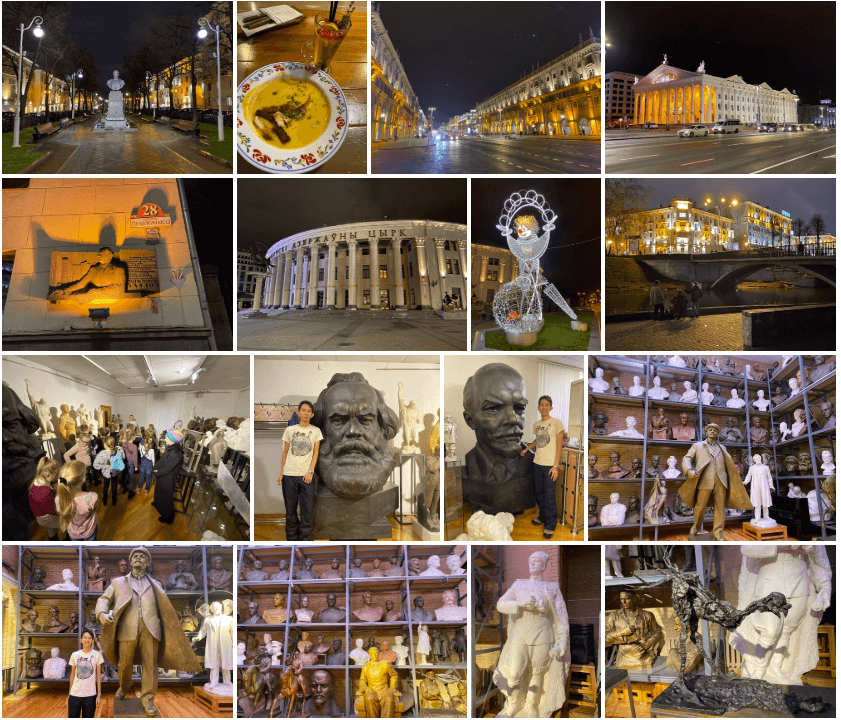
1. Minsk, Belarus
Minsk , with a population of 1,959,800 (according to the 2016 survey), is the capital and largest city of Belarus.
After the Pale of Settlement of 1835, the population of Minsk became 1/3 Jews, almost all of whom fled or were killed during World War II. During the war, the population of Minsk was reduced from 300,000 people to 50,000 people. The city was 80% destroyed and was rebuilt in the 1950s to the liking of Stalin. The population of the city grew due to industrialization and movement of young people from the Belarusian countryside.
English is rarely spoken but Russian is spoken by all, in addition to Belarusian. It helps to learn some key phrases in Russian.
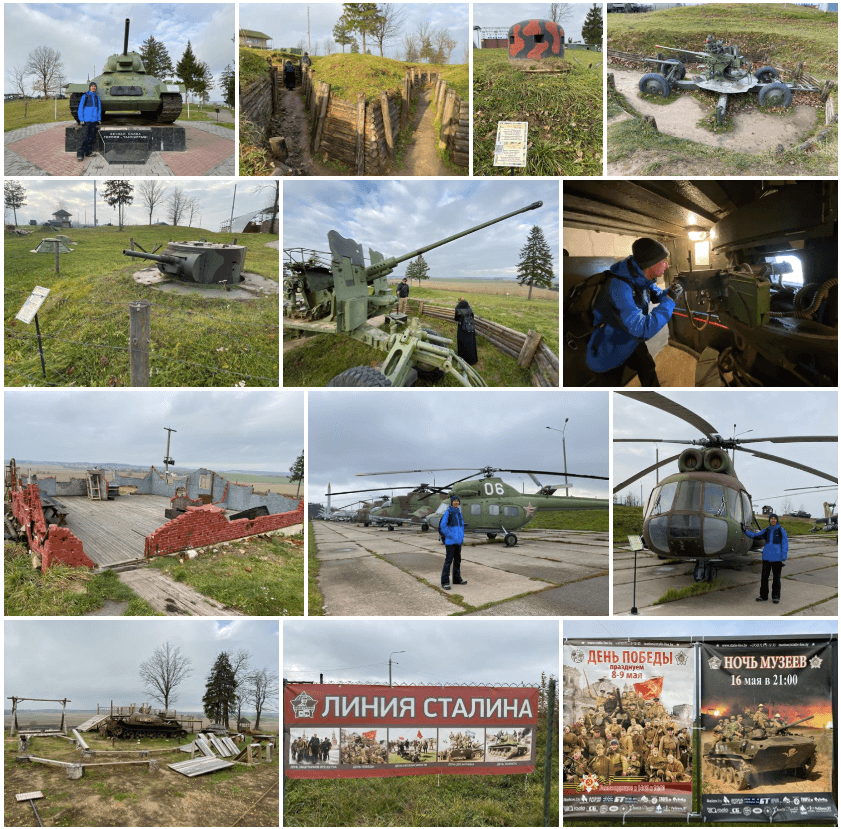
2. Stalin Line, Belarus
The Stalin Line was a line of fortifications along the western border of the Soviet Union. Work began on the system in the 1920s to protect the USSR against attacks from the West. The line was made up of concrete bunkers and gun emplacements, somewhat similar to, but less elaborate than the Maginot Line. It was not a continuous line of defense along the entire border, but rather a network of fortified districts, meant to channel potential invaders along certain corridors.
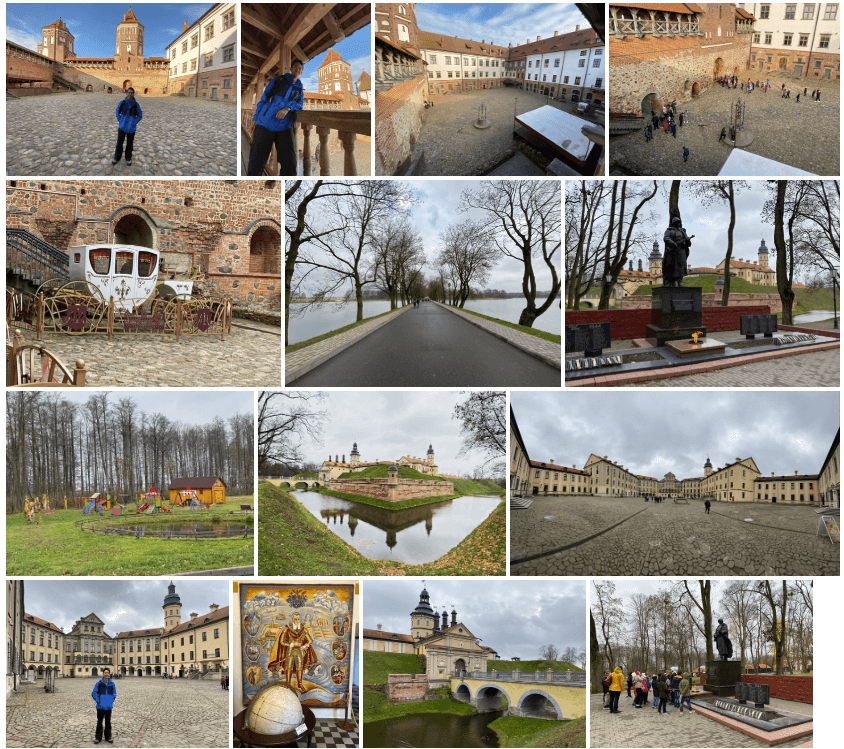
3. Nesvizh & Mir Castle, Belarus
The Mir Castle Complex is a UNESCO World Heritage site in Belarus. It is in the town of Mir, in the Kareličy District of the Hrodna voblast, 29km NW of another World Heritage site, Nesvizh Castle. Mir Castle Complex is 164m above sea level. From 1921 to 1939, the castle belonged to the territory of Poland.
Nesvizh Castle is a residential castle of the Radziwiłł family in Niasviž, Belarus. It is 183m above sea level. From 1919 to 1945, the complex was part of Poland and was considered one of the most beautiful castles in the Kresy region.
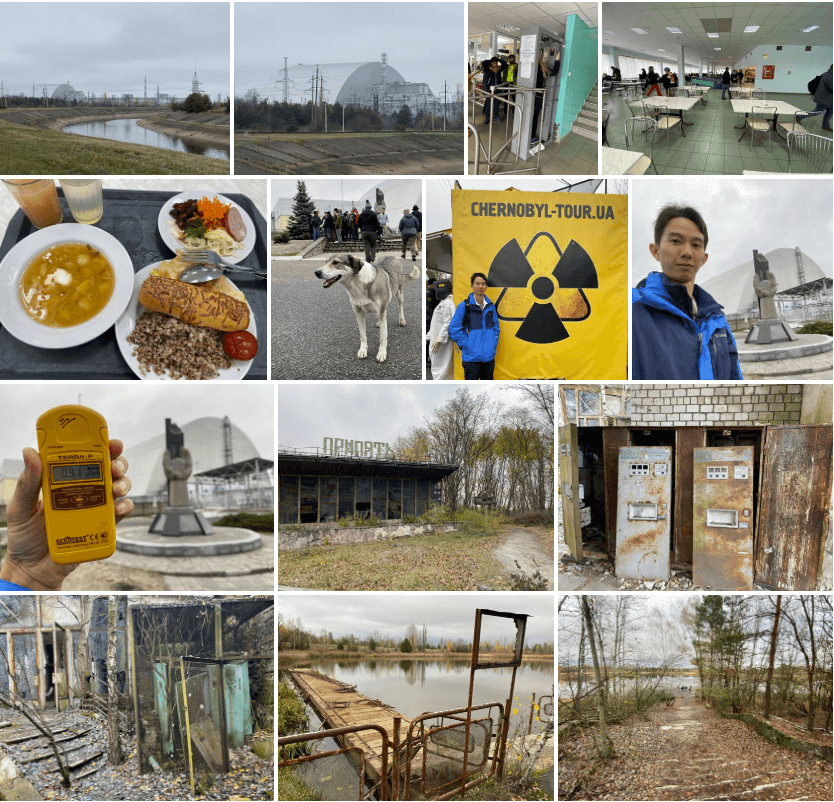
4. Chernobyl, Ukraine
The Chernobyl disaster was a nuclear accident that occurred on Saturday 26 April 1986, at the No. 4 nuclear reactor in the Chernobyl Nuclear Power Plant, near the city of Pripyat in the north of the Ukrainian SSR. It is considered the worst nuclear disaster in history and is one of only two nuclear energy disasters rated at seven—the maximum severity—on the International Nuclear Event Scale, the other being the 2011 Fukushima Daiichi nuclear disaster in Japan.
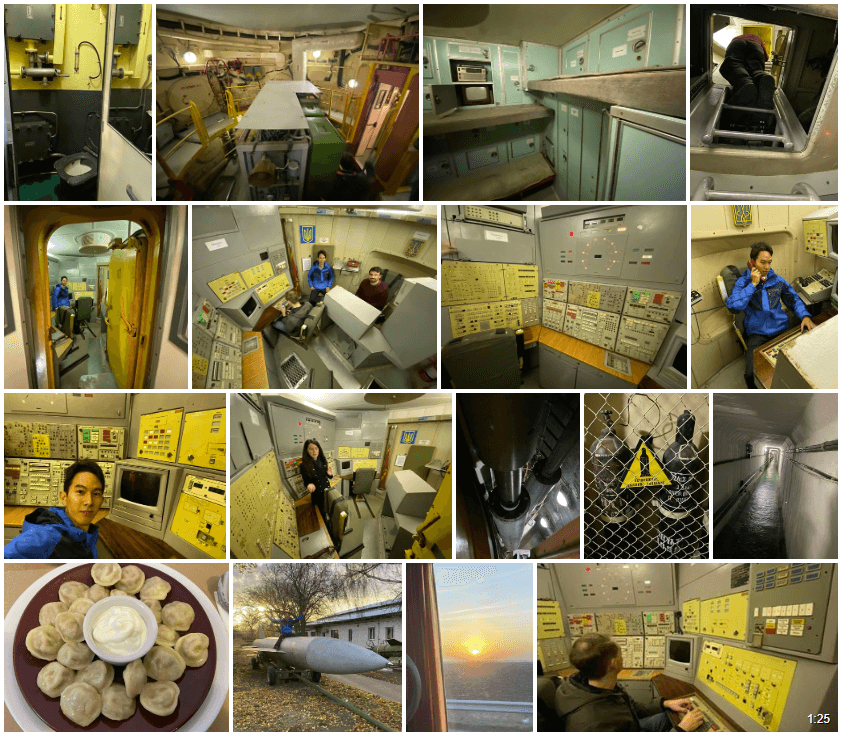
5. Nuclear Missile Base, Ukraine
The unique site of a former Cold-War-era ICBM silo and Launch Control Centre (LCC) of the Soviet Union, located in now independent Ukraine, in the countryside between Kiev and Odessa, near the small town of Pervomaisk (not the one in Donbas!). In addition to the original silo and LCC there’s a plethora of related objects on open-air display as well as a dedicated small museum. But the highlight remains going down to the original underground LCC for the spectacle of a simulated launch.
6. Kiev & Odessa, Ukraine
Kiev or Kyiv is the capital and most populous city of Ukraine. It is in north-central Ukraine along the Dnieper River. Its population in July 2015 was 2,887,974, making Kiev the 6th-most populous city in Europe. Kiev is an important industrial, scientific, educational and cultural center of Eastern Europe.
Odessa is a port city on the Black Sea in southern Ukraine. It’s known for its beaches and 19th-century architecture, including the Odessa Opera and Ballet Theater. The monumental Potemkin Stairs, immortalized in “The Battleship Potemkin,” lead down to the waterfront with its Vorontsov Lighthouse. Running parallel to the water, the grand Primorsky Boulevard is a popular promenade lined with mansions and monuments.

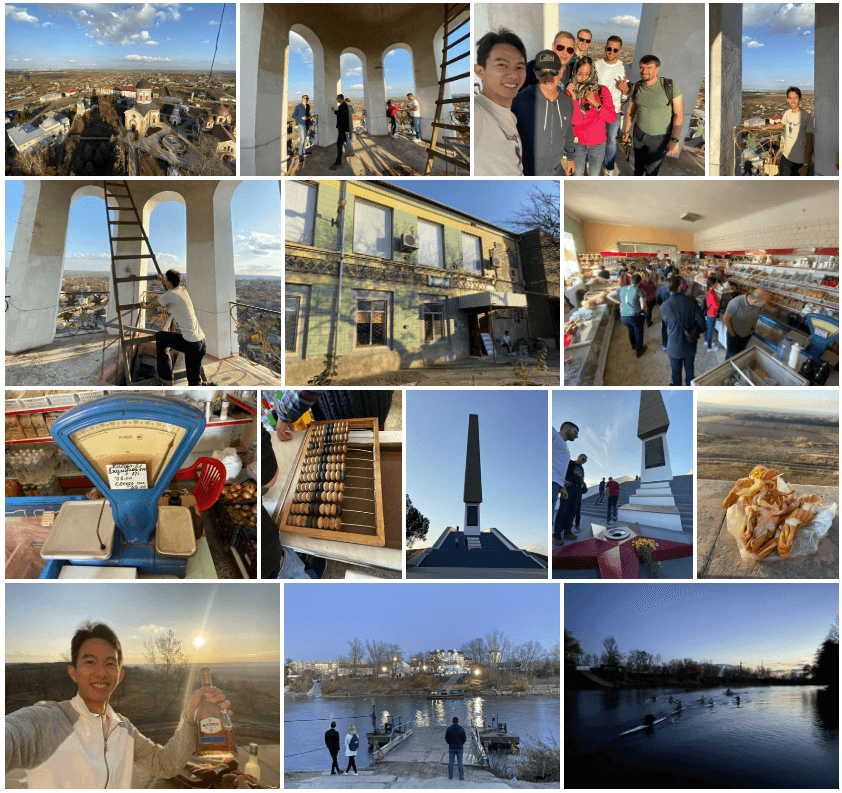
7. Tiraspol, Transnistria
Tiraspol is internationally recognised as the second largest city in Moldova, but is effectively the capital and administrative centre of the unrecognised Pridnestrovian Moldavian Republic (Transnistria). The city is located on the eastern bank of the Dniester River. Tiraspol is a regional hub of light industry, such as furniture and electrical goods production.
The modern city of Tiraspol was founded by the Russian generalissimo Alexander Suvorov in 1792, although the area had been inhabited for thousands of years by varying ethnic groups. The city celebrates its anniversary every year on October 14.

8. Chitcani, Transnistria
Chițcani is a commune in Căușeni District, Moldova, situated to the south-east of the city of Tighina (Bender). The locality, although situated on the right (western) bank of the river Dniester, is under the control of the breakaway Transnistrian authorities. On the opposite side of the river lies the city of Tiraspol.
Chițcani is one of the oldest recorded villages in Moldova, its history dating back to 1367. The name of the village means “shrews” in Romanian language.
The village is also well known as the home of the Noul Neamţ Monastery. The monastery was closed when Moldova was under the Soviet Union. It was then used as a hospital, a storehouse, then as a makeshift museum.
9. Bender, Transnistria
Bender is a city within the internationally recognized borders of Moldova under de facto control of the unrecognized Pridnestrovian Moldavian Republic (Transnistria) (PMR) since 1992. It is located on the western bank of the river Dniester in the historical region of Bessarabia.
Bender is located in the buffer zone established at the end of the 1992 War of Transnistria. While the Joint Control Commission has overriding powers in the city, Transnistria has de facto administrative control.
The fortress of Tighina was one of the important historic fortresses of the Principality of Moldova.

10. Chisinau, Moldova
Chișinău is the capital and largest city of the Republic of Moldova. The city is Moldova’s main industrial and commercial center, and is located in the middle of the country, on the river Bâc, a tributary of Dniester.
According to the results of the 2014 census, the city proper had a population of 532,513, while the population of the Municipality of Chișinău (which includes the city itself and other nearby communities) was 662,836.
Chișinău is the most economically prosperous locality in Moldova and its largest transportation hub.

11. Cricova Winery, Moldova
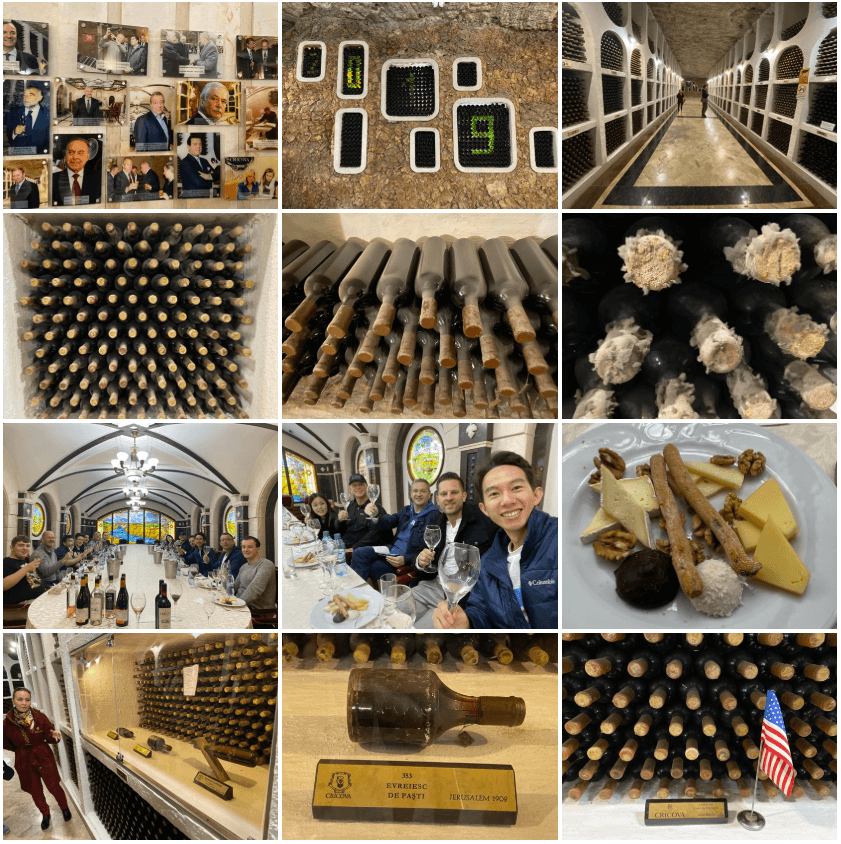
Cricova is a Moldovan winery, located in the town with the same name, 15 km north of Chişinău. Famous wine cellars make it a popular attraction for tourists.
The wine cellars of Cricova is the second largest wine cellar in Moldova, boasting 120 km of labyrinthine roadways, including tunnels that have existed under Cricova since the 15th century, when limestone was dug out to help build Chişinău. They were converted into an underground wine emporium in the 1950s.
Legend has it that in 1966 cosmonaut Yuri Gagarin entered the cellars, re-emerging (with assistance) two days later. Russian president Vladimir Putin celebrated his 50th birthday there.
12. Bucharest, Romania
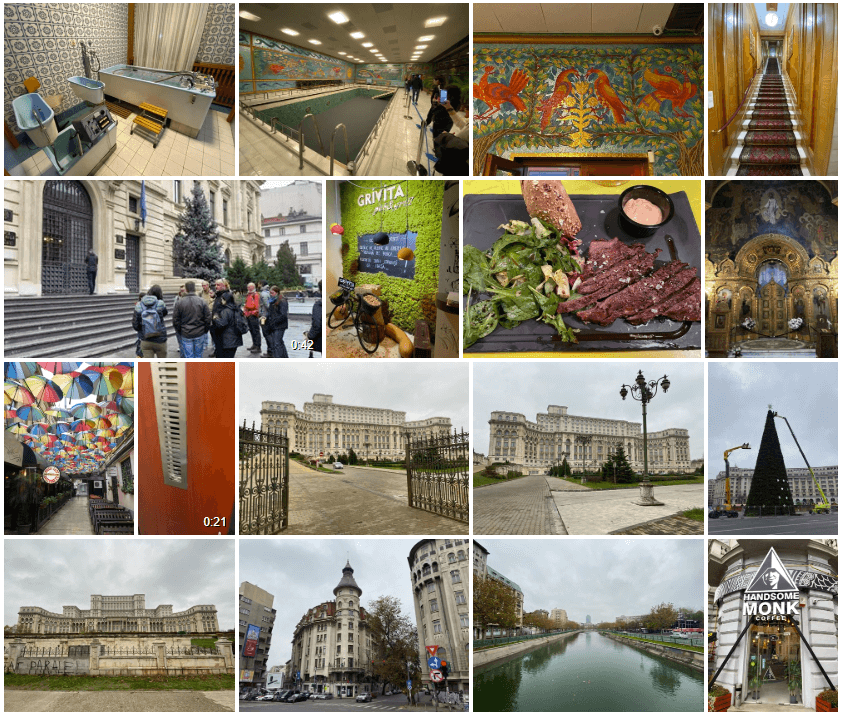
Bucharest is the capital and largest city of Romania, as well as its cultural, industrial, and financial centre. It is located in the southeast of the country, on the banks of the Dâmbovița River, less than 60 km north of the Danube River and the Bulgarian border.
Its iconic landmark is the massive, communist-era Palatul Parlamentului government building, which has 1,100 rooms. Nearby, the historic Lipscani district is home to an energetic nightlife scene as well as tiny Eastern Orthodox Stavropoleos Church and 15th-century Curtea Veche Palace, where Prince Vlad III (“The Impaler”) once ruled.
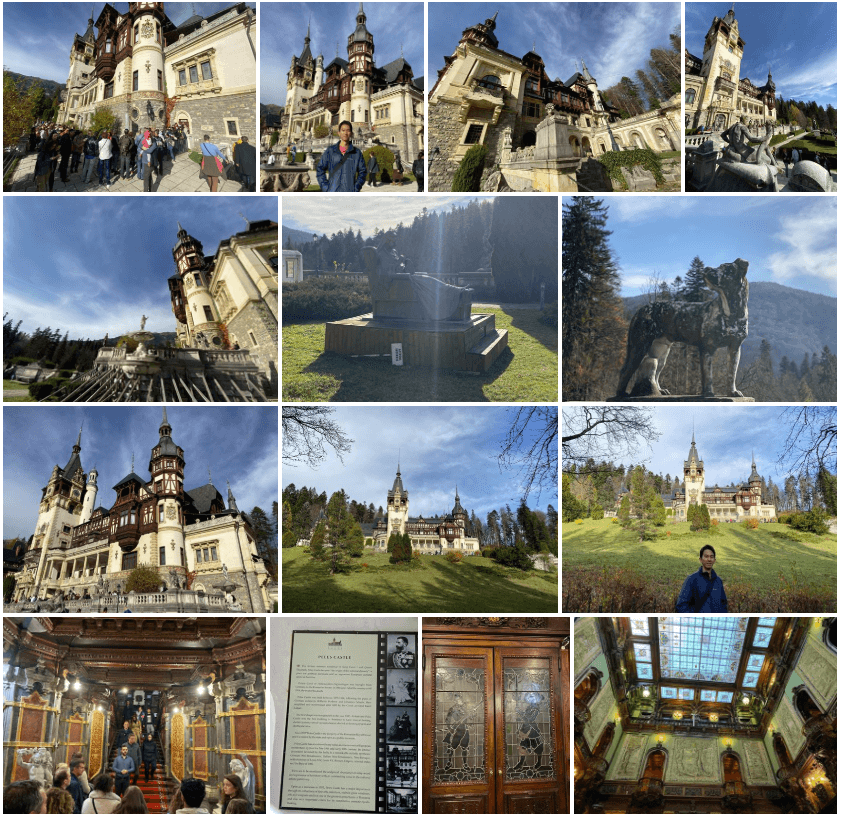
13. Transylvania, Romania
Transylvania is a historical region which is located in central Romania. It’s known for medieval towns, mountainous borders and castles like Bran Castle, a Gothic fortress associated with the legend of Dracula.
The Anglosphere commonly associates Transylvania with vampires, thanks to the dominant influence of Bram Stoker’s novel Dracula and the many films the tale inspired.
The city of Brașov features Saxon walls and bastions, as well as expansive Council Square, ringed by colorful baroque buildings, the towering Gothic Black Church and cafes. Nearby Poiana Brașov is a popular ski resort.
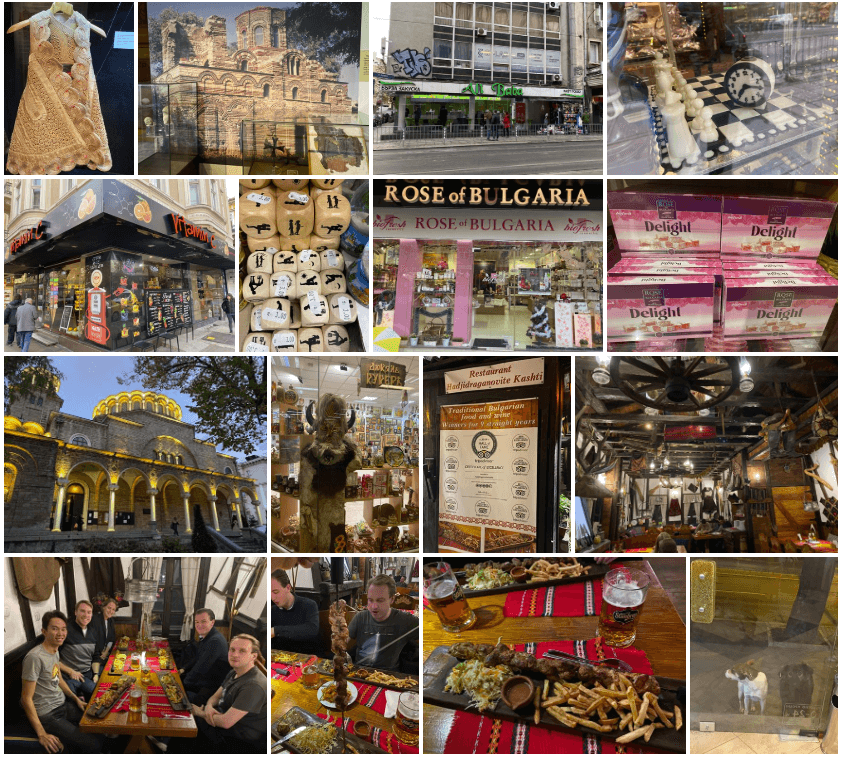
14. Sofia, Bulgaria
Sofia is the capital and largest city of Bulgaria. The city is at the foot of Vitosha mountain in the western part of the country. Being in the centre of the Balkans, it is midway between the Black Sea and the Adriatic Sea, and closest to the Aegean Sea.
The city’s landmarks reflect more than 2,000 years of history, including Greek, Roman, Ottoman and Soviet occupation.
Sofia has been described as the ‘triangle of religious tolerance’. This is due to the fact that three colossal temples of the three world major religions – Christianity, Islam and Judaism, reside inside the borders of the city, which are the Sveta Nedelya Church, Banya Bashi Mosque and Sofia Synagogue.
15. Skopje, North Macedonia
Skopje is the capital and largest city of North Macedonia. It is the country’s political, cultural, economic, and academic centre.
During the First World War the city was seized by the Kingdom of Bulgaria, and after this war, it became part of the newly formed Kingdom of Yugoslavia becoming the capital of the Vardarska banovina.
In the Second World War the city was again captured by Bulgaria and in 1944 became the capital of SR Macedonia, then a federated state of Yugoslavia. The city developed rapidly, but this trend was interrupted in 1963 when it was hit by a disastrous earthquake.

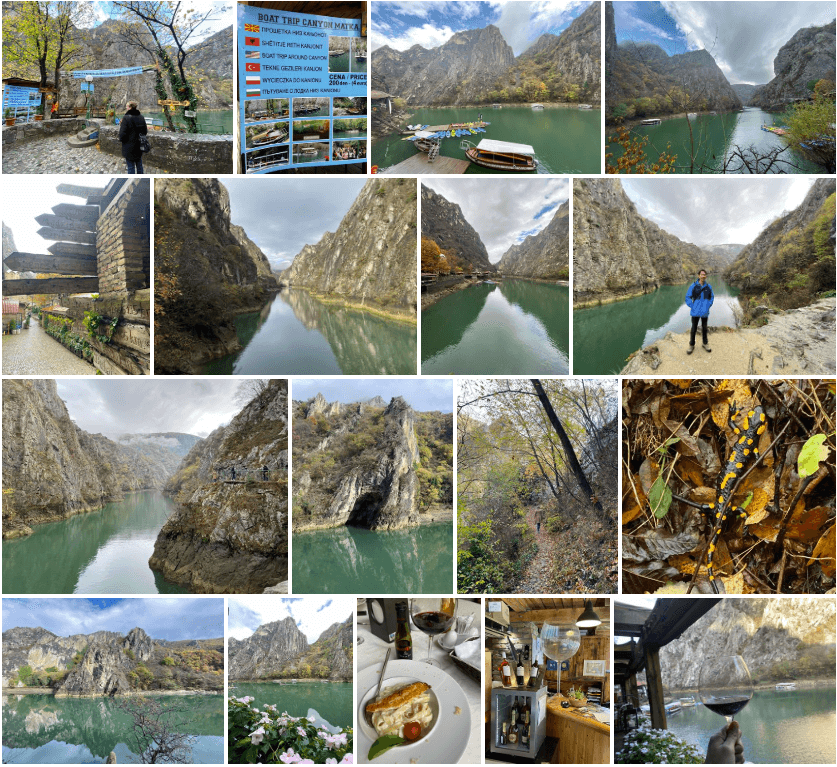
16. Matka Canyon, North Macedonia
Matka is a canyon located west of central Skopje, North Macedonia. Covering roughly 5,000 hectares, Matka is one of the most popular outdoor destinations in Macedonia and is home to several medieval monasteries. The Matka Lake within the Matka Canyon is the oldest artificial lake in the country.
There are ten caves at Matka Canyon, with the shortest in length being 20 metres and the longest being 176 metres. The canyon also features two vertical pits, both roughly extending 35 metres in depth.
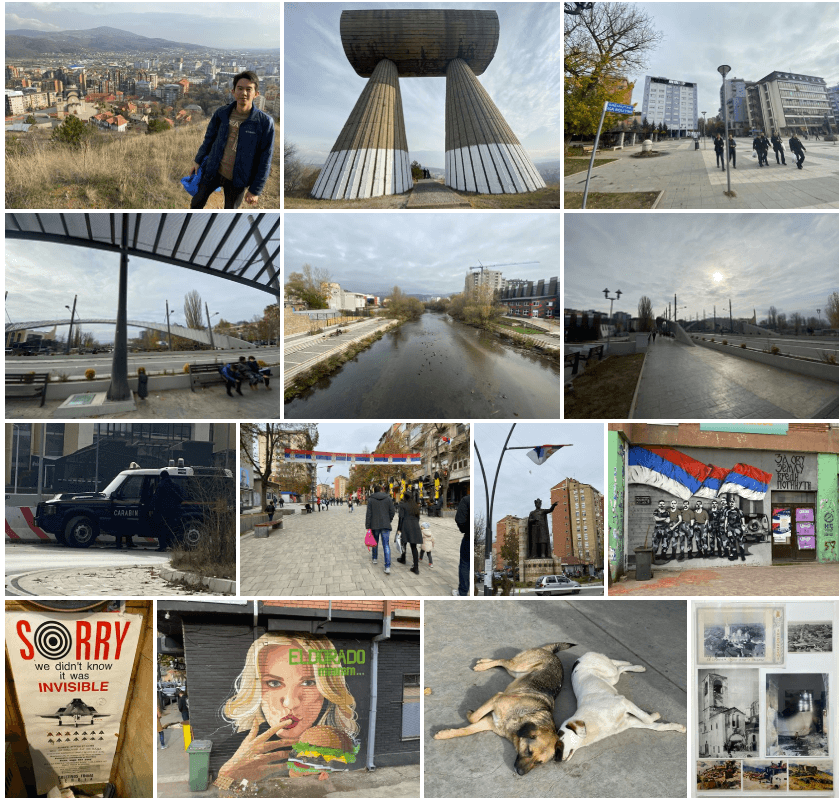
17. Pristina, Kosovo
Pristina is the capital and largest city of Kosovo. The city has a majority Albanian population, alongside other smaller communities. With a municipal population of 204,721 inhabitants (2016), Pristina is the second-largest city in the world with a predominantly Albanian-speaking population, after Albania’s capital, Tirana.
Pristina is also the most essential economic, financial, political and trade center of Kosovo mostly due to its significant location in the center of the country. It is the seat of power of the Government of Kosovo, the residences for work of the President and Prime Minister of Kosovo and the Parliament of Kosovo.

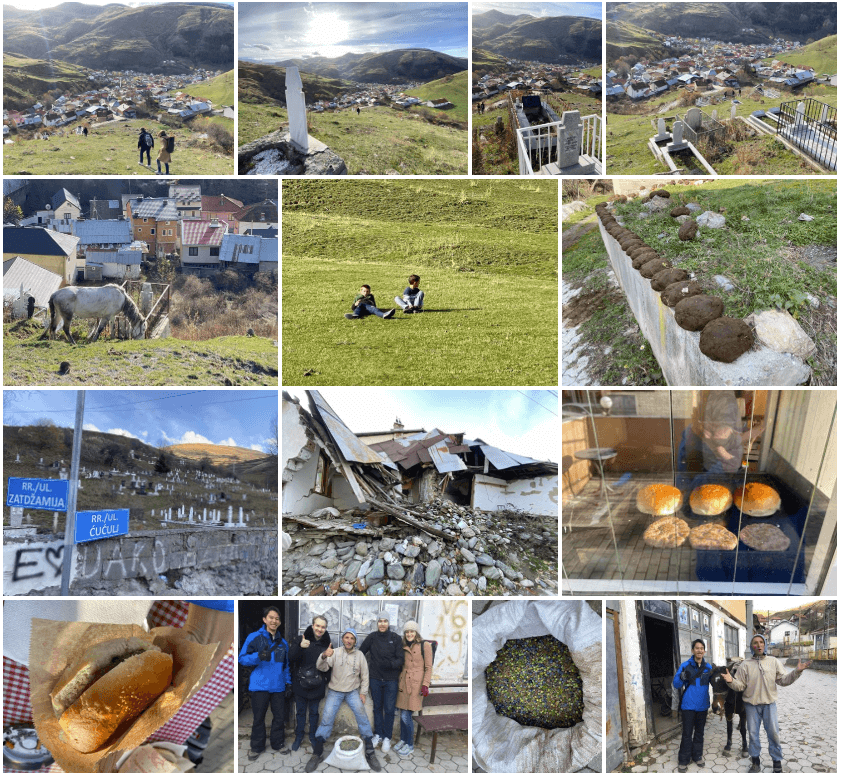
18. Brod, Kosovo
Brod is a village in south of Kosovo, in the region of Gora, in the municipality of Dragaš. It is part of the District of Prizren, and is a big village with 900 houses.
The majority of people are Gorani, who are Muslims, and they are traditionally known for good confectioners and a variety of foods.
19. Mitrovica, Kosovo
Mitrovica is a city and municipality located in Kosovo, which was badly affected by the 1999 Kosovo War. The area had been the scene of guerrilla activity by the Kosovo Liberation Army (KLA) prior to the war.
It became the focus for ethnic clashes between the two communities, exacerbated by the presence of nationalist extremists on both sides. The bridges linking the two sides of the town were guarded by armed groups determined to prevent incursions by the other side. Violence and harassment was often directed against members of the “wrong” ethnic community on both sides of the river, necessitating the presence of troops and police checkpoints around individual areas of the city and even in front of individual buildings.
On 17 March 2004, the drowning of an Albanian child in the river prompted major ethnic violence in the town and a Serbian teenager was killed. Demonstrations by thousands of angry Albanians and Serbs mobilised to stop them crossing the river degenerated into rioting and gunfire, leaving at least eight Albanians dead and at least 300 injured. The bloodshed sparked off the worst unrest in Kosovo seen since the end of the 1999 war.
Tensions rose considerably in the city of Mitrovica after Kosovo declared independence on 17 February 2008. Some 150 Kosovo Serb police officers refused to take orders from the ethnic Albanian authorities and were suspended. Serb protesters prevented ethnic Albanian court employees from crossing the bridge over the Ibar River. UN police raided and seized the courthouse on 14 March using tear gas against Serbs and leaving some of them wounded. The explosion of a hand-grenade injured several UN and NATO staff on 17 March; UN forces were later withdrawn from the northern part of Mitrovica.
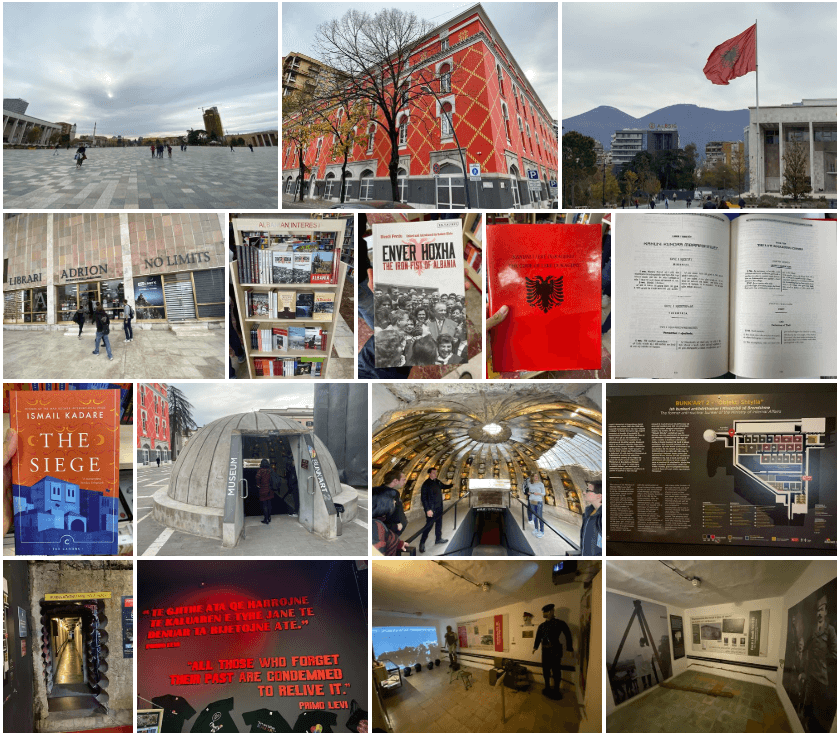
20. Tirana, Albania
Tirana is the capital and largest city by area and population of the Republic of Albania. The city was fairly unimportant until the 20th century, when the Congress of Lushnjë proclaimed it as Albania’s capital, after the Albanian Declaration of Independence in 1912.
Due to its location within the Plain of Tirana and the close proximity to the Mediterranean Sea, the city is particularly influenced by a Mediterranean seasonal climate. It is among the wettest and sunniest cities in Europe, with 2,544 hours of sun per year.
21. Budva & Tivat & Kotor, Montenegro
Montenegro is a country of South and Southeast Europe on the coast of the Balkans.
After World War I, it became part of Yugoslavia. Following the breakup of Yugoslavia, the republics of Serbia and Montenegro together established a federation known as the Federal Republic of Yugoslavia, which was renamed to the State Union of Serbia and Montenegro in 2003.
On the basis of an independence referendum held in May 2006, Montenegro declared independence and the federation peacefully dissolved on 3 June of that year, ending a nearly 88-year union between the two states.

22. Belgrade, Serbia
Belgrade is the capital and largest city of Serbia. In a fatally strategic position, the city has been battled over in 115 wars and razed 44 times. It was also the capital of Yugoslavia from its creation in 1918 to its dissolution in 2006.
Following disastrous casualties in World War I, and the subsequent unification of the former Habsburg crownland of Vojvodina (and other lands) with Serbia, the country co-founded Yugoslavia with other South Slavic peoples, which would exist in various political formations until the Yugoslav Wars of the 1990s.
During the breakup of Yugoslavia, Serbia formed a union with Montenegro, which was peacefully dissolved in 2006 and restoring Serbia’s independence as a sovereign state for the first time since the late 1910s. In 2008, the parliament of the province of Kosovo unilaterally declared independence, with mixed responses from the international community.

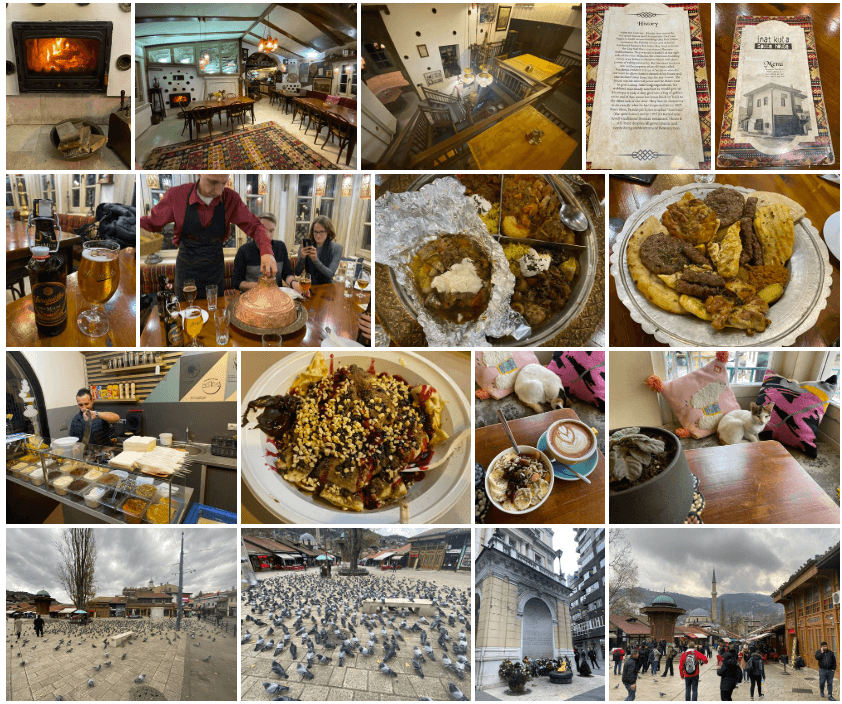
23. Sarajevo, Bosnia & Herzegovina
Sarajevo is the political, financial, social and cultural center of Bosnia and Herzegovina (B&H) and a prominent center of culture in the Balkans, with region-wide influence in entertainment, media, fashion and the arts.
Due to its long history of religious and cultural diversity, Sarajevo is sometimes called the “Jerusalem of Europe”. It is one of only a few major European cities to have a mosque, Catholic church, Orthodox church and synagogue within the same neighborhood.
In 1885, Sarajevo was the first city in Europe and the second city in the world to have a full-time electric tram network running through the city, following San Francisco. In 1914, it was the site of the assassination of Archduke Franz Ferdinand of Austria by local Young Bosnia activist Gavrilo Princip that sparked World War I, which also ended Austro-Hungarian rule in Bosnia and resulted in the creation of the Kingdom of Yugoslavia.
Later, after World War II, the establishment of the Socialist Republic of B&H within the Second Yugoslavia led to a massive expansion of Sarajevo, then the constituent republic’s capital, which culminated with the hosting of the 1984 Winter Olympics marking a prosperous era for the city. However, after the start of the Yugoslav Wars, for 1,425 days, from April 1992 to February 1996, the city suffered the longest siege of a capital city in the history of modern warfare, during the Bosnian War and the breakup of Yugoslavia.
24. Tunnel & Winter Olympics, Bosnia & Herzegovina
The Sarajevo Tunnel, also known as Tunel spasa and Tunnel of Hope, was a tunnel constructed between March and June 1993 during the Siege of Sarajevo in the midst of the Bosnian War. It was built by the Bosnian Army in order to link the city of Sarajevo, which was entirely cut off by Serbian forces, with Bosnian-held territory on the other side of the Sarajevo Airport, an area controlled by the United Nations.
The tunnel linked the Sarajevo neighborhoods of Dobrinja and Butmir (that’s why it’s also called “Tunnel D-B”), allowing food, war supplies, and humanitarian aid to come into the city, and allowing people to get out. The tunnel became a major way of bypassing the international arms embargo and providing the city defenders with weaponry.
When Sarajevo was awarded the 1984 Winter Olympics in 1977, a bobsleigh and luge track was proposed. The first international competition of merit held at the track was the 1983 European Bobsleigh Championships in January of that year. The 1984 games had 20,000 luge spectators and 30,000 bobsleigh spectators.
After the Winter Olympics, the track was used for World Cup competitions until the start of the Yugoslav wars in 1991 that would include the Bosnian War the following year. The track was damaged as a result of Siege of Sarajevo. During the siege, the track was used as an artillery position by Bosnian Serb forces.

25. Zagreb, Croatia
Zagreb is the capital and the largest city of Croatia. It is located in the northwest of the country, along the Sava river, at the southern slopes of the Medvednica mountain.
Zagreb is also the most important transport hub in Croatia where Central Europe, the Mediterranean and Southeast Europe meet, making the Zagreb area the centre of the road, rail and air networks of Croatia.
It is a city known for its diverse economy, high quality of living, museums, sporting, and entertainment events. Its main branches of economy are high-tech industries and the service sector.

26. Bratislava, Slovakia
Bratislava is the capital of Slovakia. With a population of about 430,000, it is one of the smaller capitals of Europe but still the country’s largest city. Bratislava is in southwestern Slovakia, occupying both banks of the River Danube and the left bank of the River Morava.
The city’s history has been influenced by people of many nations and religions, including Austrians, Bulgarians, Croats, Czechs, Germans, Hungarians, Jews, Serbs and Slovaks.
It was the coronation site and legislative center of the Kingdom of Hungary from 1536 to 1783,[8] and has been home to many Slovak, Hungarian and German historical figures.

27. Devin Castle & TV Tower, Slovakia
Devín Castle is a castle in Devín, which is a borough of Bratislava, the capital of Slovakia.
The most photographed part of the castle is the tiny watchtower, known as the Maiden Tower. Separated from the main castle, it balances perilously on a lone rock and has spawned countless legends concerning imprisoned lovelorn daughters leaping to their deaths.
Inside the castle is a sprawling landscape of walls, staircases, open courtyards and gardens in various states of disrepair.
The Kamzík TV Tower is a 196-metre tall television transmission tower in the Koliba area of Bratislava. It sits 437m above sea level on the Kamzík hill, part of the Little Carpathians, overlooking much of the city. It was constructed in 1975, replacing a previous transmission tower.
The tower has a public observation deck. In conditions of good visibility, Austria, Hungary and the Czech Republic are visible from the tower.

Once again, to see the full photo albums for this trip, please visit: https://synapsetrading.com/travel-log/
Enjoy! 😀



 Source: