

Yellowstone to Zion: A 1-Month US National Parks Road Trip (Plus Canada)
Want the daily routine? Get the free 15-Minute Swing Trader’s Checklist. Get it free →
The first time I saw the Grand Canyon, I was a university student working at its South Rim. In 2018, 10 years later, I went back, as one stop on a month-long road trip through 9 US states and a corner of Canada.
The trip covered 27 places in about 4 weeks. Most of them were national parks and monuments in the American West, which is where this post spends its time.
What was the route?
Here is everything the trip covered, grouped by area rather than in the order I went:
- California and Nevada: San Francisco, Silicon Valley, Yosemite, Lake Tahoe, Death Valley and Las Vegas
- Utah: Salt Lake City, Arches, Canyonlands, Capitol Reef, Bryce Canyon and Zion
- Wyoming, South Dakota and Colorado: Jackson, Grand Teton, Yellowstone, Devils Tower, Mount Rushmore, the Rocky Mountains and the Colorado National Monument
- Arizona: the Grand Canyon, Antelope Canyon and Horseshoe Bend
- Texas: San Antonio, Austin and Fort Worth
- Canada and the border: Toronto and Niagara Falls
So you might be thinking, is a month enough for all that? Honestly, it is tight. The West is huge, and the drives between parks often take most of a day. That is a lot of driving.
Yellowstone and the Tetons: what is so special about the first national park?
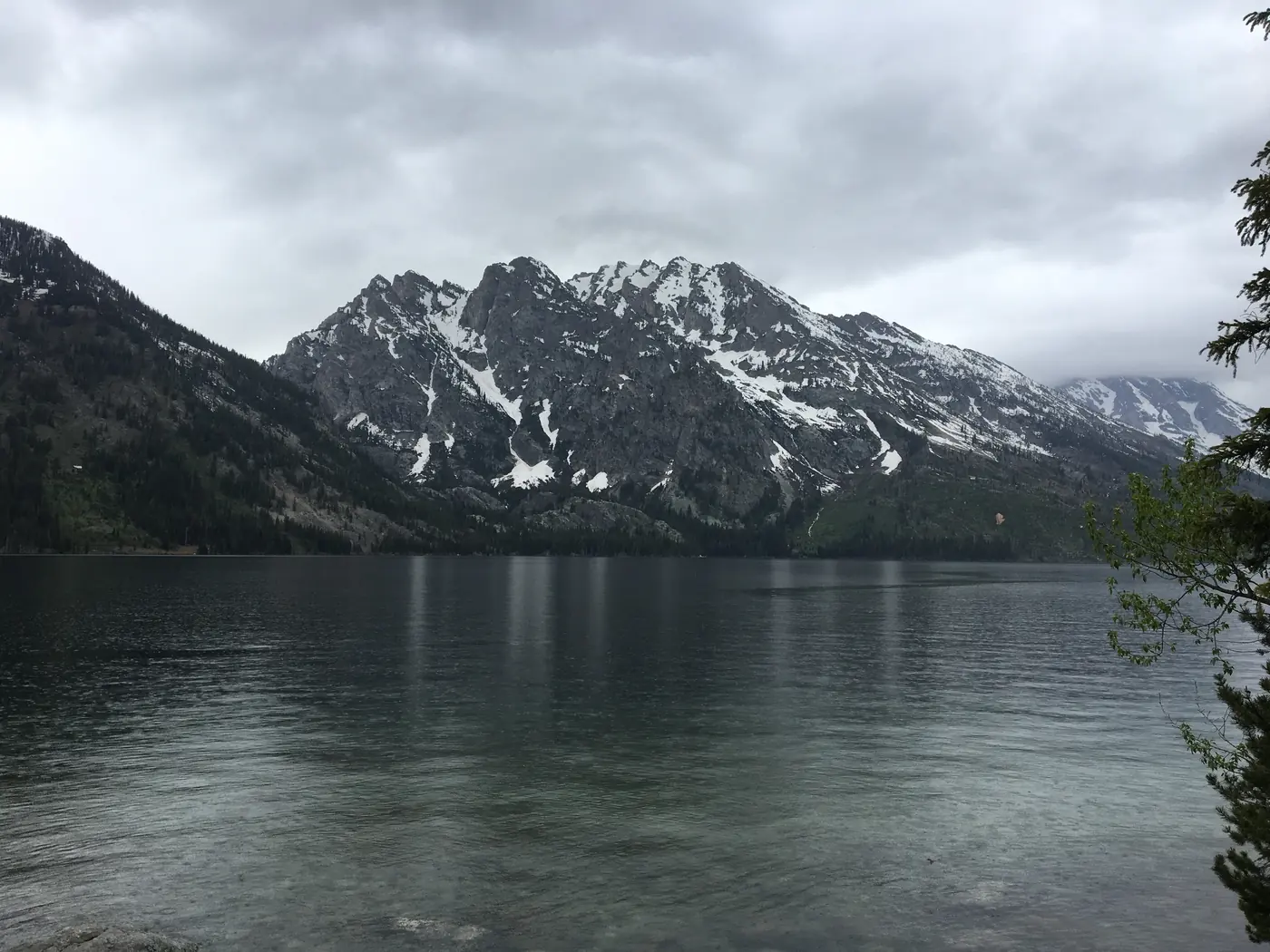
Yellowstone became the world’s first national park in 1872. It sits on top of a supervolcano, and that heat underground feeds more geysers and hot springs than anywhere else on Earth. Old Faithful erupts roughly every hour and a half. Grand Prismatic Spring is a pool so large and so colourful, in rings of blue, green and orange, that it looks fake from above.
Just south of it, the Grand Teton range rises straight out of the flat valley floor with no foothills in front, which is why it photographs so well. Jackson, the cowboy town at the bottom, is the base for both.
Utah: why does one state have 5 national parks?
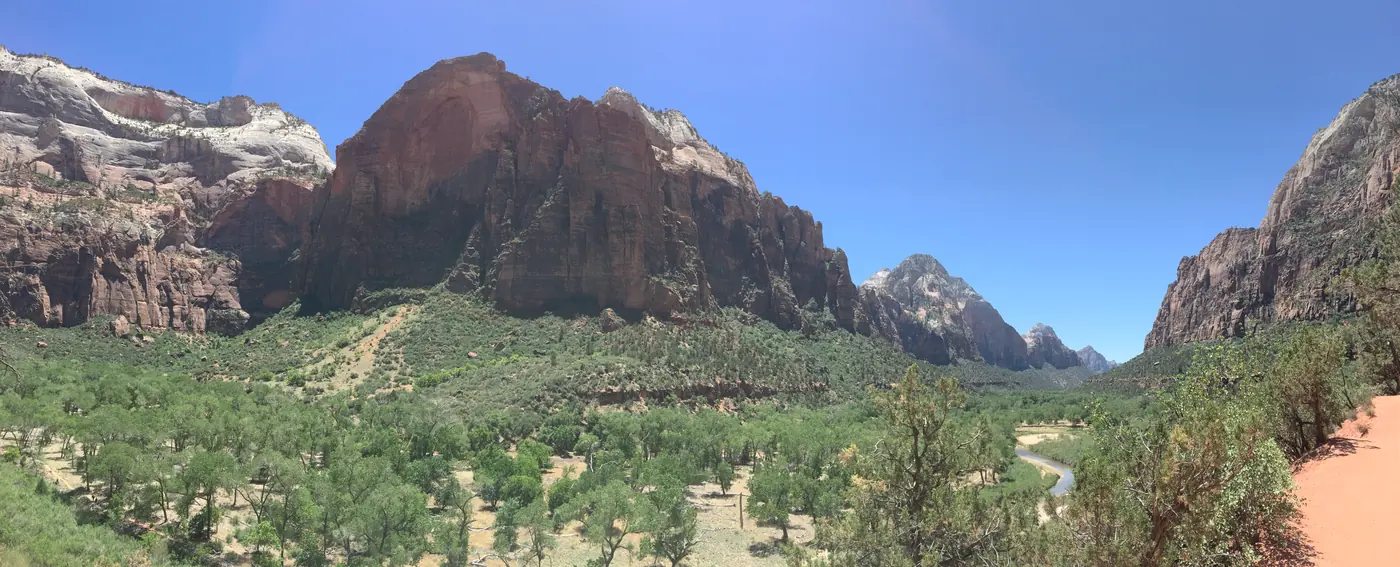
This was the densest stretch of the whole trip. Utah has 5 national parks, and the route went through all of them.
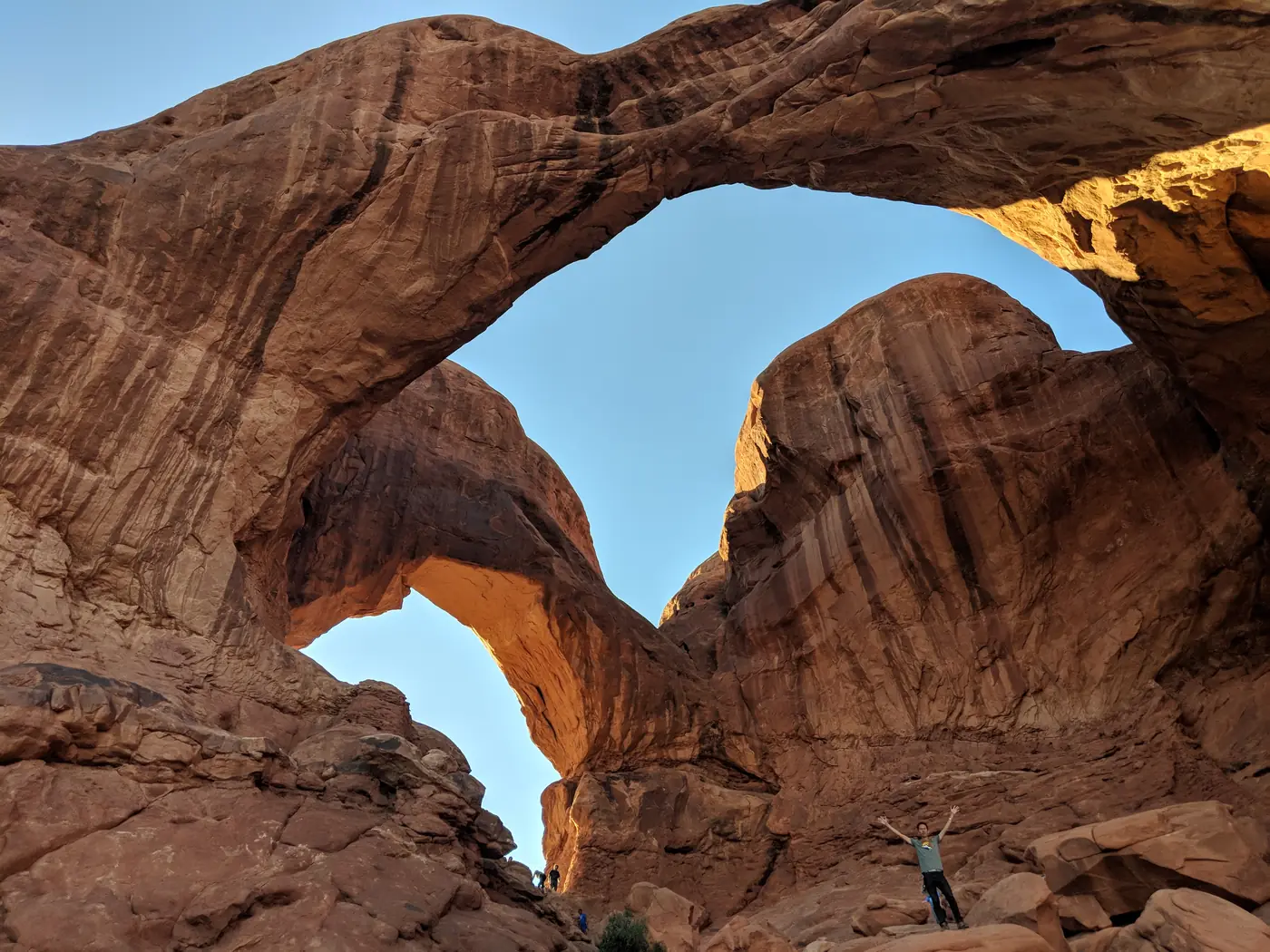
Arches has over 2,000 natural stone arches, the most famous being Delicate Arch, the one on Utah’s licence plates. Canyonlands is the big view, a maze of canyons cut by the Colorado and Green rivers. Capitol Reef is the quiet one, built around a 160 km wrinkle in the Earth’s crust. Bryce Canyon is a giant amphitheatre packed with orange rock spires called hoodoos. And Zion is a deep red canyon you look up at, rather than down into. It is also the busiest of the 5.
Arches is one of the photos I picked for my travel log.
Arizona: what is it like to go back to the Grand Canyon after 10 years?
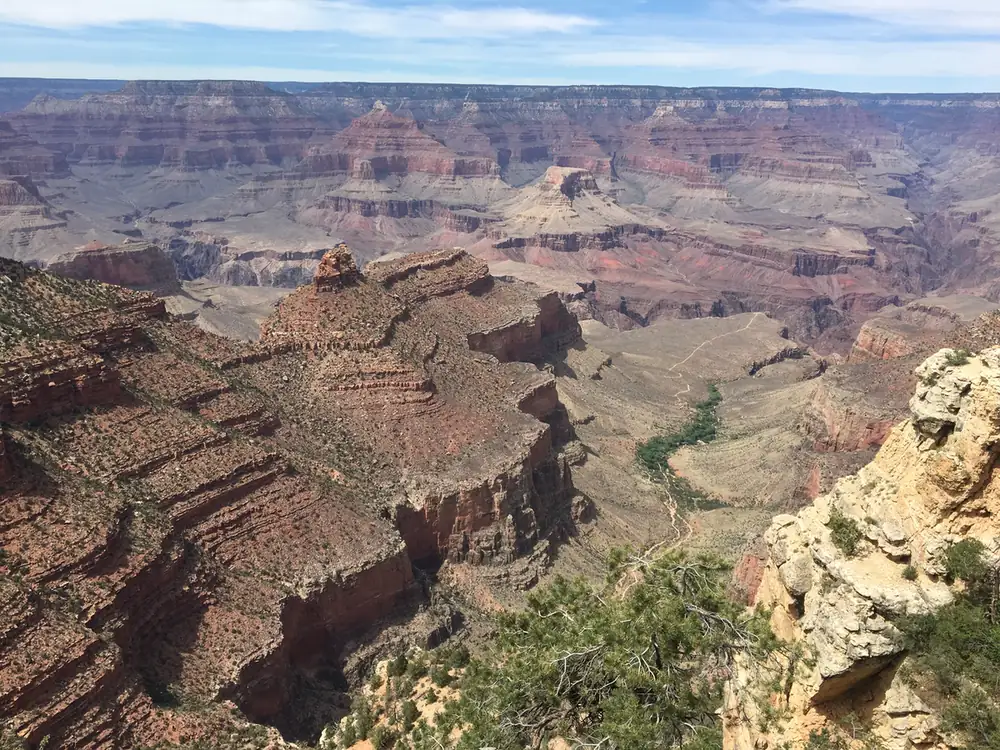
In 2008, I spent about 3 months working at the Grand Canyon’s South Rim on a university work-and-travel programme. On my days off I hiked, and once did the whole rim-to-rim trek, which ended with a 3-hour climb out at dawn straight into a work shift.
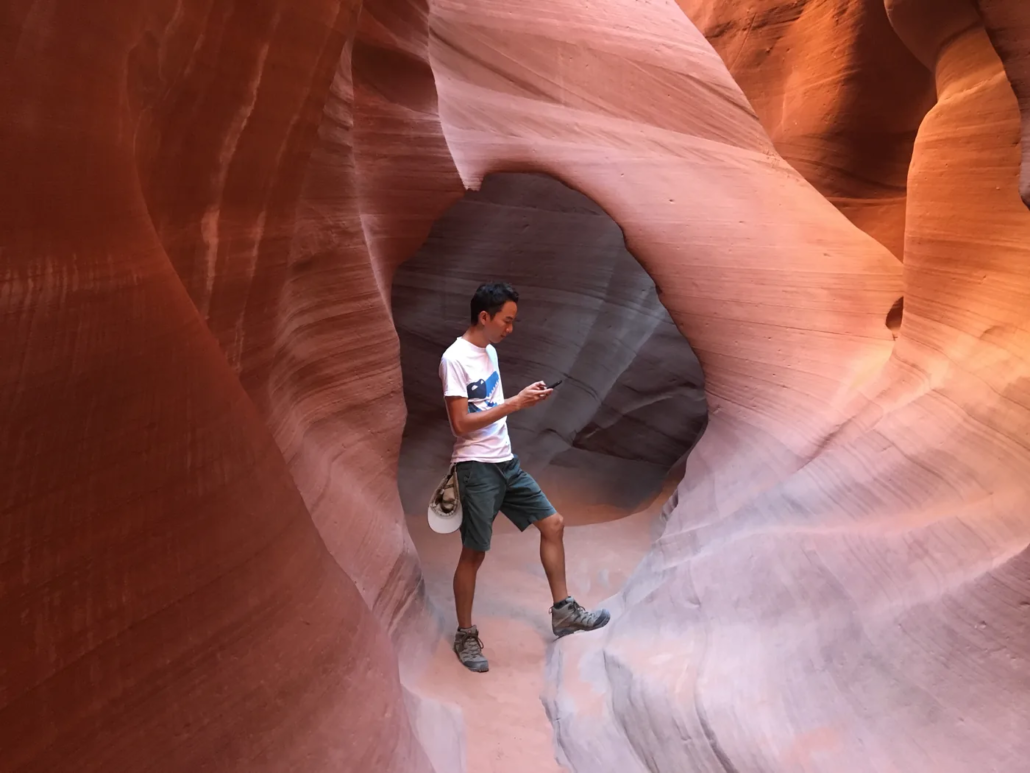
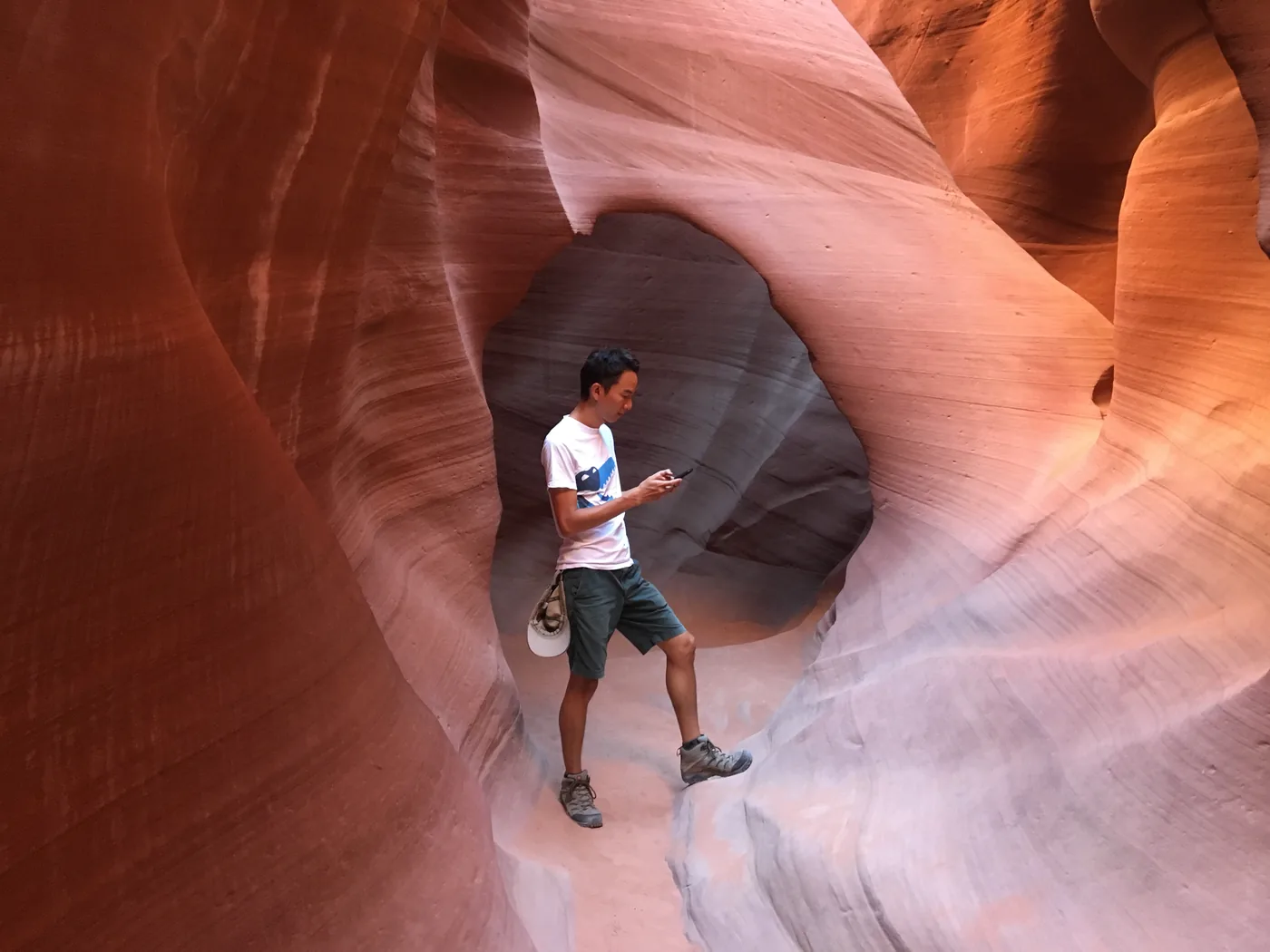
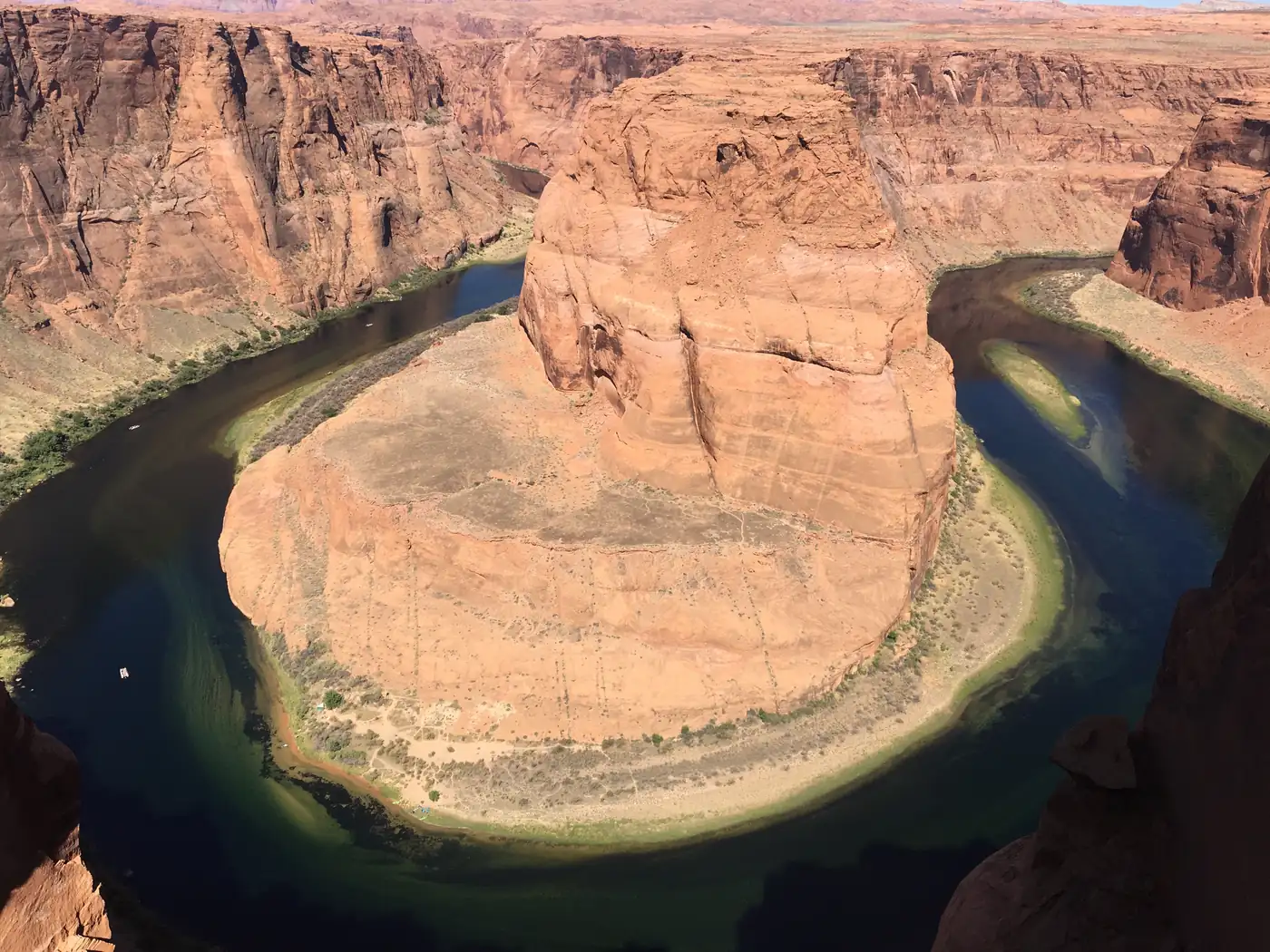
Two more Arizona stops sit a couple of hours away. Page is the base for both. Antelope Canyon is a slot canyon on Navajo land, so narrow you walk through it single file, with sandstone walls that glow orange when the sun gets in from above. It can only be visited with a Navajo guide. Horseshoe Bend is a short walk from the road to a cliff edge, where the Colorado River curls in a perfect loop about 300 metres below.
Antelope Canyon is another of my travel log picks.
Death Valley, Yosemite and Lake Tahoe: how different can one state be?
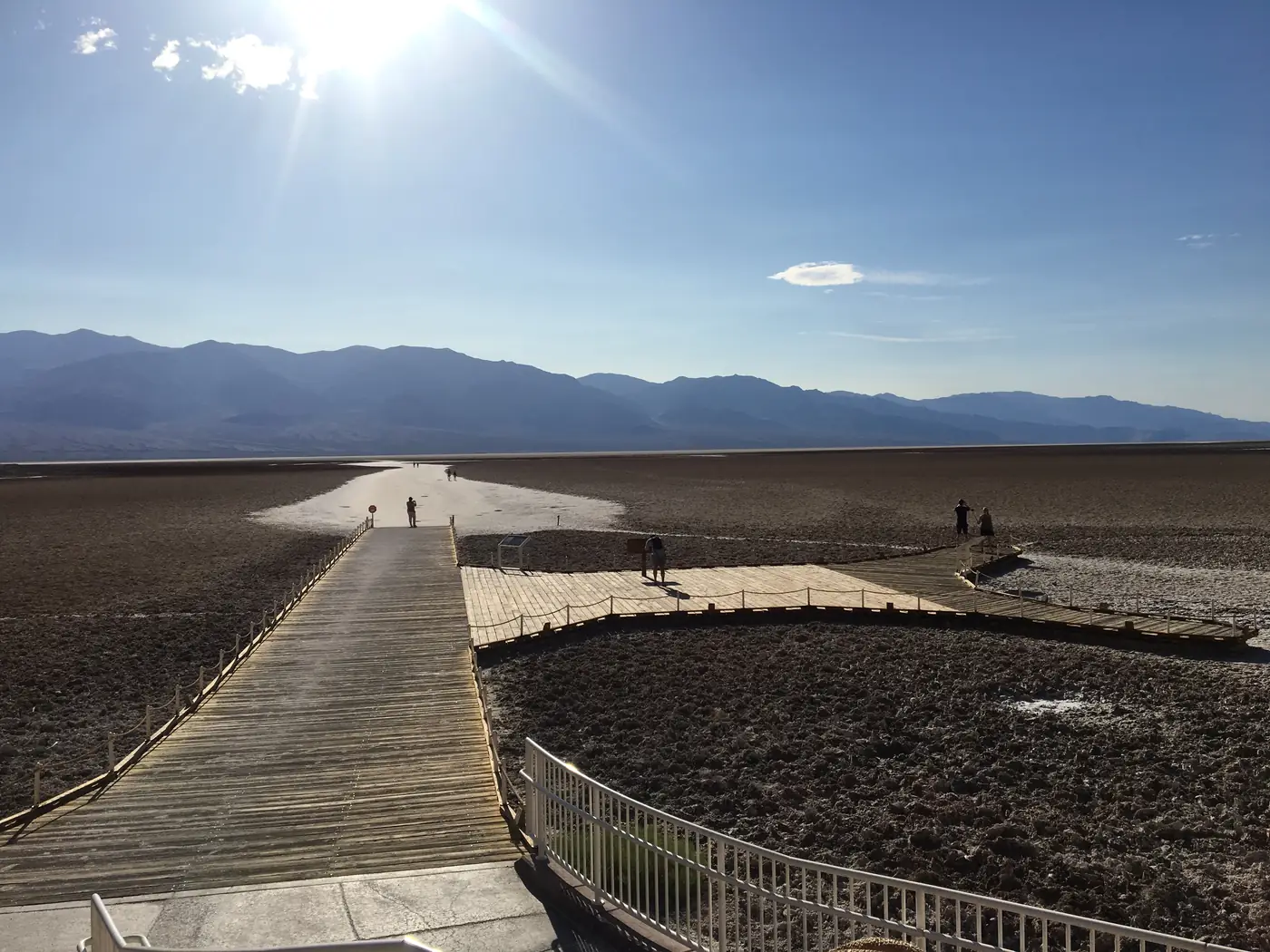
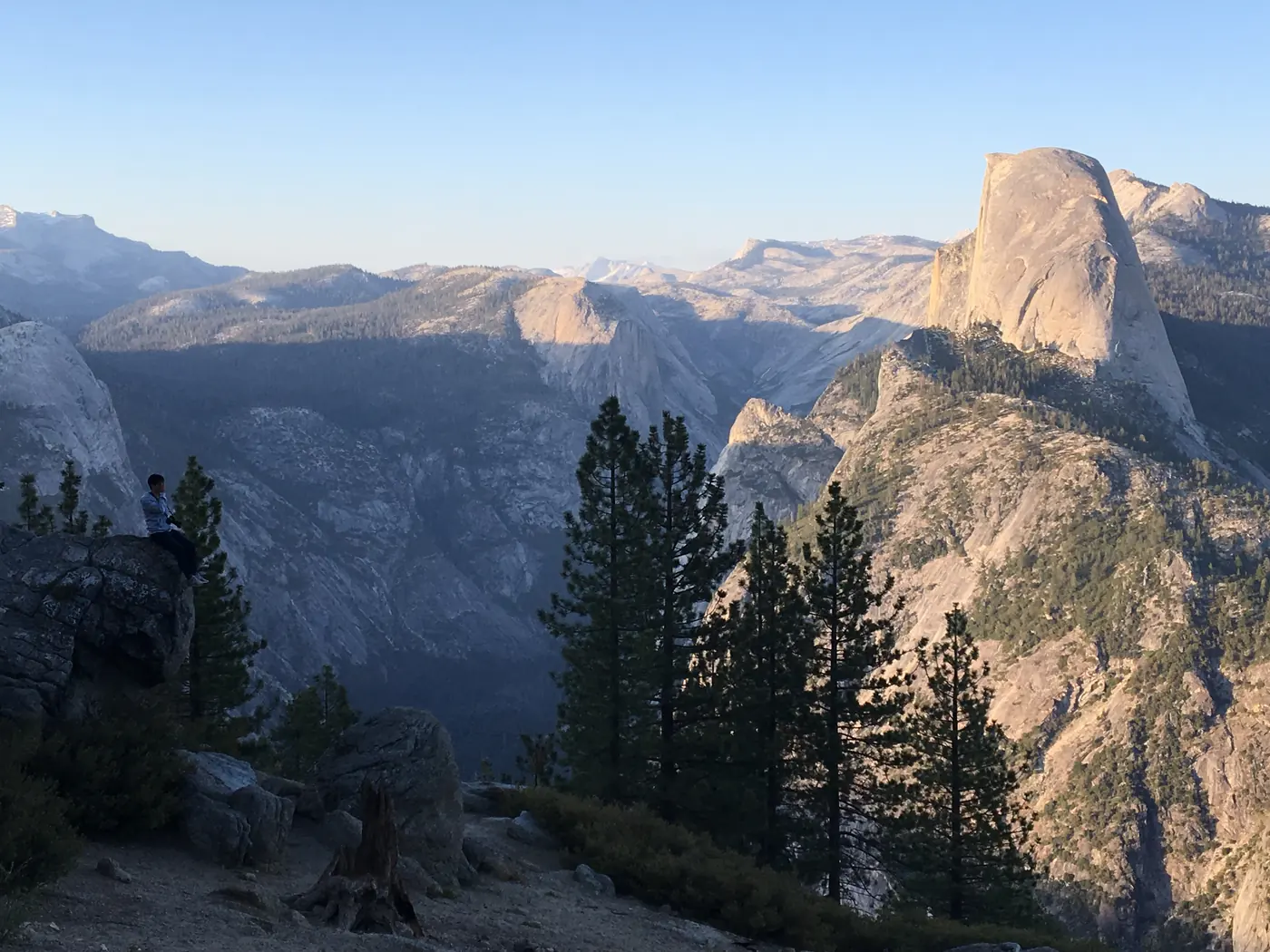
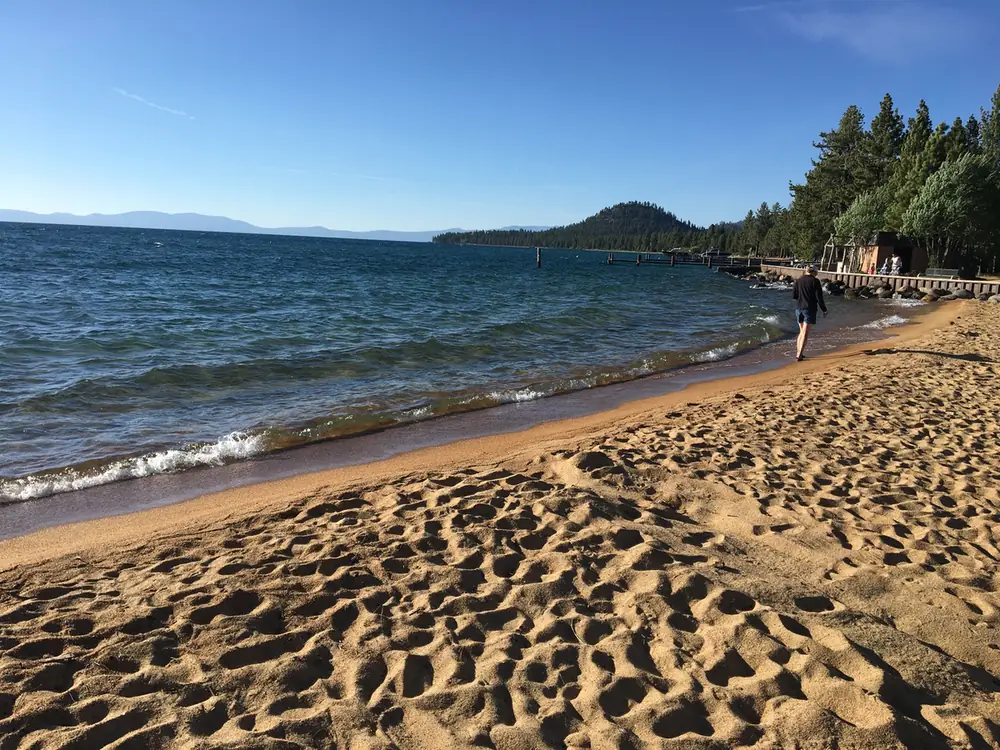
California held both extremes. Death Valley holds the record for the hottest air temperature ever measured, 56.7°C in 1913, and its Badwater Basin sits about 86 metres below sea level. A few hours’ drive away, Yosemite has granite cliffs like El Capitan and Half Dome rising almost a kilometre above the valley floor, and Lake Tahoe is a clear blue alpine lake on the Nevada border.
What about Mount Rushmore and Devils Tower?
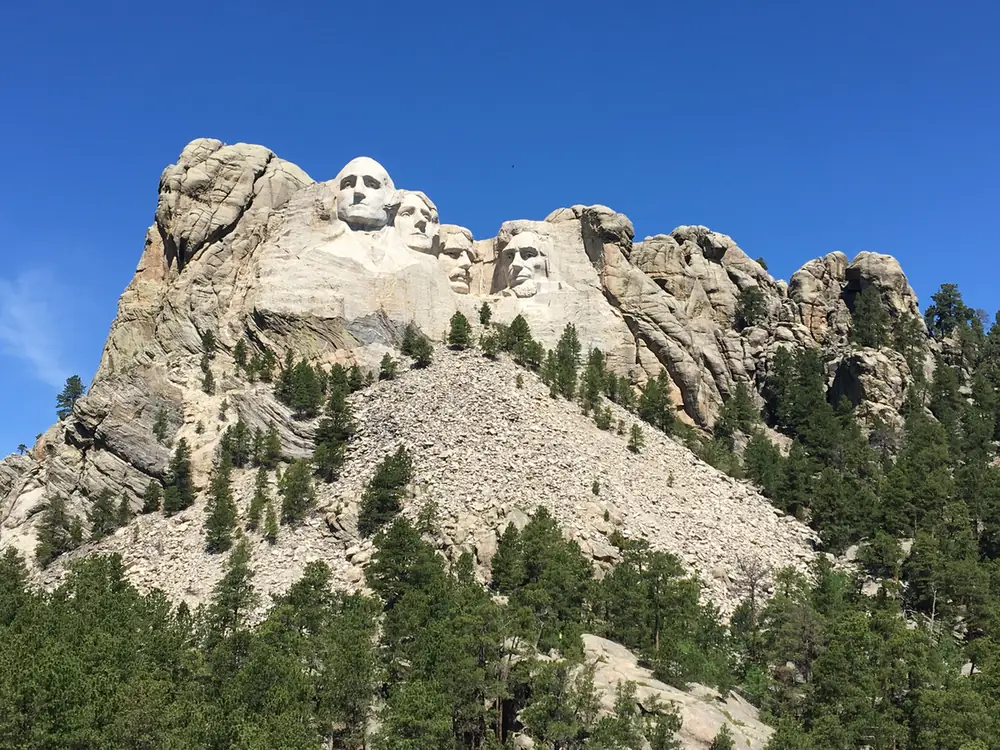
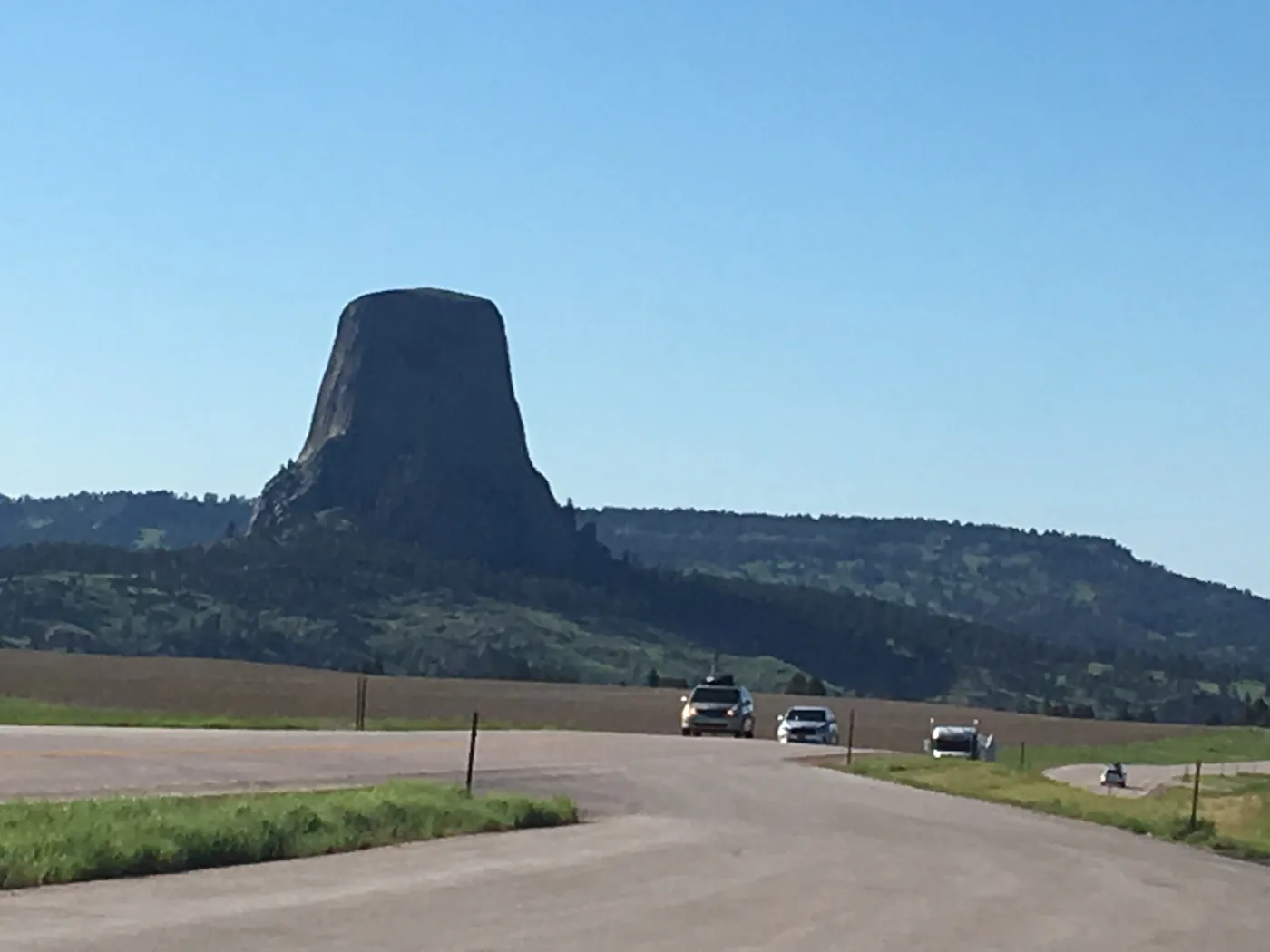
These two are a long detour from everything else, out in Wyoming and South Dakota. Devils Tower is a huge column of rock rising out of the plains, and in 1906 it became the first national monument in the US. Mount Rushmore has the faces of 4 presidents carved into a granite cliff, each one about 18 metres tall.
And Silicon Valley, Texas and Canada?
The trip started in San Francisco and Silicon Valley.
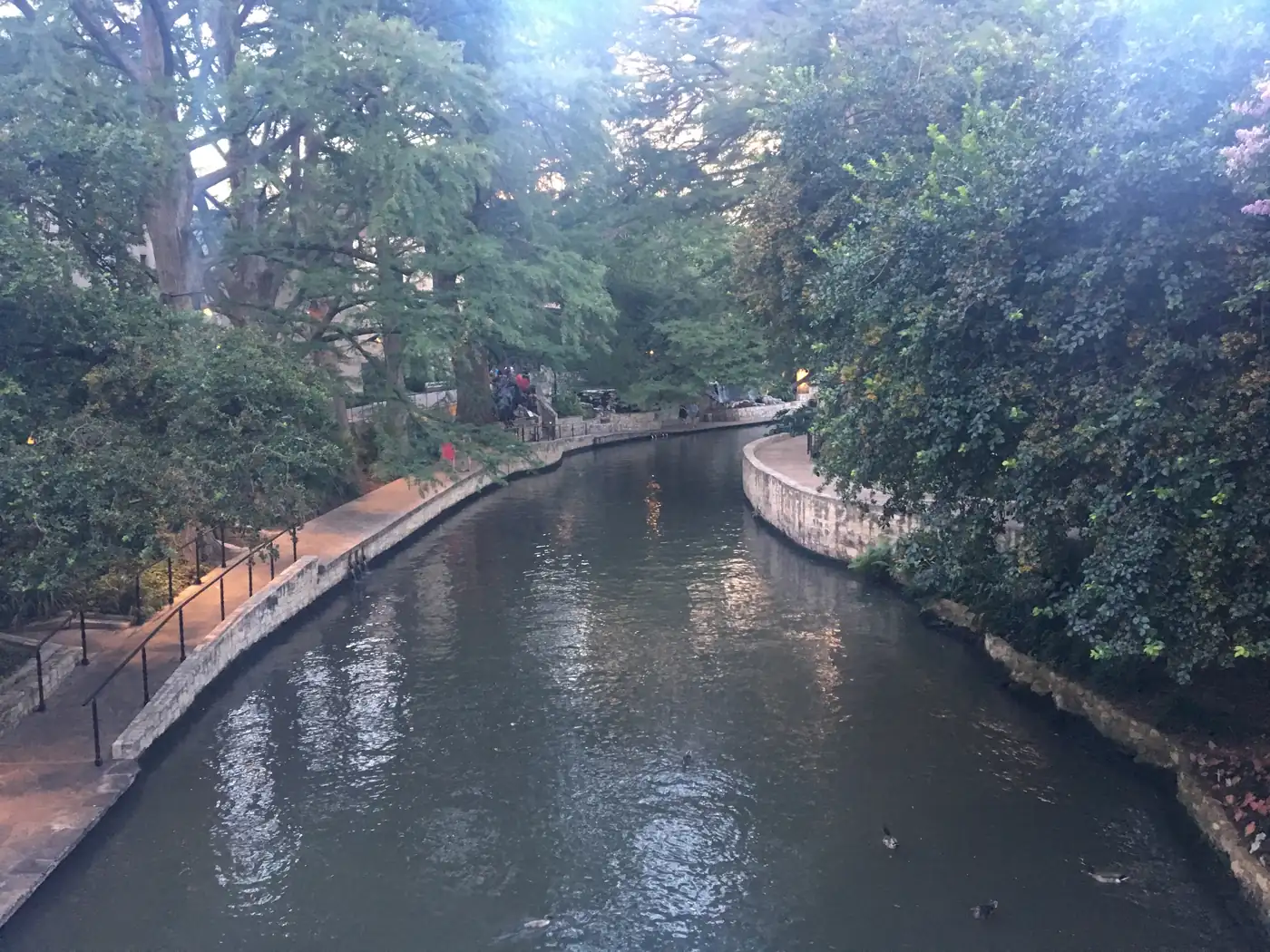
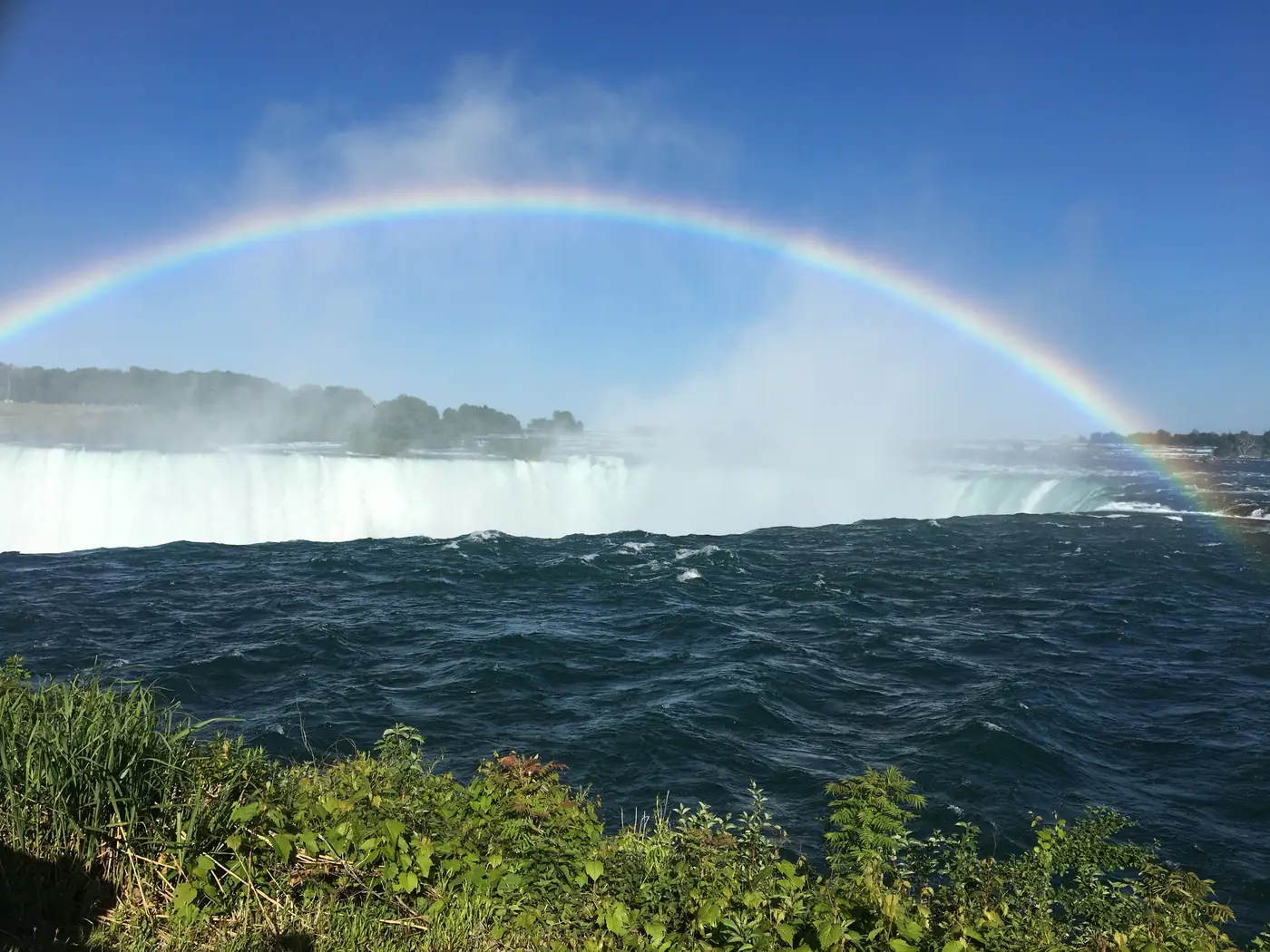
It ended in Texas and Canada. San Antonio has the Alamo and the River Walk, Austin is the music and tech city, and Fort Worth still runs cattle drives through its old stockyards. Up north, Niagara Falls was one of the photos I chose for my travel log, and Toronto was the city base for it.
How did the trading fit in?
The same way it always does, in about 15 minutes a day.

That routine is the reason a month on the road is possible at all. I wrote up how it works, the watchlist, the alerts and the time zones, in how I trade while travelling.
What is worth knowing before a national parks road trip?
If you are planning a national parks road trip, a few things are worth knowing. One annual pass, America the Beautiful, covers entry to every national park, which pays for itself within a few parks. Antelope Canyon tours book out, so reserve them early. And Death Valley in summer is dangerous, so go early in the day and carry far more water than you think you need.
In 2015, I spent another month on the road, through the US, Mexico and Cuba, if you want the other half of the story.
Have you done a road trip through the American West? Which park would you put first? Let me know in the comments.
All my other trips are on the travel log, country by country, and more photos are on Instagram, @iamrecneps.
Want the daily routine? Enter your email for the free 15-Minute Swing Trader's Checklist.
Free 5-page PDF, then occasional trading emails. Education only, not financial advice. Unsubscribe anytime. Kit stores your email in the US: see our privacy policy.
Want to learn the full method? The Trading Mastery Program teaches the 4 strategies I have traded since 2011. It suits beginners and experienced traders.
Rather follow the trades as they happen? Daily Trading Signals is our Telegram channel: my trade ideas with entry, stop and exit, and every trade is public.
Questions about this post? Ask in the free Telegram channel →
Educational content only, not personalised financial advice. Trading carries risk, including loss of capital. Past performance is not indicative of future results. Synapse Trading is not licensed or regulated by MAS.

