

Hokkaido Road Trip: 15 Days, 1 Rental Car and What We Actually Ate
Want the daily routine? Get the free 15-Minute Swing Trader’s Checklist. Get it free →
I turned 40 in an onsen by Lake Toya, in the rain, on a 15-day road trip around Hokkaido in July 2026.
We flew into Sapporo, picked up our rental car, and drove a loop through Lake Toya, Hakodate, Jozankei, Furano, Otaru and the Shakotan peninsula. Before we left, I did what I always do. I built a research file for every stop, with ranked lists of the best seafood bowls, soup curry, ramen and lamb barbecue on the route. Then the trip happened.
So this is the Hokkaido that actually happened, stop by stop, with the meals that earned a place on my final list.
Why Hokkaido, and why by car?
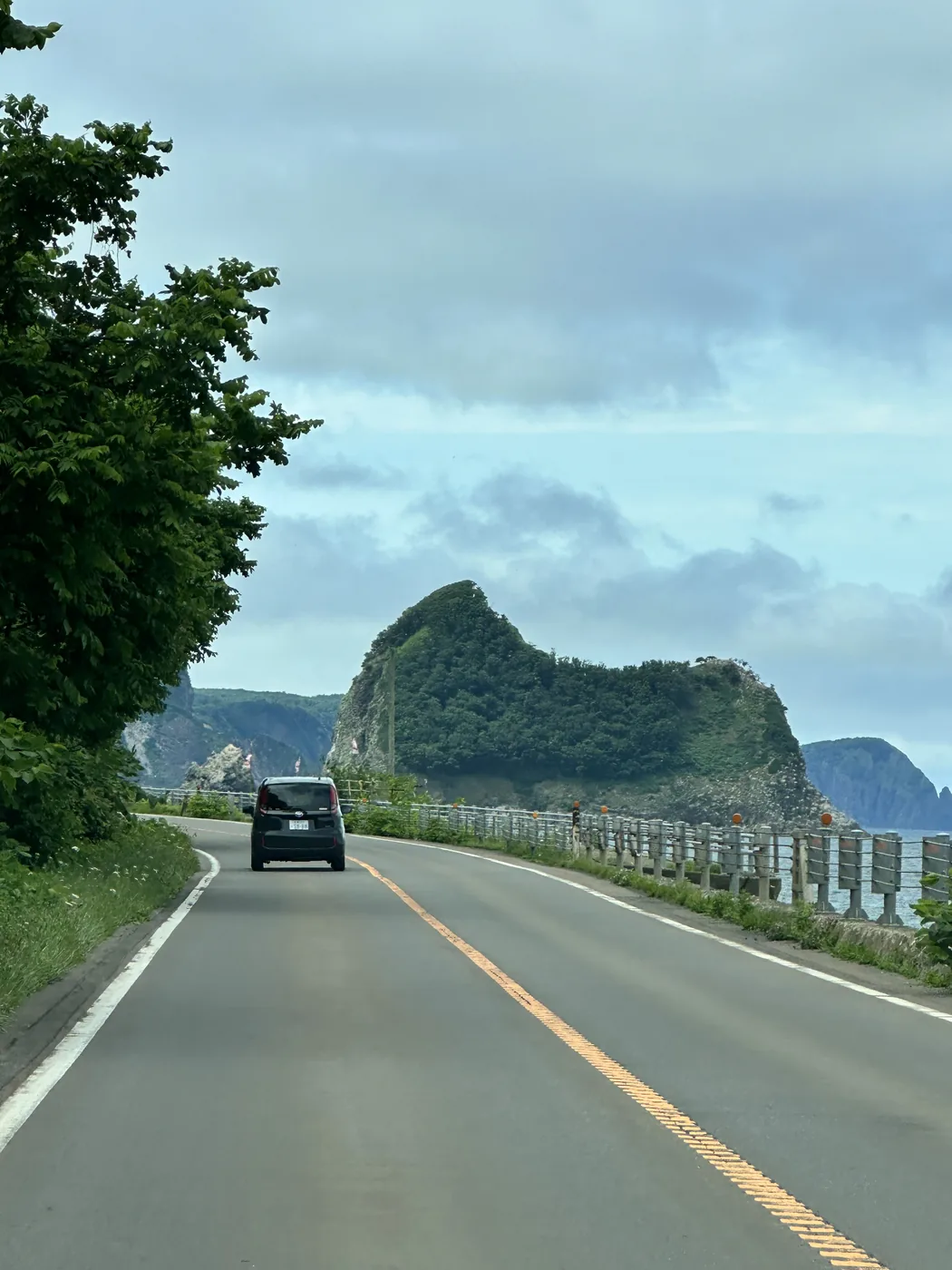
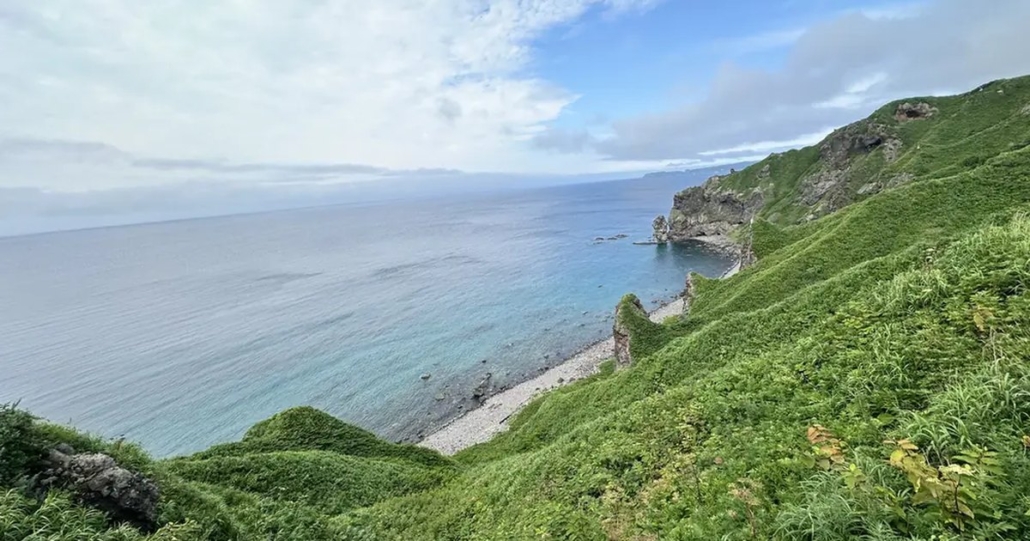
Hokkaido is Japan’s northern island. In July it is cooler than most of Japan, the lavender is out around Furano, and the sea urchin (uni) is in season. The sights are spread far apart, and many of them sit well away from a train line, which is why we drove.
The last time I wrote about Japan was in 2013, after a trip through Kyoto, Hiroshima, Kobe, Fukuoka and Osaka. This one was slower, further north, and built almost entirely around food.
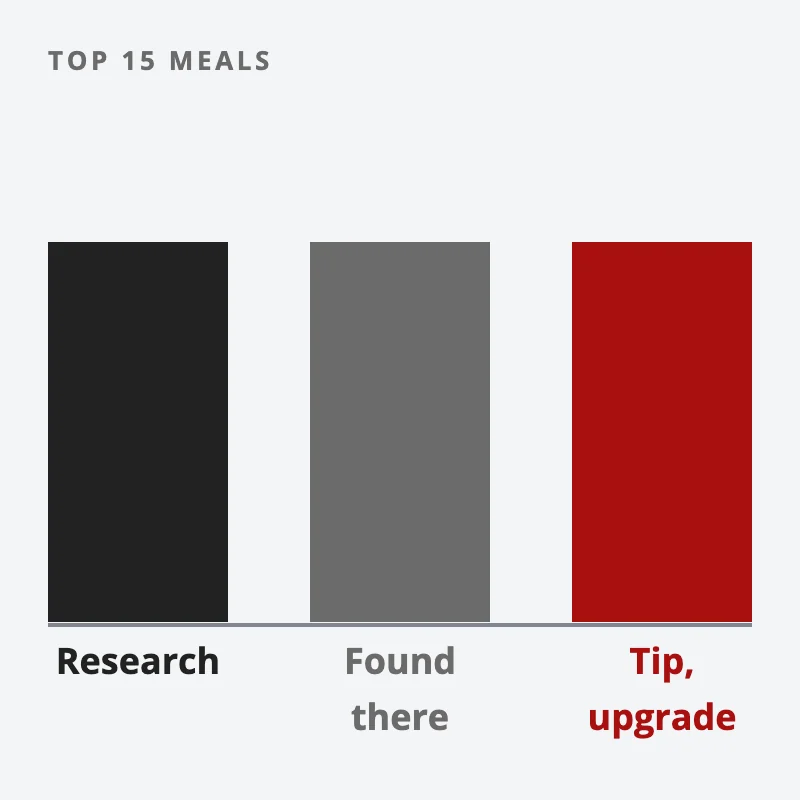
I logged 35 meals on this trip, and at the end I picked my 15 favourites. About a third came from my research, about a third were places we found on the spot, and the last third came from a hotel upgrade or a local’s tip. Research and luck finished in a dead heat.
Sapporo: is the soup curry worth it?
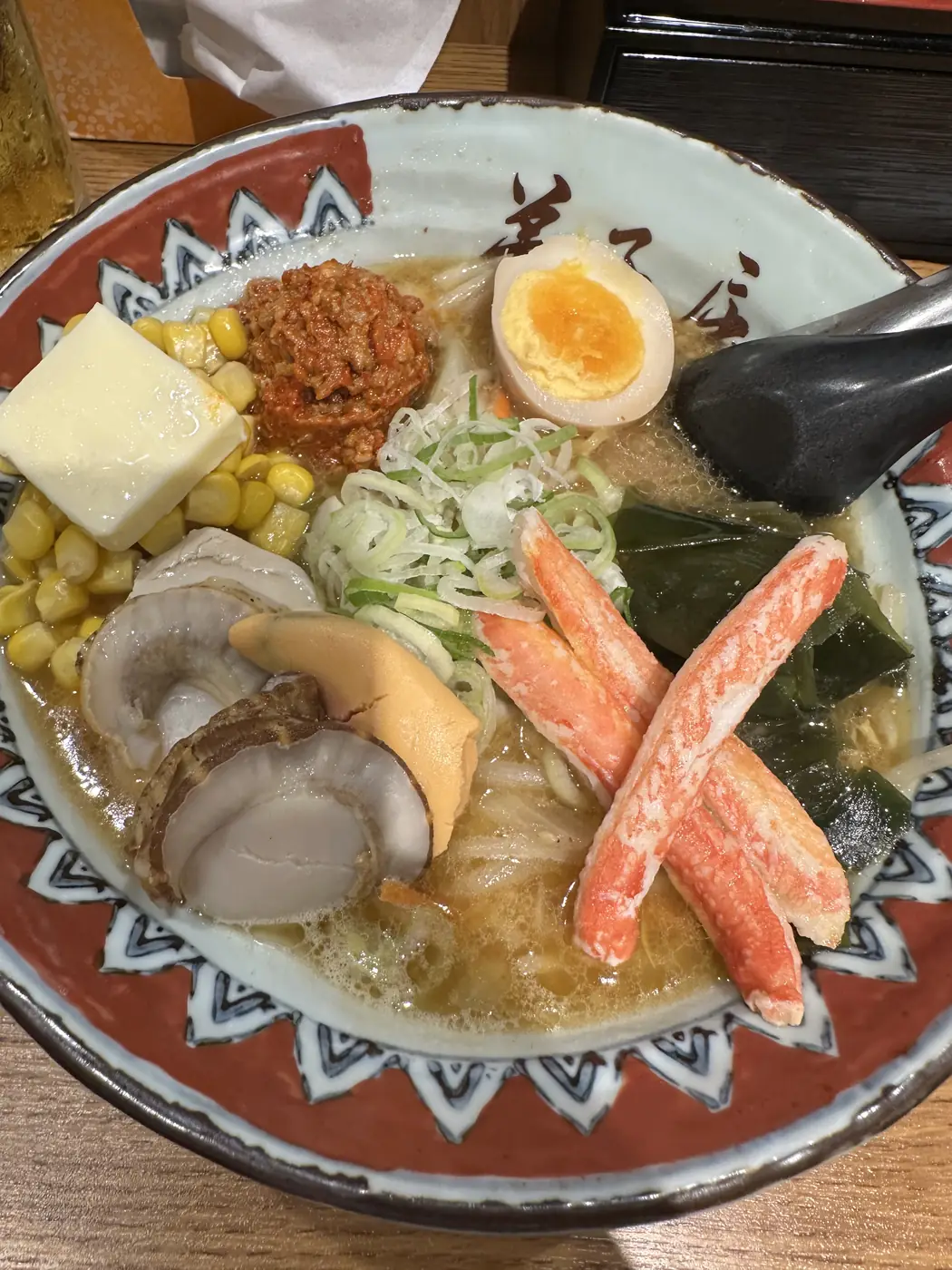
Our flight landed about an hour late, and collecting the car took another hour, so every plan for the first night went out of the window. We got a late dinner at Meshiya Kodo instead, which was very good, and a Penicillin at Cocktail Bar Harada, which was average. Bed was around 3am.
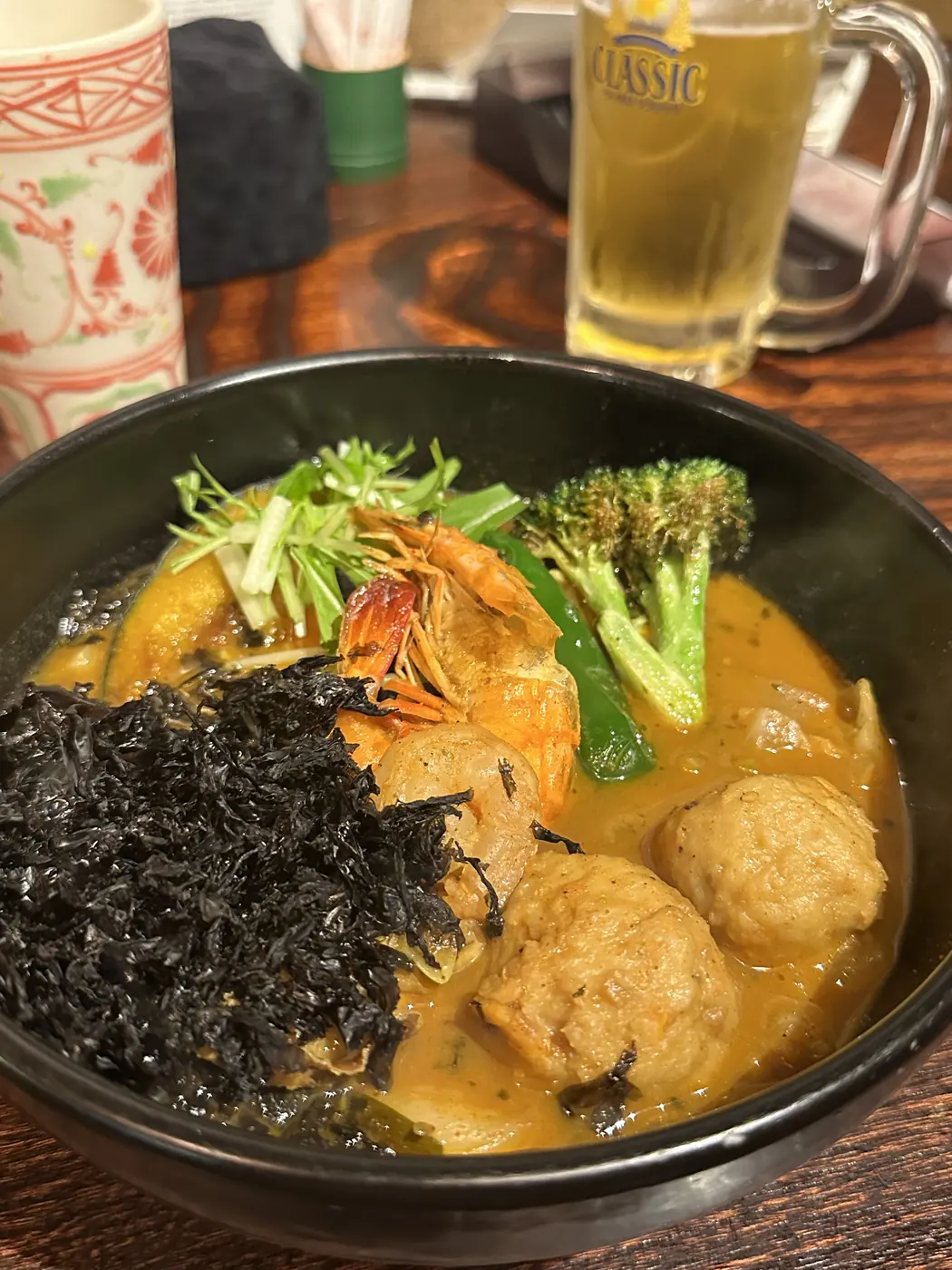
That first dinner ended up on my final list. So did the next day’s lunch, Soup Curry Okushiba near Sapporo Station, which was excellent. Soup curry is Sapporo’s own dish, a thin spiced broth with whole vegetables and a chicken leg, eaten with rice on the side.
That night we queued about an hour for Teshikaga Ramen at 9.30pm, and it made the list as well. Three meals in, three on the final list.
Lake Toya: what do you do when it rains on your 40th?
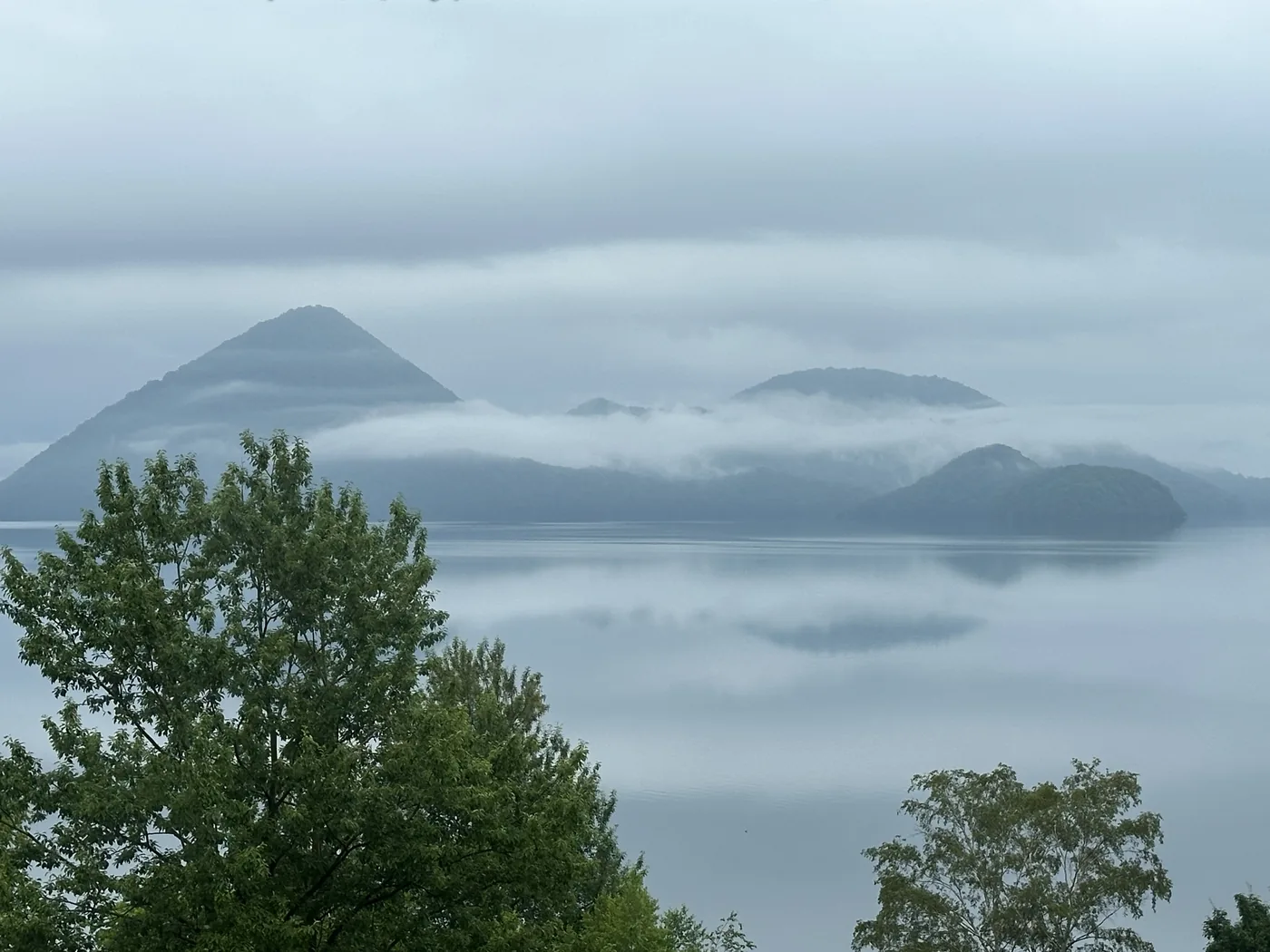
We drove south to Lake Toya on day 3 and skipped the Ainu museum (Upopoy) on the way. We checked in at our hotel around 6.30pm, about 4 hours later than planned.
Then it rained. It rained on my birthday, and it rained the day after. The plan had a champagne sunset, a cruise on the lake, Noboribetsu’s Hell Valley and the ropeway up Mt Usu, and the weather took all of it. Noboribetsu sits at number 3 on my own ranked list of Japan’s best onsen towns, and we never got there.
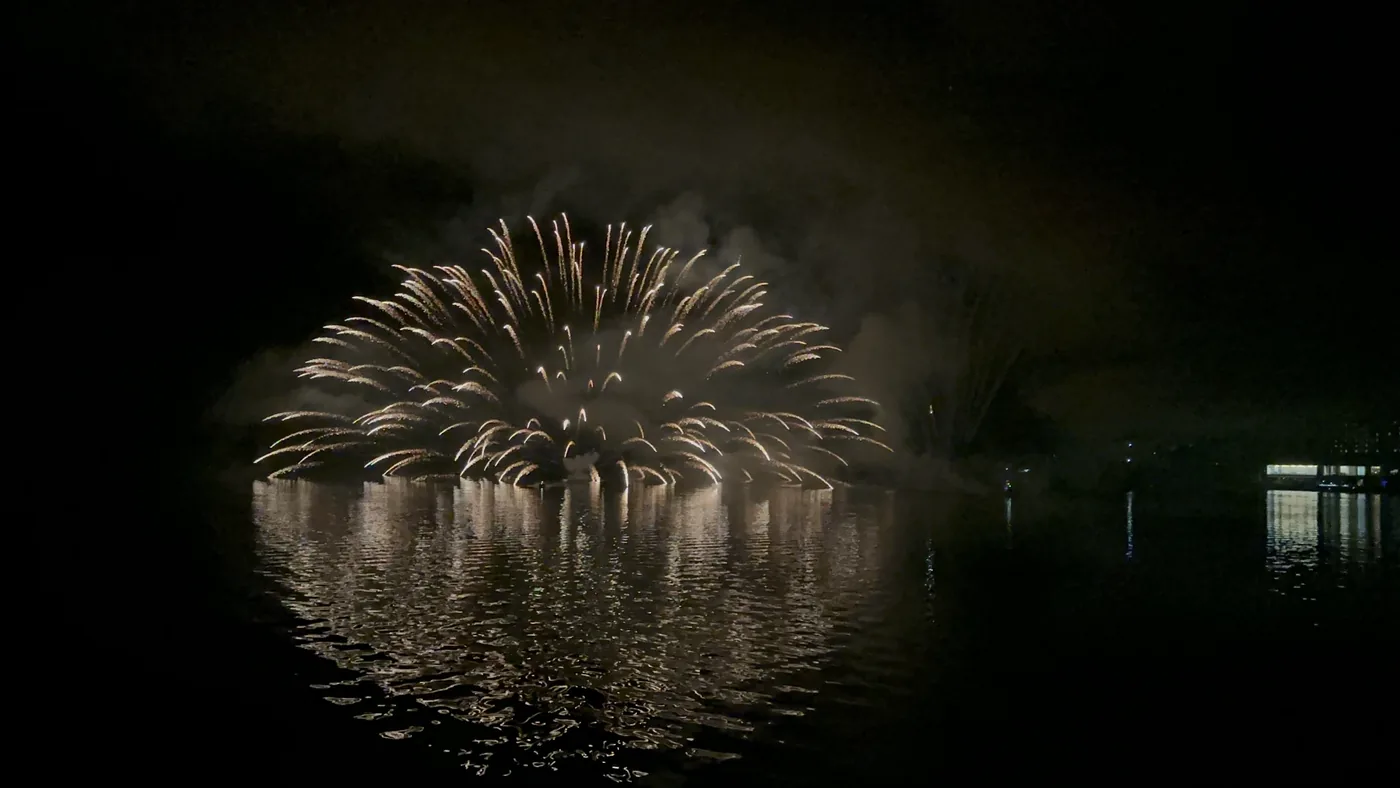
What we did instead was soak in the cypress tub in our room, nap, swim, and then take a shuttle and a boat out onto the lake for the fireworks at 8pm. On day 5, we upgraded dinner to teppanyaki, and it was the best meal of the trip up to that point. I even got some work done.
Hakodate: how much uni can two people eat?
The drive to Hakodate was meant to include a quick stop at Fukidashi Park, 30 to 45 minutes. We spent 2.5 hours there in the rain, with a coffee parfait and a raindrop cake, then drove to Milk Kobo, a farm dairy near Niseko, where the chocolate soft serve made my final list. We reached our ryokan in the Yunokawa onsen area at 7.30pm.
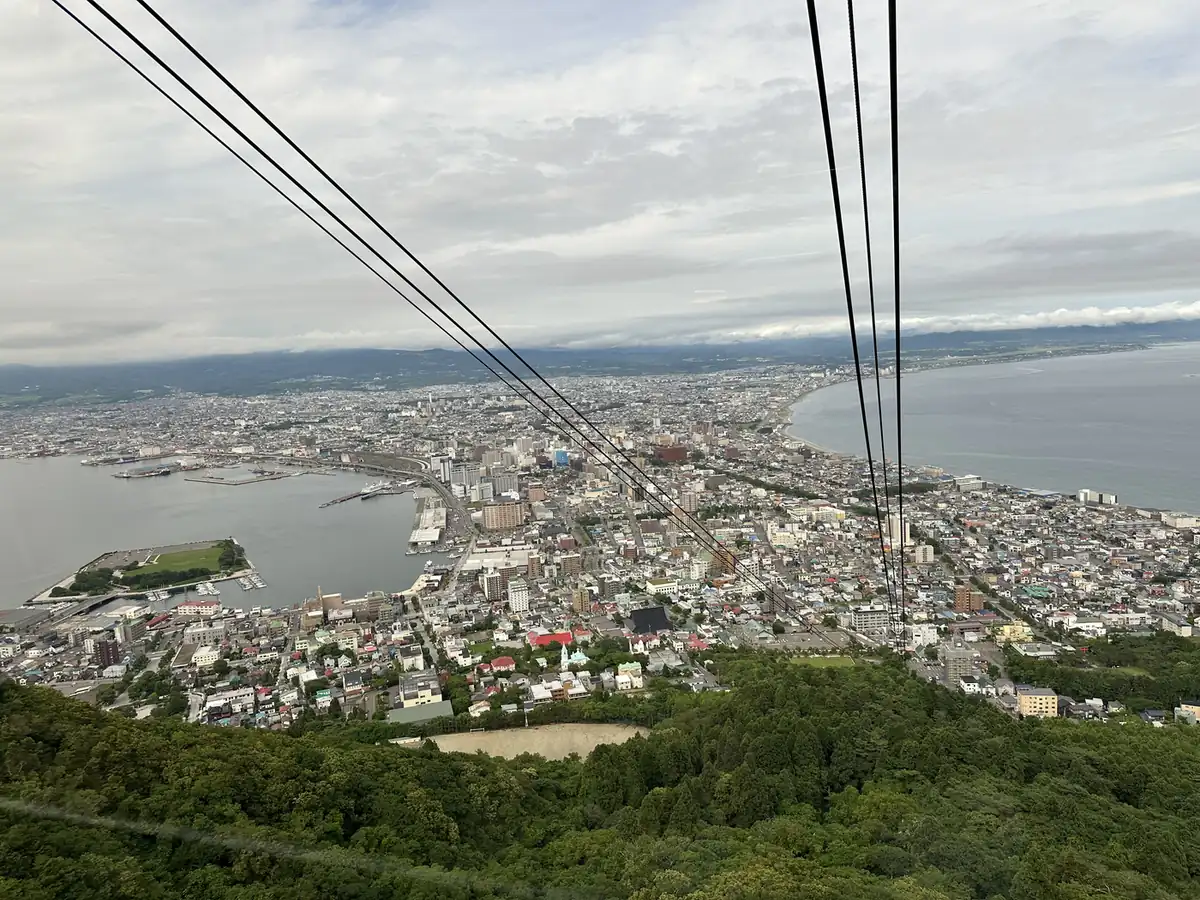
The Hakodate days were my wife’s to plan. On day 7 we walked the old churches of Motomachi, took the ropeway up Mt Hakodate in daylight, and sat down for a 12-course omakase at Sushi Kihara, which made the list. Then we went back and ate the ryokan’s kaiseki as well. 2 dinners, 1 night.
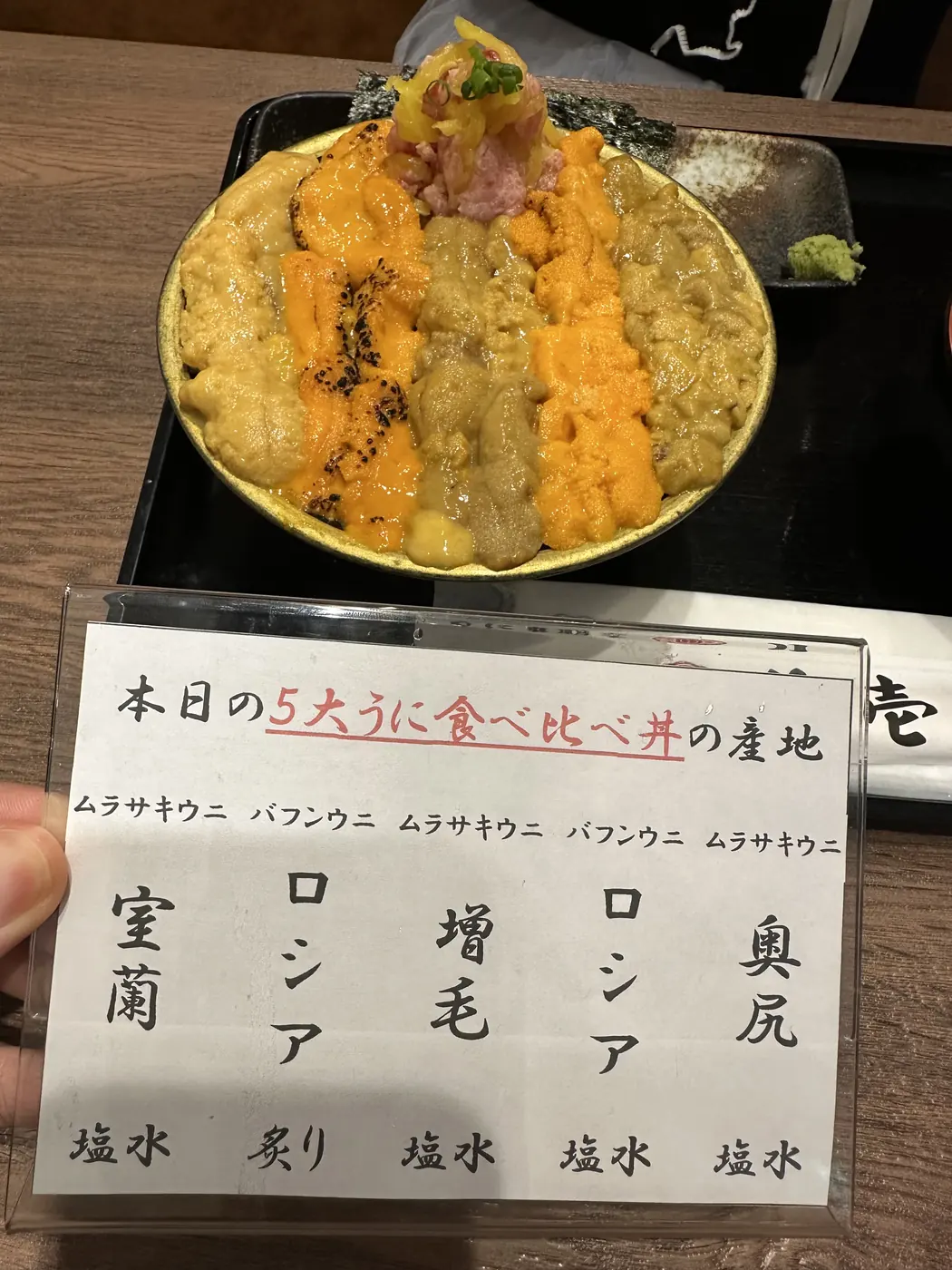
The next day started with an uni brunch at Yoichiya in the morning market, 5 kinds of uni in one sitting. Then musk melon, a pumpkin soft serve at the Kanemori red brick warehouses, and a mocha soft serve at Hakodate Misuzu, a coffee roaster that has been going since 1932. That night’s kaiseki was the best hotel dinner of the trip so far, and the night ended with cocktails by the pool until 11.30pm.
Personally, I learnt something about kaiseki on this trip. Every kaiseki dinner was good, and after about 8 of them, none stood out. Next time I would cap it at 2 or 3 in a row and spend the difference on a restaurant worth the drive.
Furano: why did I check everything except the closing time?
On day 9 we stopped at Onuma for its famous dango from Numa no Ya, and at Lake Hill Farm for a milk soft serve with a shiso sorbet. Both made the list. That night, in the onsen town of Jozankei, we walked the Summer Lanterns path after dinner.
The next day we detoured back through Sapporo for lunch at Nemuro Hanamaru, a sushi place with a queue ticket system. We shopped for about 1.5 hours while we waited, and the sushi was very good. Dinner in Furano was at Kumagera, a hotpot and a curry rice, and the curry rice was the standout.
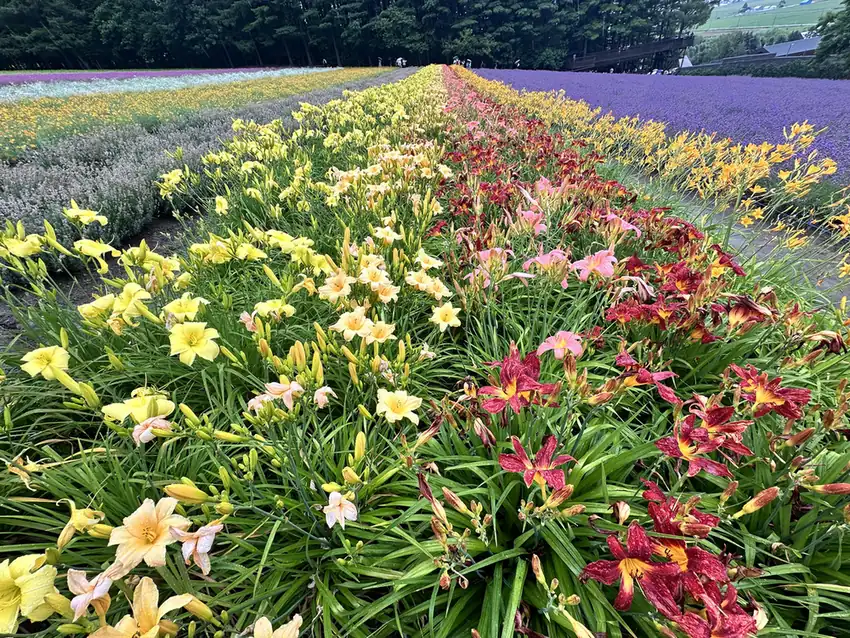
Day 11 was a photoshoot for the two of us. The photographers arrived at 2.30pm and we left at 4.30pm, about an hour late, for Flower Land Kamifurano. It closes at 5.30pm. We got about 30 rushed minutes inside, and took the rest of the shots in the car park. I had checked the map code for every stop on this trip, and I never checked when that one closed. We did get the sunset at Hinode Park, and wrapped at 7.45pm.
Day 12 was the egg pudding at Furano Délice (on the list), then Farm Tomita, the Blue Pond and Shirahige Falls. Dinner was okonomiyaki at Masaya. Very good.
Otaru and Shakotan: did the research win?
In Otaru, we stumbled on a Miffy store we had not planned for, and the sake brewery Tanaka Shuzo Kikkogura sent us home with a few bottles and a carafe set. Dinner at Masazushi’s original shop was very good. Afterwards we walked along the Otaru canal, which is the picture most people have of the town.
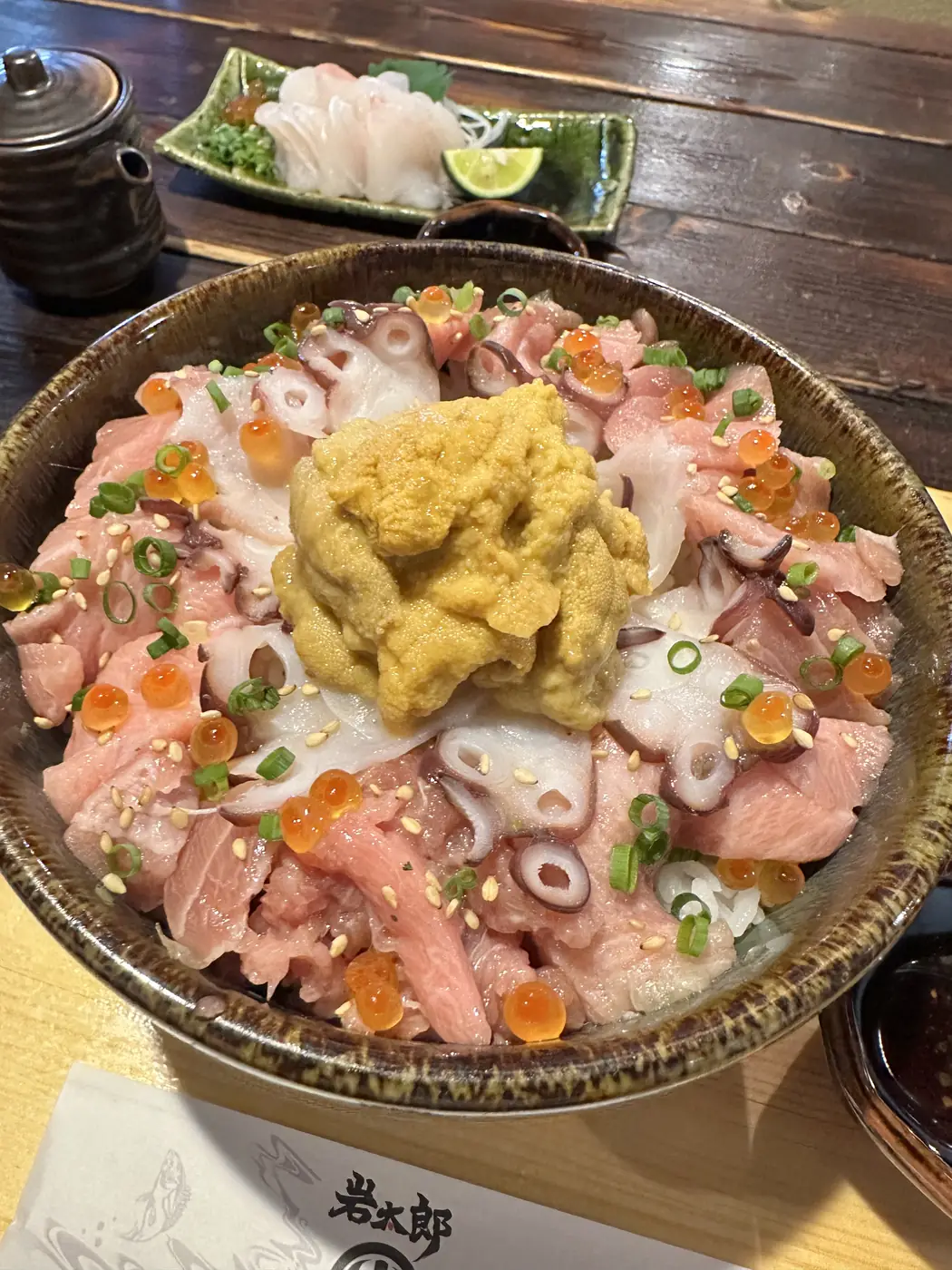
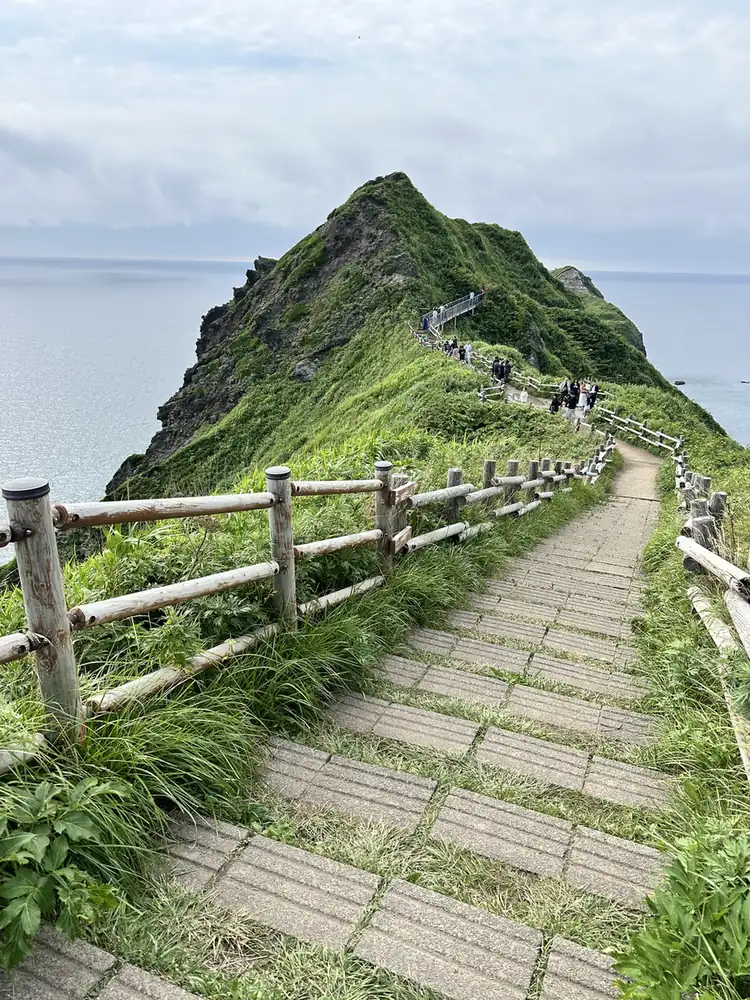
On day 14, my research said to skip Shakotan because of the weather and the crowds. We went anyway, because a bartender had tipped us off about a small uni shop called Gantaro, and his tip landed. After that we stopped at Kamui Farm, which we found on the road, and walked out to Cape Kamui. The last dinner was a 1-hour queue at Ramen Shingen’s original Hanakawa shop, which also made the list.
So the uni bowl on my final list from that day came from a bartender, rather than from my research file.
My 15 favourite meals, in the order we ate them
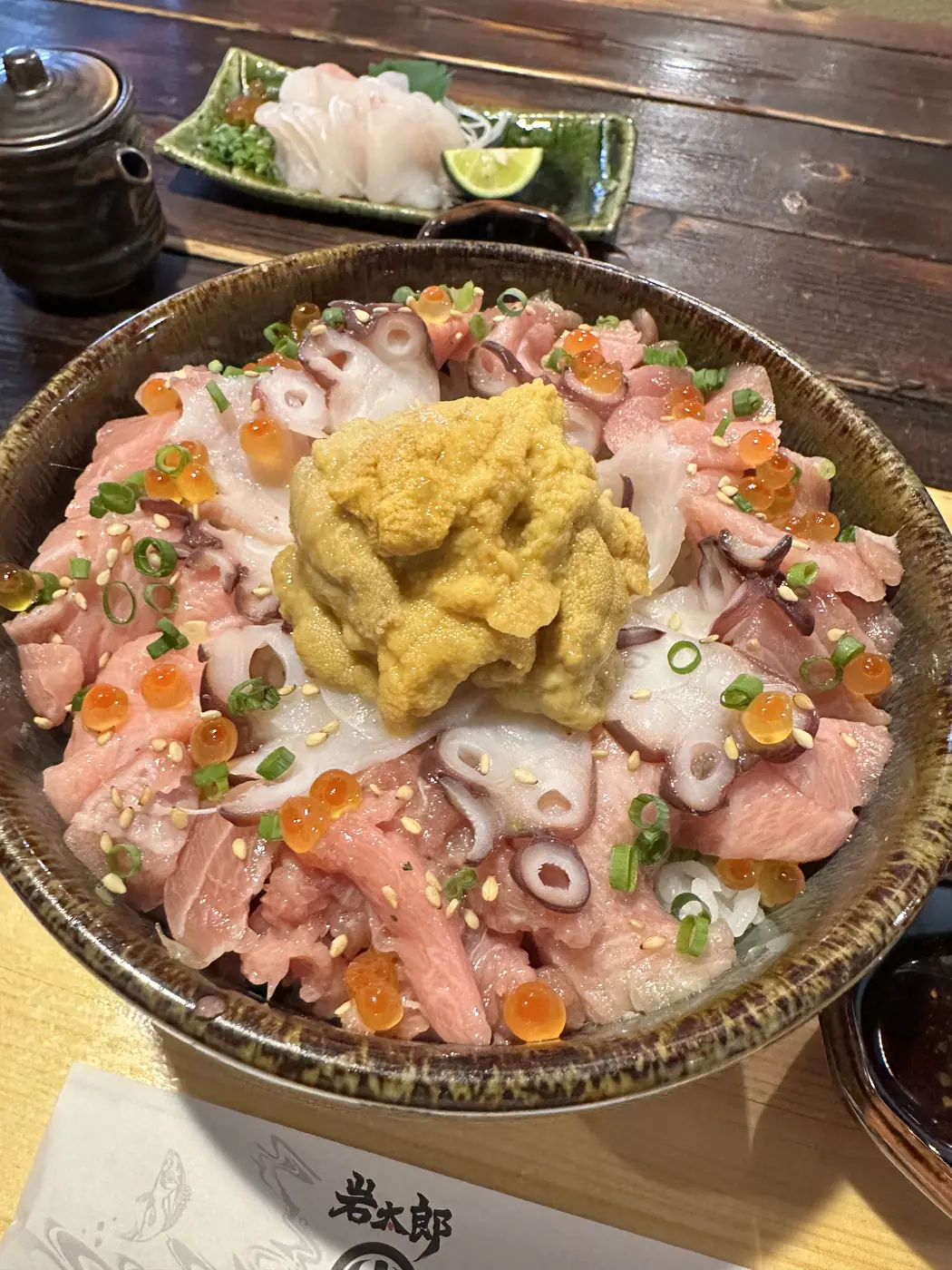
- Meshiya Kodo, Sapporo
- Soup Curry Okushiba, Sapporo
- Teshikaga Ramen, Sapporo
- The upgraded hotel teppanyaki, Lake Toya
- Chocolate soft serve at Milk Kobo, near Niseko
- Sushi Kihara omakase, Hakodate
- The 5-uni brunch at Yoichiya, Hakodate
- Mocha soft serve and coffee at Hakodate Misuzu
- Dango at Numa no Ya, Onuma
- Milk and shiso sorbet at Lake Hill Farm
- Nemuro Hanamaru, Sapporo
- Egg pudding at Furano Délice
- Masazushi, Otaru
- The uni bowl at Gantaro, Shakotan
- Ramen Shingen, Hanakawa
How did the trading fit in?
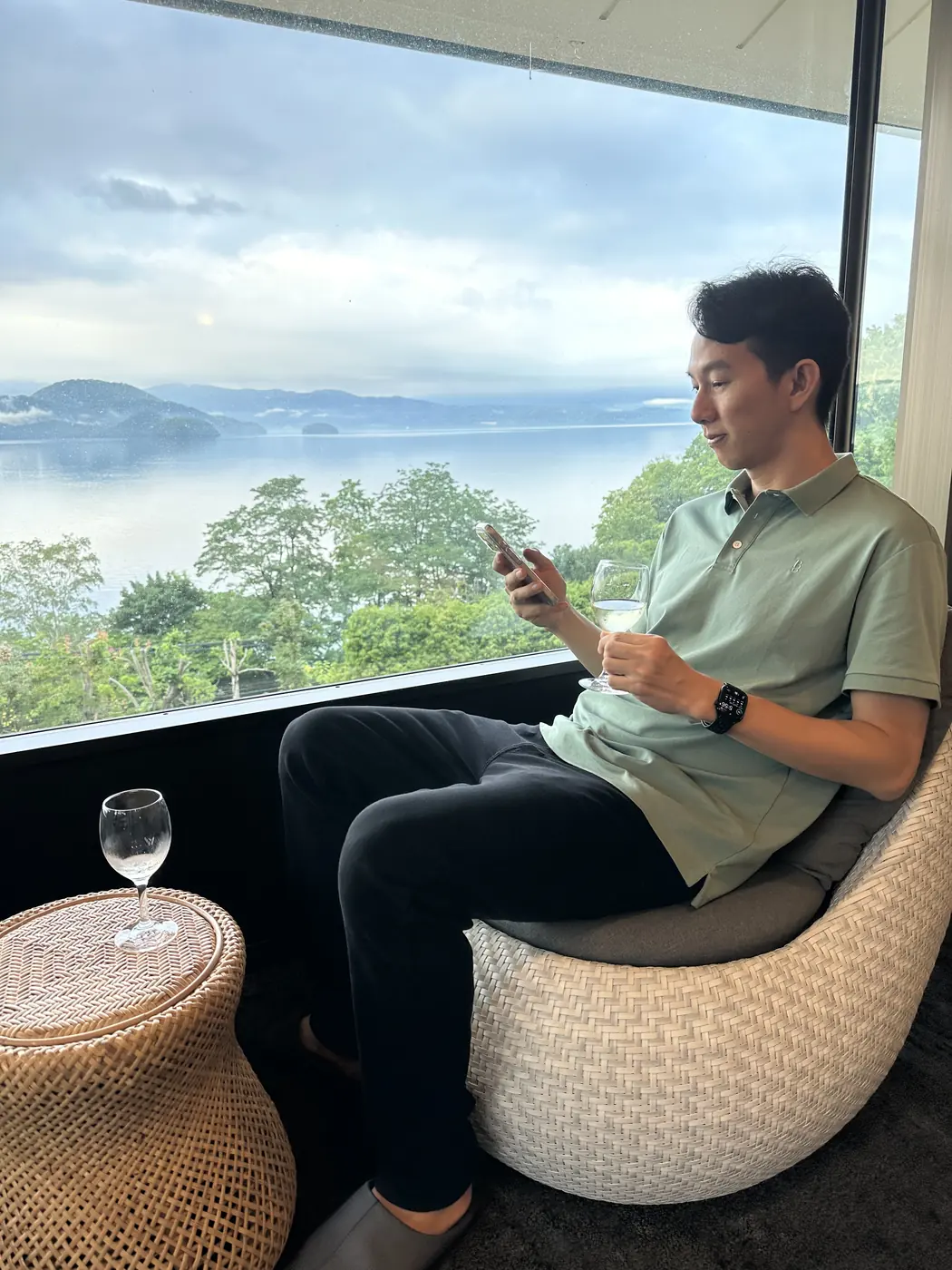
The same way it always does, in about 15 minutes a day. Hokkaido is only an hour ahead of Singapore, so nothing about the routine had to move.
That routine is what lets a trip like this run for 15 days. I wrote up how it works, the watchlist, the alerts and the time zones, in how I trade while travelling.
What would bring us back?
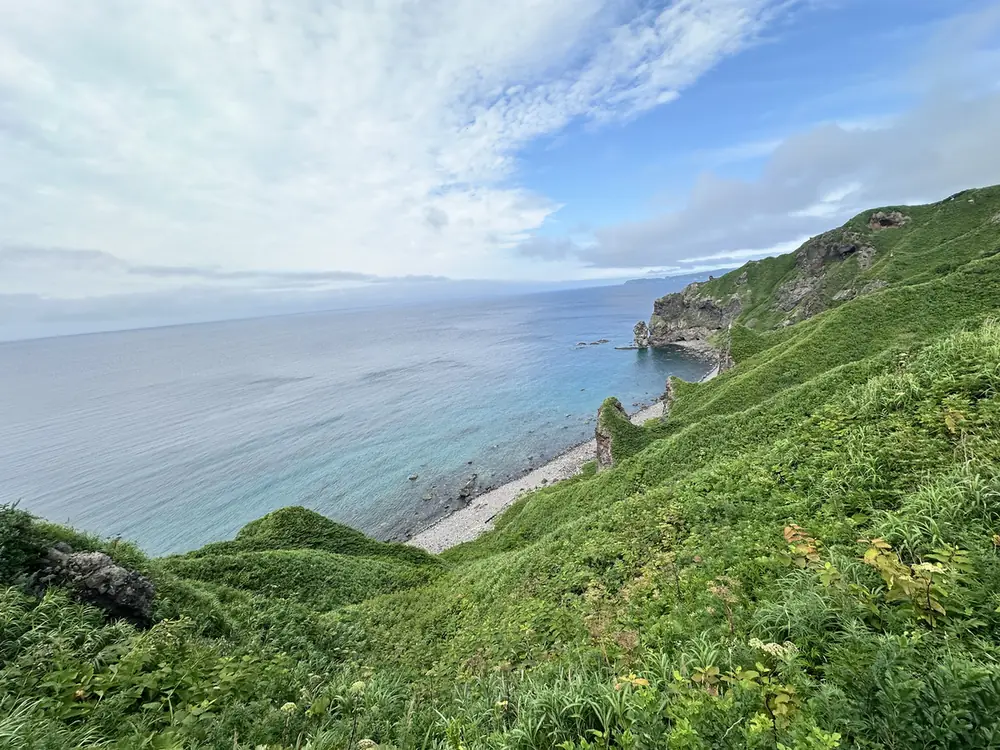
Winter, first. Everything this trip was built around has a winter version, including the crab kaiseki we never got to eat. Then the east and the far north, which we never touched, because our July loop covered only the south and the middle of the island.
If you are planning Hokkaido, three things I would tell a friend. Plan 2 or 3 stops a day, because our over-packed days trimmed themselves to that anyway. Check the closing time of anything you care about. And leave room for a local’s tip, because ours beat my spreadsheet.
Have you driven around Hokkaido? Which stop would you add? Let me know in the comments.
All my other trips are on the travel log, country by country, and more photos from this one are on Instagram, @iamrecneps.
Want the daily routine? Enter your email for the free 15-Minute Swing Trader's Checklist.
Free 5-page PDF, then occasional trading emails. Education only, not financial advice. Unsubscribe anytime. Kit stores your email in the US: see our privacy policy.
Want to learn the full method? The Trading Mastery Program teaches the 4 strategies I have traded since 2011. It suits beginners and experienced traders.
Rather follow the trades as they happen? Daily Trading Signals is our Telegram channel: my trade ideas with entry, stop and exit, and every trade is public.
Questions about this post? Ask in the free Telegram channel →
Educational content only, not personalised financial advice. Trading carries risk, including loss of capital. Past performance is not indicative of future results. Synapse Trading is not licensed or regulated by MAS.

