

Cuba and Mexico’s Yucatan: One Month Across the US, Mexico and Cuba

Want the daily routine? Get the free 15-Minute Swing Trader’s Checklist. Get it free →
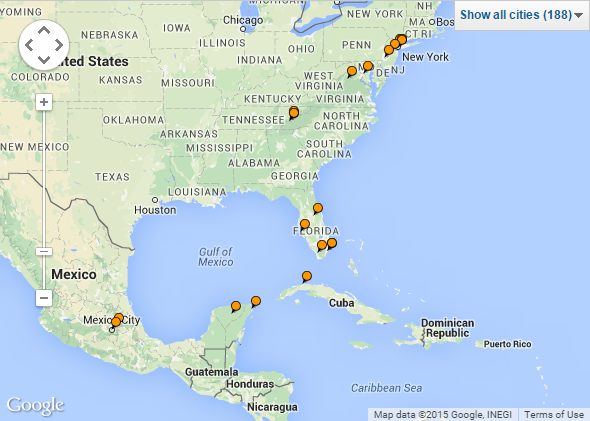
On 20 July 2015, the United States and Cuba reopened embassies in each other’s capitals for the first time since 1961. That is 54 years. That same summer, I spent a month travelling through the US, Mexico and Cuba.
It was one of the stranger routes I have done. Three countries side by side on the map, with three very different ideas of how a country should be run, and the oddest of the three was only a short flight from the beaches of Mexico.
Why Cuba?
For most of my life, Cuba was the country frozen in time. Old American cars from the 1950s, cigars, salsa, and almost no internet. It is still one of the most unusual countries on my list.
The timing made it more interesting. In 2015, relations between the US and Cuba were thawing for the first time in over 50 years, and everyone assumed the country would change fast once American tourists could visit freely.
Havana: what does a city frozen in time look like?
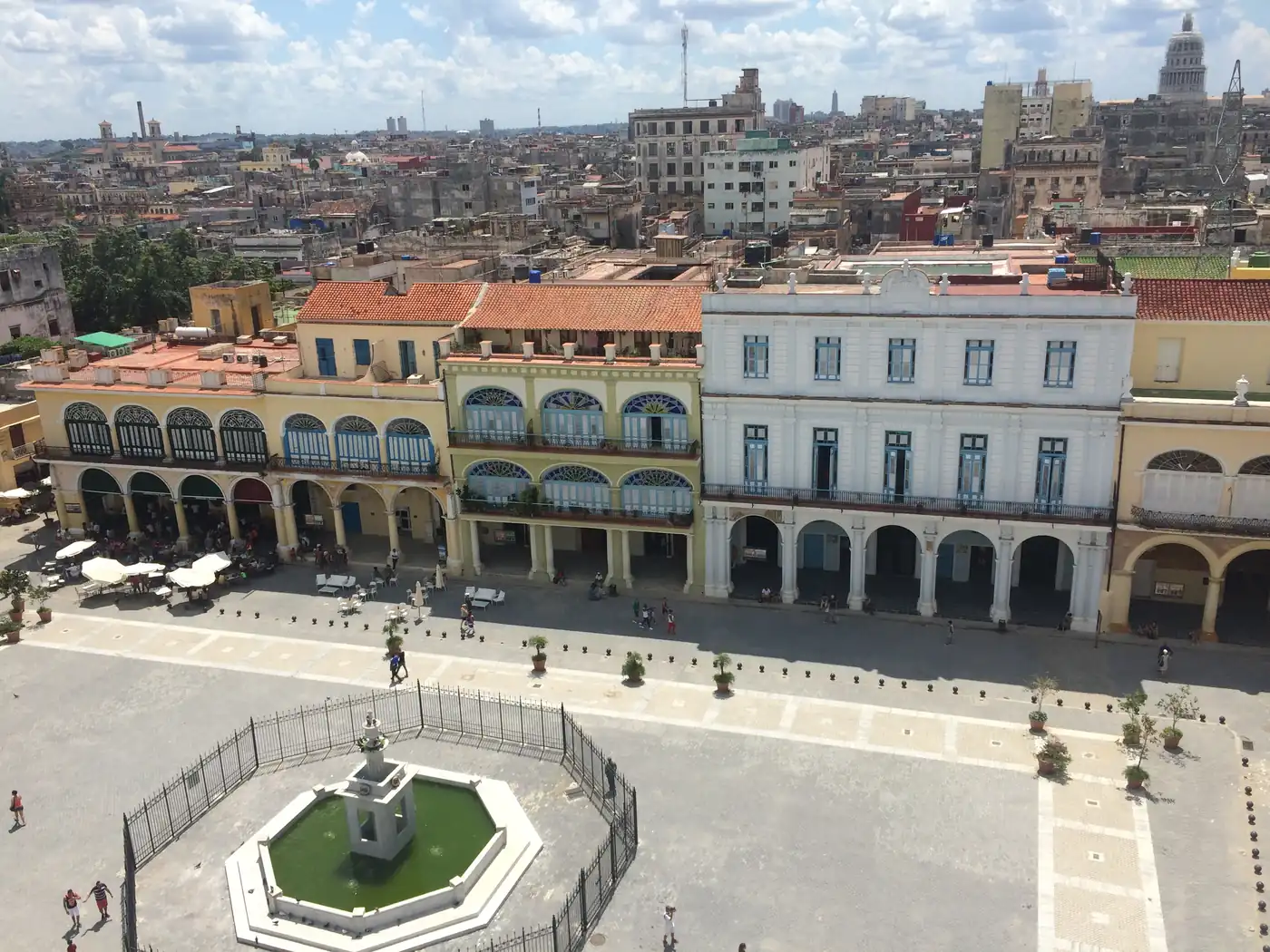
Old Havana, the colonial centre, has been a UNESCO World Heritage Site since 1982. Its squares, churches and pastel buildings are slowly being restored, block by block, and the streets in between are full of those old cars, many still running as taxis.
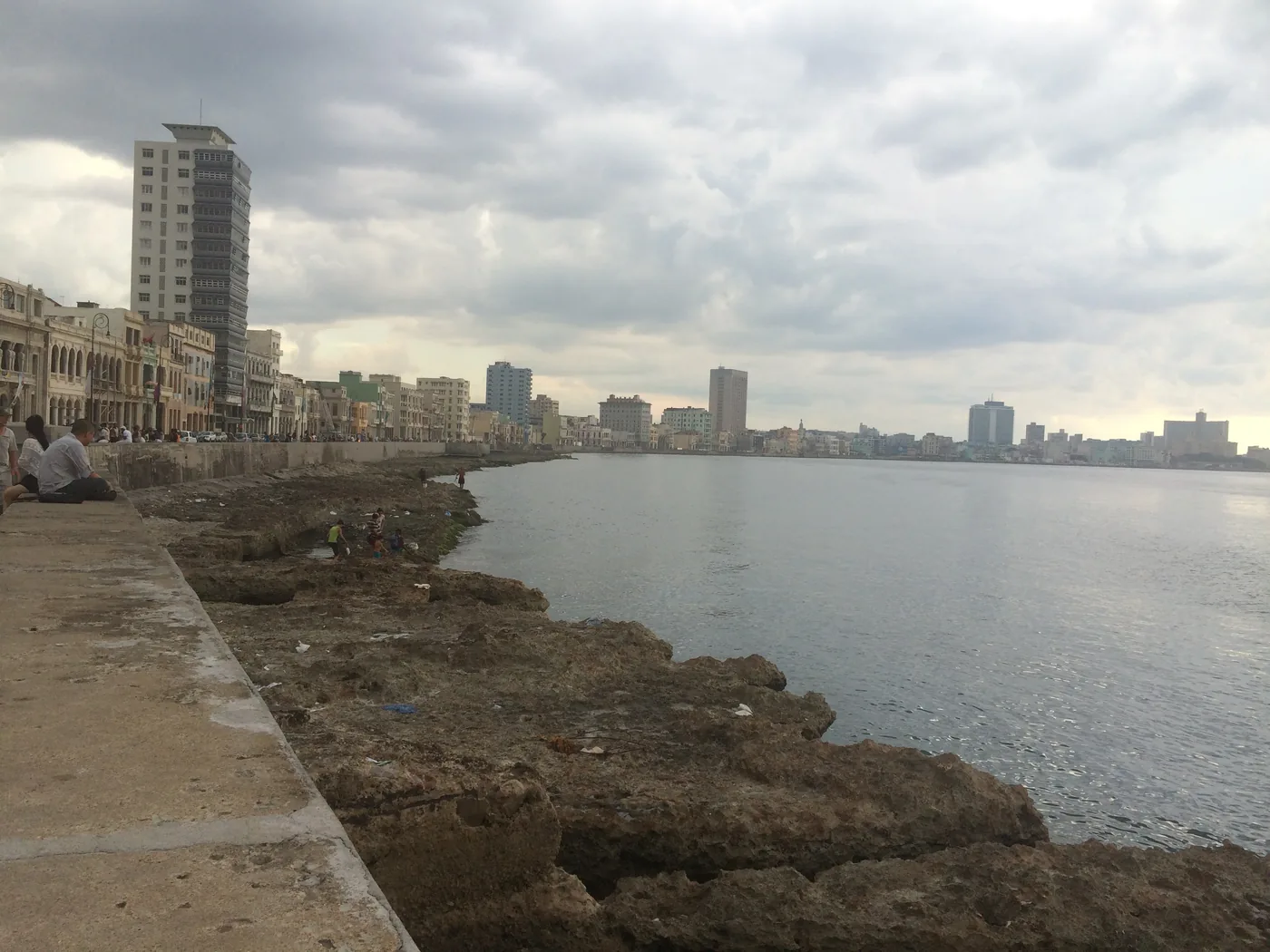
Then there is the Malecón, the seawall that runs for about 8 km along the coast, where it feels like half the city comes out in the evening to sit and talk. And there is El Floridita, the bar that claims to have perfected the daiquiri and counted Ernest Hemingway as a regular.
Money in Cuba was its own puzzle in 2015. The country ran two currencies at once, one for visitors and one for locals, and American bank cards did not work, so most travellers carried cash in. The two currencies were finally merged in 2021.
How did the trading fit in, in a country with almost no internet?
This was the real test of the routine. It runs at about 15 minutes a day, and it still needs a connection once a day.
Internet in Cuba was famously scarce in 2015. Public Wi-Fi only started that summer, at a few dozen hotspots in parks, and you paid for it with scratch cards from the state phone company, then sat on a bench with everyone else trying to get online.
That is also why the routine is built the way it is. If a plan needs you to watch the screen all day, a trip like this one breaks it. I wrote up how mine works, the watchlist, the alerts and the time zones, in how I trade while travelling.
The Yucatan: what is a cenote?
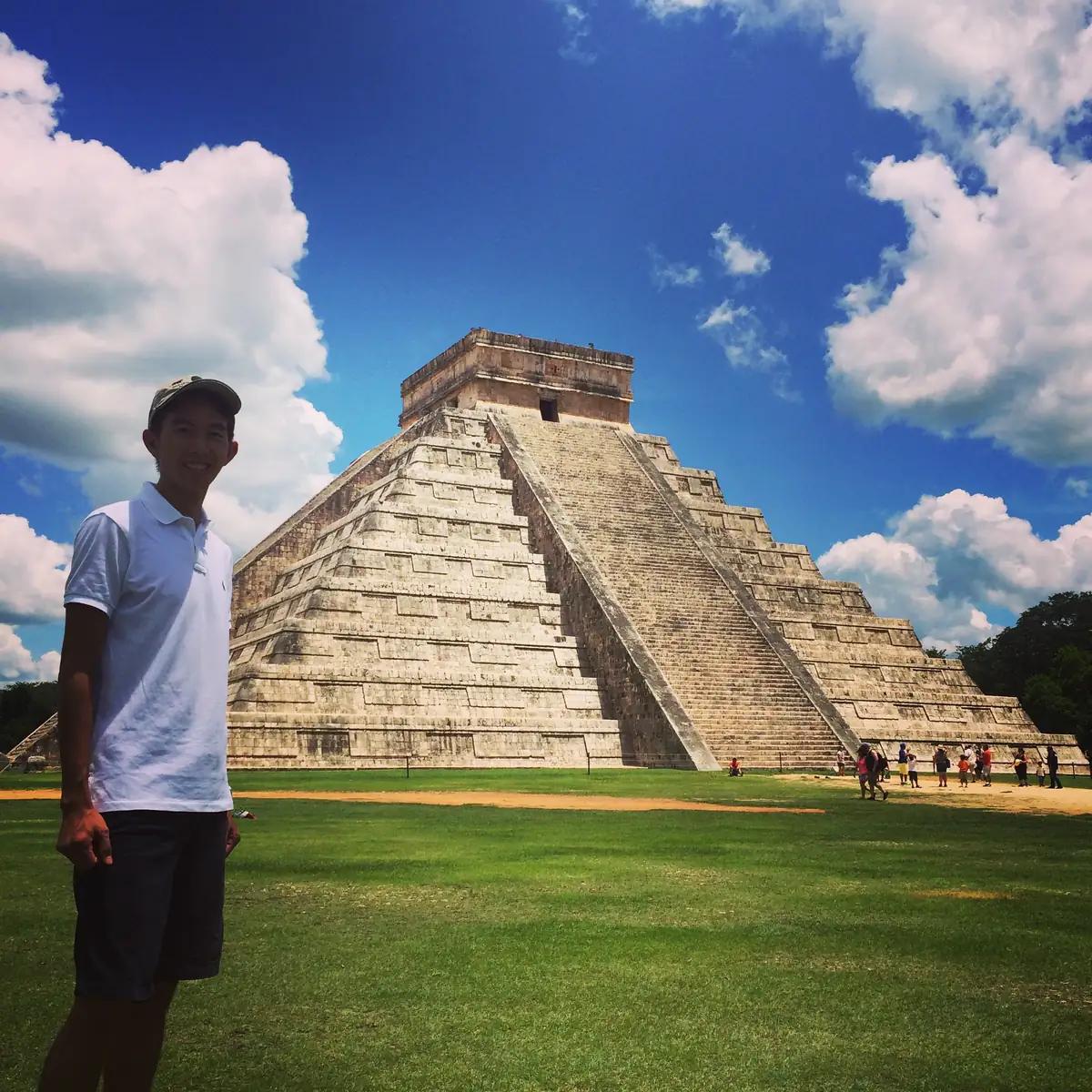
Over in Mexico, the Yucatan is the peninsula that sticks out between the Gulf of Mexico and the Caribbean. It is almost completely flat, and it has no rivers on the surface at all. The water is all underground.
Where the limestone roof of an underground river collapses, it leaves a cenote, a sinkhole full of clear fresh water. You can swim in most of them. There are thousands of them across the peninsula, and the Maya treated them as sacred, as doorways to the underworld. Some connect to cave systems that run for hundreds of kilometres, such as Sac Actun near Tulum.
The other big draw is Chichén Itzá, the Maya city whose stepped pyramid, El Castillo, was voted one of the New Seven Wonders of the World in 2007. On the spring and autumn equinoxes, the afternoon sun throws a shadow down its staircase that looks like a snake sliding down to the ground.
The Yucatan is one of the photos I picked for my travel log.
What about the US leg?
New York was on the route, and so was the Wall Street bull.

I went back to the US 3 years later for a longer drive through the national parks, and that one has its own post: a 1-month road trip through the US and Canada.
What has changed since 2015?
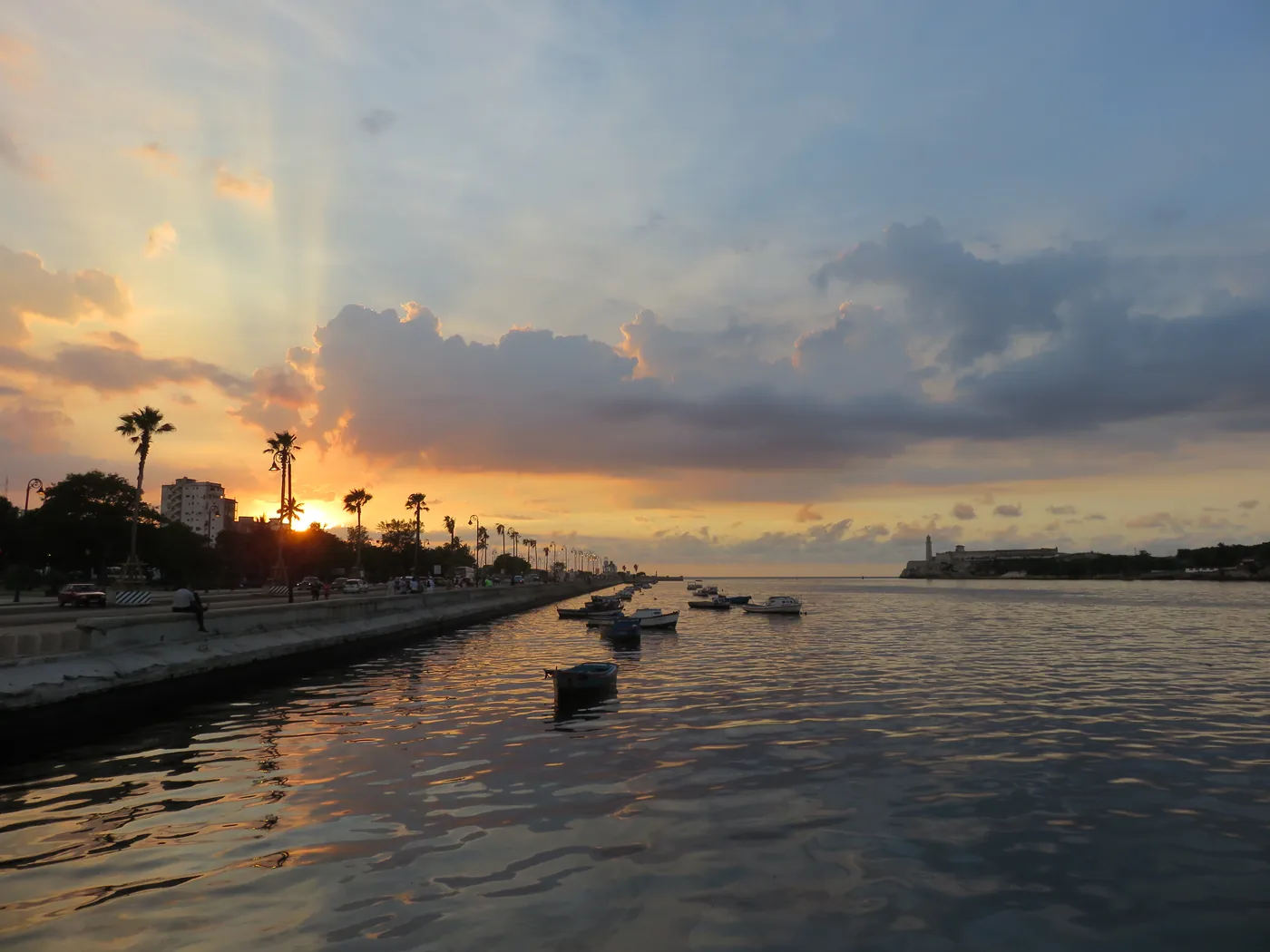
Cuba has changed since 2015, though maybe less than people expected. The currencies were merged, and the internet spread to phones.
Have you been to Cuba or the Yucatan? Which would you pick first? Let me know in the comments.
All my other trips are on the travel log, country by country, and more photos are on Instagram, @iamrecneps.
Spencer Li
Want the daily routine? Enter your email for the free 15-Minute Swing Trader's Checklist.
Free 5-page PDF, then occasional trading emails. Education only, not financial advice. Unsubscribe anytime. Kit stores your email in the US: see our privacy policy.
Want to learn the full method? The Trading Mastery Program teaches the 4 strategies I have traded since 2011. It suits beginners and experienced traders.
Rather follow the trades as they happen? Daily Trading Signals is our Telegram channel: my trade ideas with entry, stop and exit, and every trade is public.
Questions about this post? Ask in the free Telegram channel →
Educational content only, not personalised financial advice. Trading carries risk, including loss of capital. Past performance is not indicative of future results. Synapse Trading is not licensed or regulated by MAS.

