

Myanmar: A Week in Yangon and Bagan, Hosted by a Commodity Trader

Want the daily routine? Get the free 15-Minute Swing Trader’s Checklist. Get it free →
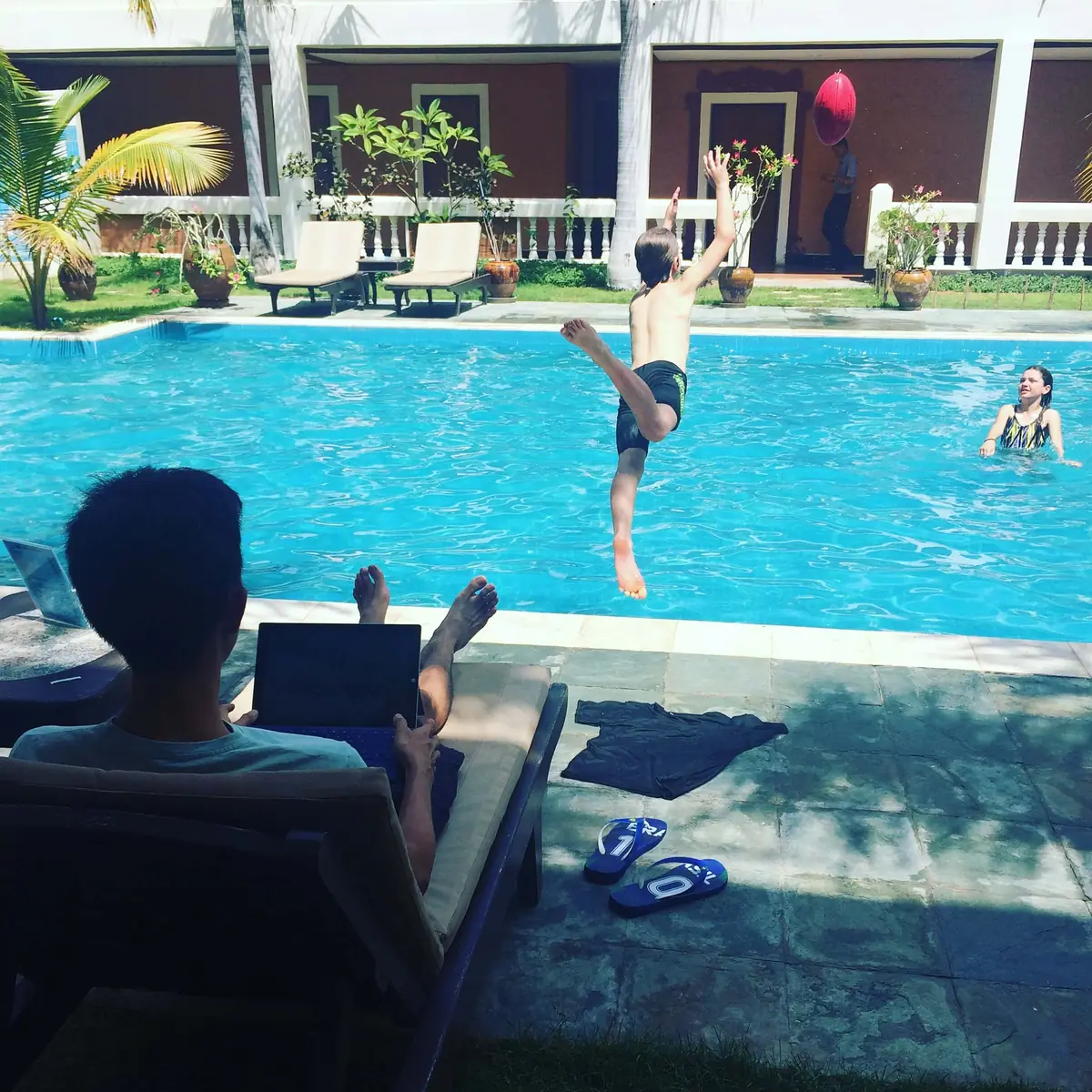
The pool was 10 steps from my room, which tells you roughly how hard my week in Myanmar was.
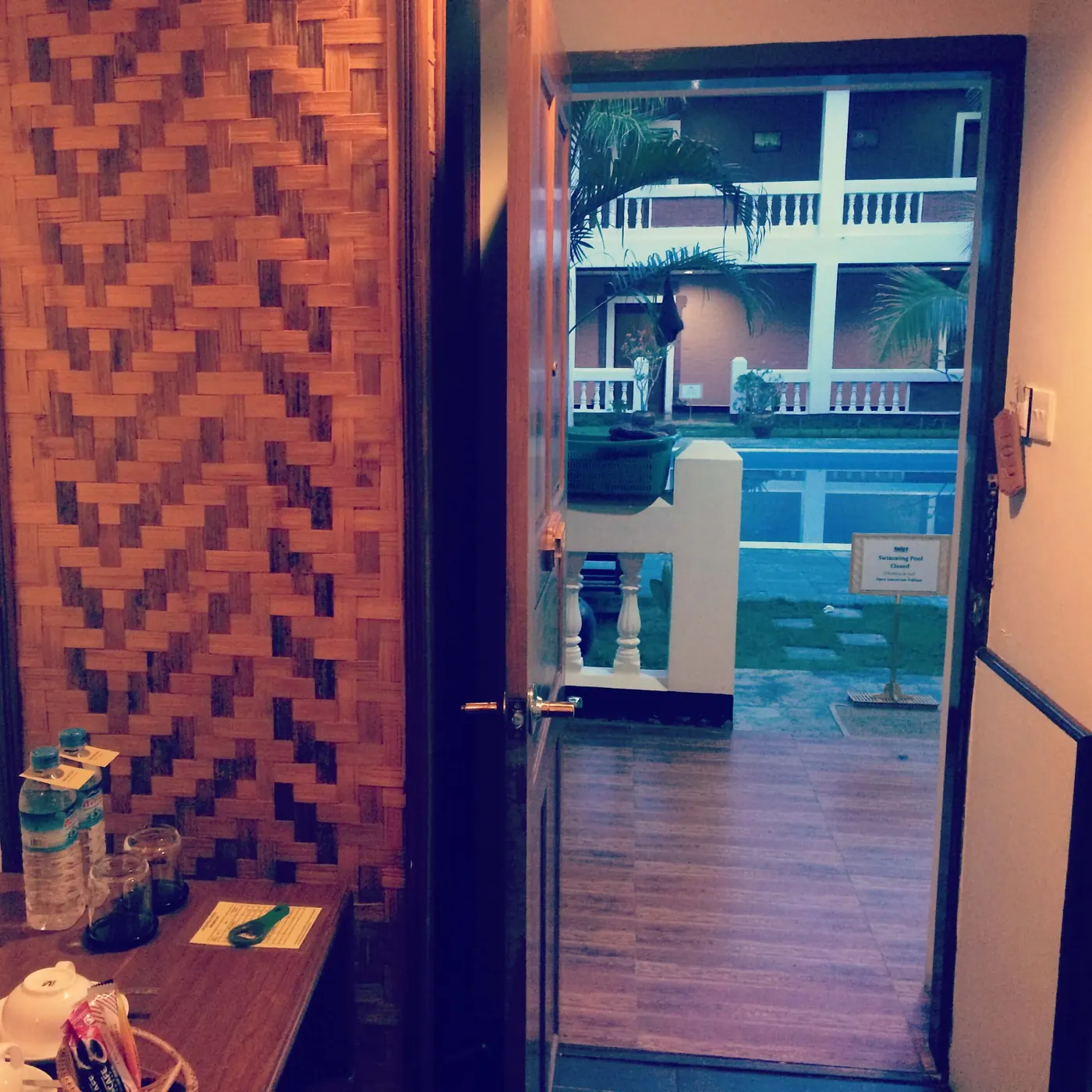
In September 2015, I spent about a week in Myanmar. I was hosted by a friend who lived there and worked for a major commodity trading firm. So I had something most visitors never get: a local base, someone who knew how the country worked, and a person to ask about everything I saw.
The plan was simple. Yangon for the city and the pagodas, Bagan for the temples, and plenty of time to sit by that pool, watch the sunsets and work my way through the local food.
Why Myanmar, and why then?
Myanmar had only just opened up. For about 50 years it was run by the military and cut off by sanctions, and only after reforms began in 2011 did tourists start to arrive in real numbers.
So you might be thinking, why not just go to Bangkok again? Well, the honest answer is the invitation. A friend who lives in a country can show you a version of it that no tour can.
Yangon: what is the Shwedagon Pagoda actually like?
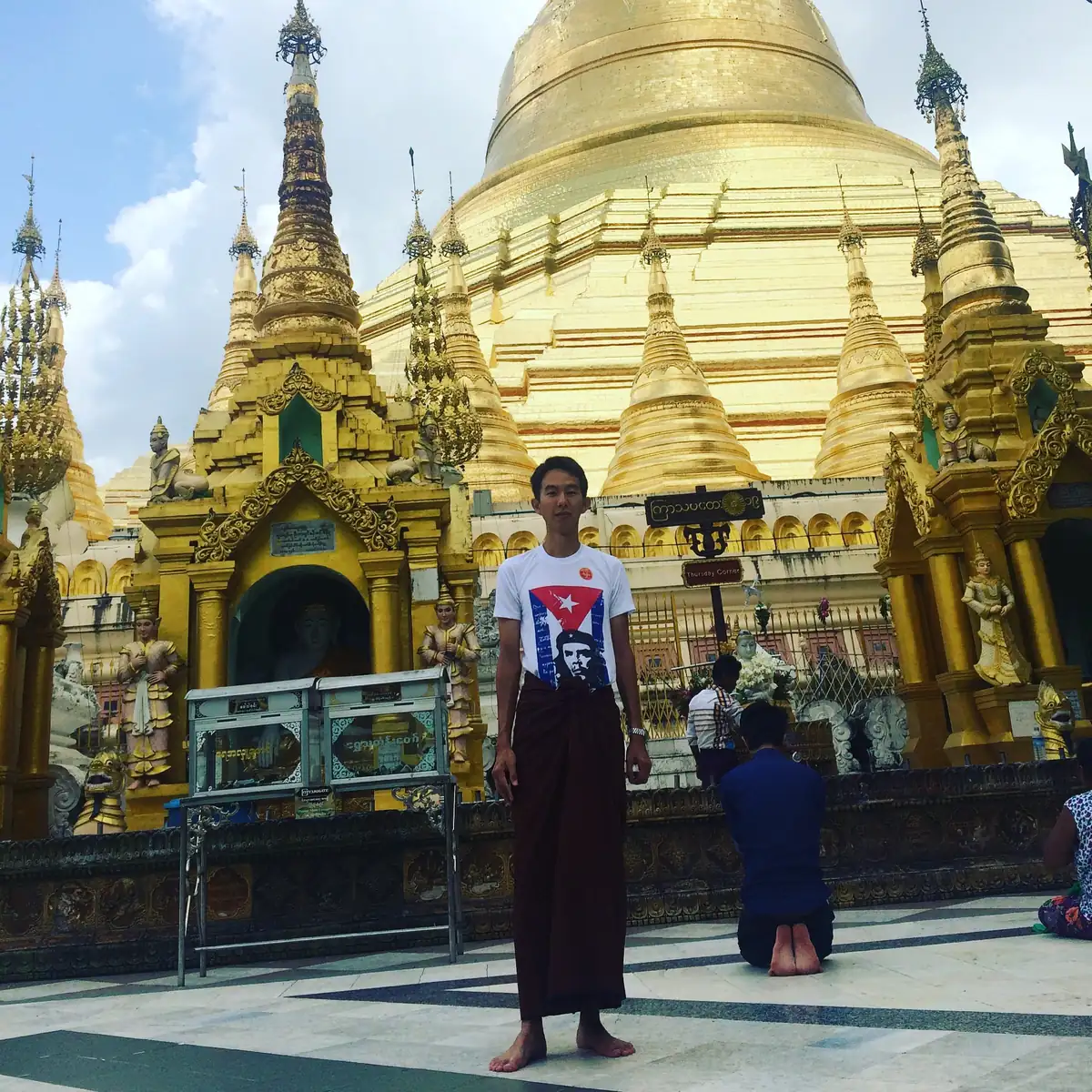
Yangon was the capital until 2005, and it is still the biggest city. The Shwedagon Pagoda sits on a hill above it, and you can see the gold from far across town.
The main stupa rises about 99 metres and is covered in gold plate. The very top is set with thousands of diamonds and other gems. Legend says the pagoda is about 2,500 years old, though historians place it somewhere between the 6th and 10th centuries. Visitors walk around it barefoot and clockwise, and the marble floor gets hot in the afternoon sun, which is why most people go around dusk, when the gold starts to glow under the lights and families and monks arrive for the evening.
Bagan: how many temples can one plain hold?
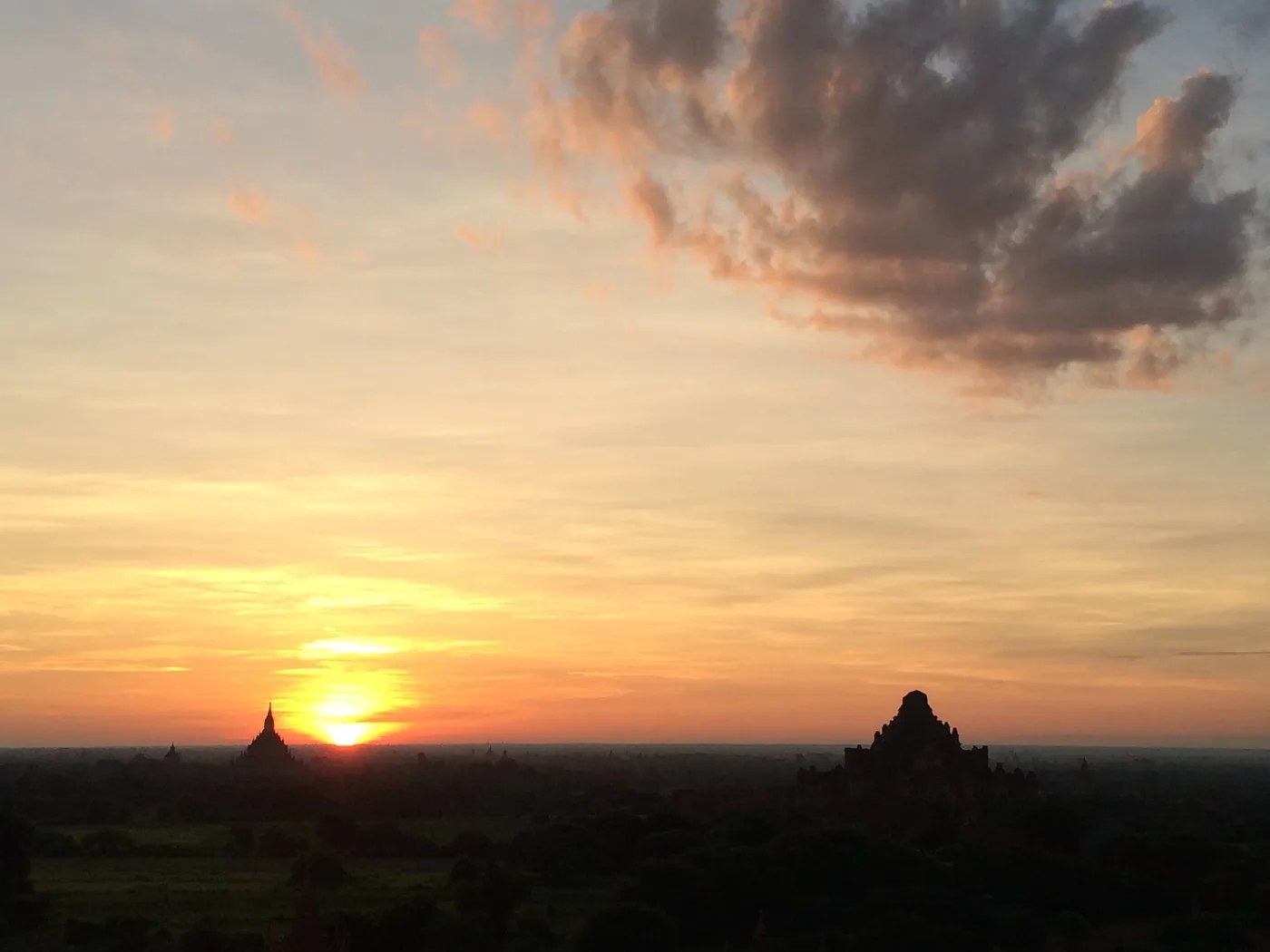
This is the reason most people go to Myanmar. Between the 11th and 13th centuries, the kings of Pagan built over 10,000 temples, pagodas and monasteries on a plain beside the Irrawaddy River. More than 2,000 of them still stand.
The scale is hard to explain until you see it. You look out in any direction and there is a red-brick temple, then another one behind it, then dozens more fading into the haze. At sunrise, hot-air balloons drift across the whole plain.
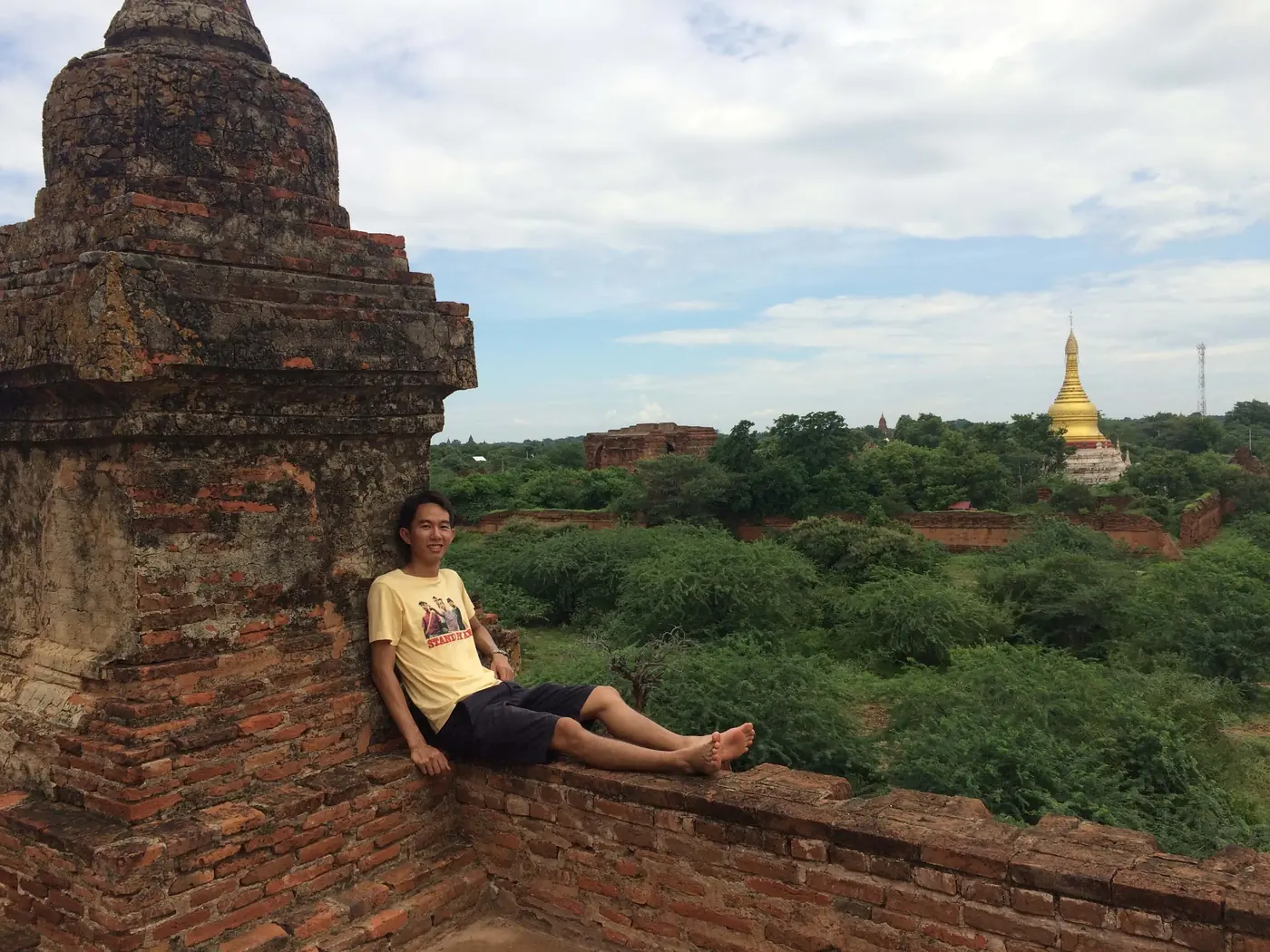
If old temples are your thing, Bagan pairs well with Borobudur in Indonesia, which I wrote about after a trip in 2013.
What did I eat?
Burmese food is one of the least known cuisines in the region, and that is a pity. The national breakfast is mohinga, a fish soup with rice noodles, usually eaten at a street stall early in the morning. Then there is lahpet thoke, a salad of fermented tea leaves with fried beans, peanuts and garlic, which tastes like nothing else in South-East Asia.
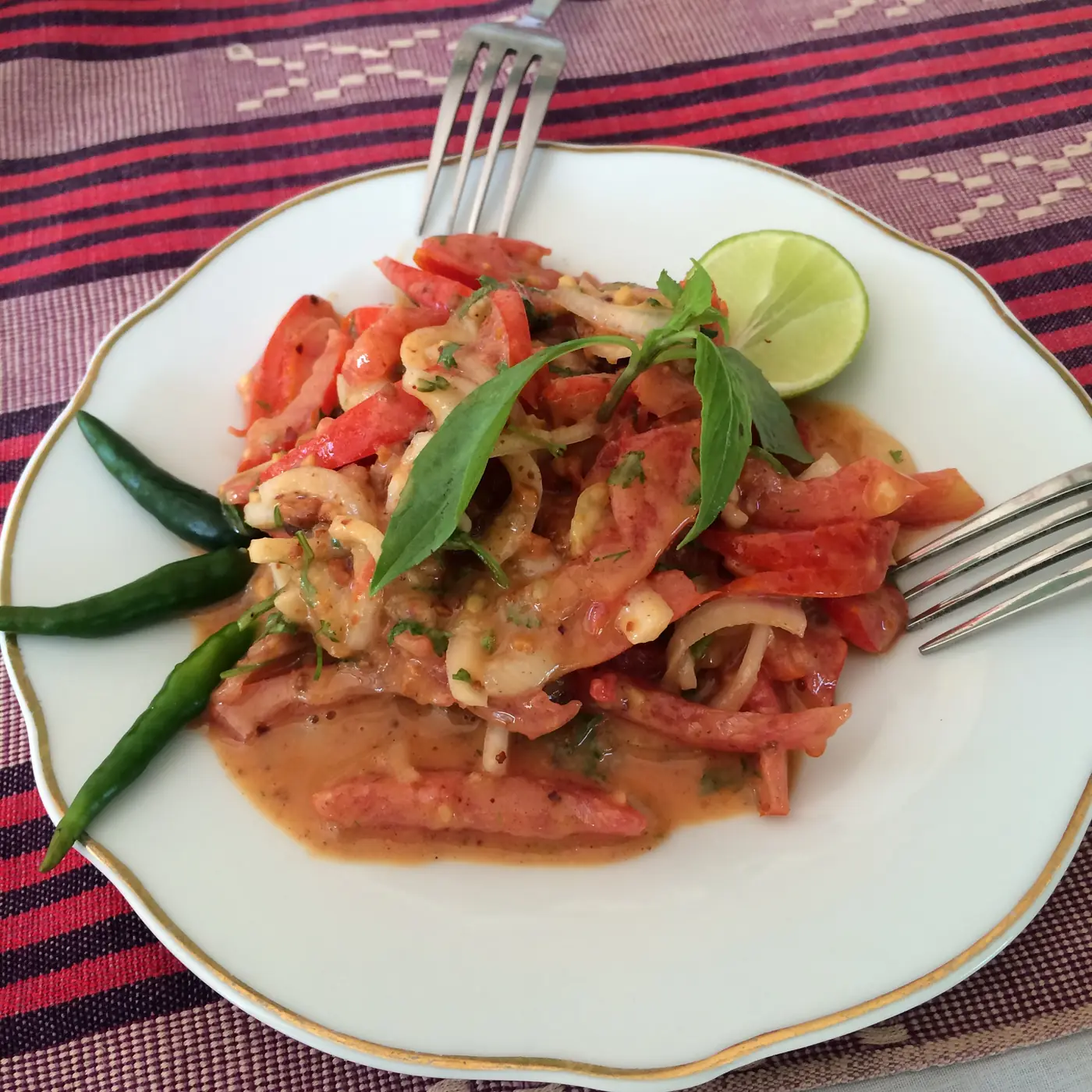
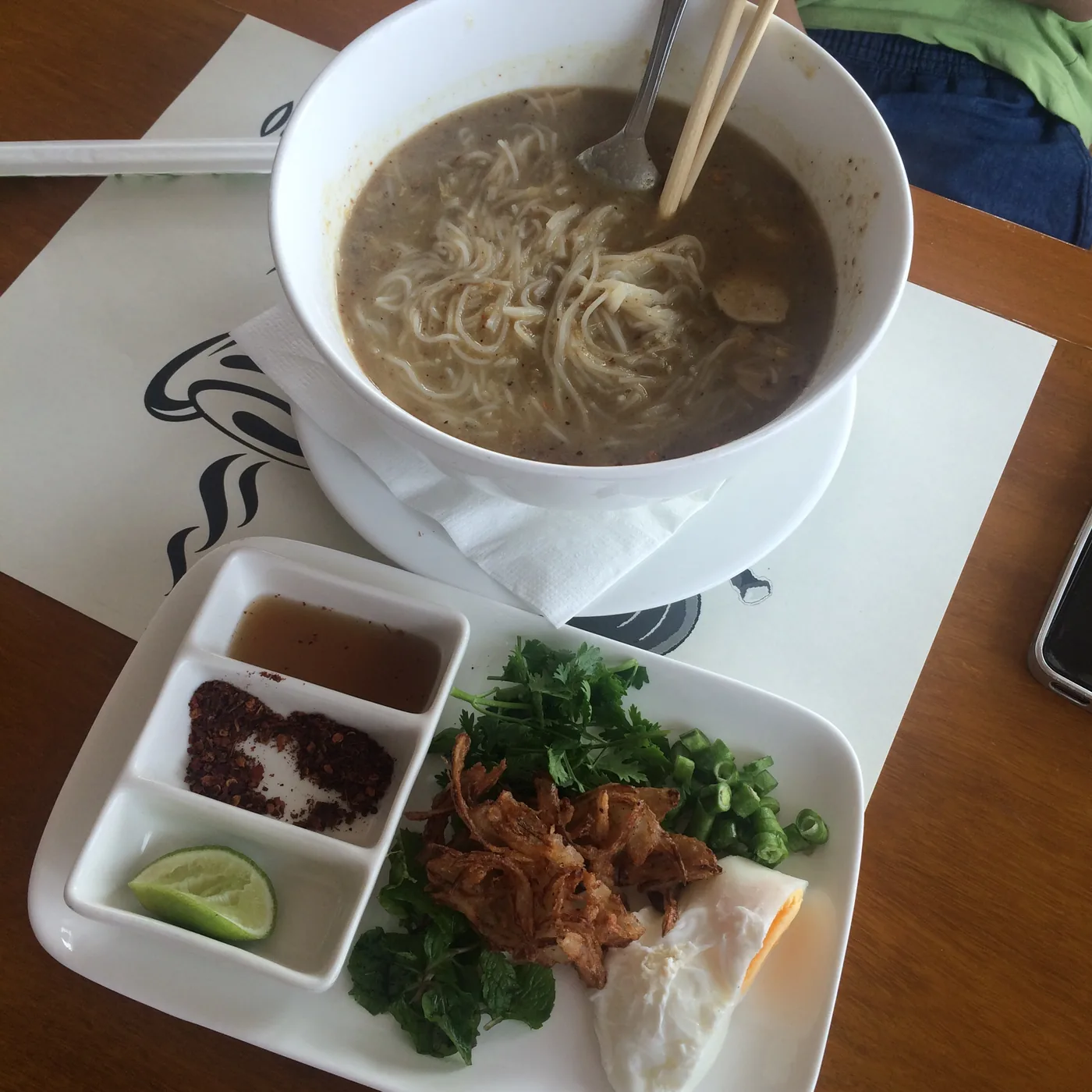
And to wash it all down, there was Myanmar Beer. More on that below.
What do you learn from a week with a commodity trader?
Quite a lot, as it turns out. Most of us only ever meet commodities as a line on a chart. My friend worked for a firm that trades the real thing, and over the week I got to ask the questions a chart can never answer.
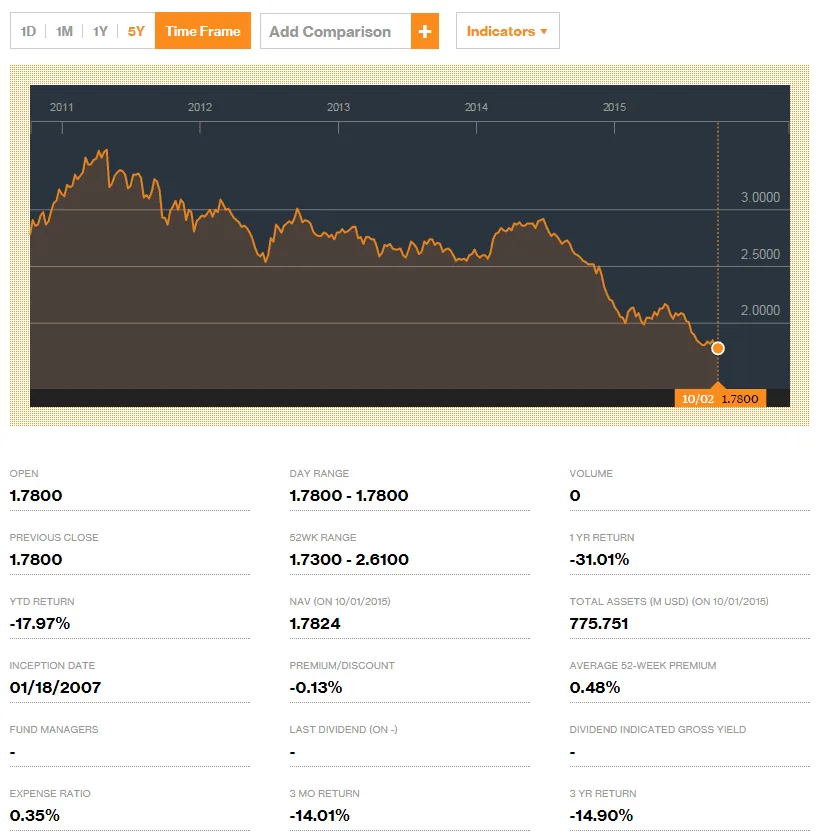
We also did what my old post called some “back-of-the-napkin analysis” on where commodity prices were heading. I have left that view out of this version. It was a 2015 call, and it belongs to 2015.
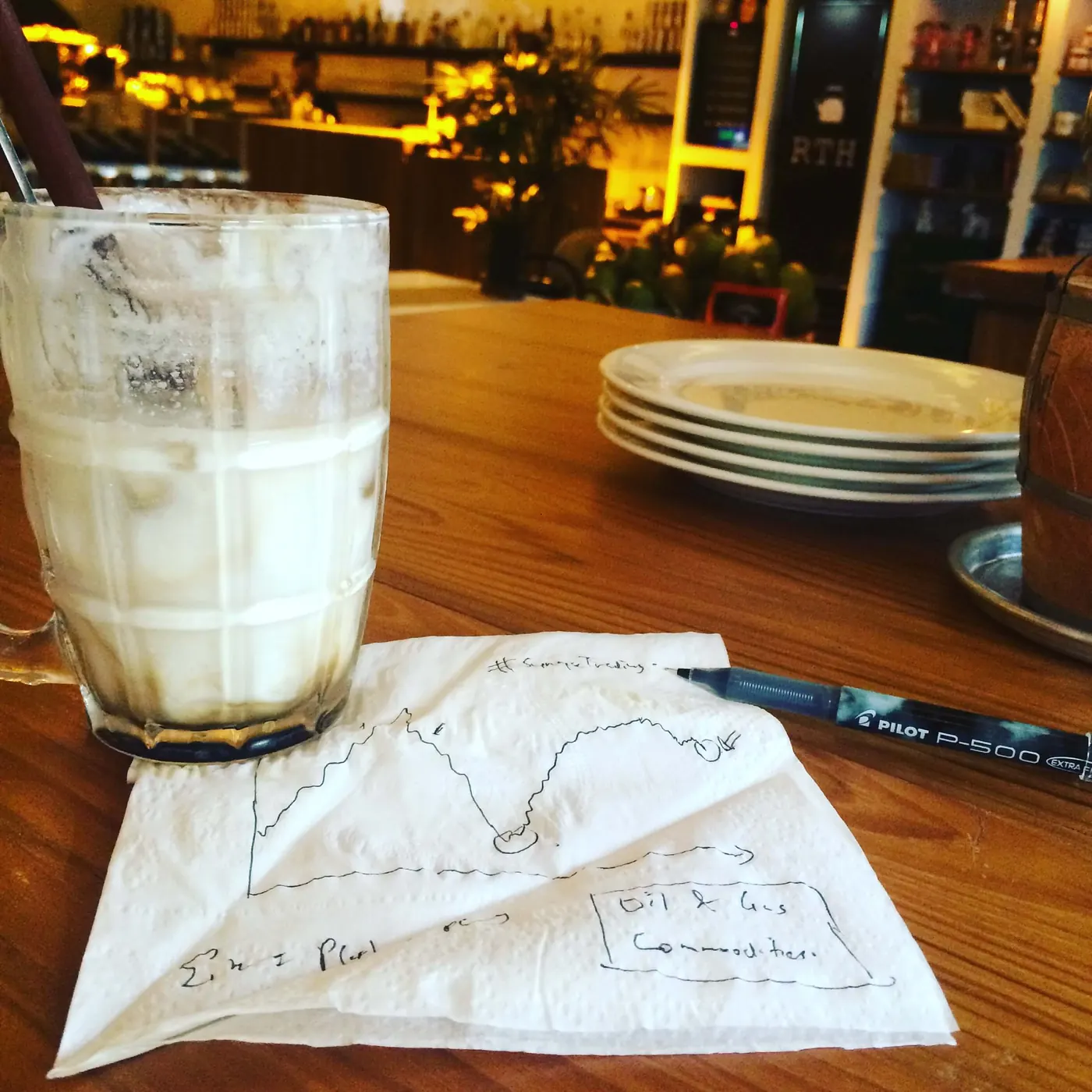
How did the trading fit in?
The same way it always does, in about 15 minutes a day.
This trip happened to land on a Fed meeting. In September 2015, the whole market was waiting to see whether the US Federal Reserve would raise interest rates for the first time in about 9 years. The decision came out at around half past midnight, Myanmar time, so I followed the FOMC announcement in the company of a cold Myanmar Beer. The Fed held rates, which is what most people expected.
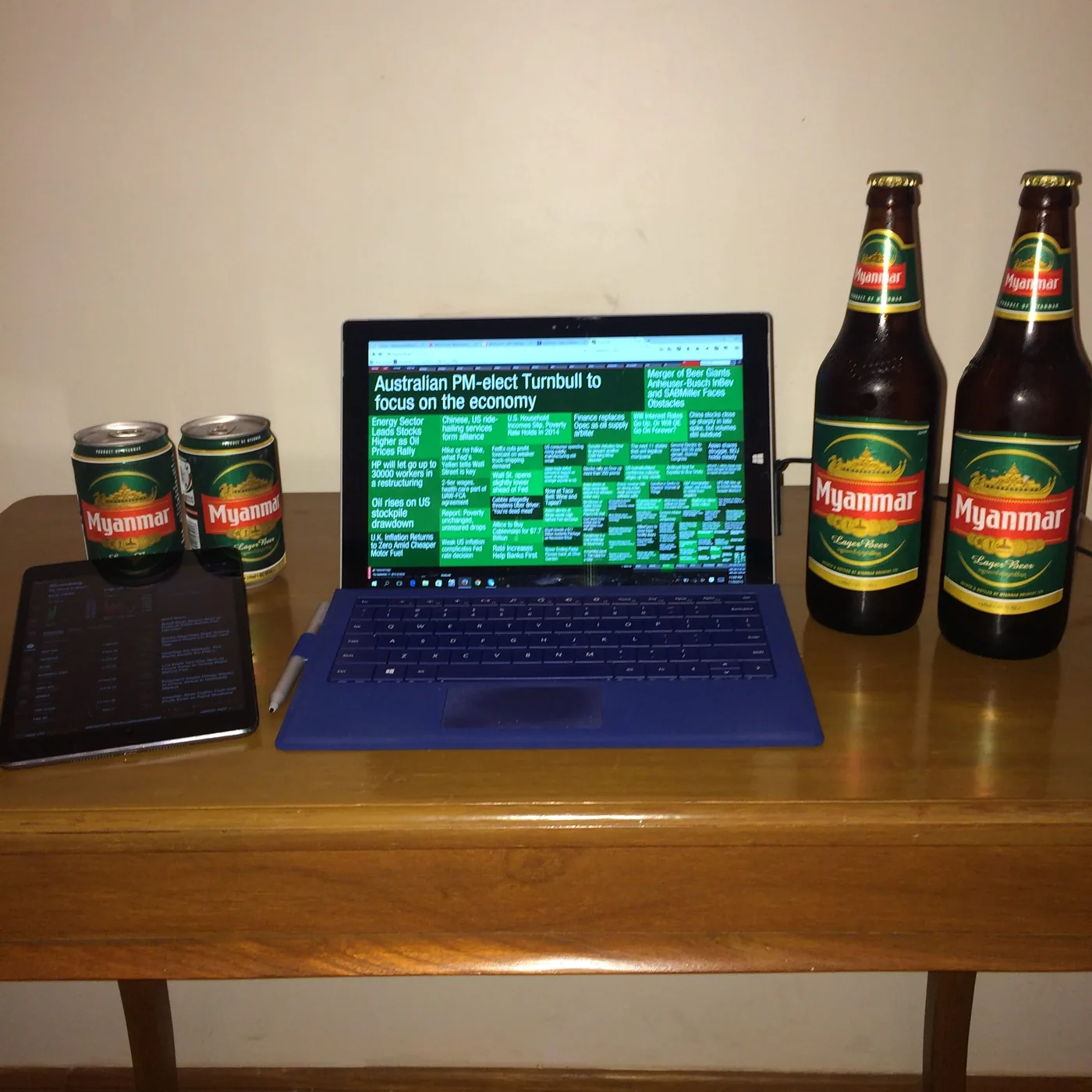
That routine is the reason a trip like this is possible at all. I wrote up how it works, the watchlist, the alerts and the time zones, in how I trade while travelling.
What has changed since 2015?
Myanmar has changed a lot since 2015. In 2016, an earthquake damaged hundreds of temples in Bagan, and climbing on most of them has since been stopped to protect them. In 2019, Bagan finally became a UNESCO World Heritage Site. Then in February 2021, the military took power again, and many governments now advise against travel there.
So if you are thinking about Myanmar, the first thing I would check today is your government’s travel advice, before any flight or hotel.
Have you been to Myanmar, or is Bagan still on your list? Let me know in the comments.
All my other trips are on the travel log, country by country, and more photos are on Instagram, @iamrecneps.
Want the daily routine? Enter your email for the free 15-Minute Swing Trader's Checklist.
Free 5-page PDF, then occasional trading emails. Education only, not financial advice. Unsubscribe anytime. Kit stores your email in the US: see our privacy policy.
Want to learn the full method? The Trading Mastery Program teaches the 4 strategies I have traded since 2011. It suits beginners and experienced traders.
Rather follow the trades as they happen? Daily Trading Signals is our Telegram channel: my trade ideas with entry, stop and exit, and every trade is public.
Questions about this post? Ask in the free Telegram channel →
Educational content only, not personalised financial advice. Trading carries risk, including loss of capital. Past performance is not indicative of future results. Synapse Trading is not licensed or regulated by MAS.

