Free trading guide
The ultimate guide to forex trading
 By Spencer Li, CFTe · Last updated 17 October 2026
If you have ever changed money at Raffles Place before a holiday, you have already traded forex.

Free trading guide
By Spencer Li, CFTe · Last updated 17 October 2026
If you have ever changed money at Raffles Place before a holiday, you have already traded forex.
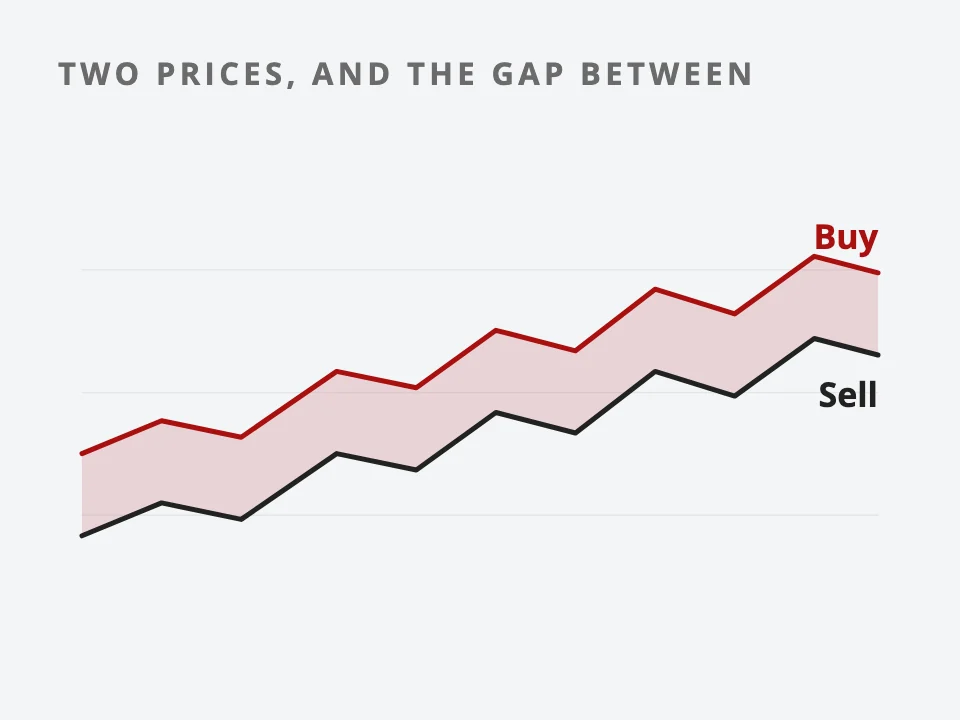
You handed over Singapore dollars, you got yen back, and the money changer quoted you two prices, a higher one to buy and a lower one to sell. The gap between them was their profit. Forex trading is that same swap, done on a screen, in larger sizes, with borrowed money, and for a reason other than a holiday. It is the largest market in the world, at about USD 9.6 trillion a day. For a retail trader in Singapore it is also a leveraged product, which is the part most beginners underestimate. This guide covers how the market works, the vocabulary, the leverage arithmetic, the best hours to trade from Singapore, the main kinds of strategy, and how to check a broker before you send it a cent.
Chapter 1 of 9
The forex market, short for foreign exchange, is where currencies are bought and sold against each other. Banks, central banks, companies, funds and individual traders all take part, for reasons from paying an overseas supplier to betting on an interest rate decision.
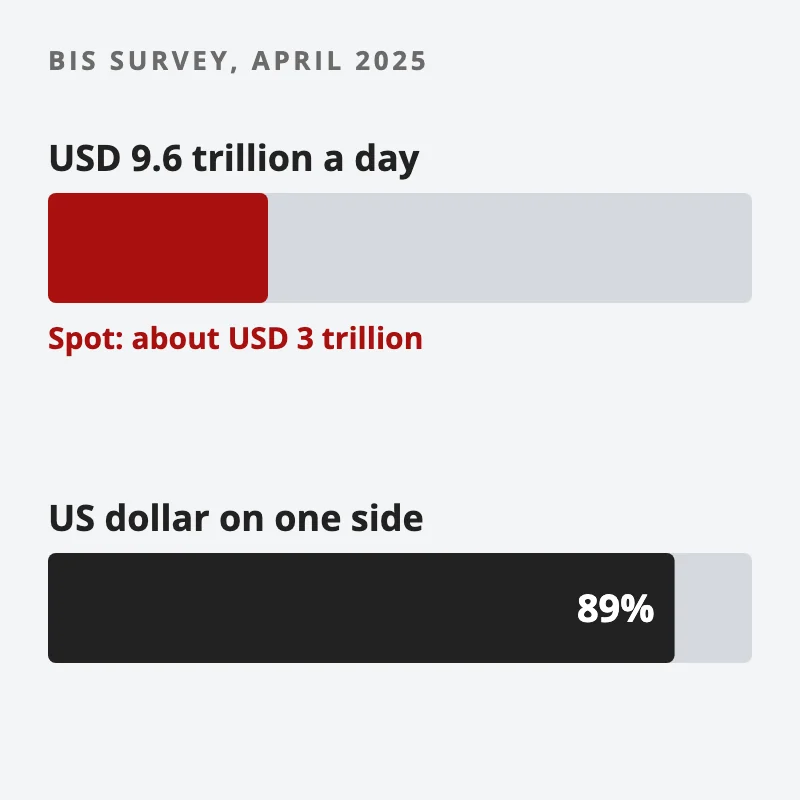
The Bank for International Settlements surveys this market every three years. Its April 2025 survey found:
About USD 9.6 trillion traded per day.
Around USD 3 trillion of that is spot trading, the straightforward swap of one currency for another, and the US dollar sits on one side of 89% of all trades. That last number explains why so much of forex analysis starts with the dollar.
There is no central exchange. Forex is traded over the counter, through a network of banks and brokers, which is why it runs around the clock from Monday morning in Asia to Friday evening in New York. It also means the price you see depends on your broker, and that matters later.
Chapter 2 of 9
Currencies always trade in pairs, because you are always buying one and selling another.
A pip is the standard unit of price movement. For most pairs it is the fourth decimal place, 0.0001. For yen pairs it is the second, 0.01, because the yen is quoted in bigger numbers.
A lot is the trade size. A standard lot is 100,000 units of the base currency, a mini lot is 10,000, and a micro lot is 1,000.
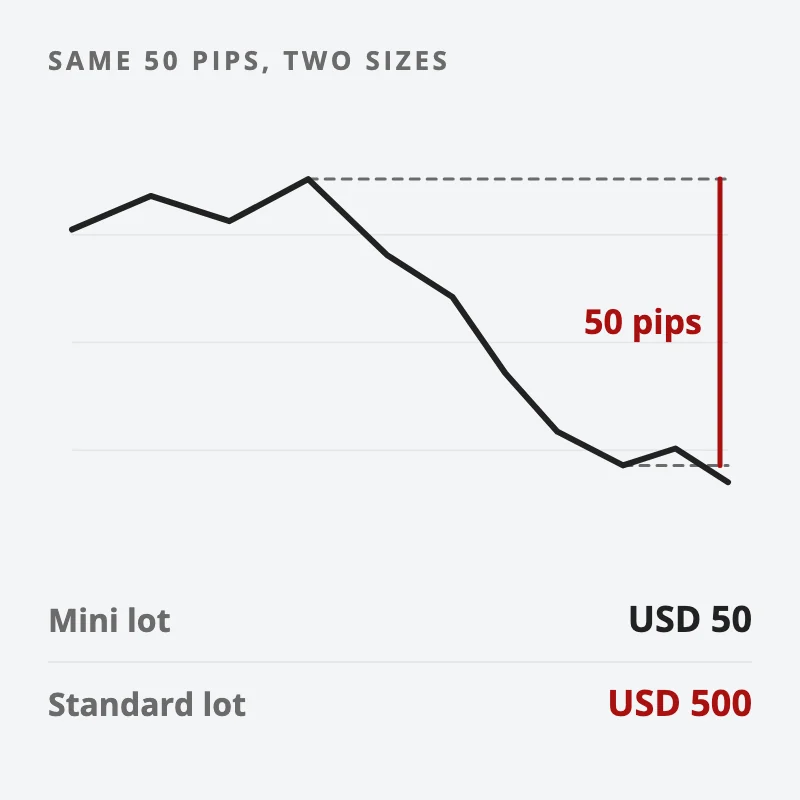
Put the two together and you can work out what a move is worth. On EUR/USD with a mini lot of 10,000 euros, each pip is worth USD 1:
10,000 × 0.0001 = USD 1 per pip
So a 50-pip move against you costs USD 50. Trade a standard lot instead, and the same 50 pips costs USD 500. The chart looks identical in both cases, which is exactly why beginners get hurt. They read the chart and forget to read the size.
Chapter 3 of 9
Leverage is what turns forex from a slow market into a fast one. Currencies move less than stocks, and a big day for EUR/USD is often a move of around 1%, while a single stock can move 10% in a morning on its earnings. So brokers let you borrow, and you put up only a slice of the position as margin.
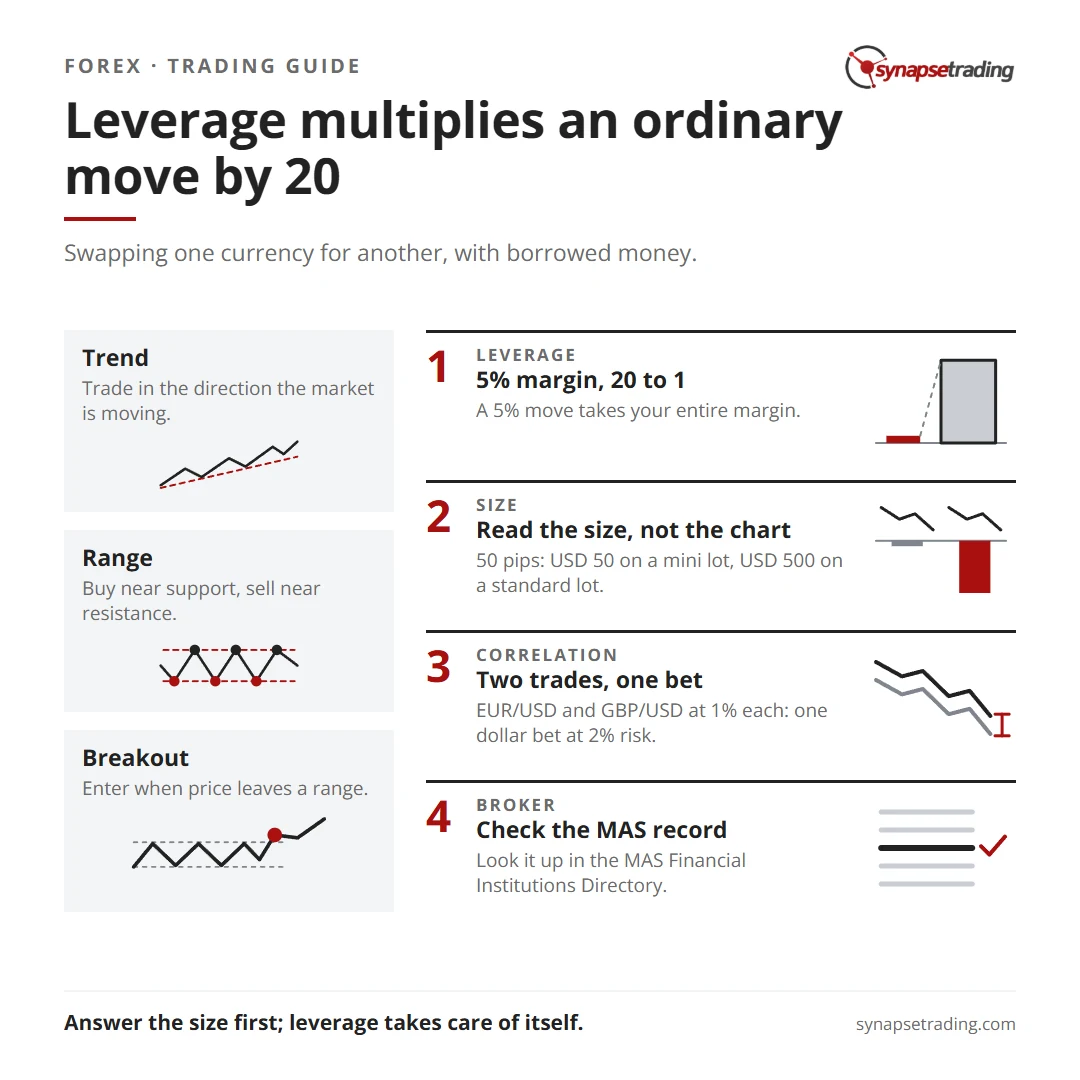
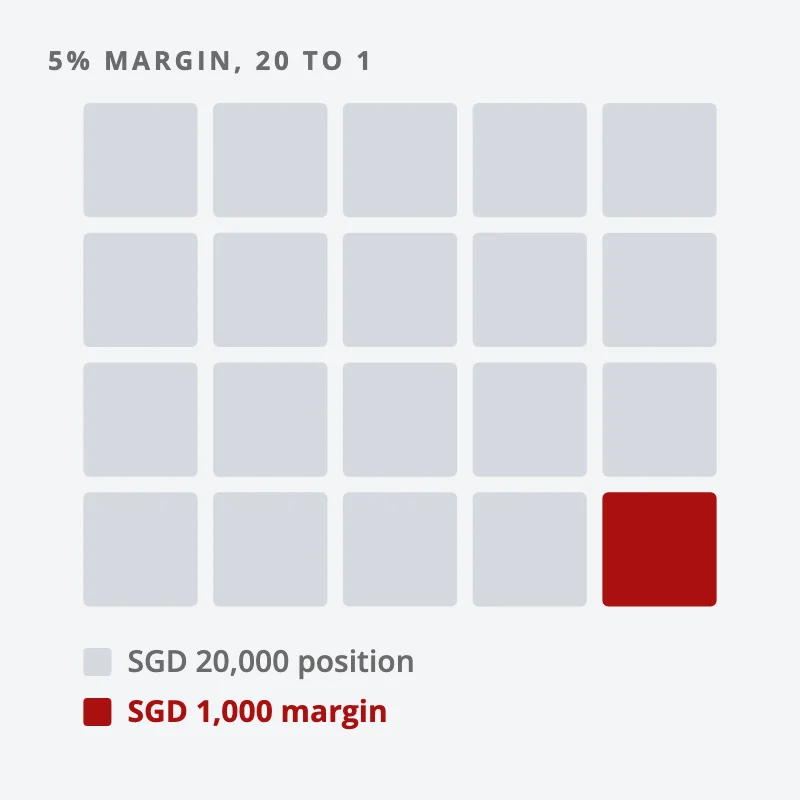
In Singapore, the regulator sets a floor. For a retail trader, the minimum margin on a forex CFD is 5%, which means the most leverage a Singapore-licensed broker can give you on one is 20 to 1.
Here is the arithmetic in full. Suppose you put up SGD 1,000 as margin.
At 5% margin, SGD 1,000 controls a SGD 20,000 position.
A 1% move against you costs SGD 200, which is a fifth of your margin, from one ordinary day. A 5% move costs SGD 1,000.
Your entire margin, on a 5% move.
A 5% move in a major pair is a big month, and big months happen several times a year. Nothing about the trade has to be wrong for this to happen. The leverage simply multiplies an ordinary move by 20. Do note it multiplies your gains by 20 too, which is the whole appeal, and also why the blown accounts in forex tend to belong to people who were right about direction and wrong about size.
So you might be thinking, should a beginner use leverage at all? Well, the useful question is how small a position you need so that a normal losing streak cannot hurt you. Answer that first, and the leverage takes care of itself.
Free checklist
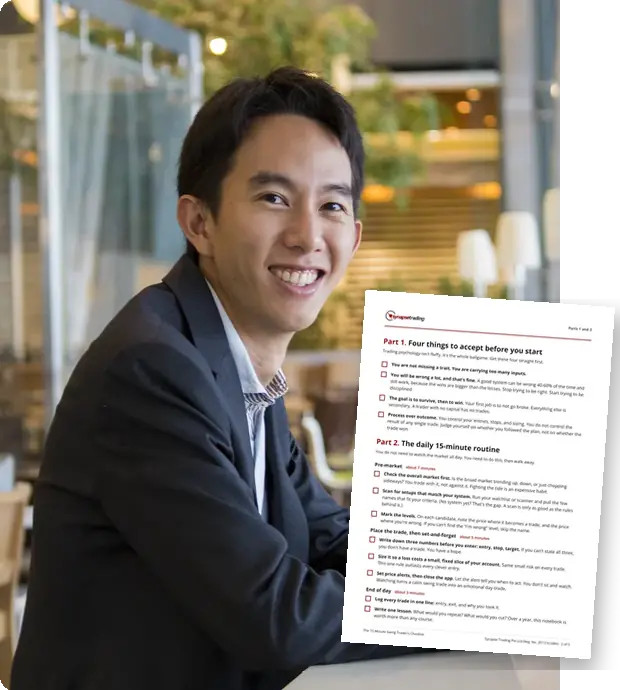
The 15-Minute Swing Trader's Checklist is the daily and weekly routine I use to find, manage and review trades in about 15 minutes a day. Five pages, free, straight to your inbox.
Free 5-page PDF, then occasional trading emails. Education only, not financial advice. Unsubscribe anytime. Kit stores your email in the US: see our privacy policy.
Chapter 4 of 9
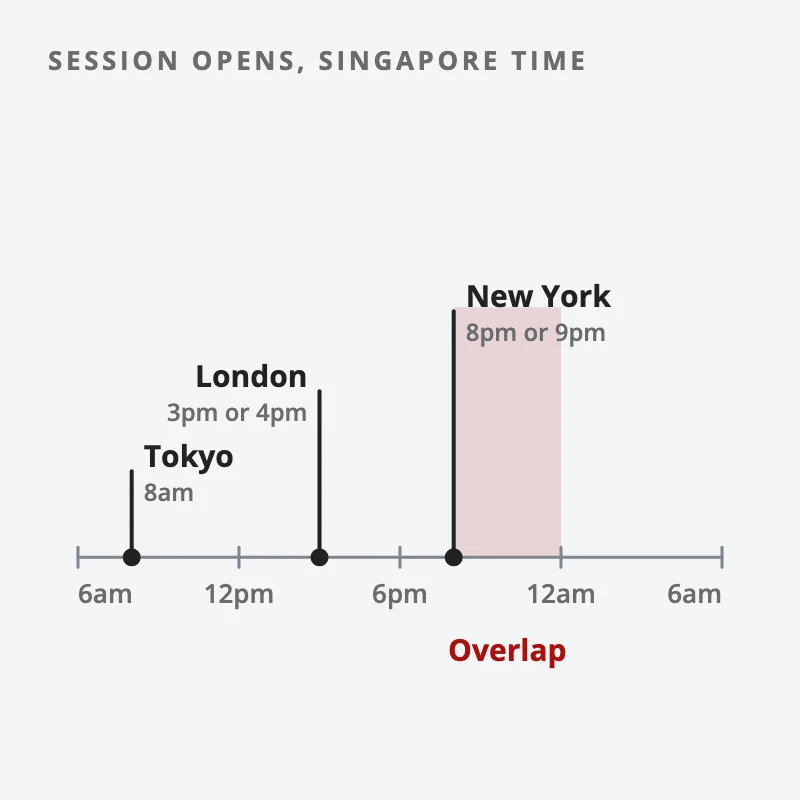
The market is open 24 hours, but it is not equally busy all day. Three sessions do most of the trading, and here they are in Singapore time:
The busiest stretch is when London and New York overlap, which in Singapore runs from about 8pm to midnight. Spreads are tightest and moves are largest then.
Now, if you have a day job, that window lands at dinner time. The New York close, which sets the daily candle, falls at about 5am Singapore time in the US summer and 6am in winter. So you can review the closed candles over breakfast, place or adjust your orders in about 15 minutes, and get on with your day. The hour you trade matters a lot less when you are not trying to catch the move live.
Chapter 5 of 9
Start with the majors. They are the most liquid, their spread is the money changer's gap at Raffles Place shrunk to a fraction of a pip, they cost the least to trade, and there is far more analysis available on them than on any exotic pair.
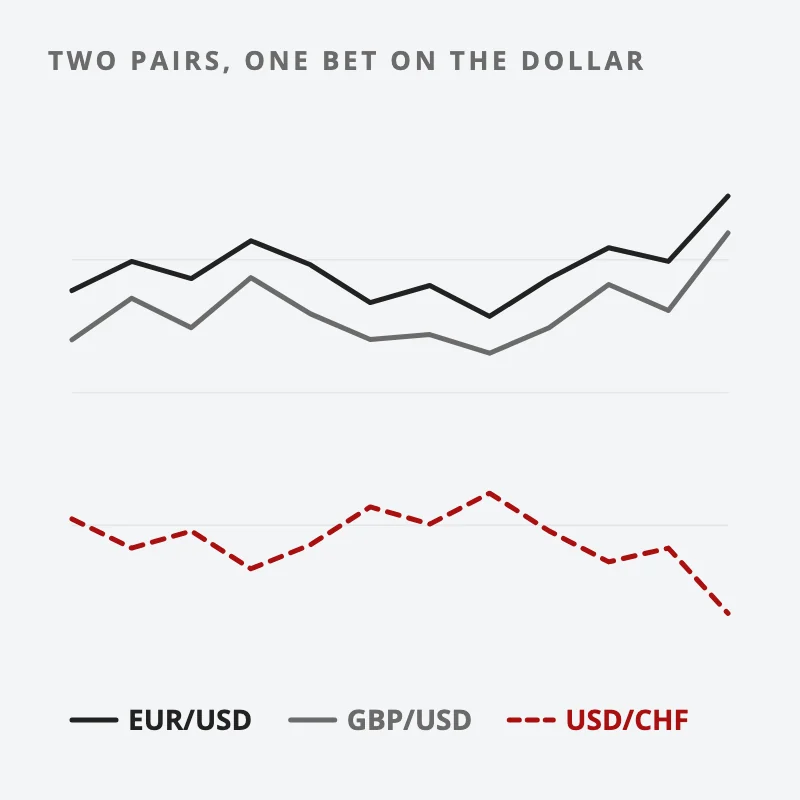
One warning about trading several of them at once. Many pairs move together. EUR/USD and GBP/USD often rise and fall on the same days, because both are priced against the dollar, and EUR/USD and USD/CHF tend to move in opposite directions for the same reason. Traders measure this with a correlation coefficient, which runs from +1, where two pairs always move together, to −1, where they always move in opposite directions.
Why does it matter? Imagine you buy EUR/USD and GBP/USD on the same day, each risking 1% of your account. It feels like two trades. If the dollar strengthens, both lose together, and you have really placed one bet on the dollar at 2% risk. Plenty of accounts have been wiped out by three or four "different" trades that were all the same trade.
Chapter 6 of 9
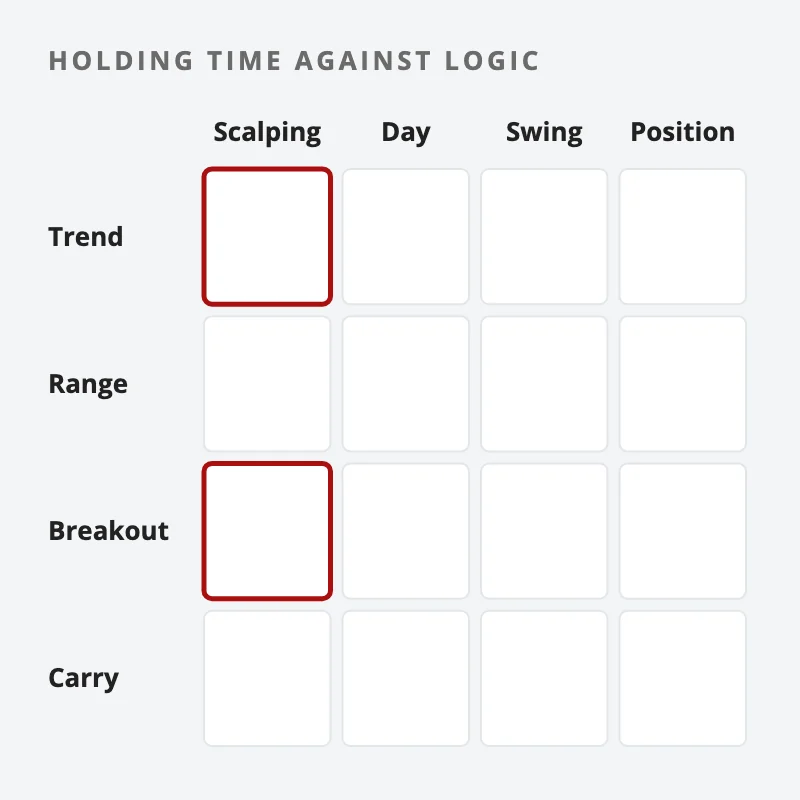
There are dozens of named forex strategies, and most of them are one of two decisions dressed up differently. It is more useful to sort them that way.
How long you hold.
What logic you follow.
Once you can place a strategy on those two axes, you can judge any new one quickly. A "secret scalping system" is a trend or breakout method with a very short holding time and very high trading costs.
Chapter 7 of 9
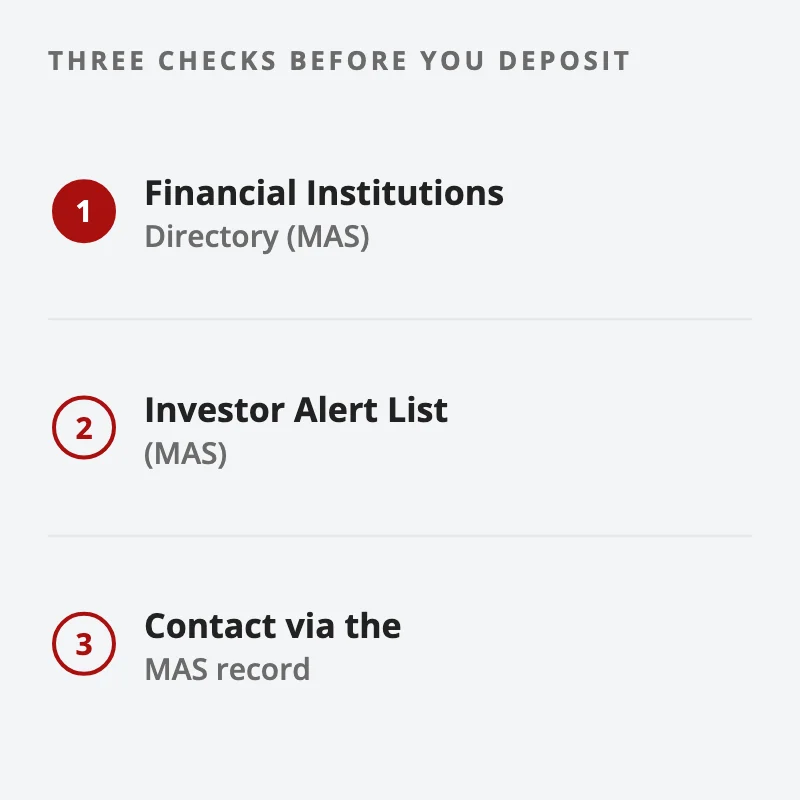
Forex has more scams than most markets, because it is global, it is over the counter, and the leverage makes fast money look possible. Before you open an account anywhere, run three checks.
Then watch for the classic setups. A signal seller who shows only winning trades. An "account manager" who offers to trade your money for you. A bonus that locks your deposit until you trade a huge volume. And any promise of a fixed monthly return, which no honest trader can give you.
Chapter 8 of 9
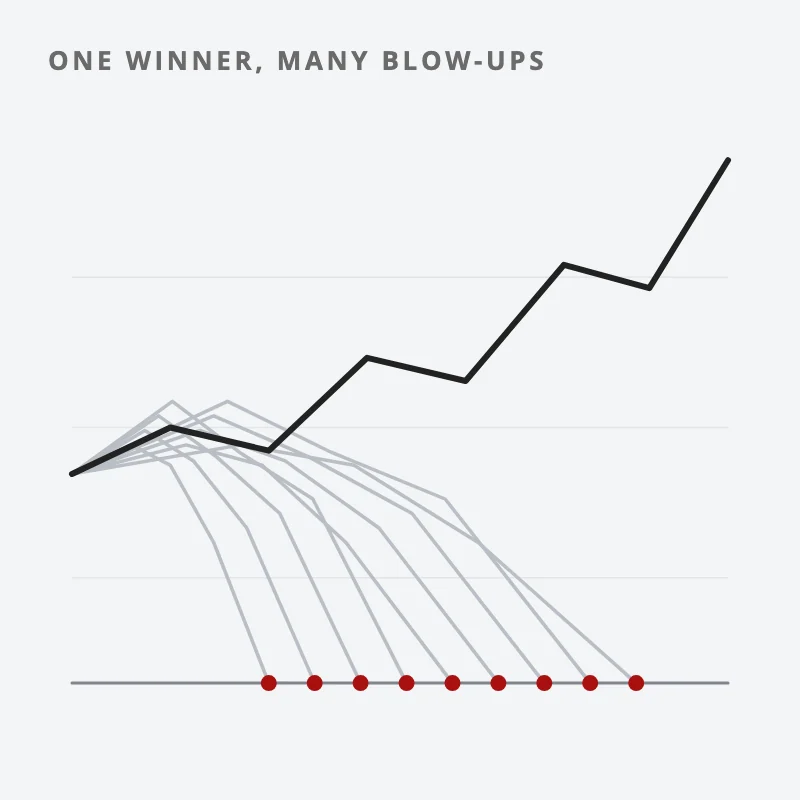
Most contests reward the single highest return over a few weeks. That rewards the trader who bets the biggest, because a high-leverage gamble that comes off beats any sensible plan, and nobody sees the dozens of entrants who blew up trying the same thing. Treat the winning strategy as a lottery ticket that happened to win, and keep your own sizing rules if you enter one for fun.
Chapter 9 of 9
This guide is the hub for every forex post on the site:
Quick answers
Yes. Leveraged forex is a regulated product, so trade it through a broker licensed by MAS for that activity. Check the broker in the MAS Financial Institutions Directory before you deposit.
Less than for most markets, because micro lots let you trade in small sizes. A useful test is whether a run of 10 losing trades at your planned size would still leave your account intact.
A major pair such as EUR/USD or USD/JPY. They have the tightest spreads and the most liquidity, and they behave more predictably than exotic pairs.
Yes, if you trade off the daily chart. The daily candle closes in the early morning Singapore time, so you can review and place orders in about 15 minutes before work.
About the author
Spencer Li is The 15-Minute Trader and the founder of Synapse Trading. He is a Certified Financial Technician (CFTe) with 15+ years of trading, run from 70+ countries. He holds a B.Acc and B.BM from SMU. Every trade he takes is public, dated, losses left in. He teaches low-risk swing trading in 15 minutes a day, one system for any market.
Education, not financial advice. Synapse Trading is not licensed by MAS to advise on investment products. Trading involves substantial risk of loss and isn't suitable for everyone. Past performance doesn't guarantee future results.
The free 15-Minute Swing Trader's Checklist turns this guide into a routine: find the setup, size the trade, log the result.
Free 5-page PDF, then occasional trading emails. Education only, not financial advice. Unsubscribe anytime. Kit stores your email in the US: see our privacy policy.