• Link to Facebook
  • Link to X
  • Link to Instagram
  • Link to Youtube
  • Link to LinkedIn
  • Link to Mail
Free PDF: The 15-Minute Swing Trader's Checklist, the daily routine of a trader since 2007
Synapse Trading
  • Mentoring
    • Trading Mastery Program
    • All mentoring options
  • Signals
    • Daily trading signals
    • Signals trade log
  • Results
    • Student results and testimonials
    • Public trade log, losses left in
  • Free guides
    • Start here
    • Trading foundations
    • Technical analysis
    • Strategies and systems
    • Risk and money
    • Trading psychology
    • Markets and products
    • Free trading guides
    • Tools and resources
    • Blog
  • About
    • My background
    • My trading journey
    • Media and interviews
    • Travel log
  • Contact
    • Contact me
    • Partnerships
  • Start free
  • Click to open the search input field Click to open the search input field Search
  • Menu Menu

Trading & travelling across the world!

Spencer Li

Dubai, South Africa and Lesotho: 3,000 km by Road in 2 Weeks

Travel & Lifestyle
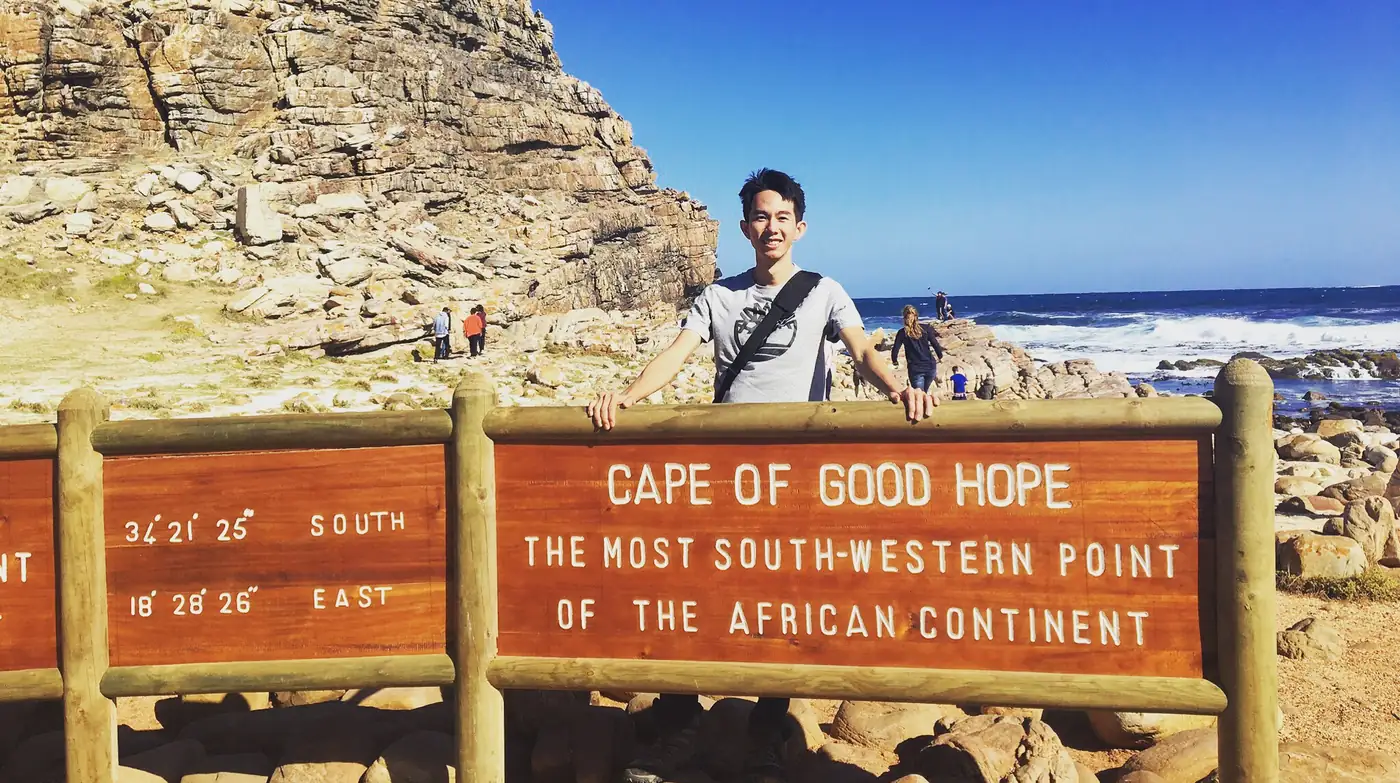
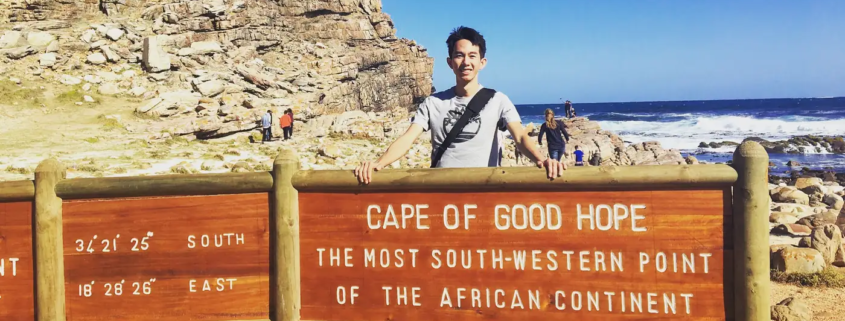
Spencer at the Cape of Good Hope sign

Over Christmas 2016 and into the New Year, a friend and I drove more than 3,000 km across South Africa and into Lesotho, with a stop in Dubai on the way.

It was my first time in Africa. In 2 weeks we went shark-cage diving, rode an ostrich, did a safari in our own car, and crossed into a country that many people have never heard of.
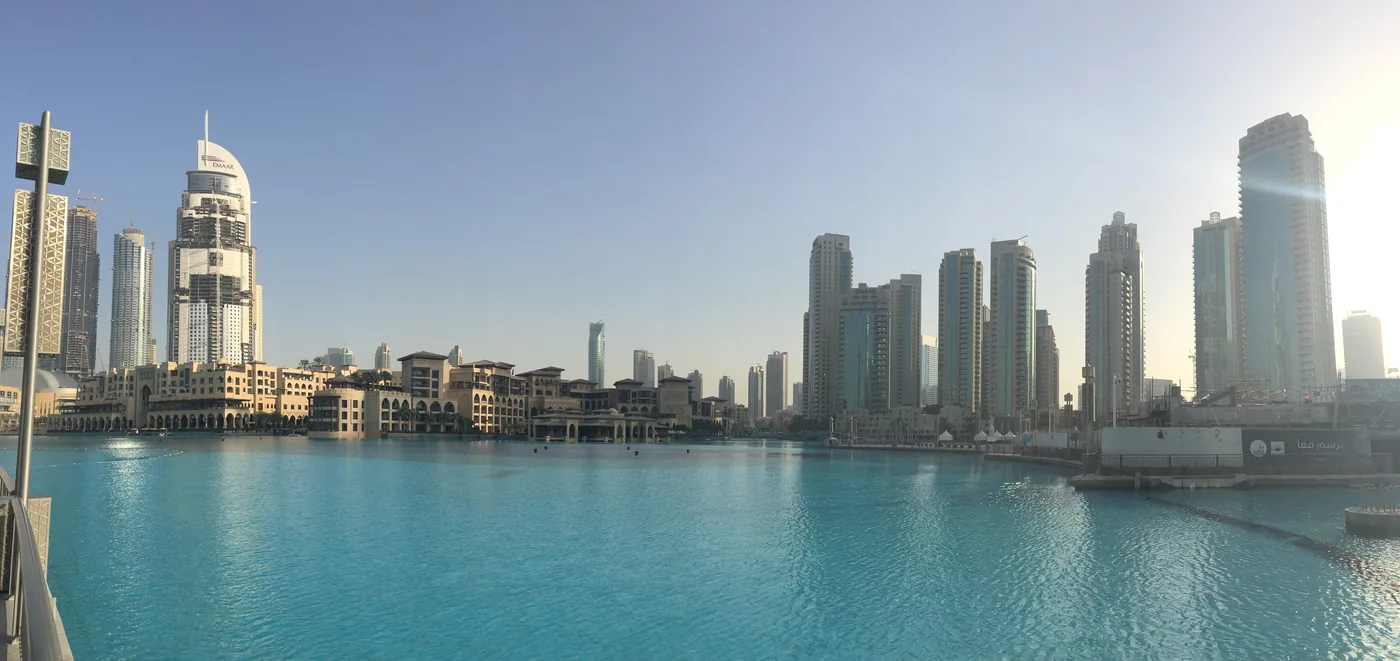
Downtown Dubai across the Burj Lake

How far is 3,000 km, really?

Spencer at the Cape of Good Hope sign
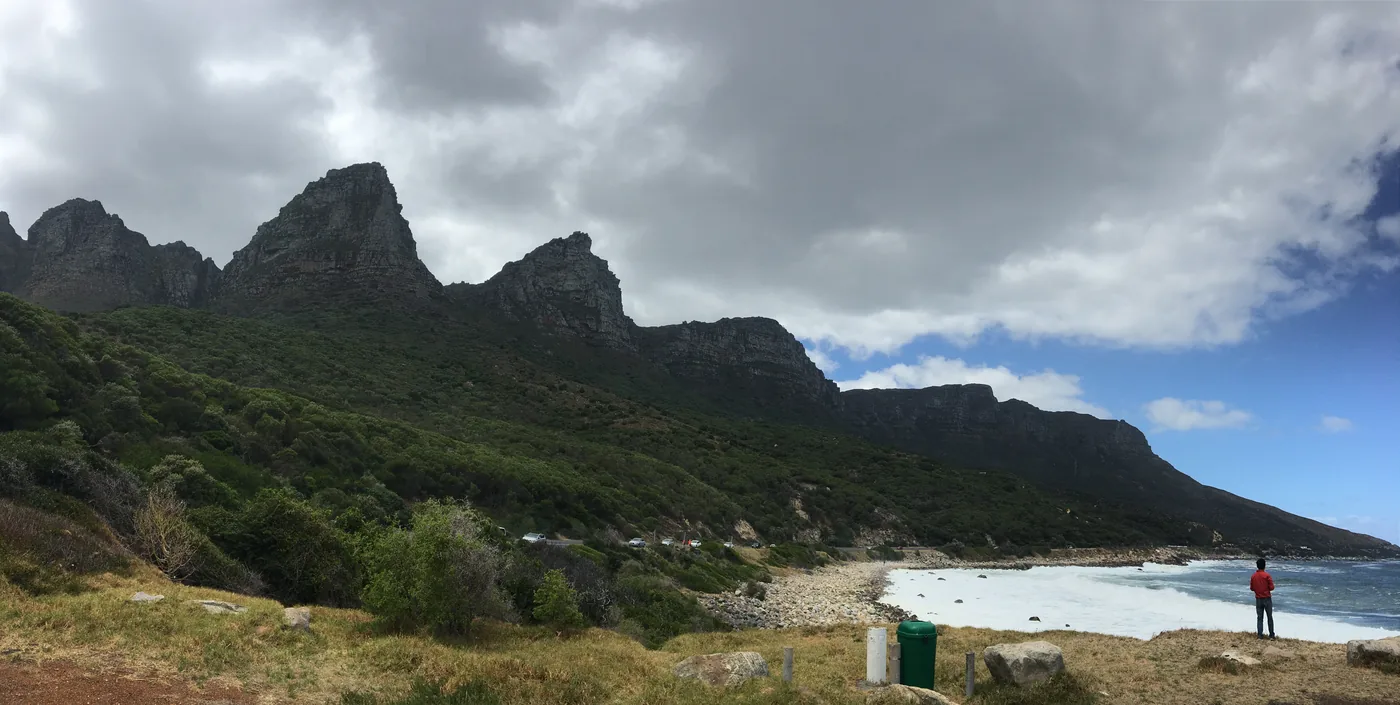
The coast road under the Twelve Apostles

Let me put the number in Singapore terms. 3,000 km over about 14 days works out to roughly 210 km a day, every day, on average. The drive from Singapore to Kuala Lumpur is about 350 km, so it is like doing more than half of that trip daily for 2 weeks straight.

The timing helped. December is midsummer in South Africa, so the days are long, with the sun setting in Cape Town at around 8pm, which matters a lot when you still have 200 km to cover after a late lunch.

So why drive at all, when a tour bus could do the work? South Africa drives on the left, the same side as Singapore, so the steering wheel sits on the side a Singaporean driver expects. And with our own car, we could stop for a view, a farm stall or a herd of something on the roadside whenever we wanted.

What is shark-cage diving actually like?
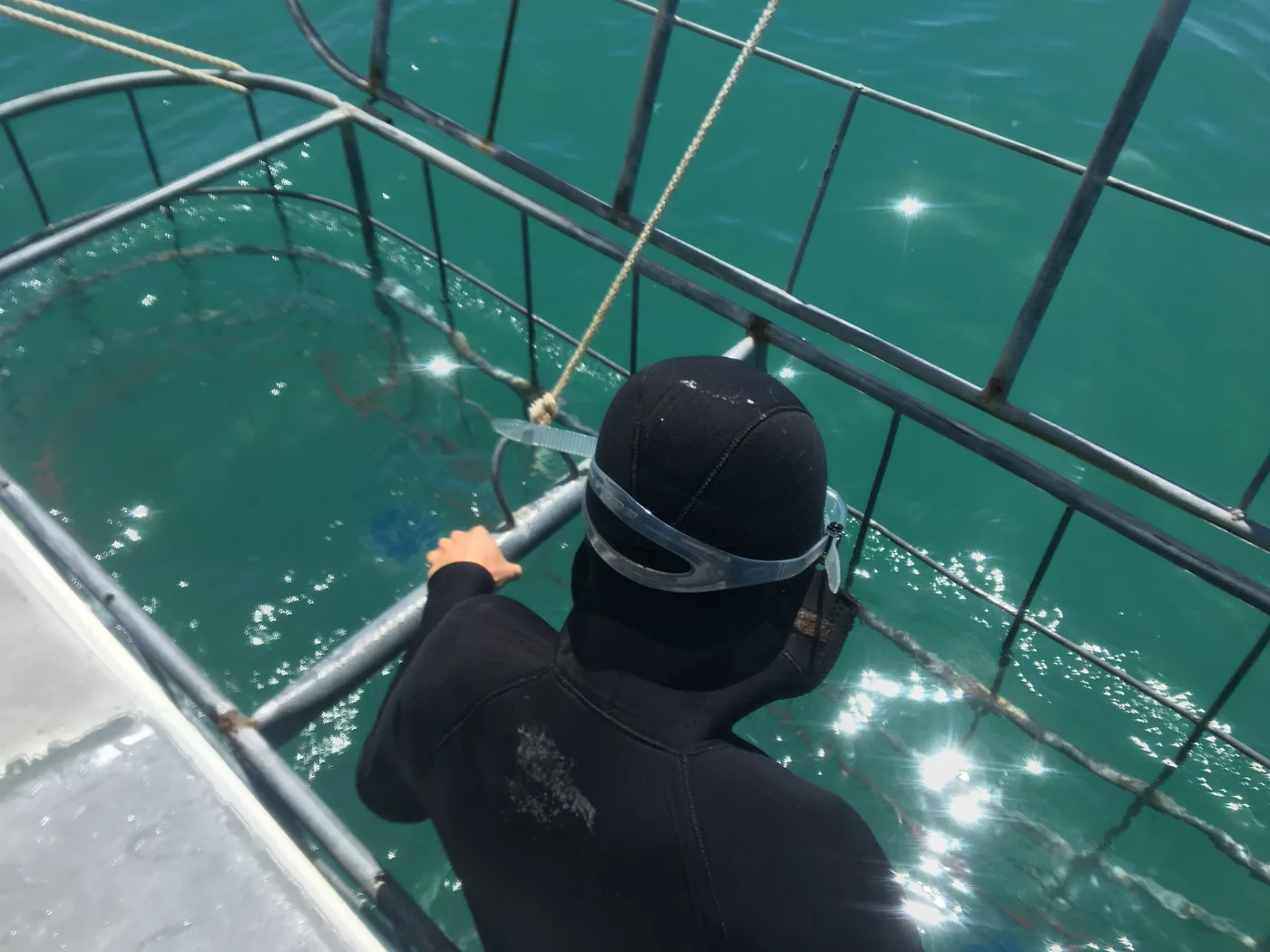
A diver in the shark cage
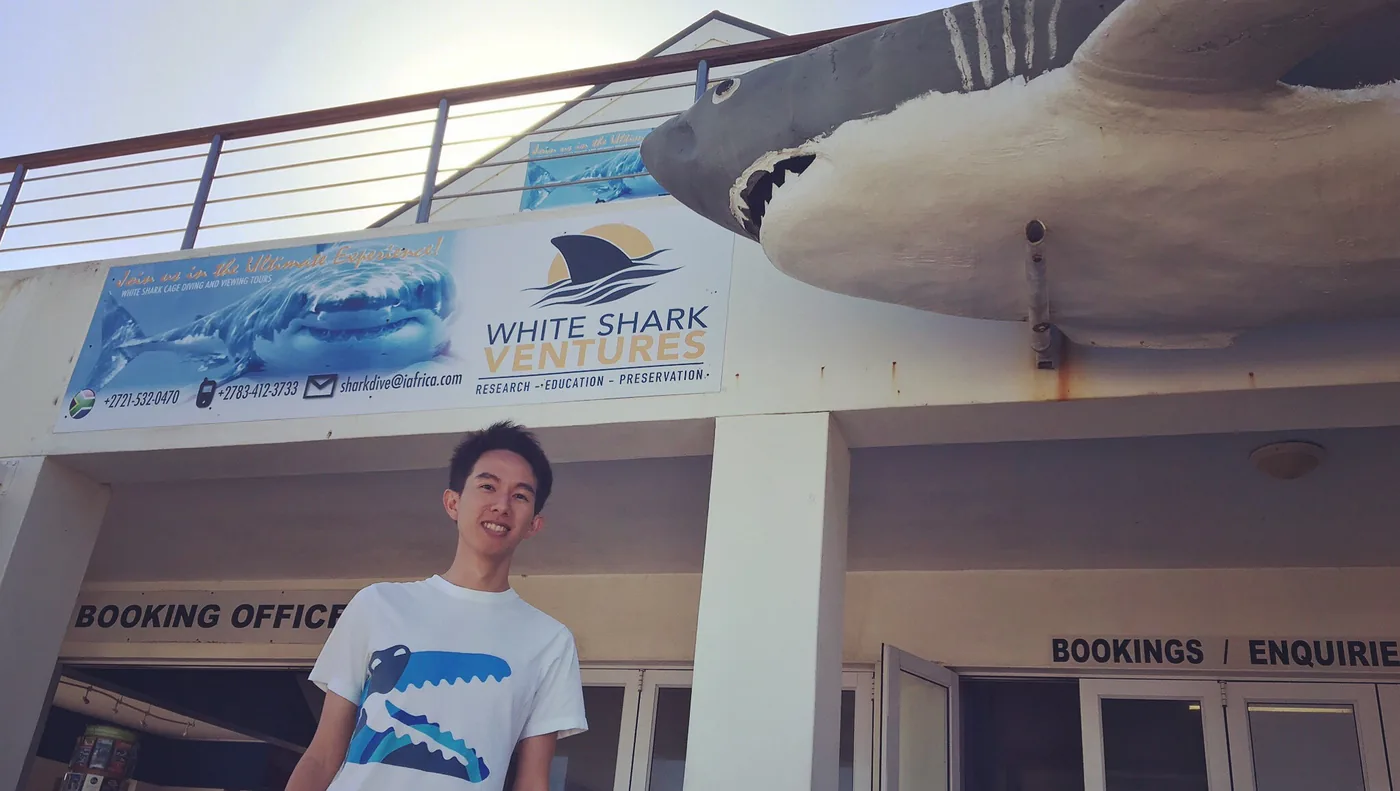
Spencer at the shark cage diving office

Here is how it works. A boat takes you out to where great white sharks feed, and a steel cage is tied to its side. You climb in wearing a wetsuit and a mask, the crew throws fish bait into the water to bring the sharks closer, and when one swims past, you hold your breath and duck under to watch it. You need no scuba licence for this, which suited me, because I snorkel and do not dive.

Did I really ride an ostrich?
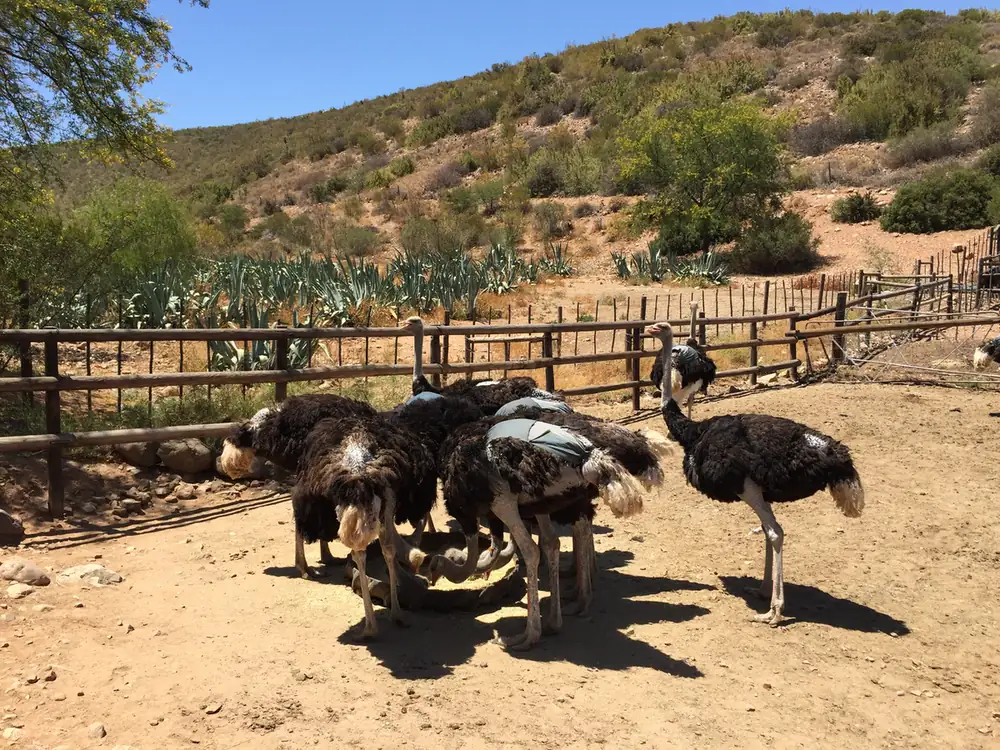
Ostriches at a feeder
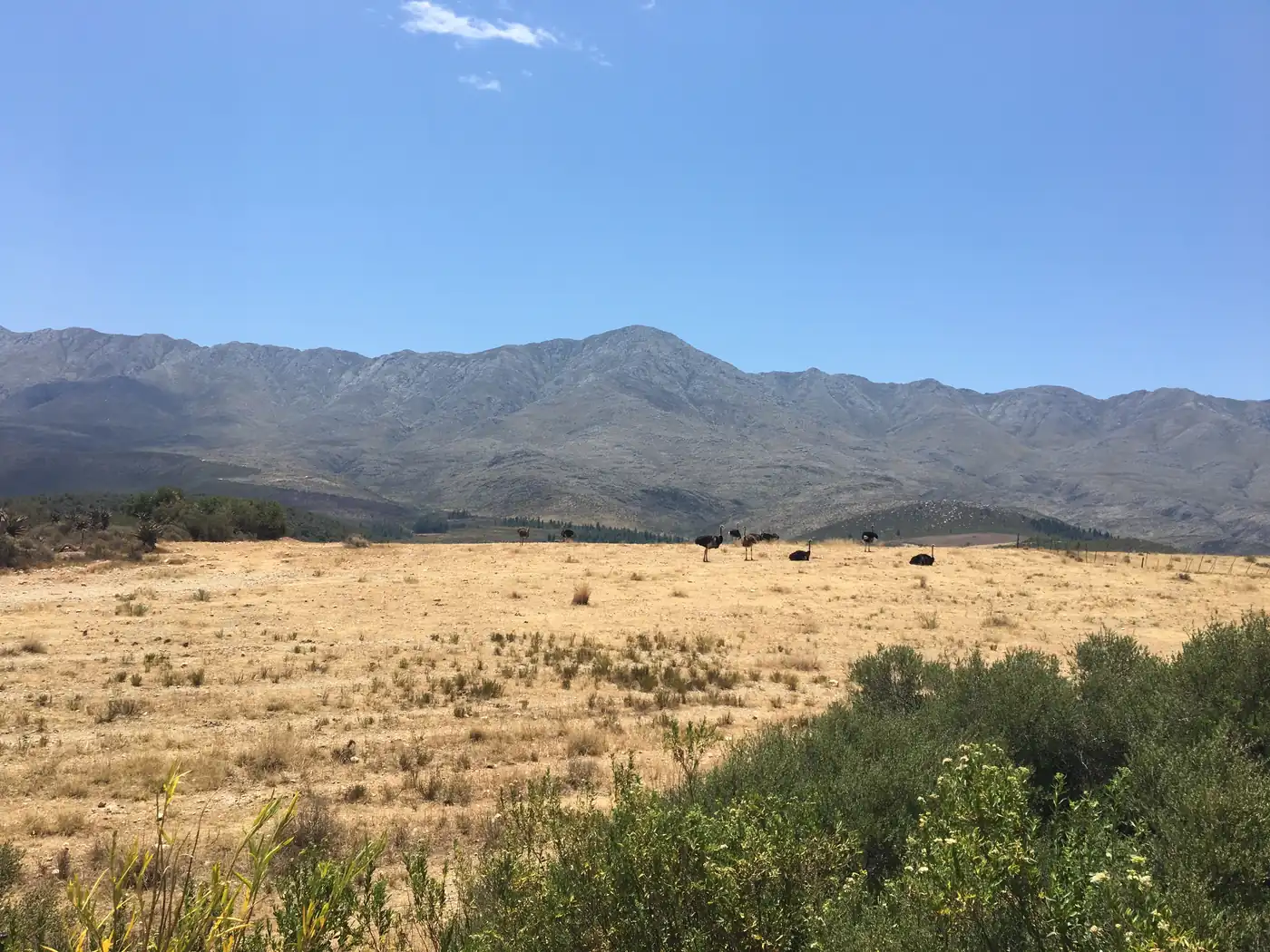
Ostriches on the Karoo veld

Yes, I did. It sounds like a joke, but the farms there offered rides to visitors.

The ostrich farms are around Oudtshoorn, in the Little Karoo, a town that got rich from ostrich feathers in the late 1800s, when every fashionable hat in Europe needed one.

How does a self-drive safari work?
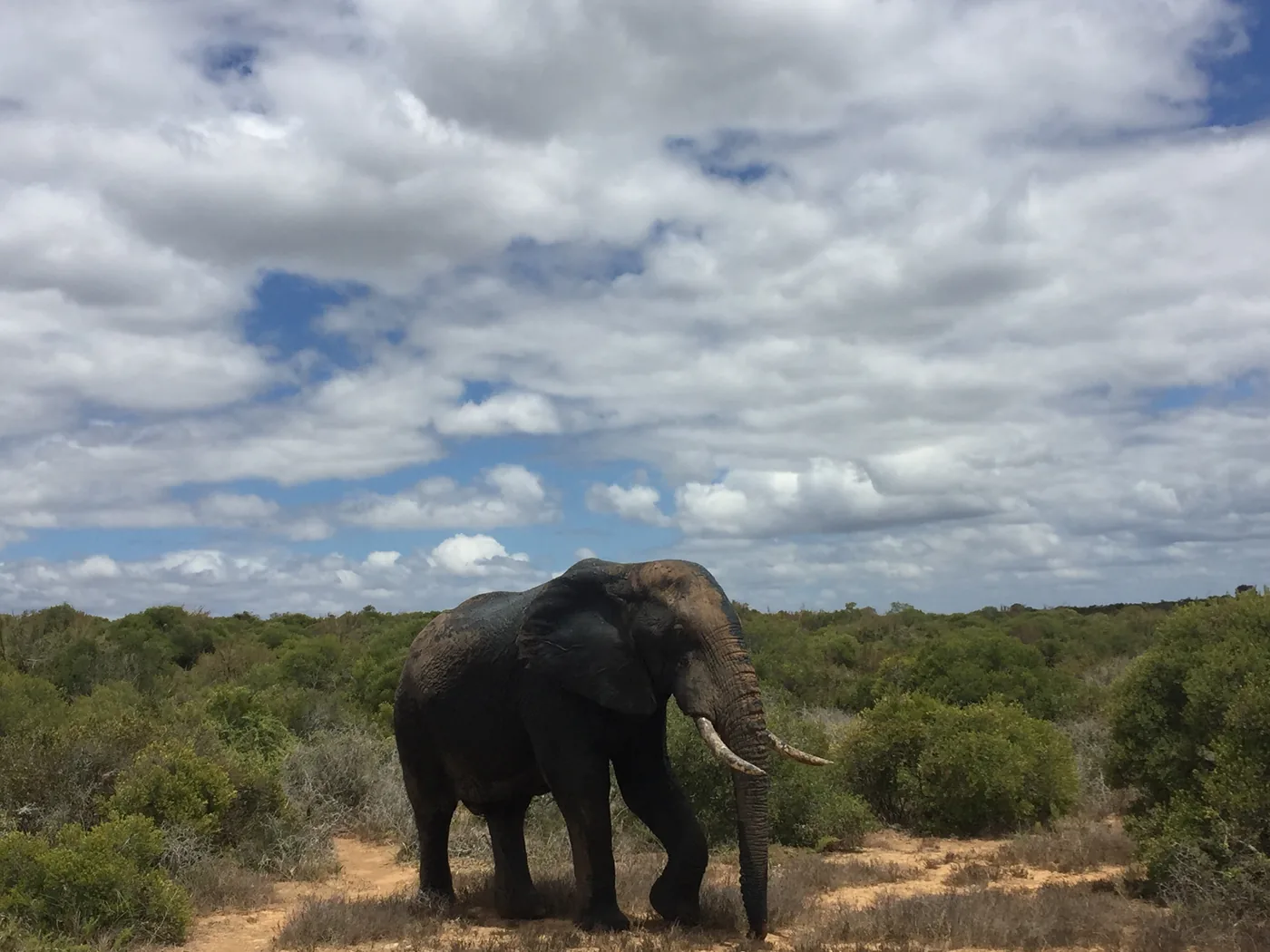
A lone elephant by the road
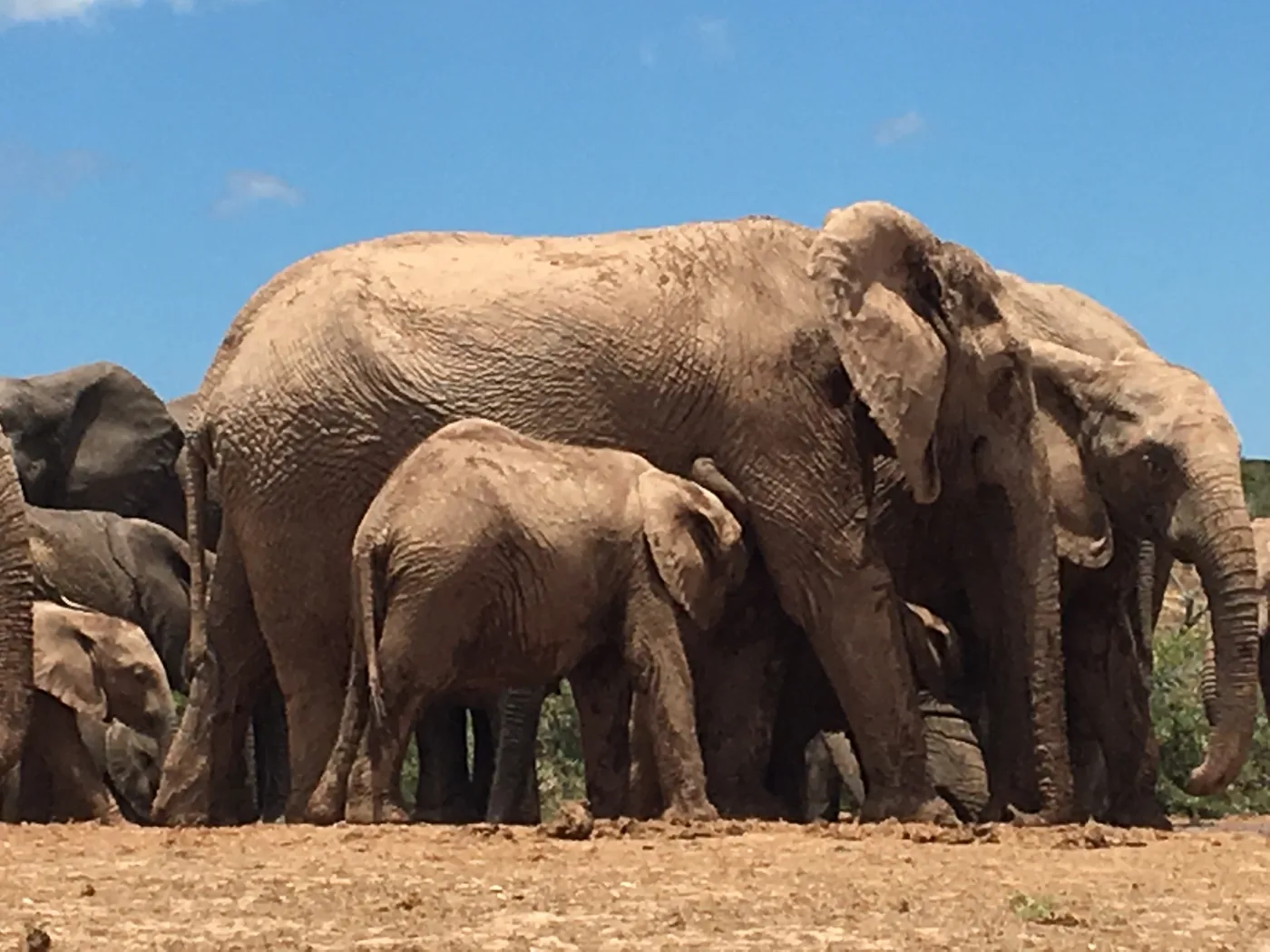
An elephant mother and calf at a waterhole

Most people picture a safari as an open jeep with a ranger. In parks like Kruger, you can also do it yourself. We did ours in Addo Elephant National Park, near Gqeberha (Port Elizabeth). You drive your own car on the park roads, you stay inside it the whole time, you get out of the park before the gates close at sunset, and the animals are wherever they happen to be that day.

That last part is the whole game. You drive slowly, you scan the bush, and you watch for other cars stopped at odd angles, because that usually means someone has found something.

Is Lesotho really a country?
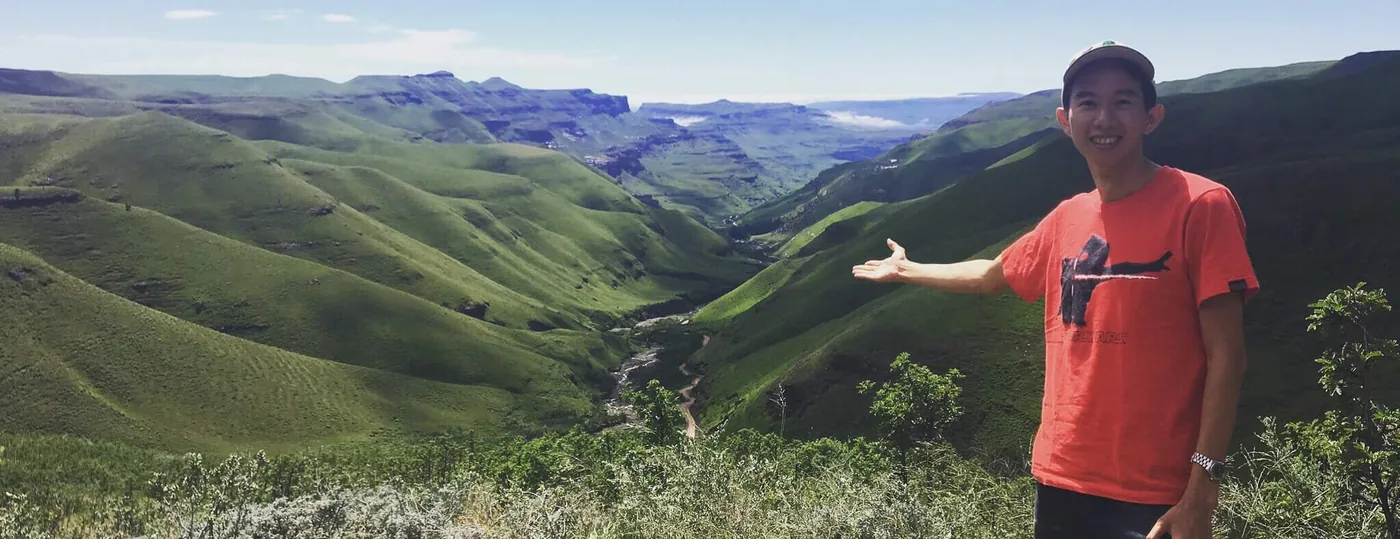
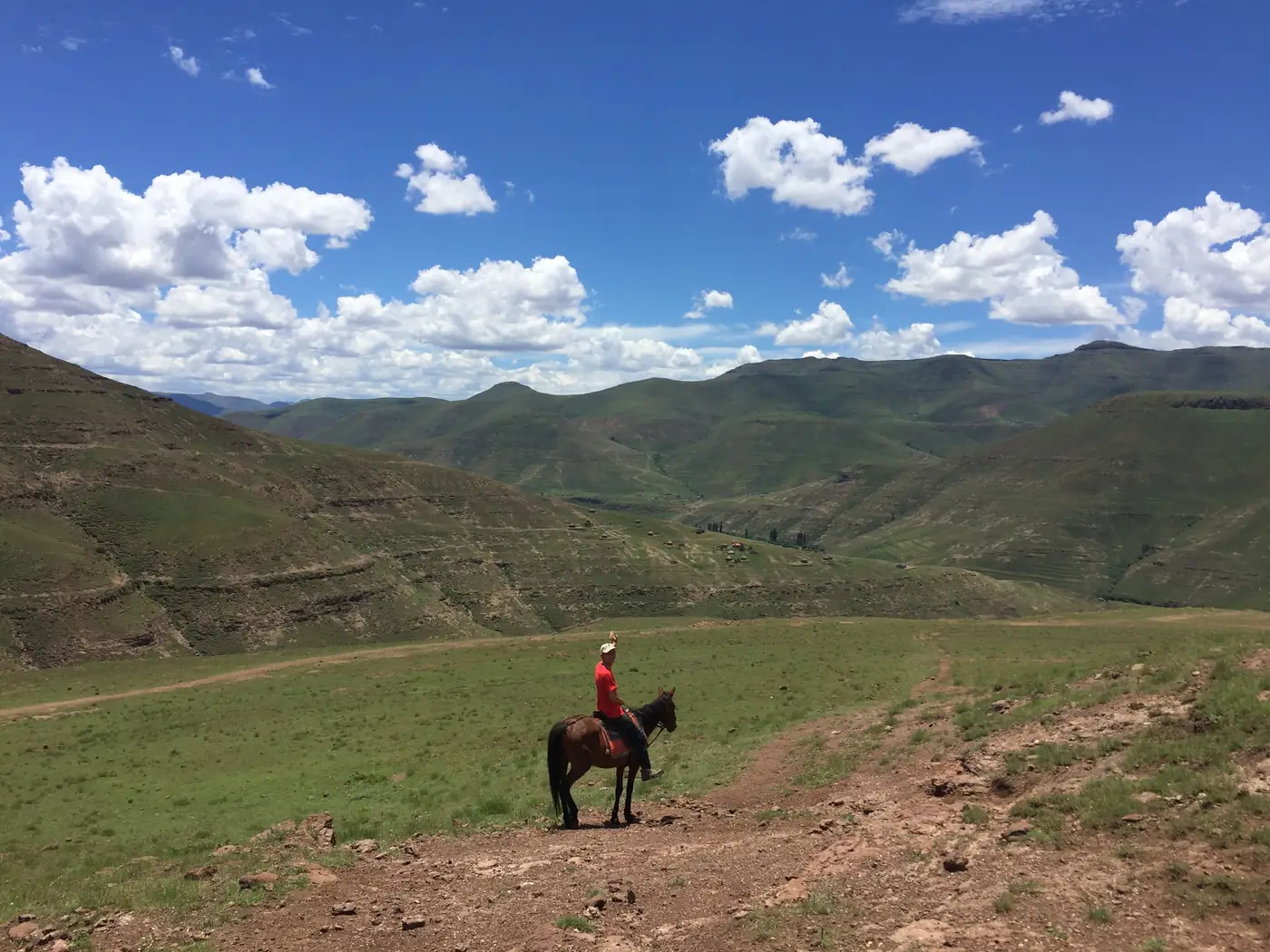
Spencer above a green valley in Lesotho
A tiny rider in a green valley

When I first told people I was going to Lesotho, I had to add, “Yes, this is a country!”

Lesotho is an independent kingdom completely surrounded by South Africa. Only 3 countries in the world sit entirely inside another one, and the other 2 are San Marino and the Vatican. The difference is altitude. The whole of Lesotho sits above 1,000 m, and its lowest point is around 1,400 m, which is why it calls itself the “Kingdom in the Sky”.

How did the trading fit in?
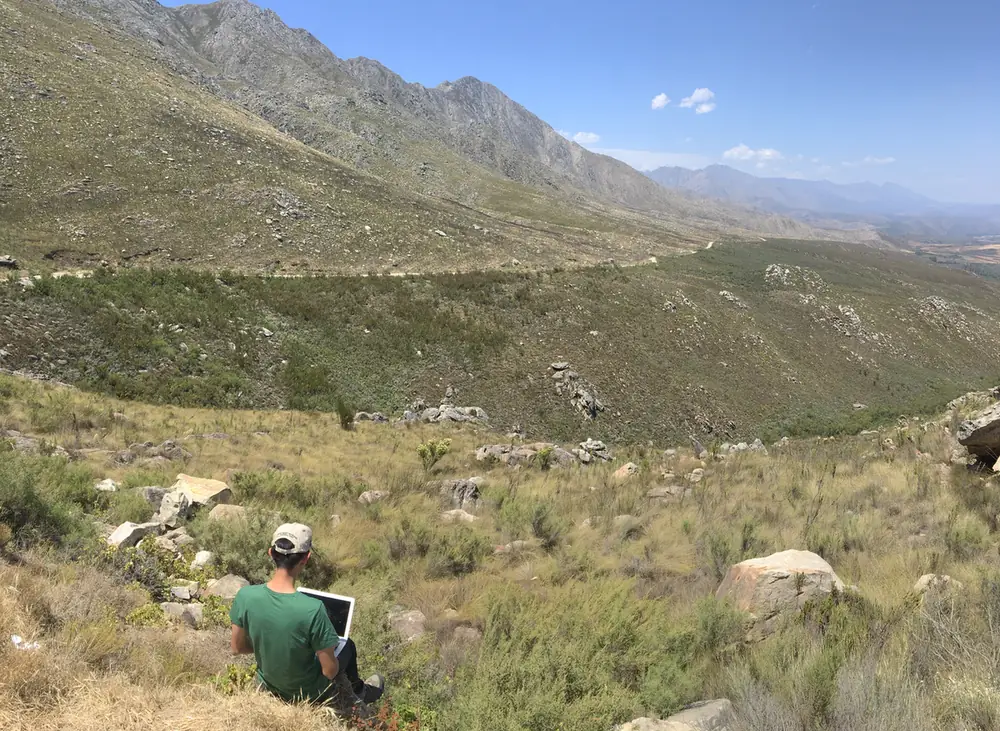
Working on a laptop on a hillside, South Africa

I kept trading the whole time, for about 15 minutes a day, just as I do at home.

That routine is the reason a 2-week drive across a continent is possible at all. I wrote up how it works, the watchlist, the alerts and the time zones, in how I trade while travelling.

What would I tell a friend planning this trip?
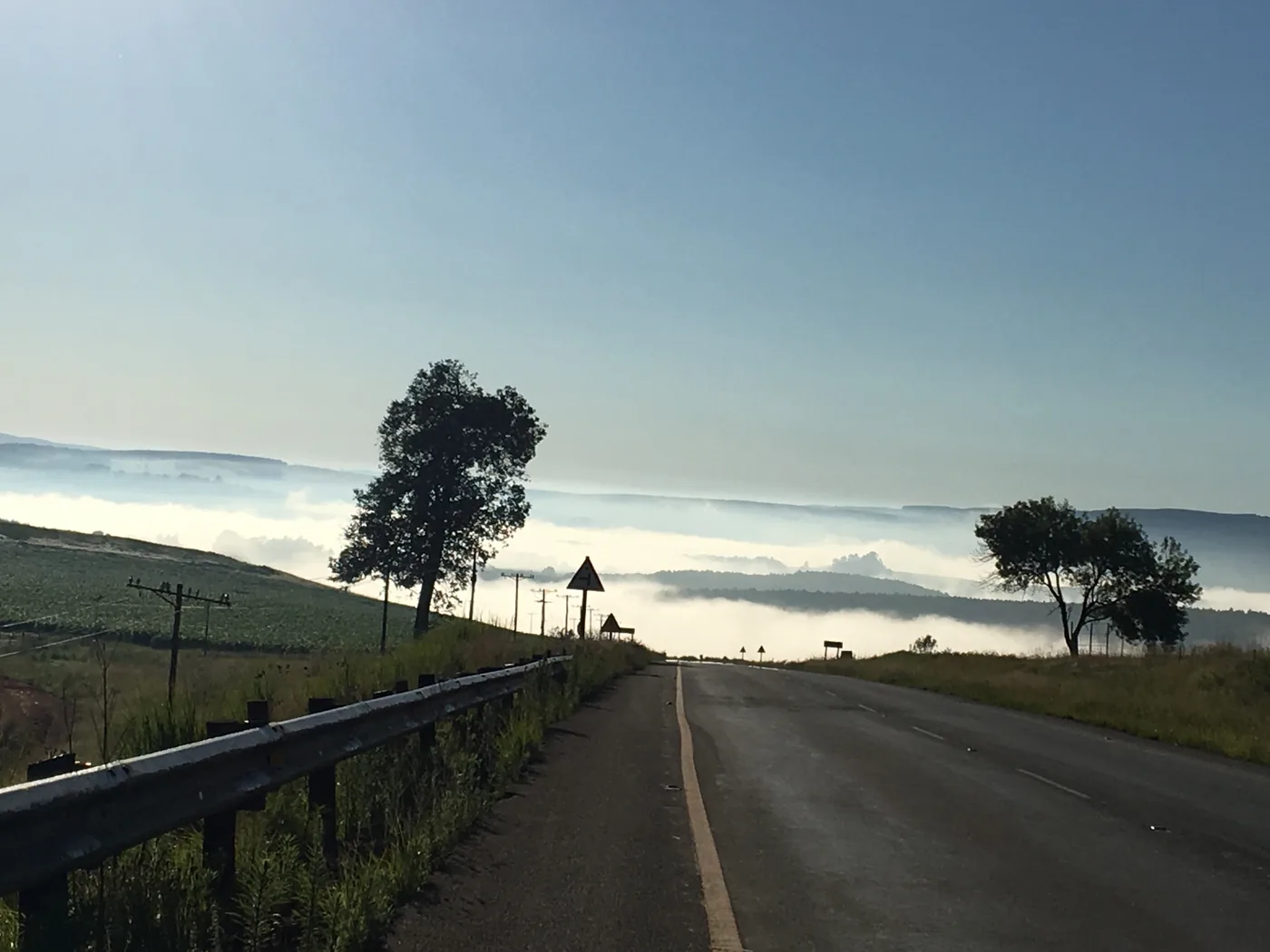
An empty dawn road, mist in the valley

If you are planning a South Africa road trip, the one thing I would tell a friend is to count the kilometres before you count the sights. The country is huge, the sights are far apart, and 210 km a day adds up fast when you also want time to stop.

This trip came 2 months after my trip to Ireland, Iceland and the UK, so I went from Iceland in October to South Africa in its midsummer.

Have you driven in South Africa? Would you get in the shark cage? Let me know in the comments.

All my other trips are on the travel log, country by country, and more photos are on Instagram, @iamrecneps.
Spencer Li

by Spencer Li
https://synapsetrading.com/wp-content/uploads/2026/10/dubai-south-africa-2017-spencer-at-the-cape-of-good-hope-sign.webp 783 1400 Spencer Li https://synapsetrading.com/wp-content/uploads/2026/10/synapse-logo-horizontal-light.png Spencer Li2017-01-29 02:47:142026-08-22 20:20:11Dubai, South Africa and Lesotho: 3,000 km by Road in 2 Weeks
Spencer Li

Iceland, Ireland and the UK: 18 Days from Dublin to London, with a Week in Iceland in Between

Travel & Lifestyle
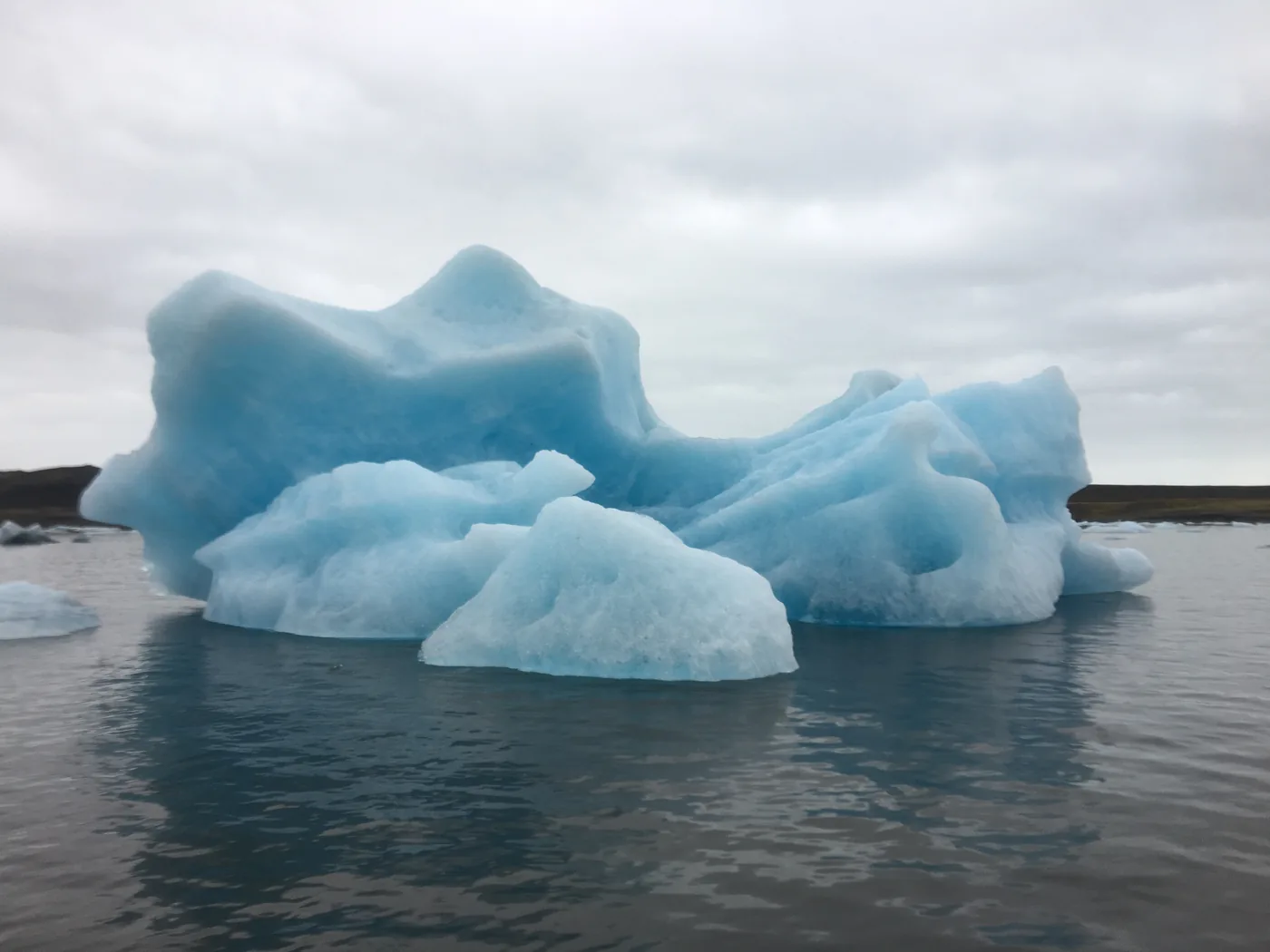
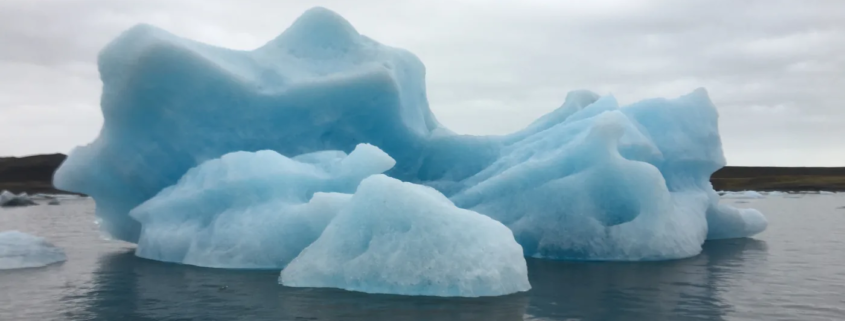
A blue iceberg in Jökulsárlón

In October 2016, my sister and I spent 18 days in three countries: Ireland, Iceland and the UK. Iceland was on my bucket list, and this trip ticked it off.

The route was simple. We flew into London, went straight on to Dublin for 4 days, then flew to Reykjavík for 8 days, and finished with 4 days back in London before the long flight home to Singapore. So it went city, then a week of nature, then city again.

What do you do with 4 days in Dublin?

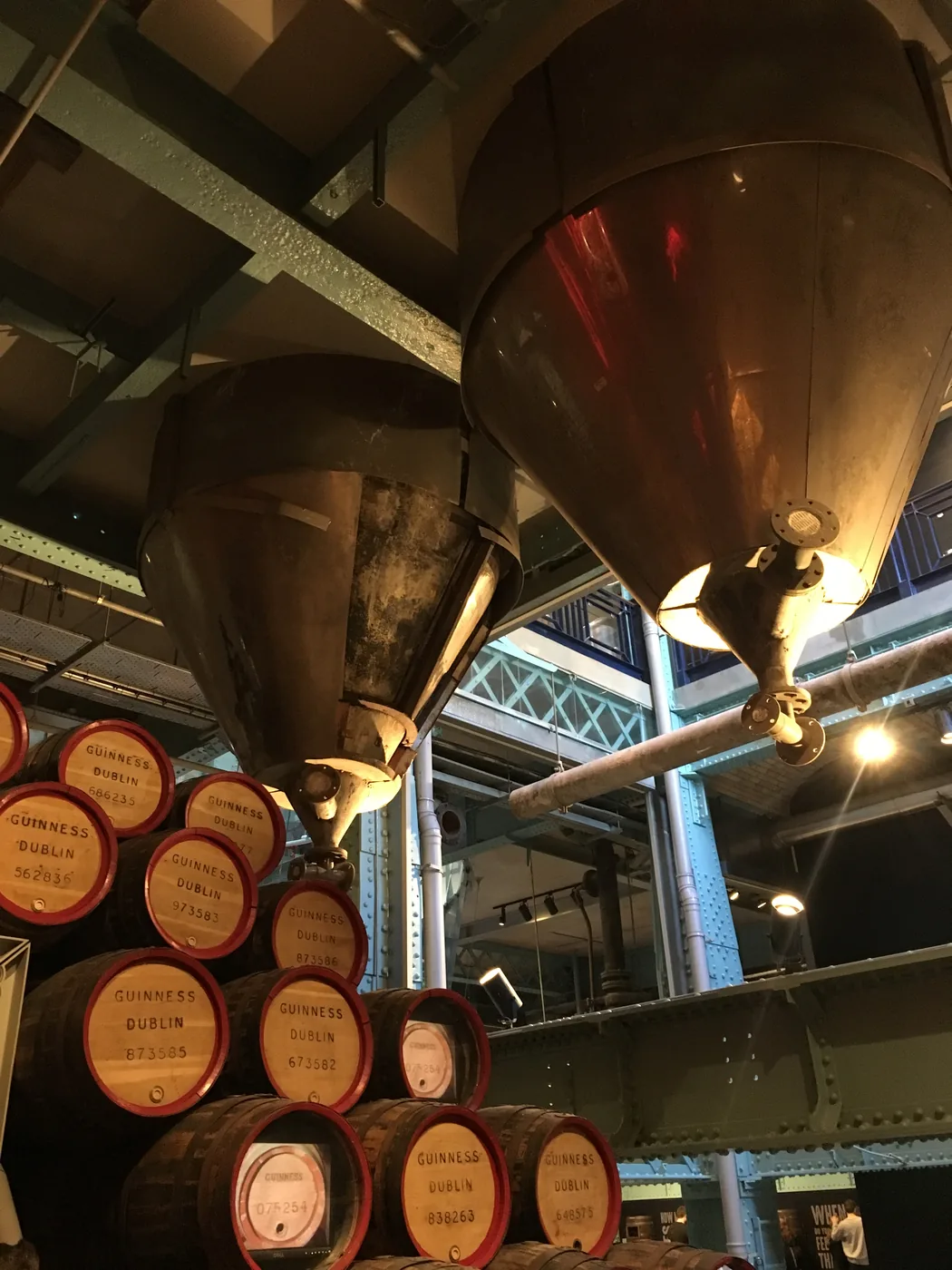
Copper vessels and barrels in the Guinness Storehouse
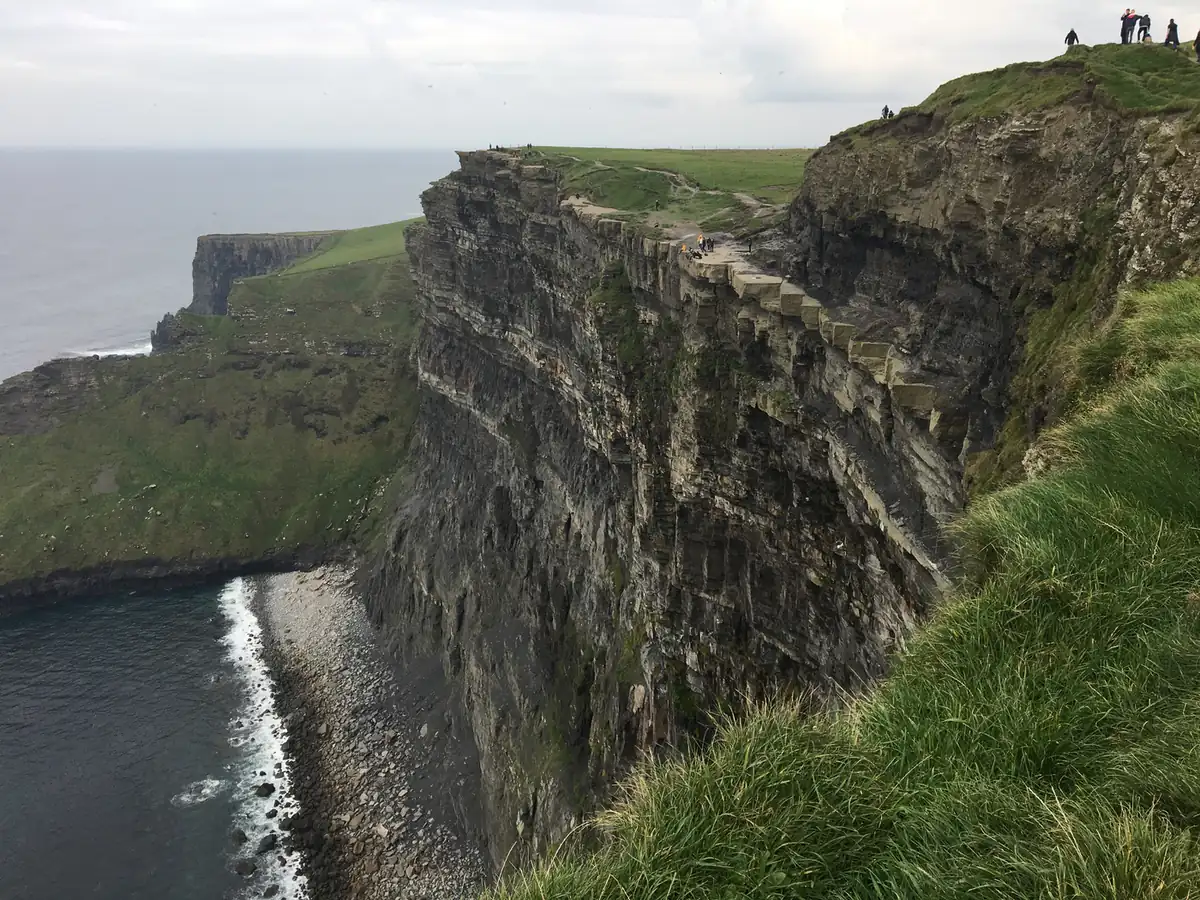
The Cliffs of Moher

We started with the big three sights in the city. The first was the Guinness Storehouse, where the tour ends with a pint in a glass bar on the top floor looking over the city. The second was Kilmainham Gaol, the old prison where the leaders of the 1916 Easter Rising were executed, which is a much heavier visit than the brewery. The third was Trinity College, home of the Book of Kells.

Then we took 2 day trips, the first to the Cliffs of Moher, which drop about 200 m into the Atlantic, and the second to Glendalough, a monastic site in the Wicklow Mountains, and on to Kilkenny.

What did we see first in Iceland?

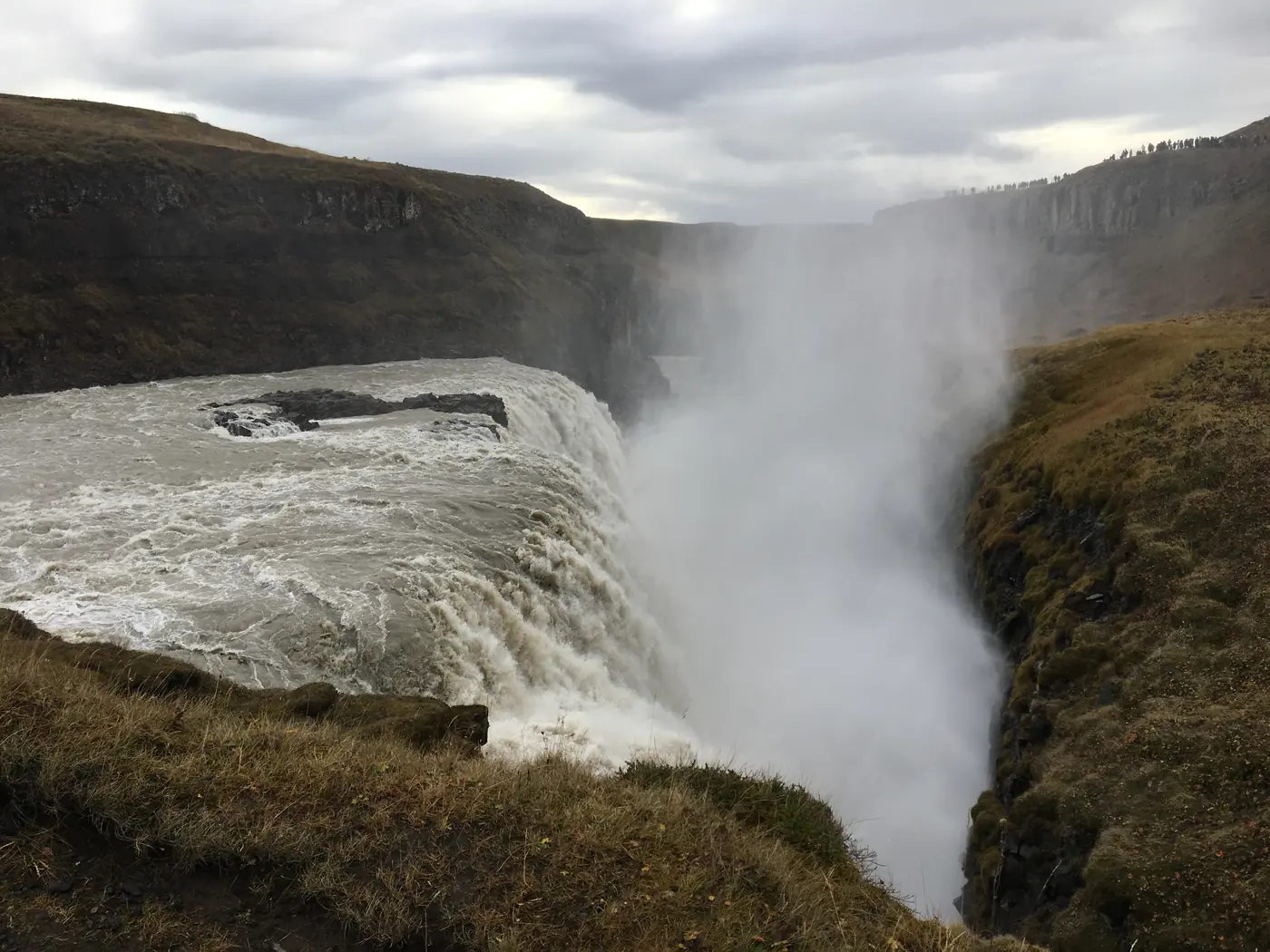
Gullfoss from the rim
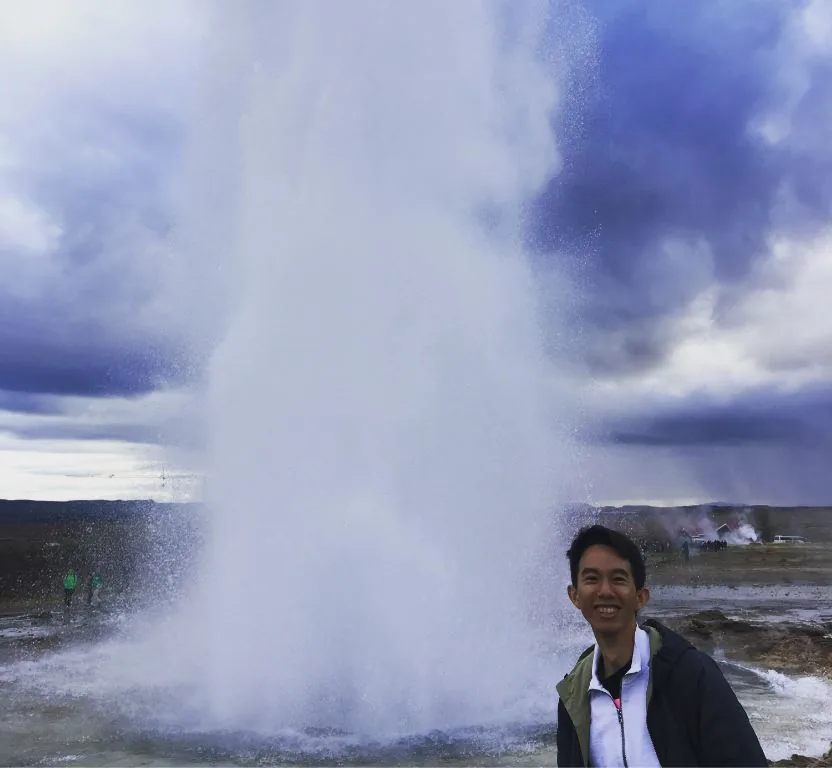
Strokkur erupting at Geysir

Iceland is about the size of South Korea, with fewer than 400,000 people, which is roughly 1 person for every 15 in Singapore.

Then came the nature part.

Most first-timers start with the Golden Circle, and so did we. Þingvellir is the national park where the old Icelandic parliament met from the year 930. Gullfoss is a huge two-step waterfall. And at Geysir, the Strokkur geyser shoots water into the air every few minutes, so a small crowd stands around it with phones up, waiting. We added Kerið, a crater lake with red volcanic walls, on the same loop.

What is on Iceland’s south coast?

A blue iceberg in Jökulsárlón
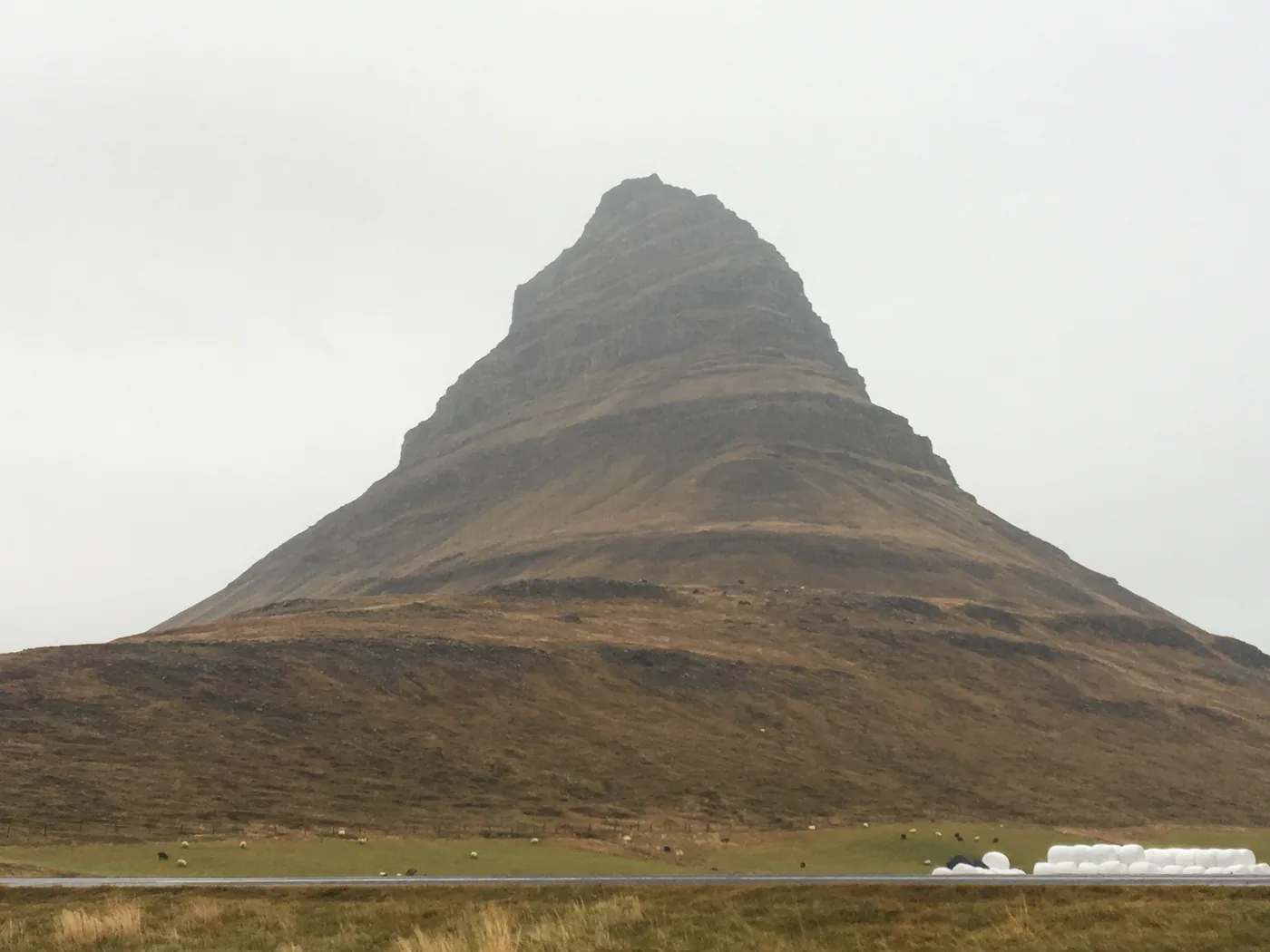
Kirkjufell

Iceland’s main highway, Route 1, is a loop of about 1,300 km around the whole island, and most people call it the Ring Road. Our stretch of it ran out from Reykjavík along the south coast.

The south coast is waterfall country. Skógafoss is a wide curtain of water you can walk right up to, and on a sunny day there is often a rainbow in the spray. Further east, about 370 km from Reykjavík, is Jökulsárlón, a lagoon where chunks of glacier break off and float out to sea. We also did a glacier hike nearby.

On a separate day, we went north to the Snæfellsnes peninsula, which people call “Iceland in miniature” because it has a bit of everything. It is also where Kirkjufell is, the mountain you may know from Game of Thrones.

Did we see the Northern Lights?

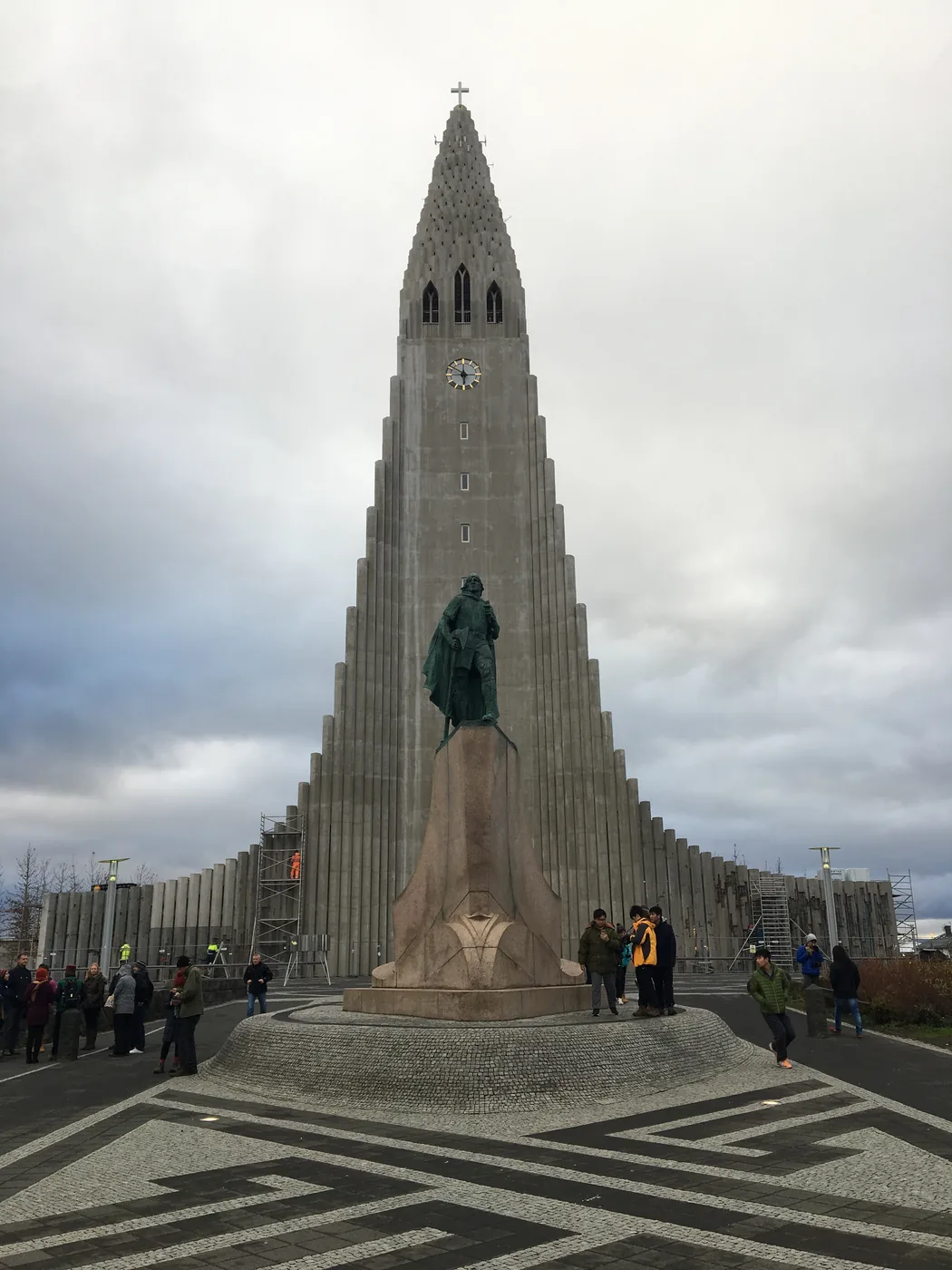
Hallgrímskirkja
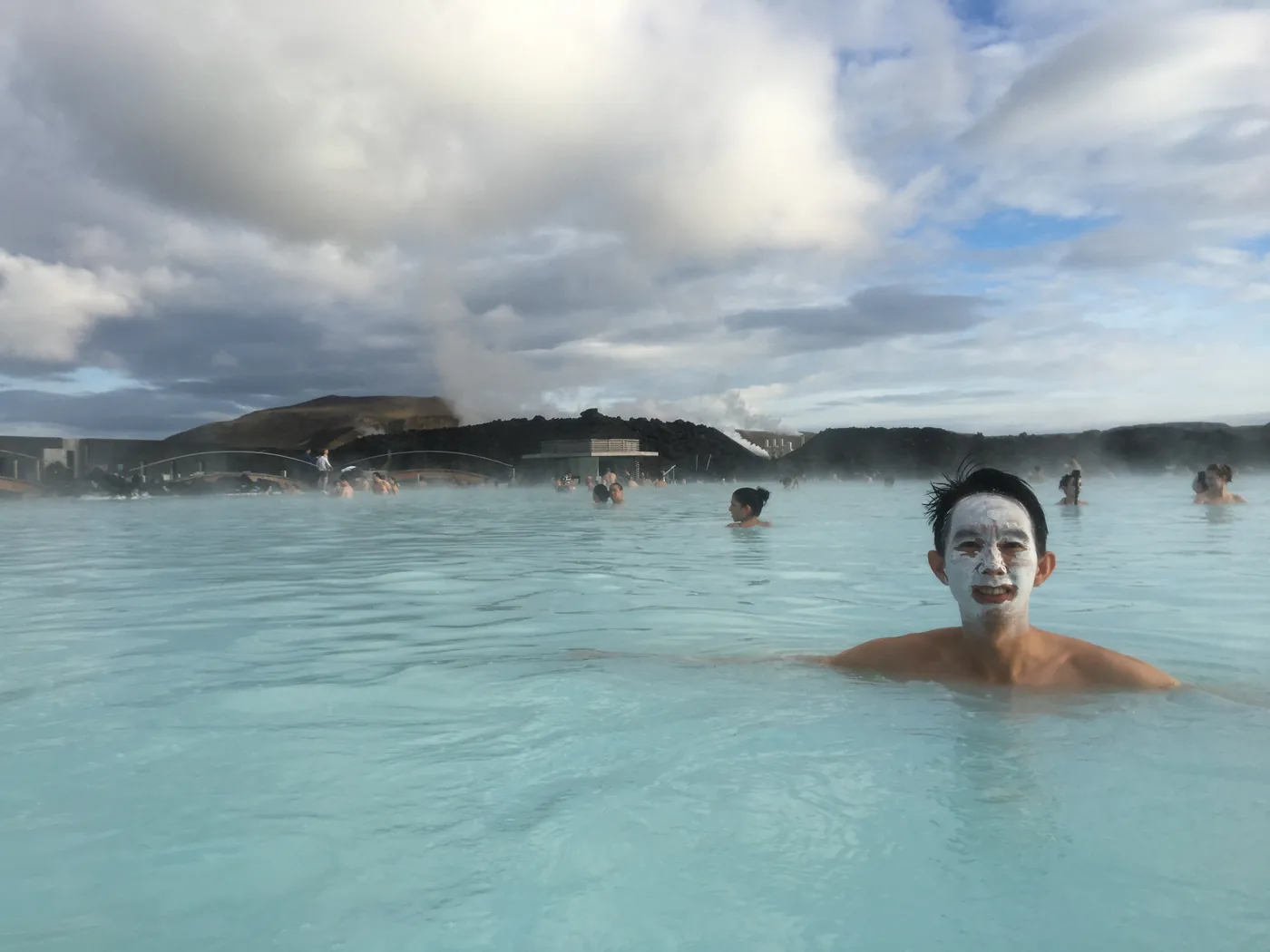
Spencer in the Blue Lagoon

We tried, but no. October is early in the season, so it is never guaranteed, and it comes down to a clear night and some luck. We did not get either, so the Northern Lights are still a reason to go back.

Back in Reykjavík, we did a free walking tour, the Sunday market, the Harpa concert hall and, on the way out, the Blue Lagoon.

What does Iceland taste like?

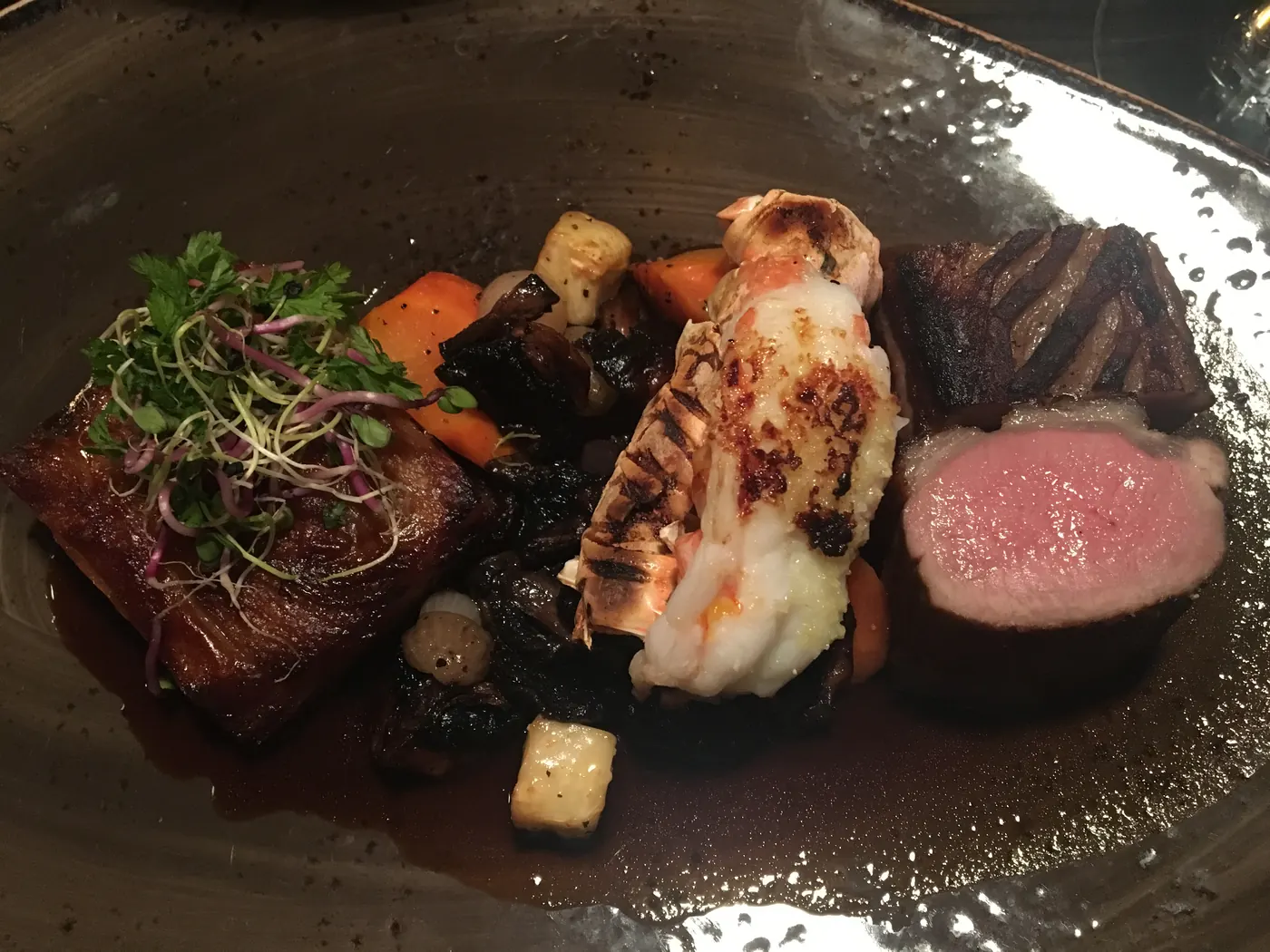
Icelandic lamb, langoustine and fish on one plate, Reykjavík

Icelandic food runs from comforting to challenging. At the comforting end, there is the lobster soup at Sea Baron, a small harbour-side place in Reykjavík. At the challenging end, we tried minke whale. And then there is hákarl, the fermented shark that Icelanders serve in a small cube with a shot of schnapps to wash it down. The smell of ammonia hits you first, and most people give up right there.

What did we do back in London?

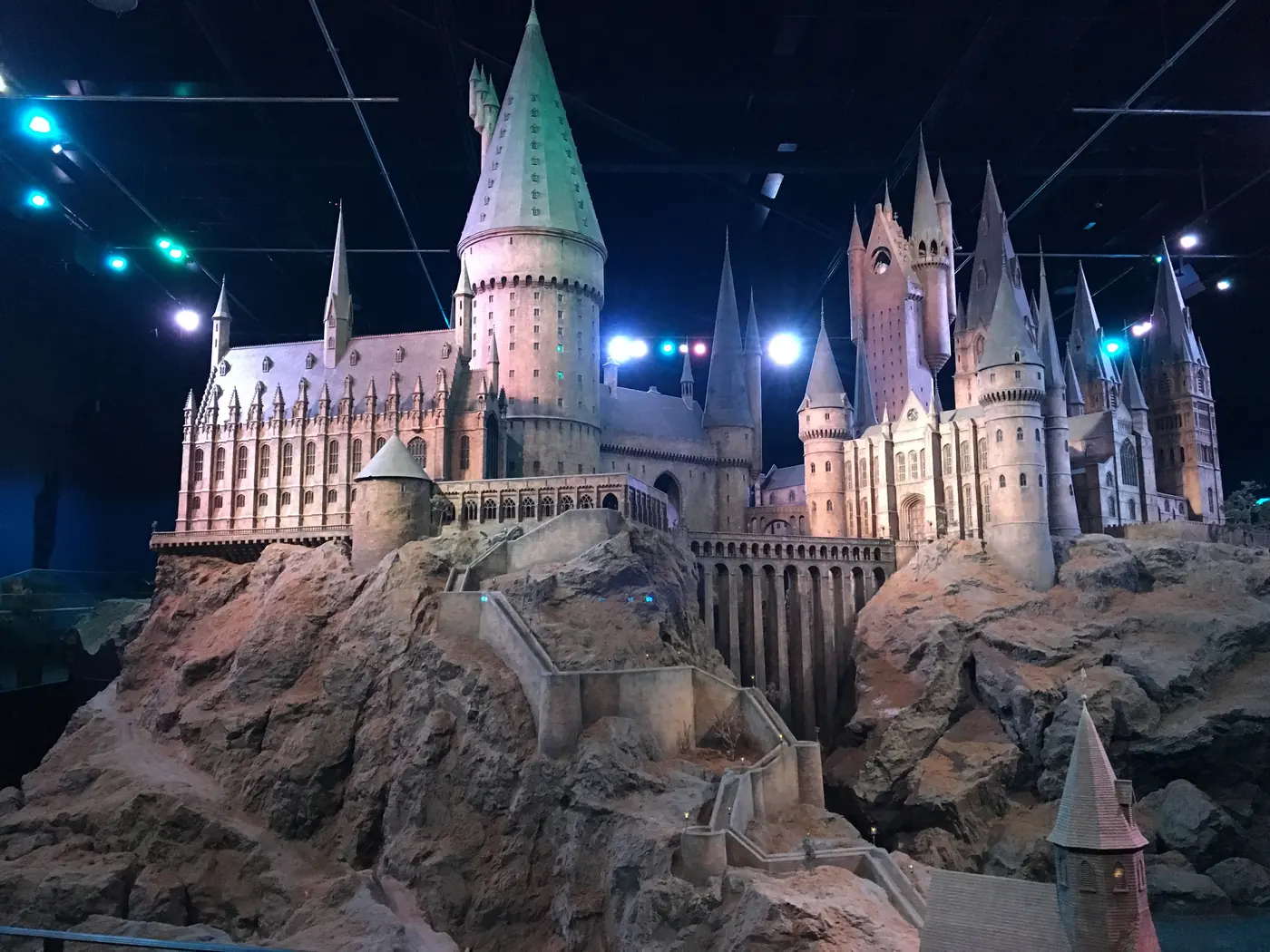
The Hogwarts model, Harry Potter Studio Tour
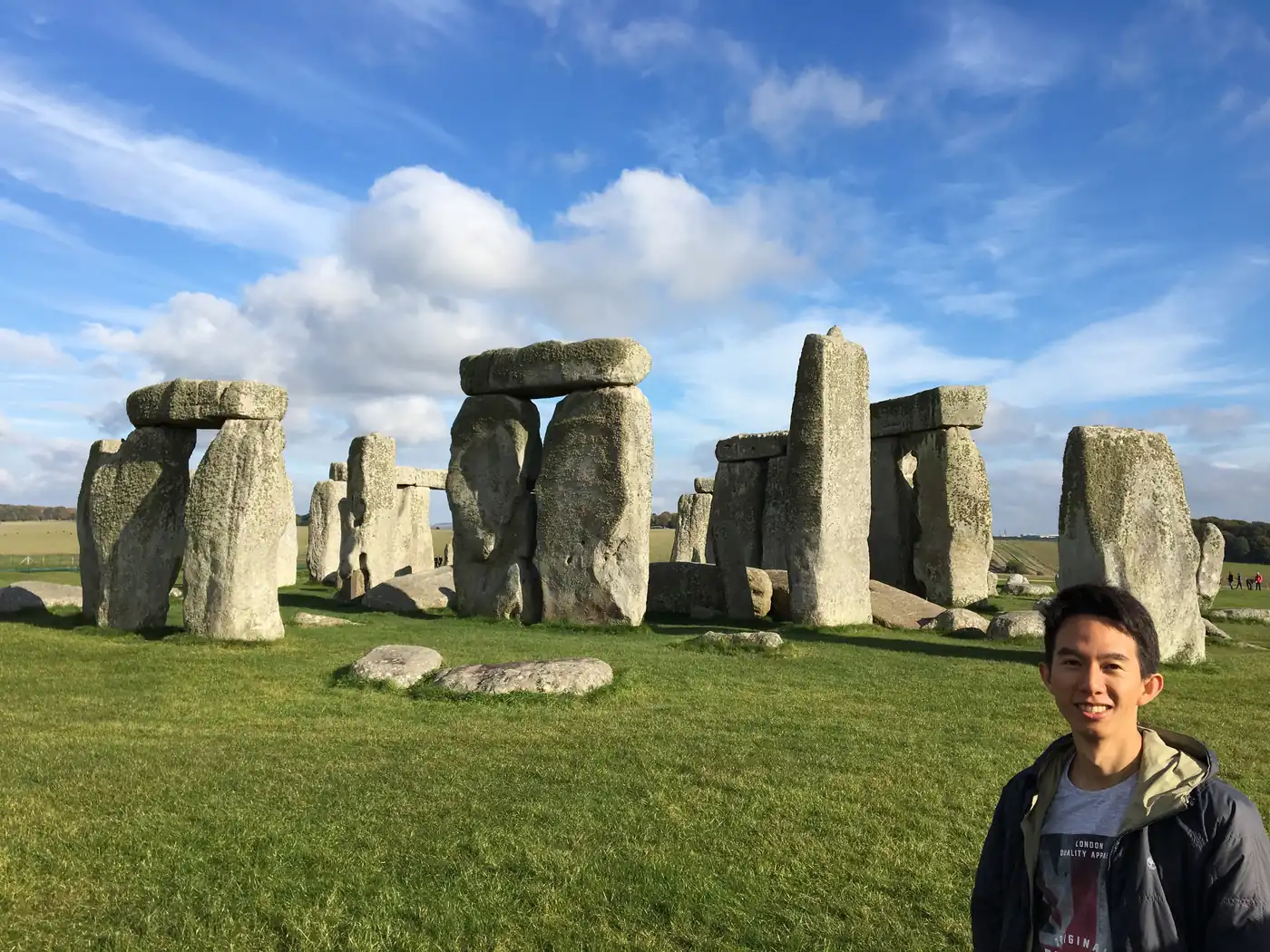
Spencer at Stonehenge

The last 4 days were London. We watched The Book of Mormon, had lunch at Gordon Ramsay’s Maze Grill, and did the Harry Potter Studio Tour. With friends who live in London, we took a day trip to Stonehenge and the Roman Baths in Bath. We also went to Dover for the white cliffs, and did a walking tour past Big Ben, the London Eye and Buckingham Palace for the changing of the guard.

How did the trading fit in?

The same way it always does, in about 15 minutes a day, and I kept supporting my students and traders from the road. Europe in October sits 7 to 8 hours behind Singapore, so the time zones need a little planning.

I wrote up how the routine works, the watchlist, the alerts and the time zones, in how I trade while travelling.

Where did I go next?

Two months later, I was off again, this time on a 3,000 km drive through South Africa and Lesotho.

Have you been to Iceland? Would you try the fermented shark? Let me know in the comments.

All my other trips are on the travel log, country by country, and more photos are on Instagram, @iamrecneps.
Spencer Li

by Spencer Li
https://synapsetrading.com/wp-content/uploads/2026/10/iceland-uk-2016-a-blue-iceberg-in-jokulsarlon.webp 1050 1400 Spencer Li https://synapsetrading.com/wp-content/uploads/2026/10/synapse-logo-horizontal-light.png Spencer Li2016-12-20 03:40:082026-08-05 20:43:13Iceland, Ireland and the UK: 18 Days from Dublin to London, with a Week in Iceland in Between
Spencer Li

Mount Kinabalu: A 36-Hour Climb, a Via Ferrata and Whitewater Rafting in Sabah

Travel & Lifestyle
2016 04 16 09.32.59

In April 2016, I spent a week in Sabah, on the Malaysian side of Borneo, for 2 things I had wanted to tick off for years: whitewater rafting on the Padas River, and climbing Mount Kinabalu.

Here is a rough log of both, with the tips I learned the hard way. If you are planning either, the short version is this: train first, pack less, and pay the porter.

What is rafting the Padas River like?

The rafting itself is not that physically demanding. The hard part is getting there. The river is about 4 to 5 hours from Kota Kinabalu each way, so we woke at 5am to catch the morning transport out, and got back late.

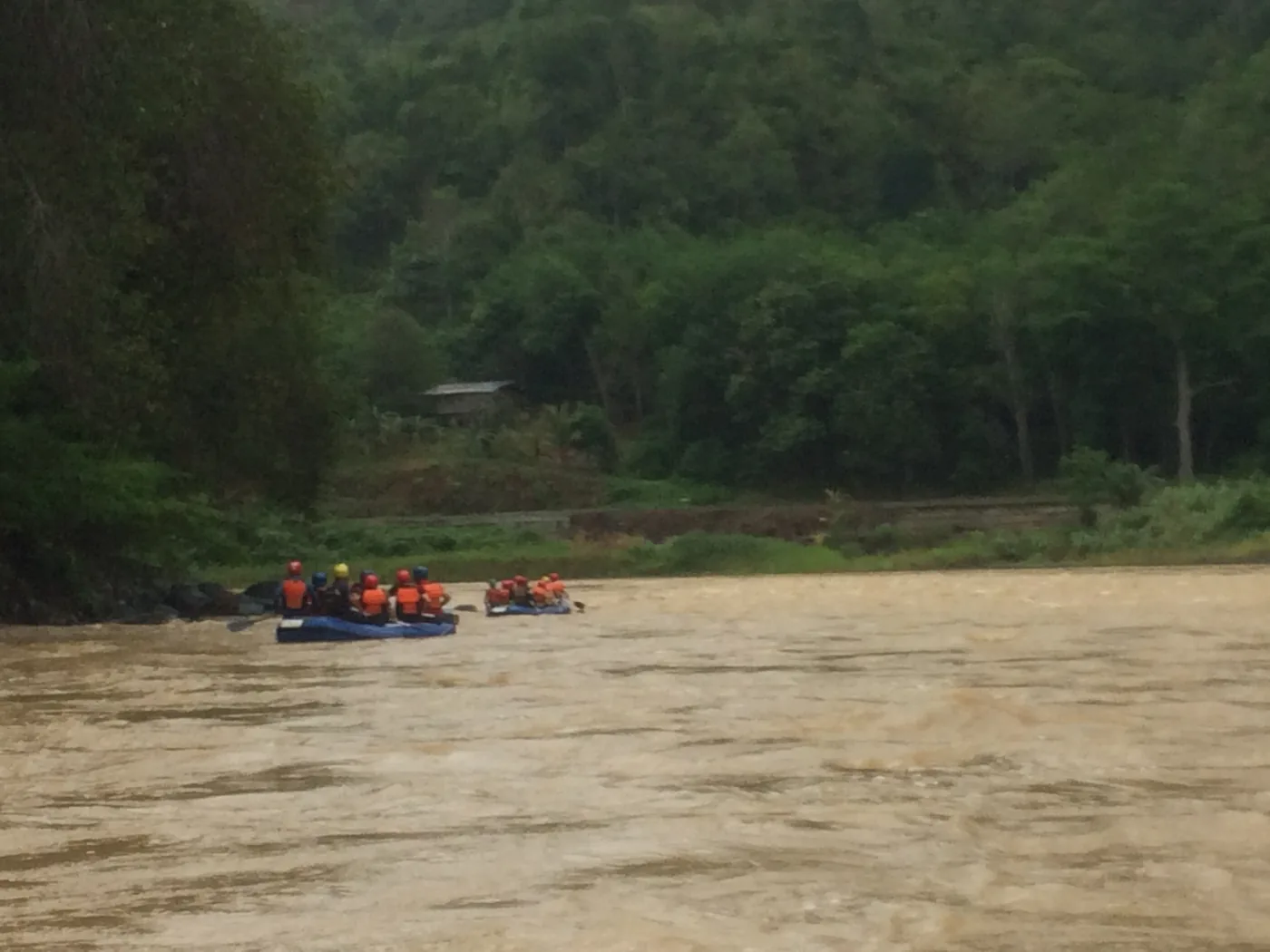
Once you are on it, expect to get wet, very wet. The water is brown and fast, and you should try not to swallow any of it. I ended up in the rapids twice.

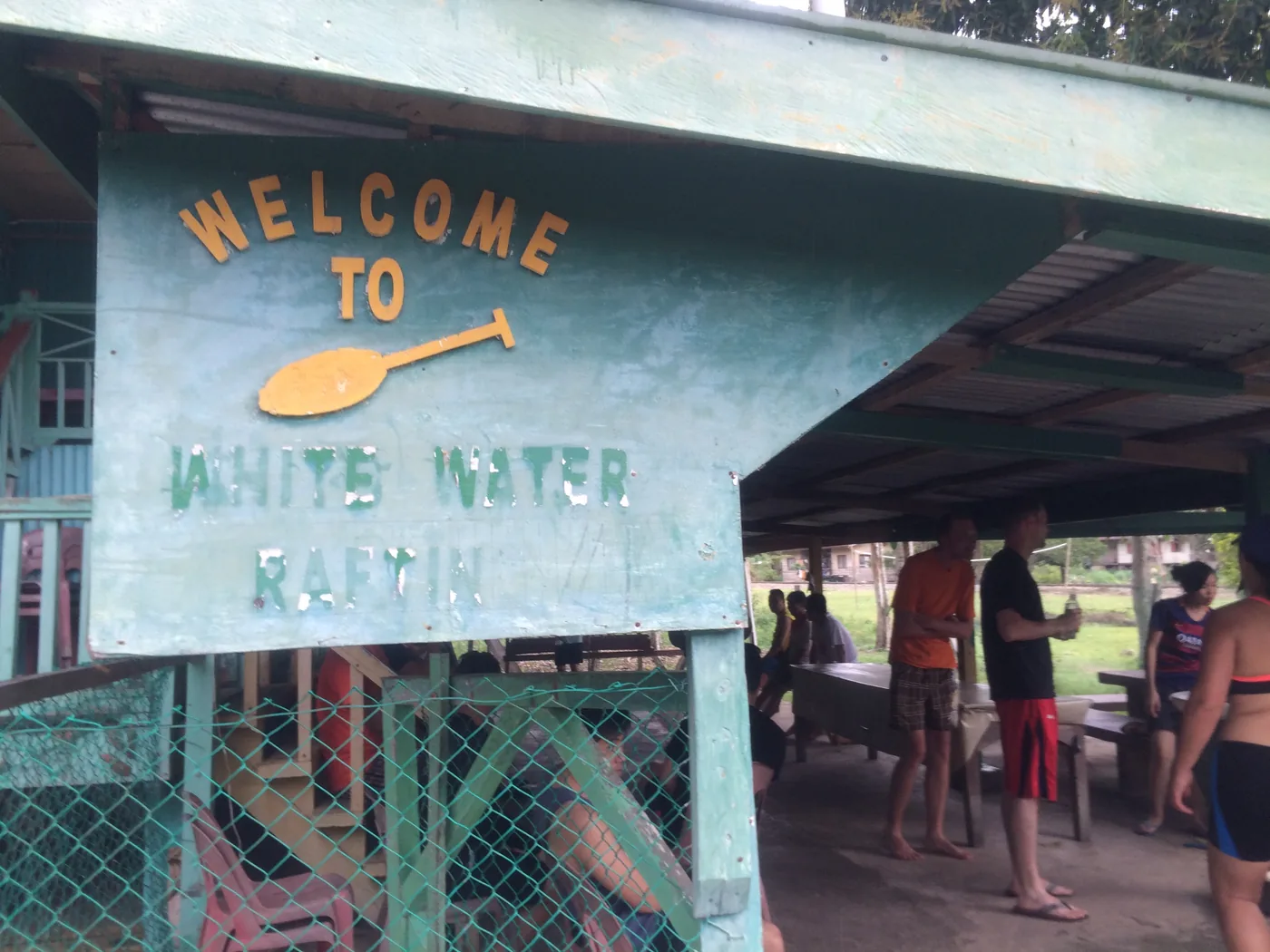
The Welcome to White Water Rafting sign
The wide brown Padas River

The best part was the people. Our raft was a mix of strangers, and I came home with new friends from the US, South Africa and Russia.

Survival tip: make sure your teammates can paddle hard. Second survival tip, half as a joke: the river has crocodiles, and if one attacks, aim your paddle at its eyes.

How hard is Mount Kinabalu to climb?

Harder than I expected, because I skipped the training. At 4,095 metres, Kinabalu is the highest mountain in Malaysia, and the standard route covers about 6 km from the park gate to the huts at Laban Rata, then another 2.7 km or so to Low’s Peak, the summit.

It is not a technical climb. It is a long, steep staircase of rocks and roots, and it climbs fast. Most people take 2 days, with a night in the huts, and that is what we did.

Two tips before you go:

  • Train for it. I did not, and I spent most of the way up struggling just to reach the huts.
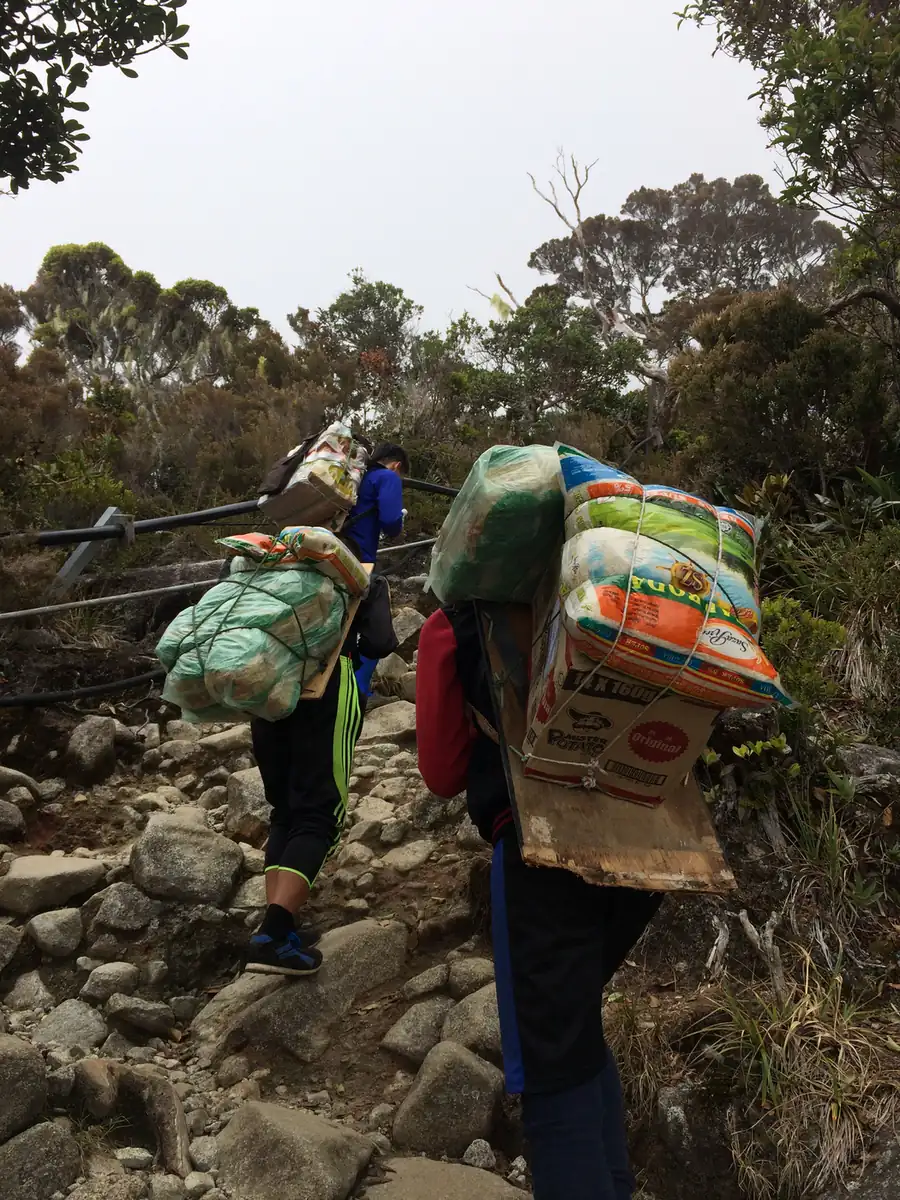
  • Do not be a hero. I carried my own bag up, which was a mistake. Porters will take your bag up for a small fee, and many of them carry far more than you, up the same path, faster. The less you bring, the less you have to lug up the mountain.
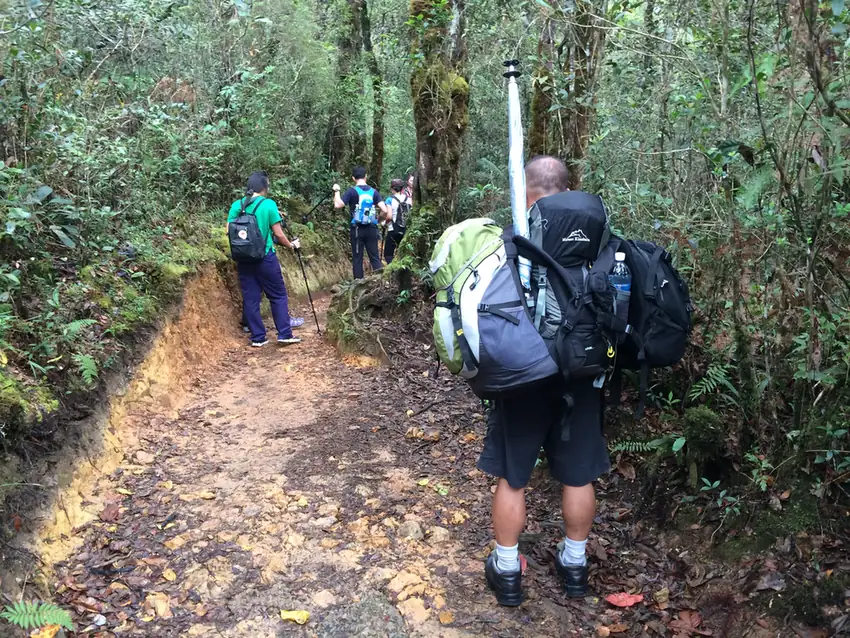
Climbers with packs on the Kinabalu trail
Porters carrying loads up the mountain

What does the climb look like, hour by hour?

This is how our 36 hours went.

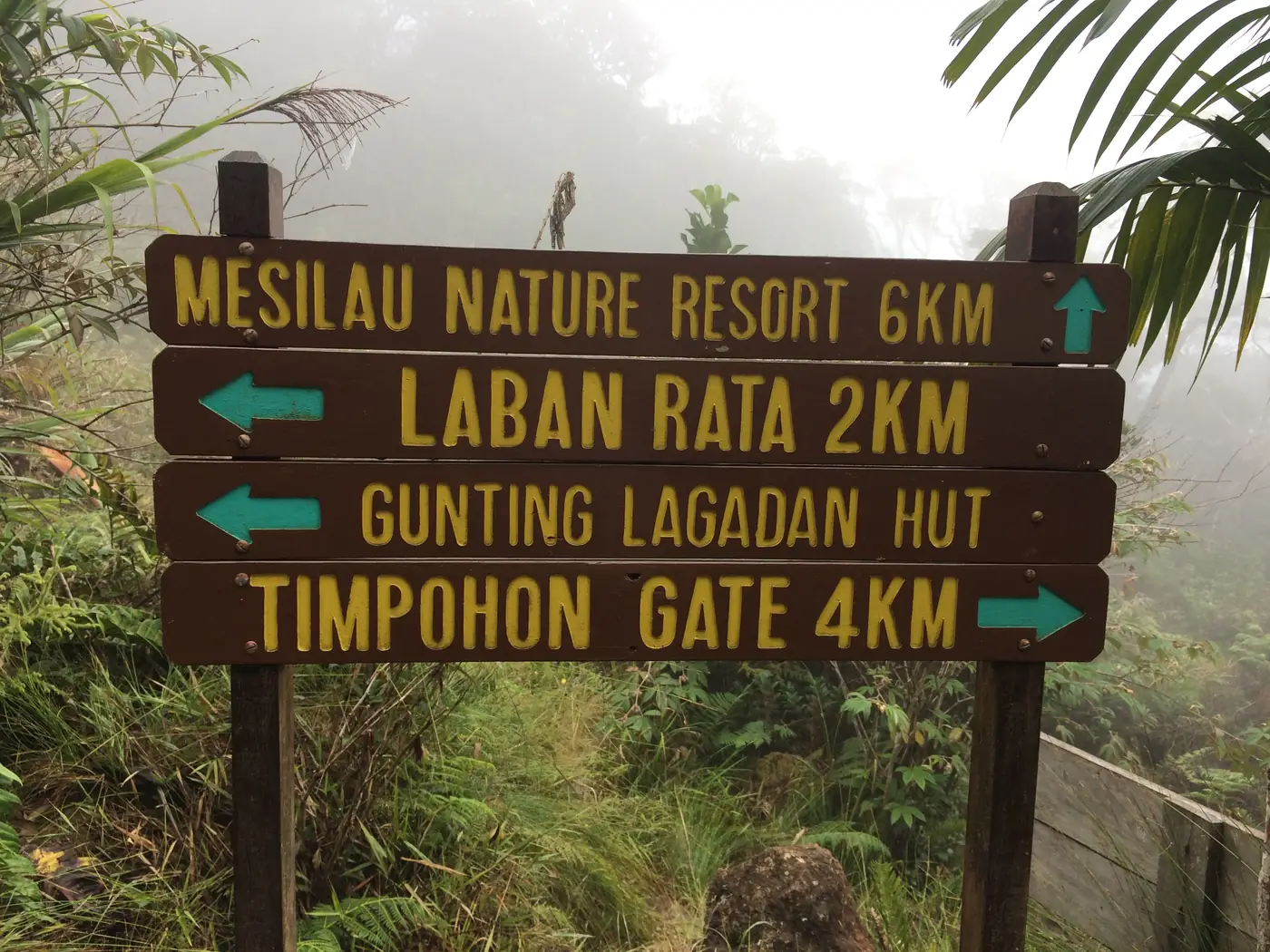
Signpost: Laban Rata 2 km, Timpohon 4 km

Day 1

  • 6.20am: Bus pickup to the park, 2 to 3 hours.
  • 9.30am: Started the 6 km climb. It takes 3 to 8 hours depending on fitness. I took 6.5.
  • 4.00pm: Reached the huts just in time for the via ferrata briefing.
  • 6.00pm: Dinner and rest. It is about 10 to 15 degrees up here, and the showers are cold, so a shower is optional.

Day 2

  • 2.00am: A quick breakfast, then off to the summit, in the dark, at about 5 degrees.
  • 6.00am: Reached the summit just in time for the sunrise.
  • 7.30am: Back down at the start of the via ferrata, we felt some minor earth tremors just as it was about to begin. Some people backed out, and we started about 30 minutes late.
  • 8.00am: The via ferrata: about 600 metres along the mountain face, 300 metres through jungle, and 300 metres up a sloping rock face, then about an hour of stairs back to the hut.
  • 1.00pm: A quick lunch, then packed up and checked out.
  • 2.00pm: Started down to catch the last bus at 6pm. It takes 3 to 6 hours.
  • 6.00pm: Made it, just.

Get your photos on the way up, before the summit night. There will not be many smiles after that.

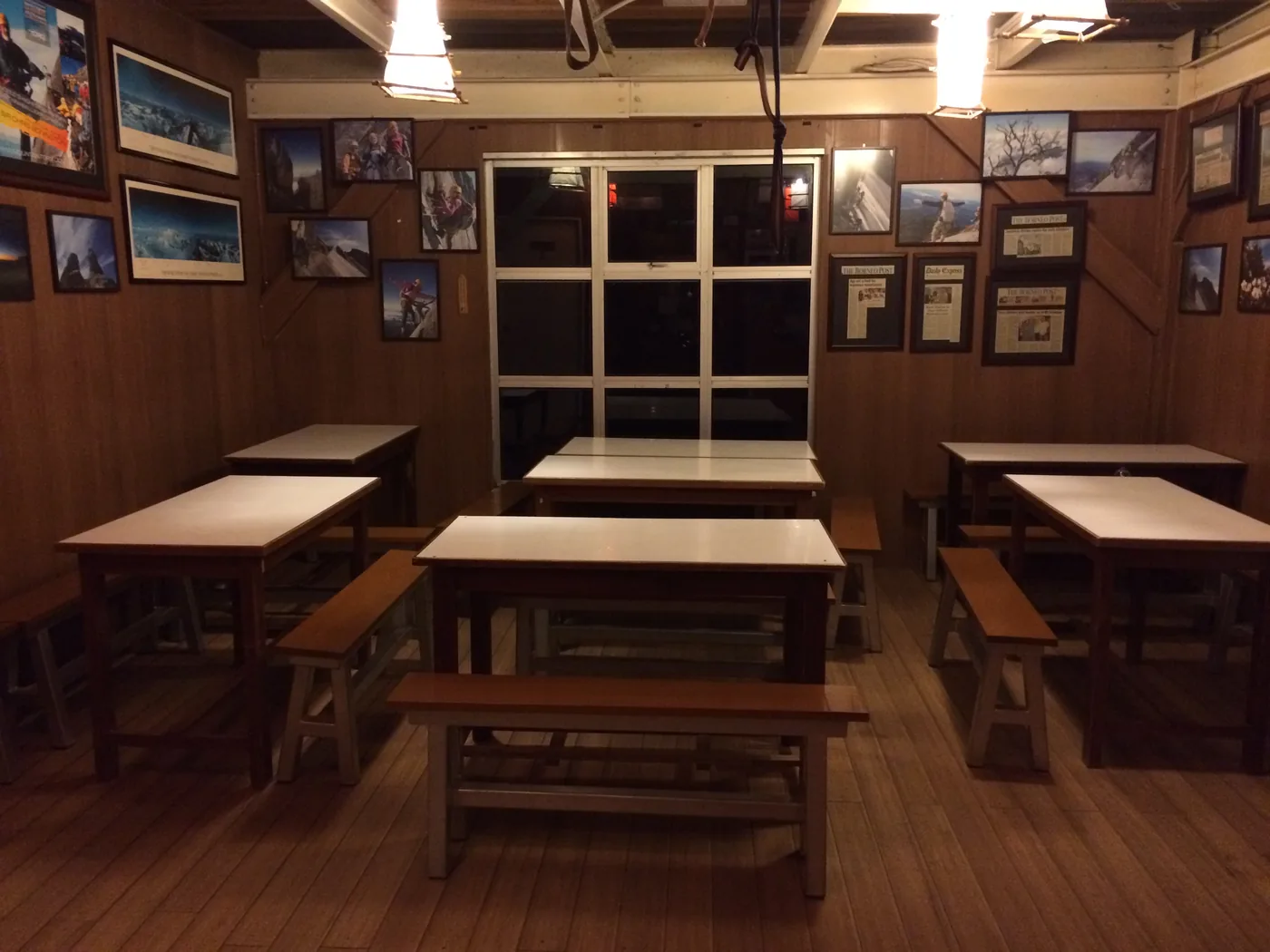
The empty Laban Rata dining room
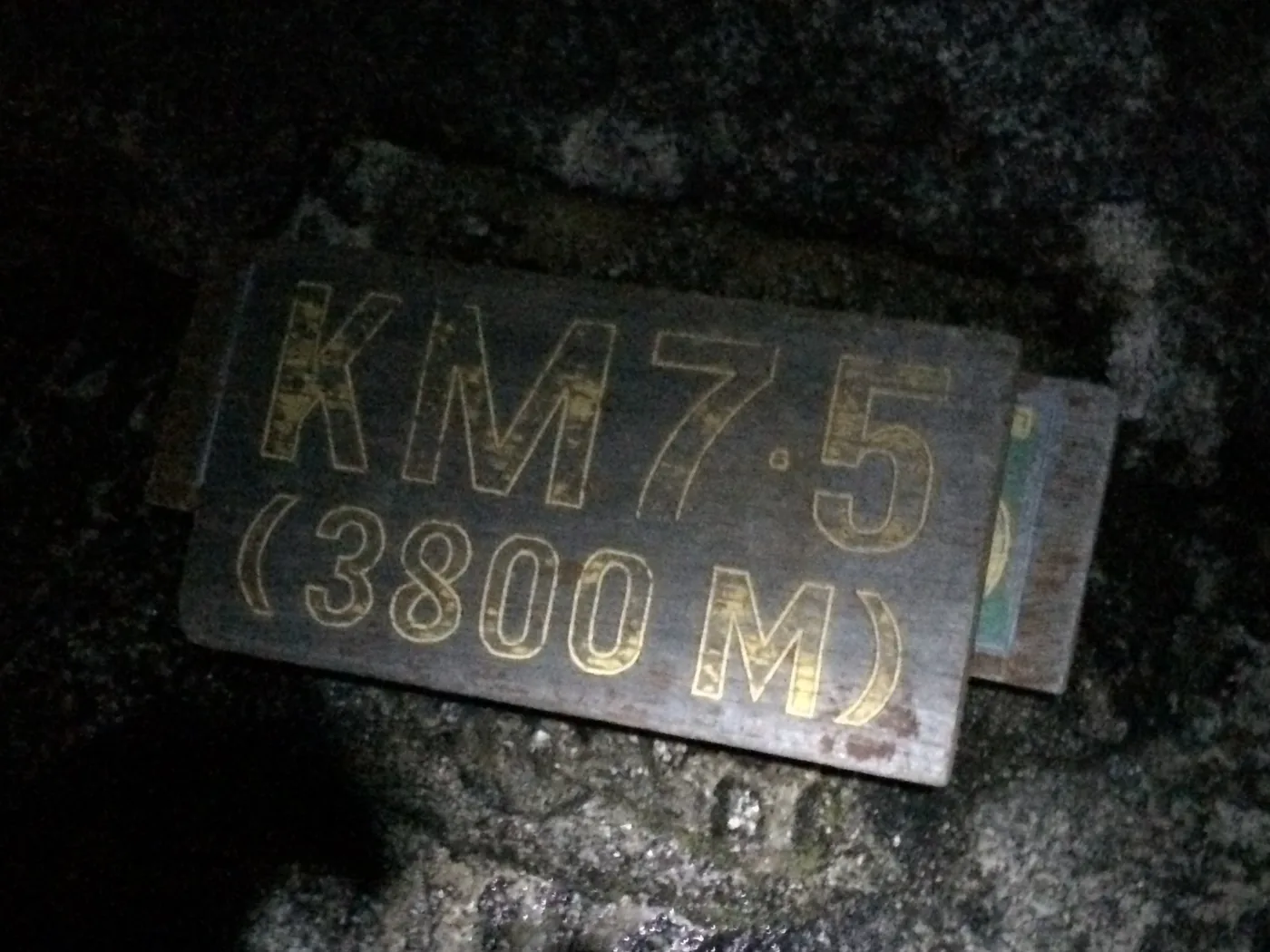
The KM 7.5 / 3,800 m marker at night

Was the summit worth the 2am start?

Waking up at 2.30am, in single-digit temperatures, to climb in the dark is a good way to find out where your limits are. I only just made it to the top at 6am.

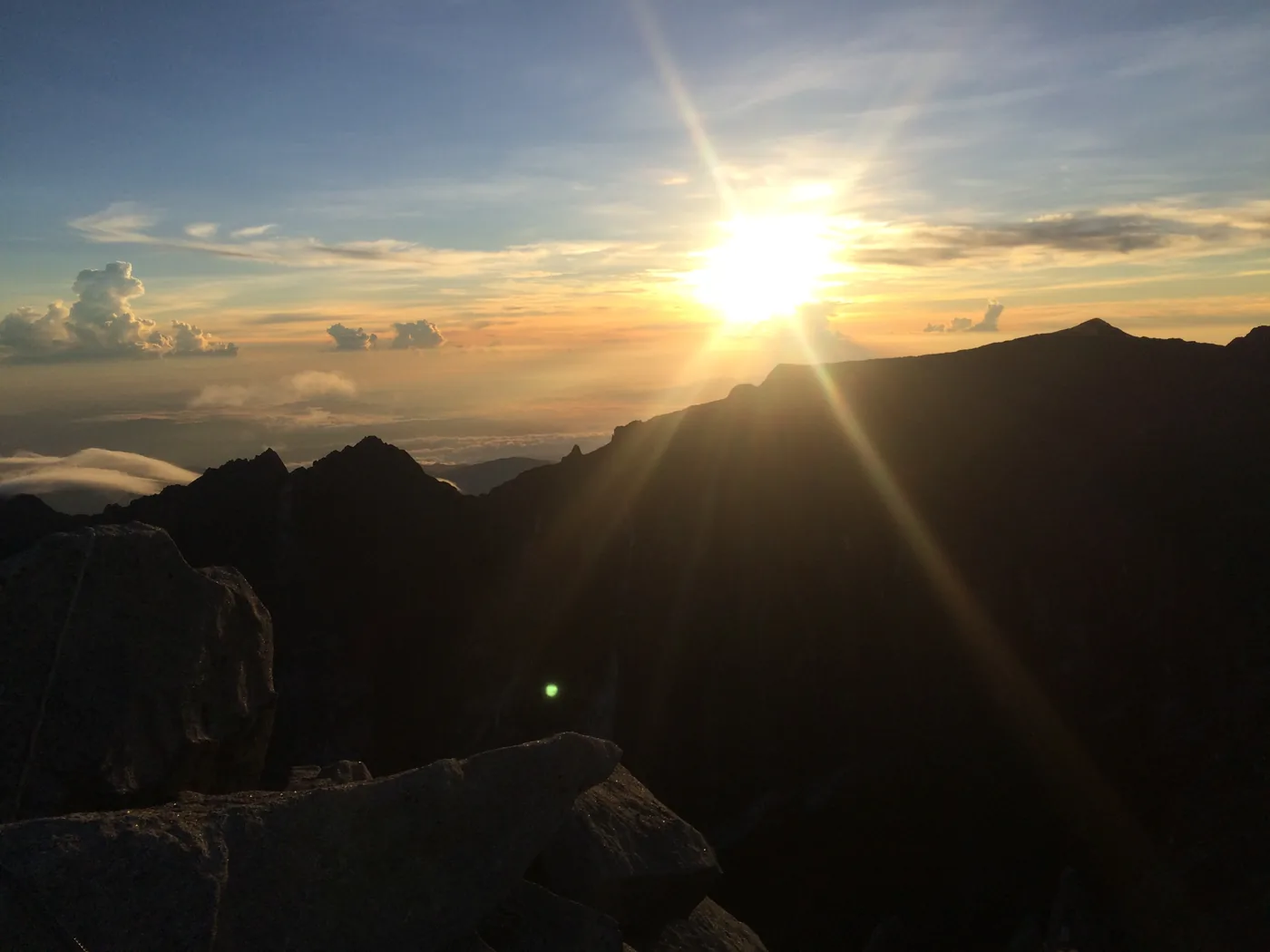
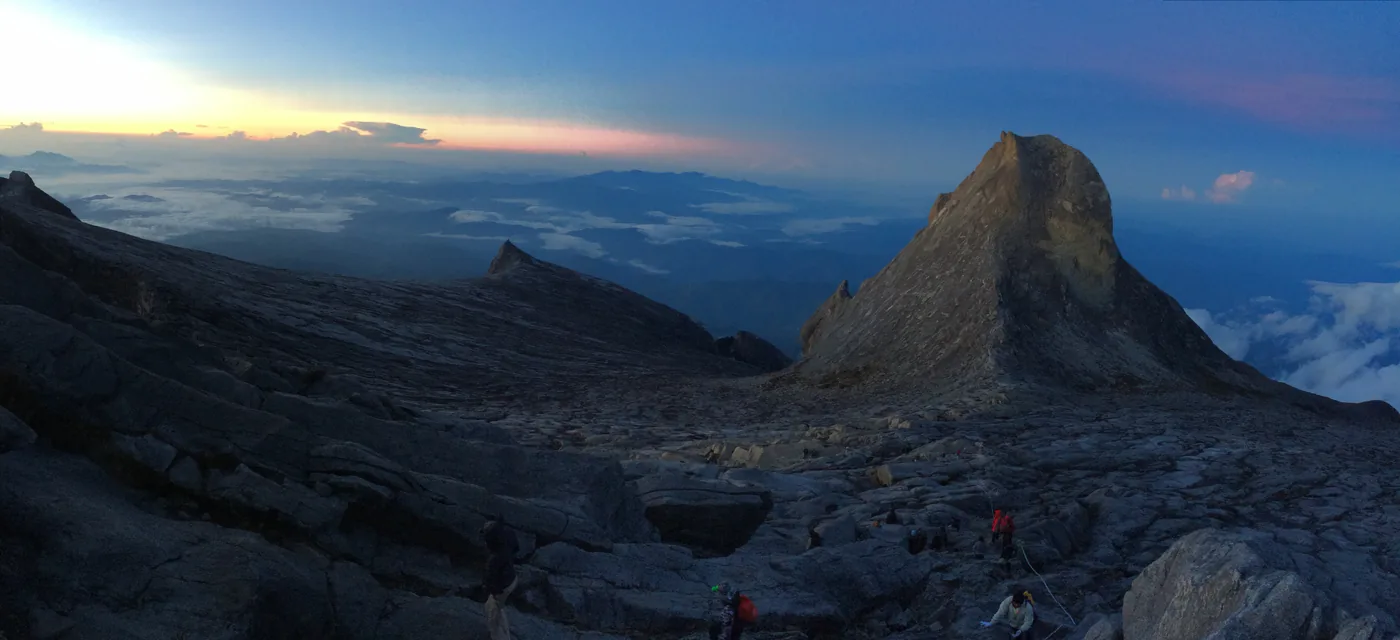
And then the sun came up over the ridge, with the South Peak lit up in front of me and the clouds far below. That is the picture people carry home from Kinabalu.

Sunrise over the ridge on Mount Kinabalu
South Peak at dawn

We had cupcakes at the top, too, for a friend’s birthday.

What is the via ferrata?

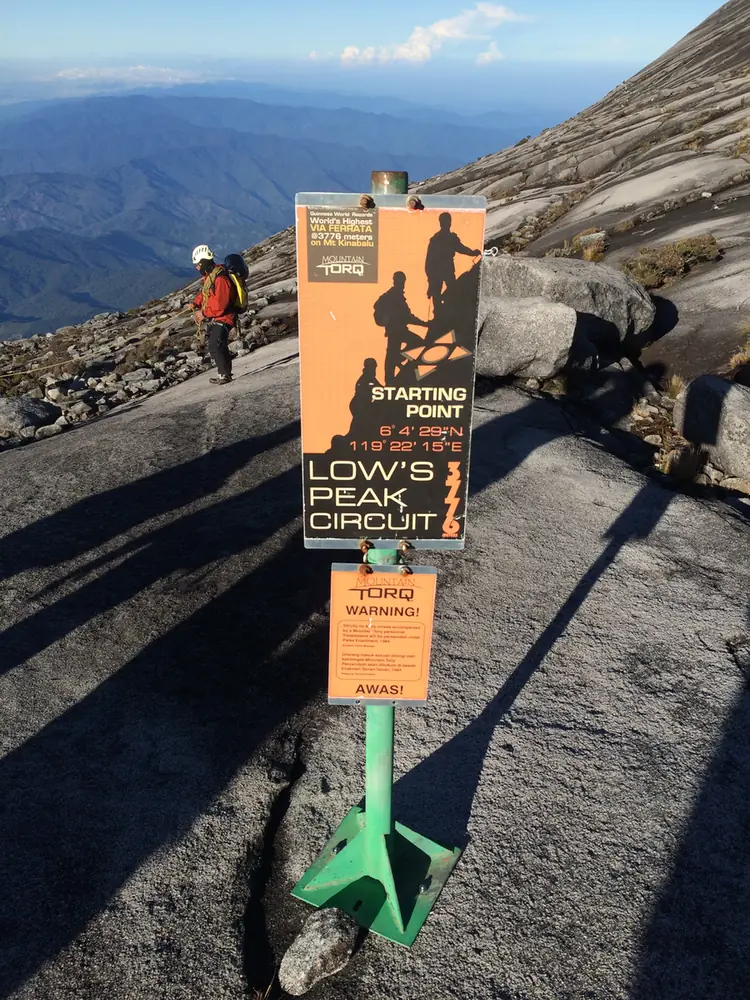
Via ferrata is Italian for “iron road”: a route along a cliff with steel rungs, cables and bridges fixed into the rock, and you stay clipped to a safety line the whole way. Kinabalu has one of the highest in the world, and the Low’s Peak Circuit is the longer, harder of its 2 routes.

The Low's Peak Circuit start sign

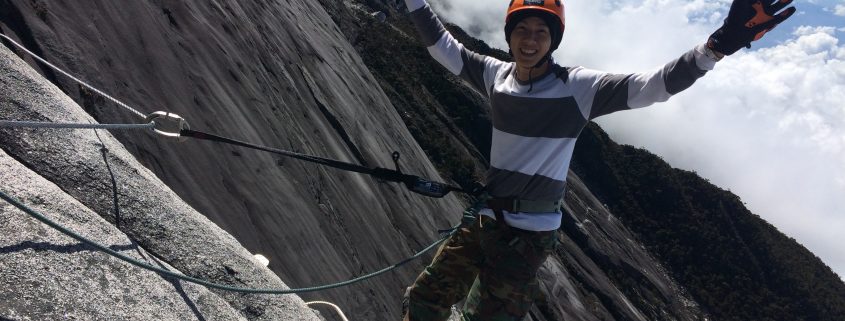
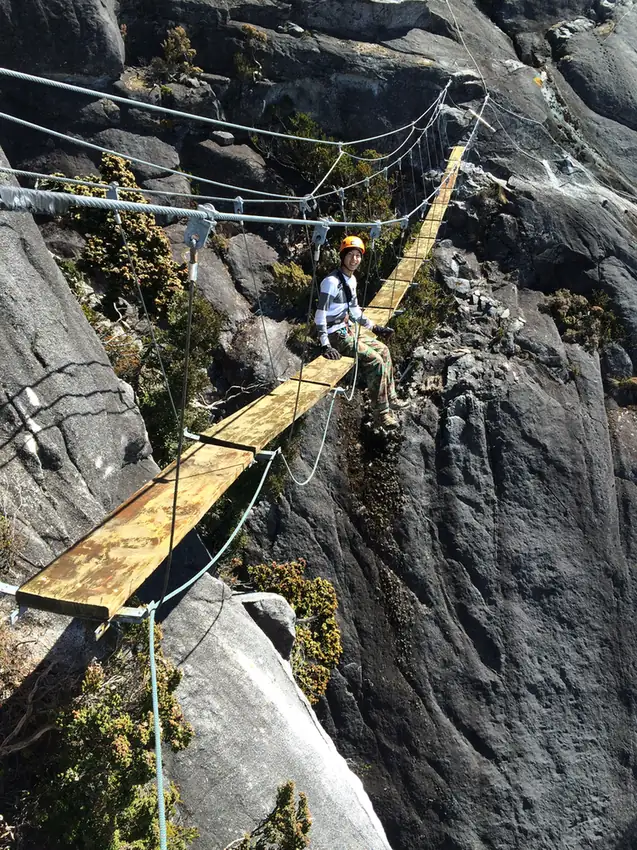
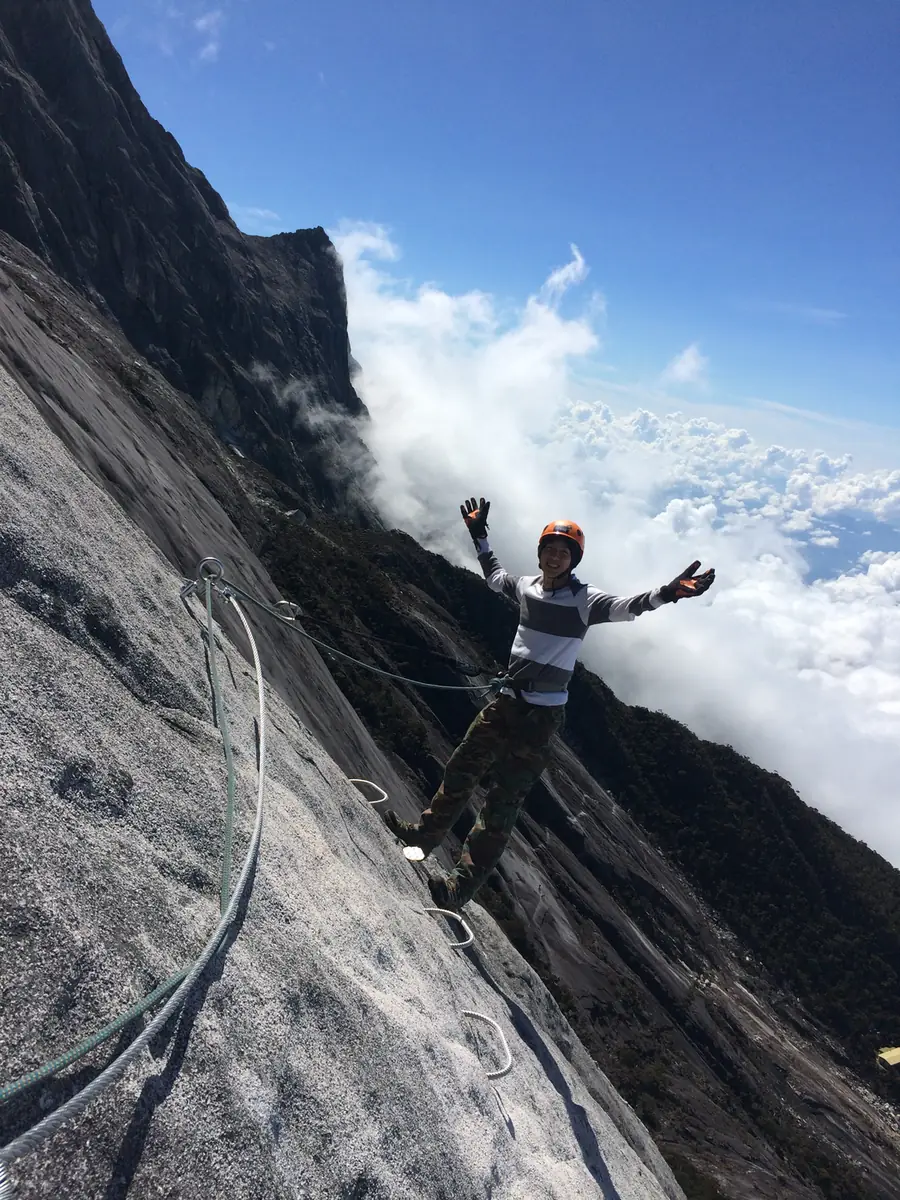
The views are huge, with a plank bridge over nothing and the clouds below your feet, but it is physically demanding, especially after a summit climb at 2am. My friend gave up after the first 20 metres. I kept going, and finished at about 1pm, with a long walk down still to come.

The plank bridge on the rock face
A climber on the via ferrata, clouds below

How did the trading fit in?

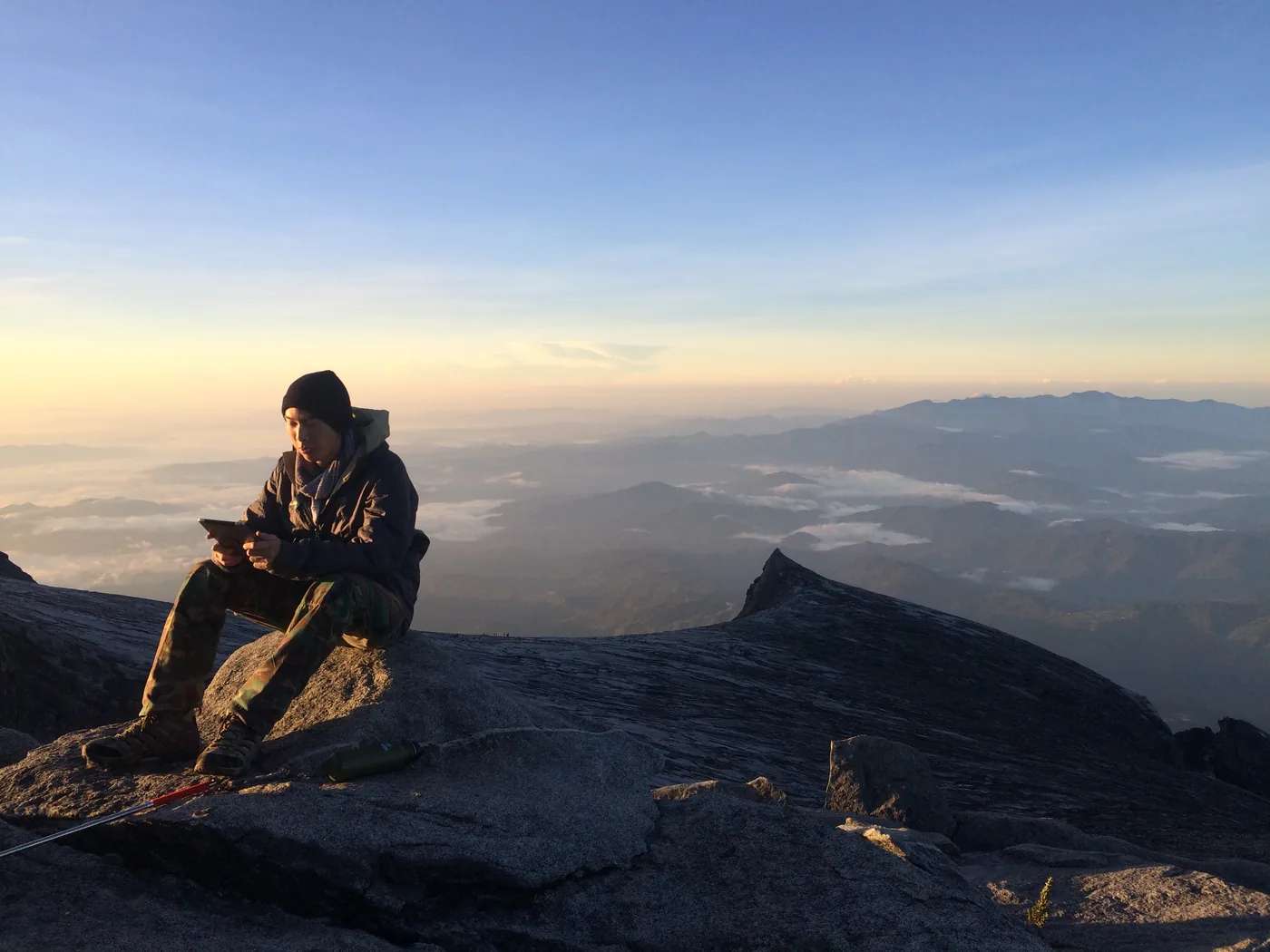
Checking the markets on the summit of Mount Kinabalu, a sea of cloud behind

At the top, after the sunrise, I took out my phone and checked the markets, about 4,000 metres up.

That is what a routine of about 15 minutes a day allows. It fits on a mountain, as long as there is a signal.

I wrote up how that routine works on the road, the watchlist, the alerts and the time zones, in how I trade while travelling.

Have you climbed Kinabalu, or are you thinking about it? Would you pick the via ferrata, or is the summit at sunrise enough? Let me know in the comments.

All my other trips are on the travel log, country by country, and more photos are on Instagram, @iamrecneps.
Spencer Li

by Spencer Li
https://synapsetrading.com/wp-content/uploads/2016/04/2016-04-16-09.32.59.jpg 2448 3264 Spencer Li https://synapsetrading.com/wp-content/uploads/2026/10/synapse-logo-horizontal-light.png Spencer Li2016-04-20 16:16:162026-10-22 04:12:56Mount Kinabalu: A 36-Hour Climb, a Via Ferrata and Whitewater Rafting in Sabah
Spencer Li

My Massive Coin Collection from Every Country

Travel & Lifestyle
Coins from every country - personal

Some people collect playing cards, some people collect fridge magnets, some people collect postcards. For me, I collect coins from every country I’ve been to.

I guess this makes me a long-term forex investor as well. 😀

2015-11-10 03.51.37

2015-11-10 03.51.58

2015-11-10 03.51.51

2015-11-10 03.51.44

2015-11-10 22.28.20

These are probably the most interesting coins I have, dating back to 1976, and in denominations of $10 and $50. The one at the bottom depicting a sitting lion is the $1 coin of the first Singapore coin series. I wonder if these are still legal tender? lol

2015-11-11 05.06.50

The newest addition to my collection which I acquired last month on my Myanmar trip.

2015-11-10 22.26.29

Some random coins I happen to have. Top: 5 Feninga coin, Convertible Mark (100 fenings = 1 mark) from Bosnia and Herzegovina. Bottom left: 1 Franc from New Caledonia. Bottom right: 1 Pataca from Macau.

2015-11-10 22.24.07

Collectible coins from the US, including penny and quarter presses, which you get by flattening coins and imprinting new designs on them.

2015-11-11 05.08.15

This is the special collection from the Harry Potter series. The large golden coin is the Galleon, the silver one is a Sickle, and the small one is a Knut. The coins are plated in 24-karat gold, silver and copper respectively.

Some people have asked me why I like to collect coins.

The most obvious reason is that it gives me a little souvenir from each country I’ve been to. Also, I find it quite amazing to hold a coin that is older than me, and wonder how many hands it has passed through.

Some coins also provide an interesting perspective on the country. For example, in my collection of the US quarters, there are 50 different designs, with each depicting a different US state, showing the year the state was added, and what the state is famous for. So it sort of provides some insight into the history and geography of places.

Lastly, it gives me a “hands-on” feel for my forex trading. 😀


P.S. For my full travel photo log and list of countries travelled, please visit: https://synapsetrading.com/travel-log/

by Spencer Li
https://synapsetrading.com/wp-content/uploads/2026/10/revealed-my-long-term-forex-investments-aka-coin-collection-card.webp 630 1200 Spencer Li https://synapsetrading.com/wp-content/uploads/2026/10/synapse-logo-horizontal-light.png Spencer Li2015-11-13 08:15:352026-08-31 21:11:06My Massive Coin Collection from Every Country
Spencer Li

Myanmar: A Week in Yangon and Bagan, Hosted by a Commodity Trader

Travel & Lifestyle
2015 09 18 11.34.35

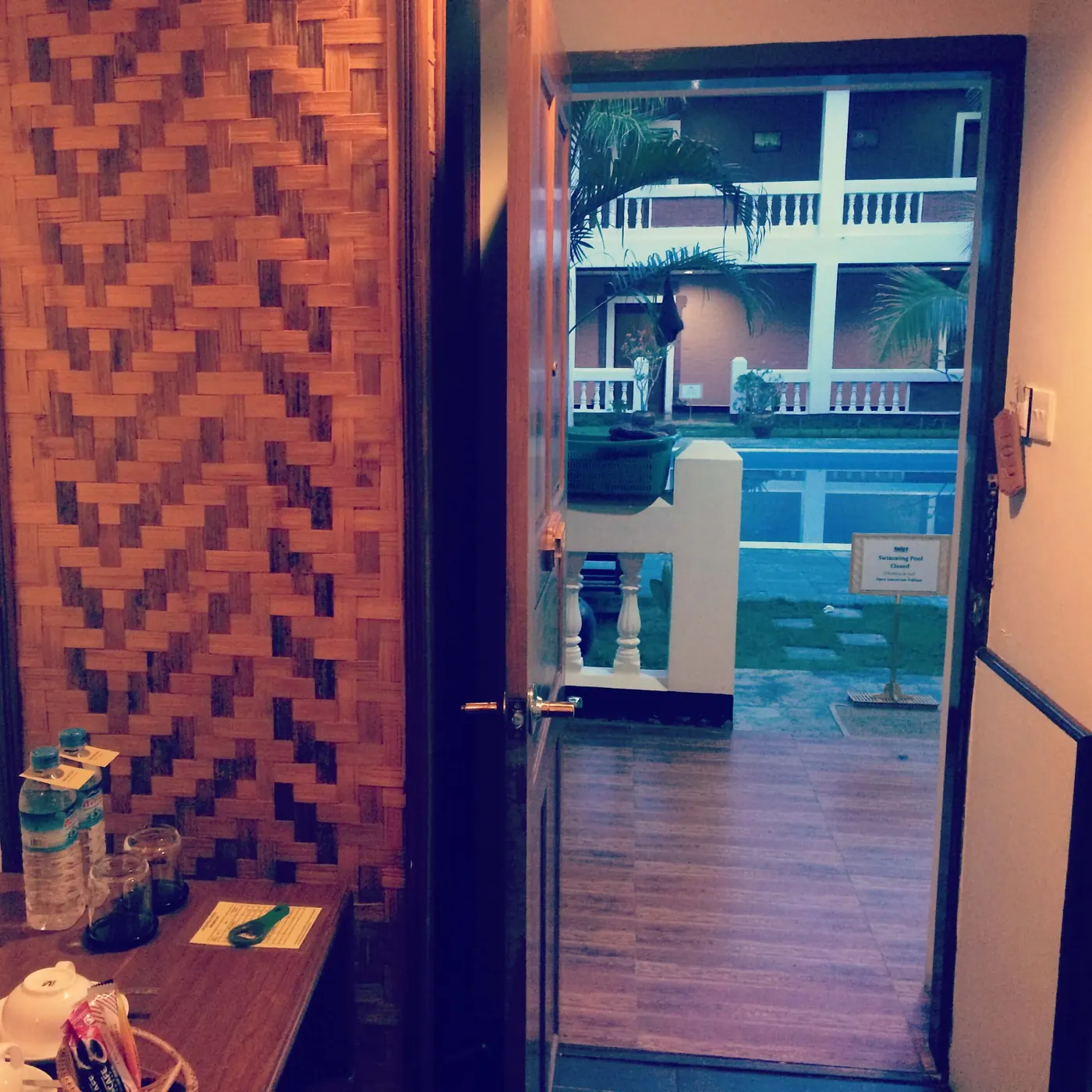
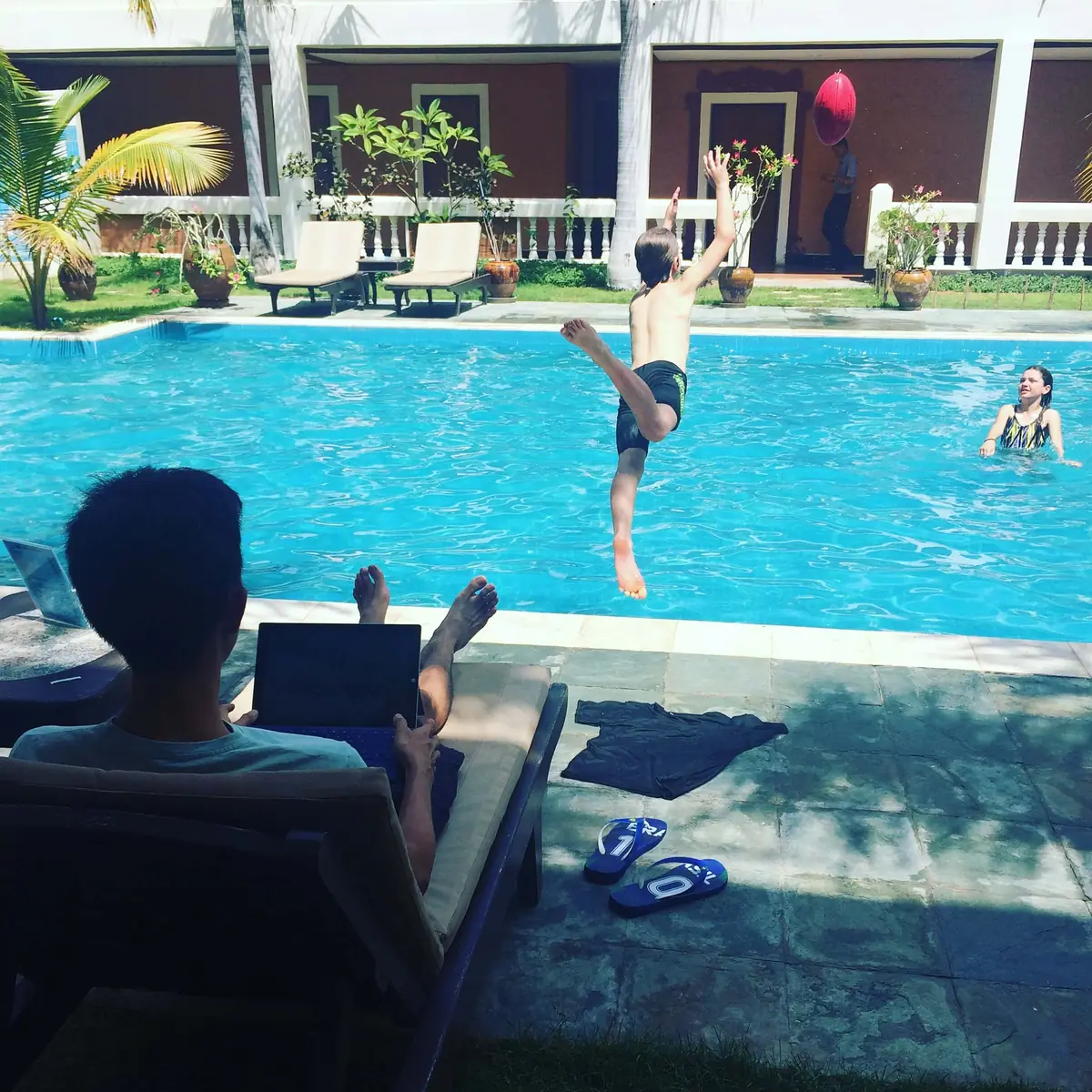
The pool was 10 steps from my room, which tells you roughly how hard my week in Myanmar was.

The view from my room to the pool

In September 2015, I spent about a week in Myanmar. I was hosted by a friend who lived there and worked for a major commodity trading firm. So I had something most visitors never get: a local base, someone who knew how the country worked, and a person to ask about everything I saw.

The plan was simple. Yangon for the city and the pagodas, Bagan for the temples, and plenty of time to sit by that pool, watch the sunsets and work my way through the local food.

The pool, 10 steps from my room

Why Myanmar, and why then?

Myanmar had only just opened up. For about 50 years it was run by the military and cut off by sanctions, and only after reforms began in 2011 did tourists start to arrive in real numbers.

So you might be thinking, why not just go to Bangkok again? Well, the honest answer is the invitation. A friend who lives in a country can show you a version of it that no tour can.

Yangon: what is the Shwedagon Pagoda actually like?

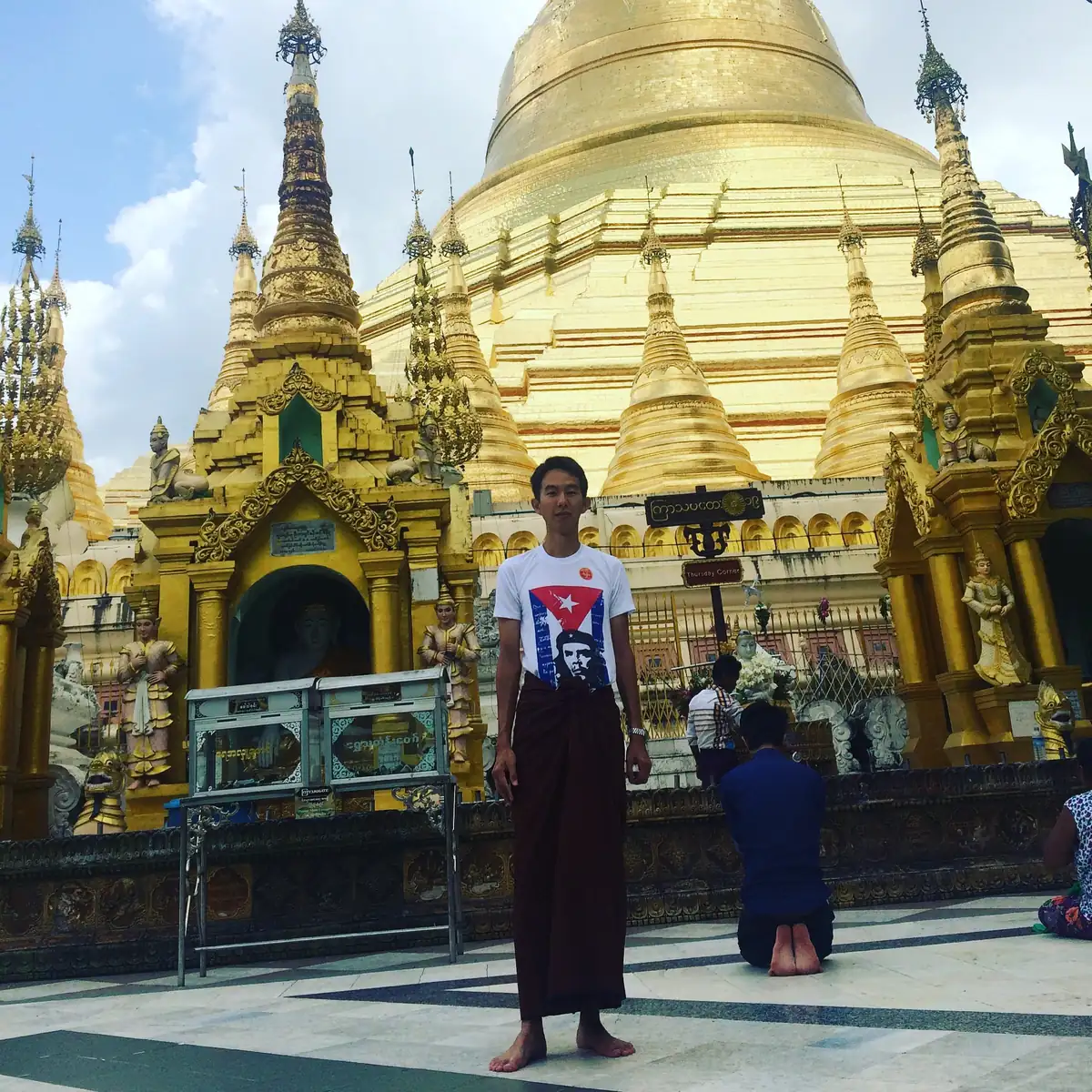
Yangon was the capital until 2005, and it is still the biggest city. The Shwedagon Pagoda sits on a hill above it, and you can see the gold from far across town.

The main stupa rises about 99 metres and is covered in gold plate. The very top is set with thousands of diamonds and other gems. Legend says the pagoda is about 2,500 years old, though historians place it somewhere between the 6th and 10th centuries. Visitors walk around it barefoot and clockwise, and the marble floor gets hot in the afternoon sun, which is why most people go around dusk, when the gold starts to glow under the lights and families and monks arrive for the evening.

Spencer at the Shwedagon Pagoda, Yangon

Bagan: how many temples can one plain hold?

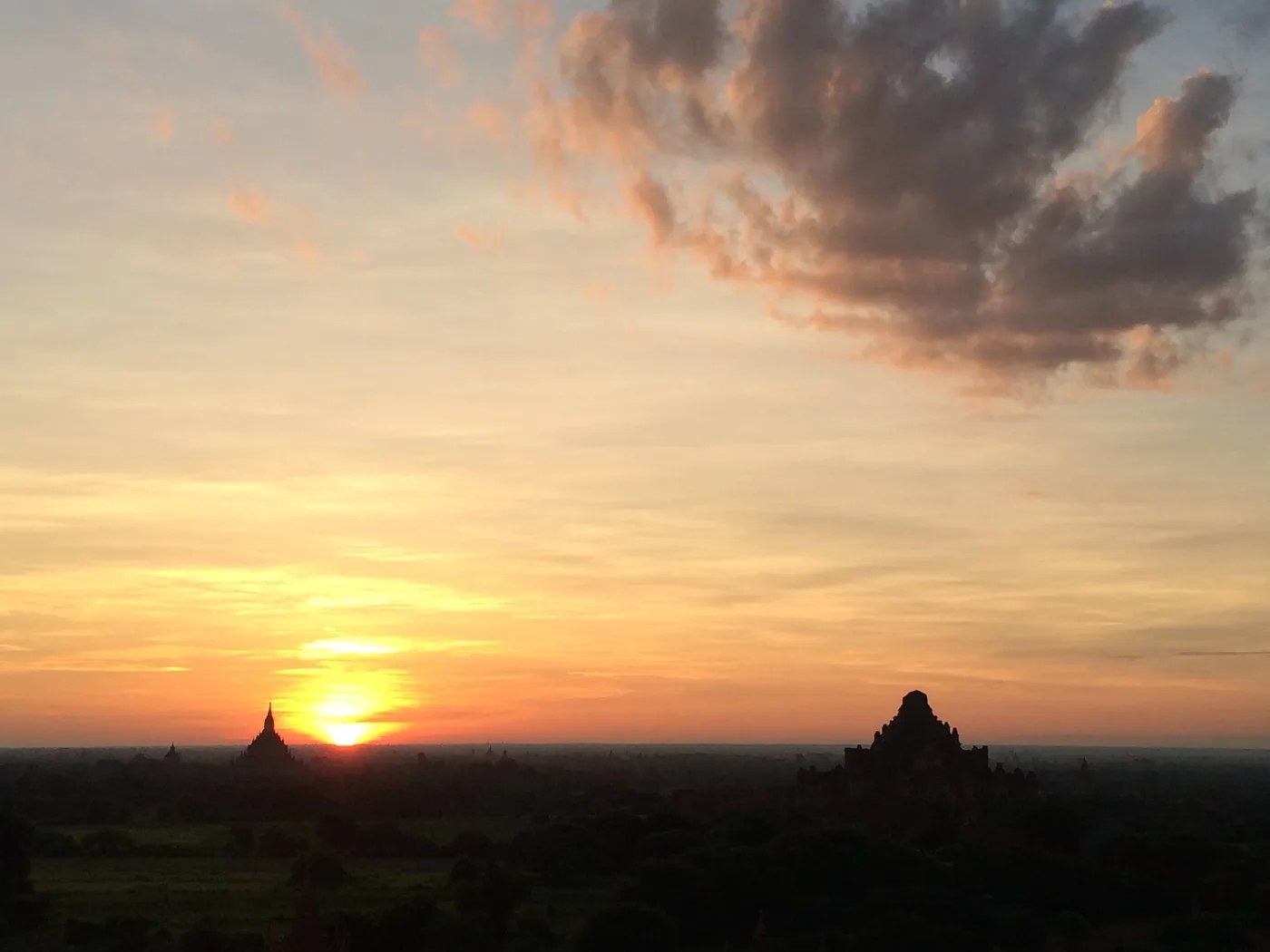
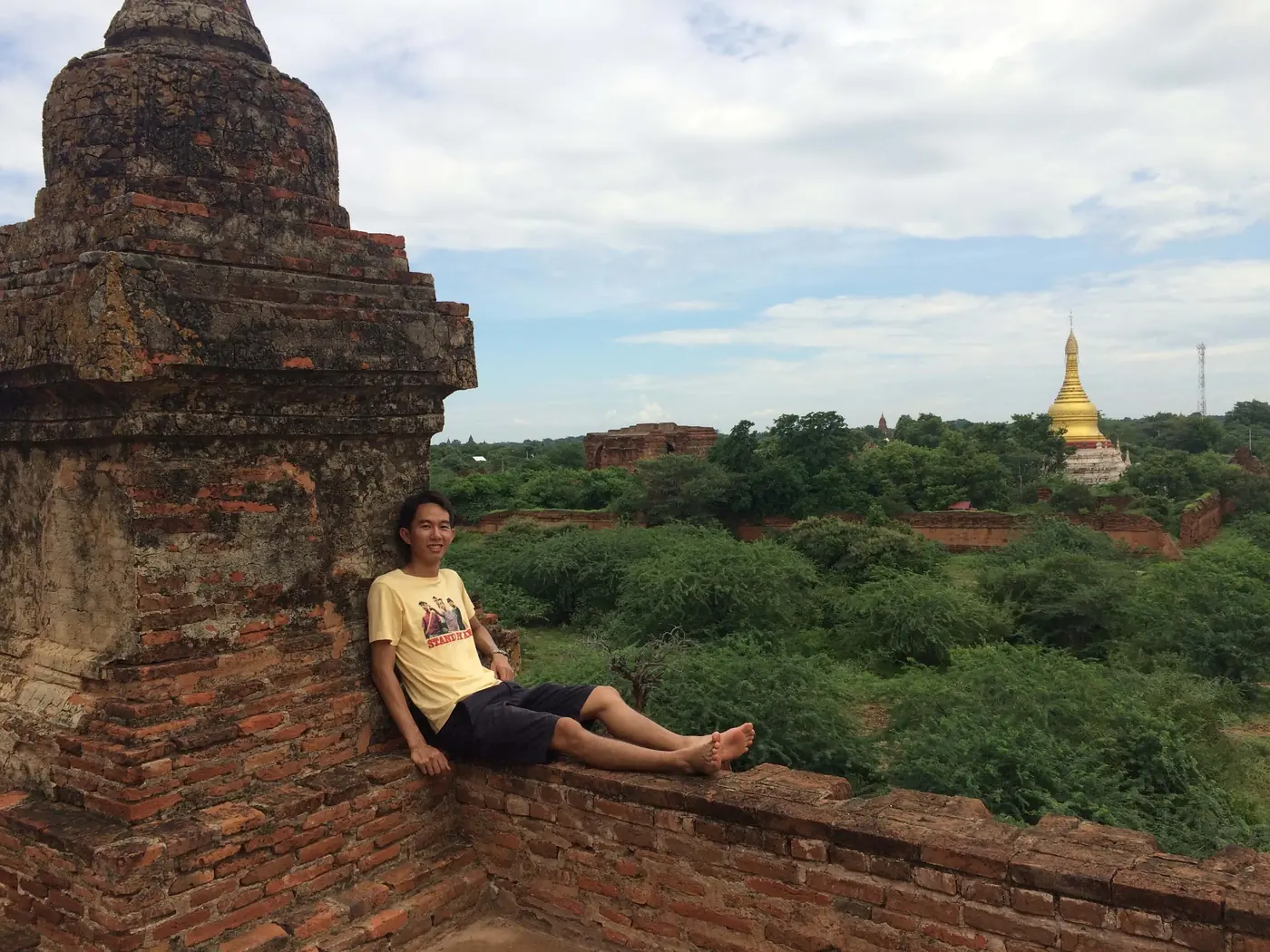
This is the reason most people go to Myanmar. Between the 11th and 13th centuries, the kings of Pagan built over 10,000 temples, pagodas and monasteries on a plain beside the Irrawaddy River. More than 2,000 of them still stand.

The scale is hard to explain until you see it. You look out in any direction and there is a red-brick temple, then another one behind it, then dozens more fading into the haze. At sunrise, hot-air balloons drift across the whole plain.

Sunrise over the temples of Bagan
Spencer on a temple ledge in Bagan

If old temples are your thing, Bagan pairs well with Borobudur in Indonesia, which I wrote about after a trip in 2013.

What did I eat?

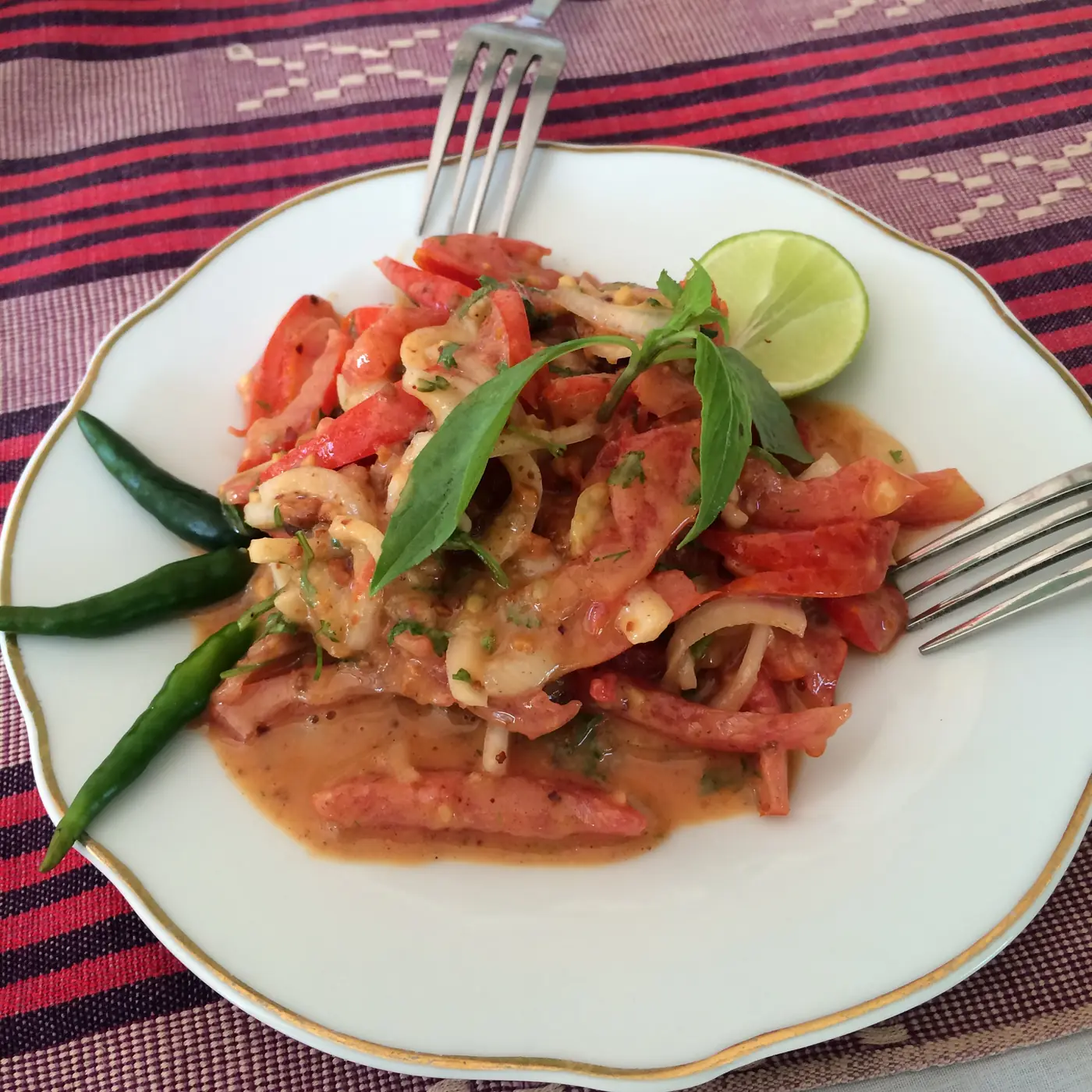
Burmese food is one of the least known cuisines in the region, and that is a pity. The national breakfast is mohinga, a fish soup with rice noodles, usually eaten at a street stall early in the morning. Then there is lahpet thoke, a salad of fermented tea leaves with fried beans, peanuts and garlic, which tastes like nothing else in South-East Asia.

A tomato salad with green chillies at lunch in Bagan
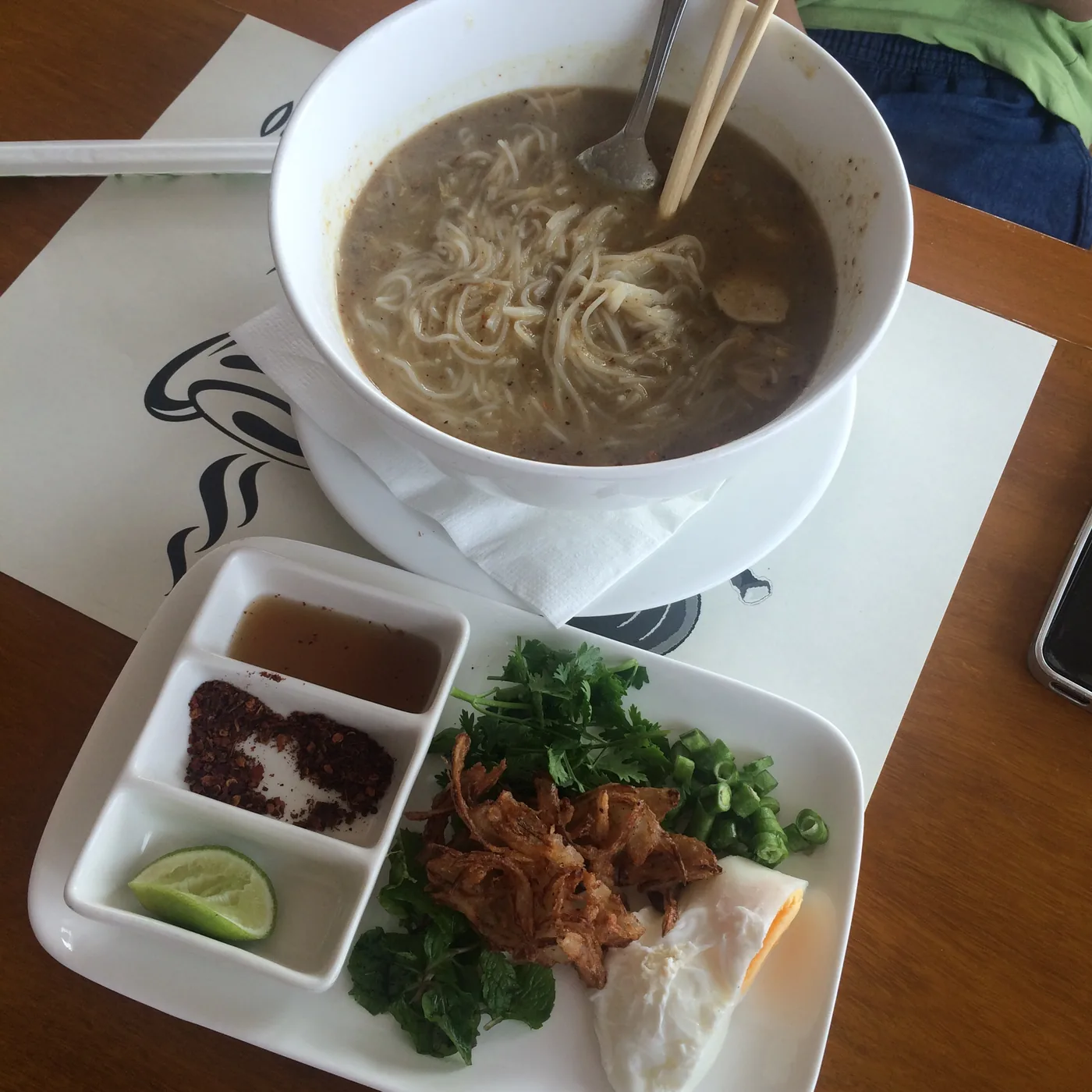
A bowl of noodle soup with its condiments in Yangon

And to wash it all down, there was Myanmar Beer. More on that below.

What do you learn from a week with a commodity trader?

Quite a lot, as it turns out. Most of us only ever meet commodities as a line on a chart. My friend worked for a firm that trades the real thing, and over the week I got to ask the questions a chart can never answer.

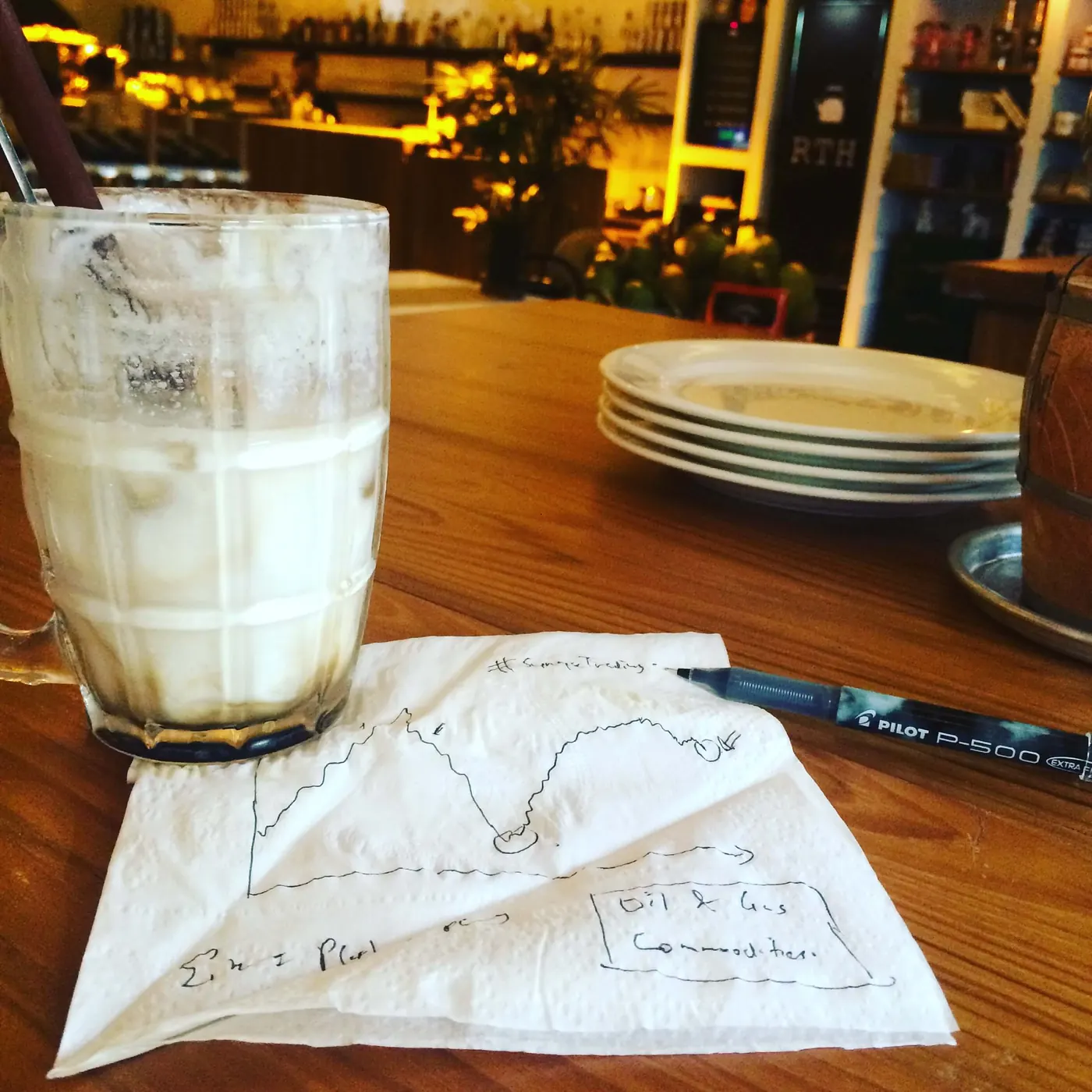
We also did what my old post called some “back-of-the-napkin analysis” on where commodity prices were heading. I have left that view out of this version. It was a 2015 call, and it belongs to 2015.

Back-of-the-napkin notes over an iced coffee
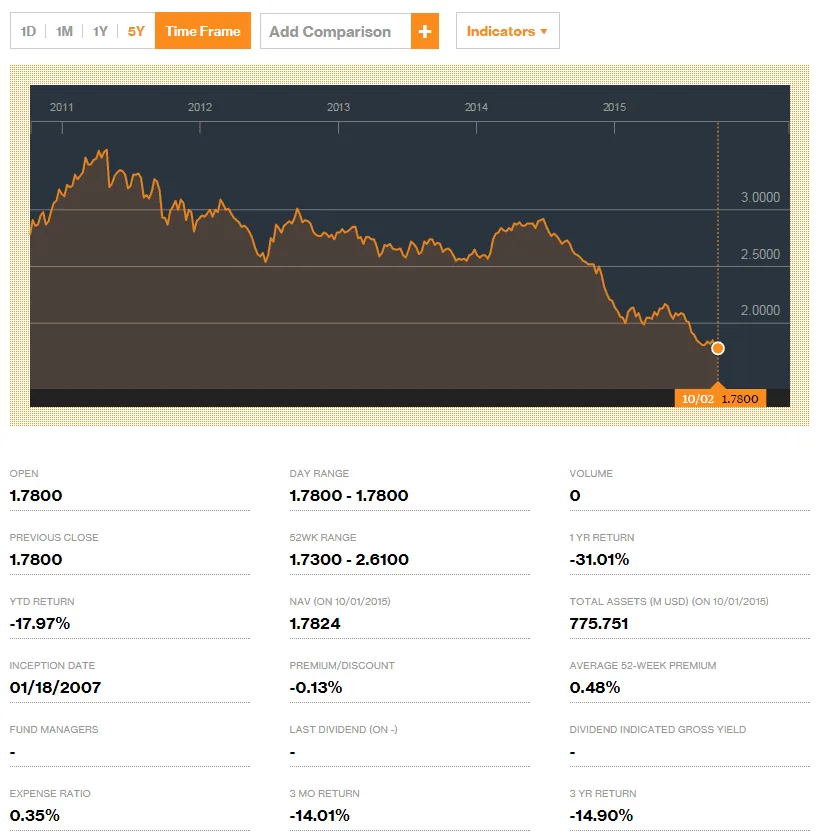
The CRB commodities index in September 2015

How did the trading fit in?

The same way it always does, in about 15 minutes a day.

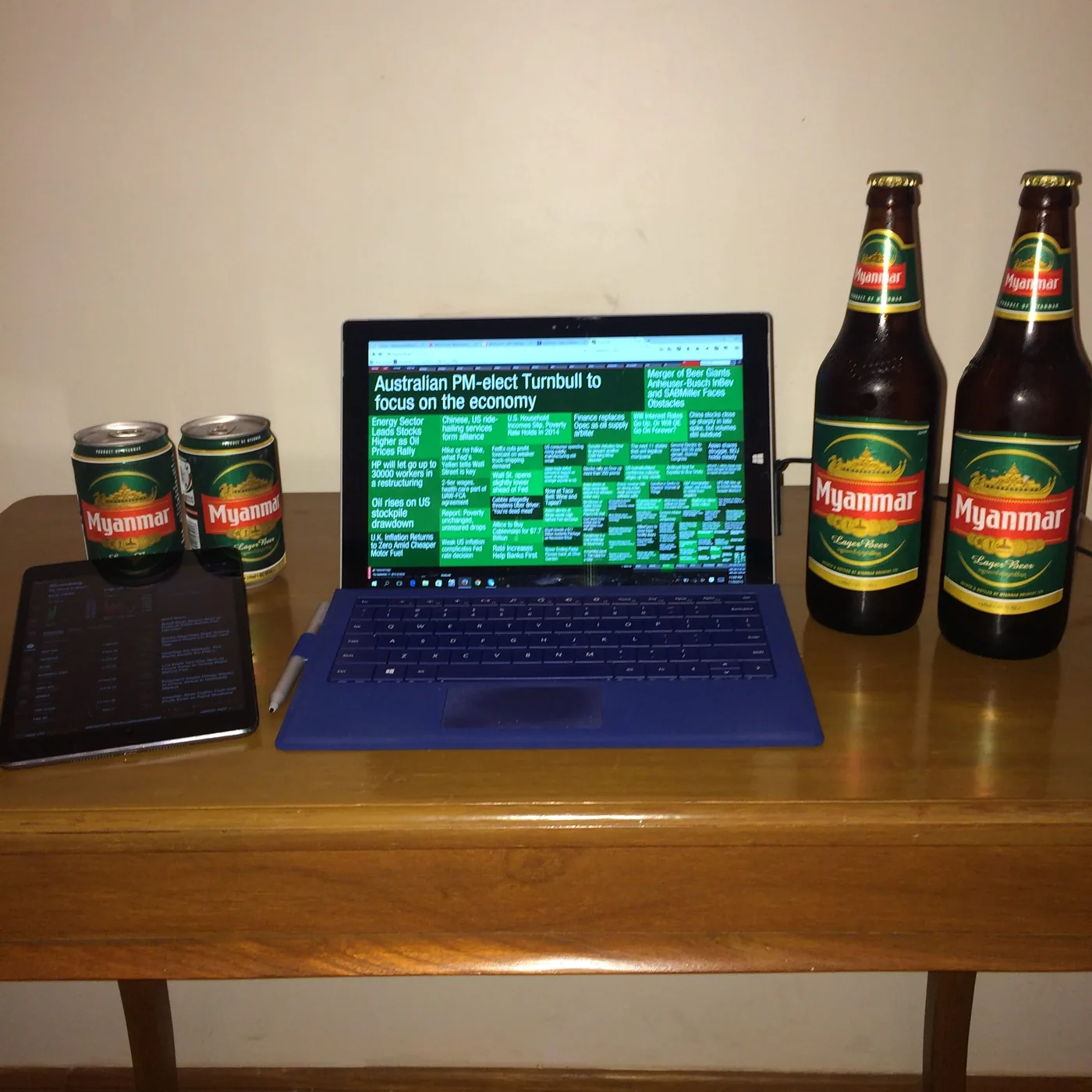
This trip happened to land on a Fed meeting. In September 2015, the whole market was waiting to see whether the US Federal Reserve would raise interest rates for the first time in about 9 years. The decision came out at around half past midnight, Myanmar time, so I followed the FOMC announcement in the company of a cold Myanmar Beer. The Fed held rates, which is what most people expected.

Watching the Fed decision with a Myanmar Beer

That routine is the reason a trip like this is possible at all. I wrote up how it works, the watchlist, the alerts and the time zones, in how I trade while travelling.

What has changed since 2015?

Myanmar has changed a lot since 2015. In 2016, an earthquake damaged hundreds of temples in Bagan, and climbing on most of them has since been stopped to protect them. In 2019, Bagan finally became a UNESCO World Heritage Site. Then in February 2021, the military took power again, and many governments now advise against travel there.

So if you are thinking about Myanmar, the first thing I would check today is your government’s travel advice, before any flight or hotel.

Have you been to Myanmar, or is Bagan still on your list? Let me know in the comments.

All my other trips are on the travel log, country by country, and more photos are on Instagram, @iamrecneps.
Spencer Li

by Spencer Li
https://synapsetrading.com/wp-content/uploads/2015/10/2015-09-18-11.34.35.jpg 2448 3264 Spencer Li https://synapsetrading.com/wp-content/uploads/2026/10/synapse-logo-horizontal-light.png Spencer Li2015-10-04 04:29:552026-10-20 10:18:34Myanmar: A Week in Yangon and Bagan, Hosted by a Commodity Trader
Page 5 of 7«‹34567›»

Free checklist

The 15-Minute Swing Trader’s Checklist

The daily and weekly routine I use to find, manage and review trades in about 15 minutes a day, trading since 2007.

Get the free checklist

Topics

  • Trading foundations
  • Technical analysis
  • Strategies and systems
  • Risk and money
  • Trading psychology
  • Markets and products

Synapse Trading

Swing trading for busy professionals, in 15 minutes a day.

Start free

Learn

  • Start here
  • Free trading guides
  • Blog
  • Tools and resources

Programs

  • Trading Mastery Program
  • Daily trading signals
  • Student results
  • Public trade log

Company

  • About
  • Contact me
  • Partnerships
  • Disclaimer
  • Privacy policy
  • Terms & Conditions

Synapse Trading Pte Ltd
Registration No. 201316168H
WhatsApp +65-8897-1204
info@synapsetrading.com

Contact Us

Synapse Trading Pte Ltd
Registration No. 201316168H

Whatsapp: +65-8897-1204
Telegram: @iamrecneps
Email: info@synapsetrading.com

Links

Disclaimer
Privacy policy
Terms & Conditions
Contact us
Partnerships

© 2012-2026 Synapse Trading | All rights reserved. Educational content only, not personalised financial advice. Trading carries risk, including loss of capital. Past performance is not indicative of future results. Synapse Trading is not licensed or regulated by MAS.
  • Link to Facebook
  • Link to X
  • Link to Instagram
  • Link to Youtube
  • Link to LinkedIn
  • Link to Mail
Scroll to top Scroll to top Scroll to top