• Link to Facebook
  • Link to X
  • Link to Instagram
  • Link to Youtube
  • Link to LinkedIn
  • Link to Mail
Free PDF: The 15-Minute Swing Trader's Checklist, the daily routine of a trader since 2007
Synapse Trading
  • Mentoring
    • Trading Mastery Program
    • All mentoring options
  • Signals
    • Daily trading signals
    • Signals trade log
  • Results
    • Student results and testimonials
    • Public trade log, losses left in
  • Free guides
    • Start here
    • Trading foundations
    • Technical analysis
    • Strategies and systems
    • Risk and money
    • Trading psychology
    • Markets and products
    • Free trading guides
    • Tools and resources
    • Blog
  • About
    • My background
    • My trading journey
    • Media and interviews
    • Travel log
  • Contact
    • Contact me
    • Partnerships
  • Start free
  • Click to open the search input field Click to open the search input field Search
  • Menu Menu

Trading & travelling across the world!

Spencer Li

Cuba and Mexico’s Yucatan: One Month Across the US, Mexico and Cuba

Travel & Lifestyle
wallstreet bull

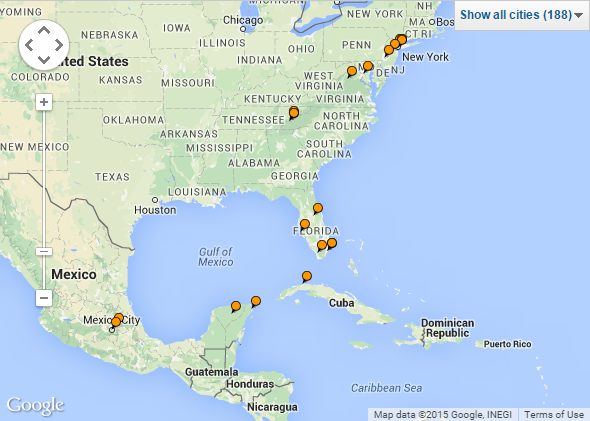
On 20 July 2015, the United States and Cuba reopened embassies in each other’s capitals for the first time since 1961. That is 54 years. That same summer, I spent a month travelling through the US, Mexico and Cuba.

It was one of the stranger routes I have done. Three countries side by side on the map, with three very different ideas of how a country should be run, and the oddest of the three was only a short flight from the beaches of Mexico.
travel map

Why Cuba?

For most of my life, Cuba was the country frozen in time. Old American cars from the 1950s, cigars, salsa, and almost no internet. It is still one of the most unusual countries on my list.

The timing made it more interesting. In 2015, relations between the US and Cuba were thawing for the first time in over 50 years, and everyone assumed the country would change fast once American tourists could visit freely.

Havana: what does a city frozen in time look like?
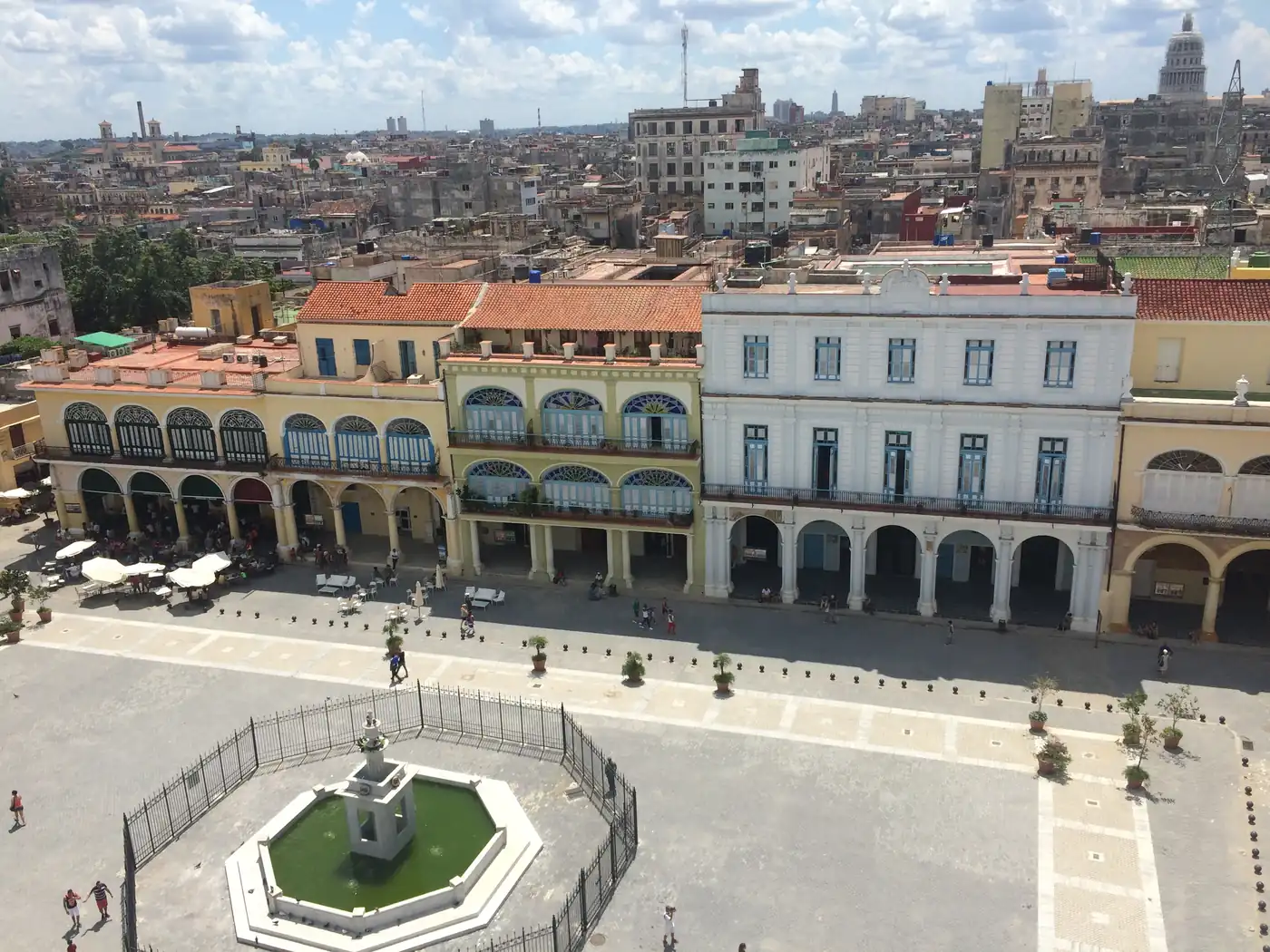
Plaza Vieja from above, the Capitolio dome behind
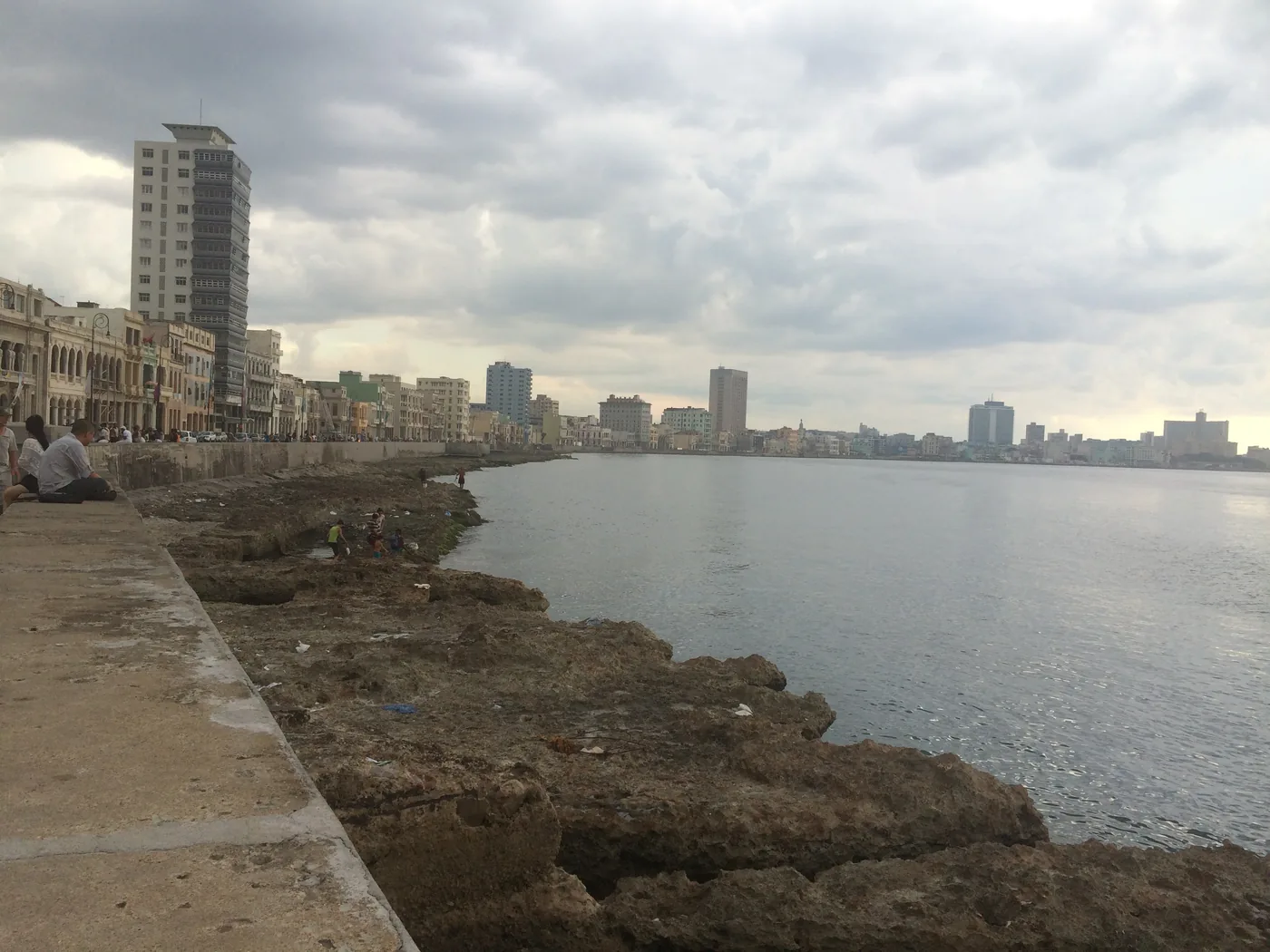
The Malecón seawall curving to the skyline

Old Havana, the colonial centre, has been a UNESCO World Heritage Site since 1982. Its squares, churches and pastel buildings are slowly being restored, block by block, and the streets in between are full of those old cars, many still running as taxis.

Then there is the Malecón, the seawall that runs for about 8 km along the coast, where it feels like half the city comes out in the evening to sit and talk. And there is El Floridita, the bar that claims to have perfected the daiquiri and counted Ernest Hemingway as a regular.

Money in Cuba was its own puzzle in 2015. The country ran two currencies at once, one for visitors and one for locals, and American bank cards did not work, so most travellers carried cash in. The two currencies were finally merged in 2021.

How did the trading fit in, in a country with almost no internet?

This was the real test of the routine. It runs at about 15 minutes a day, and it still needs a connection once a day.

Internet in Cuba was famously scarce in 2015. Public Wi-Fi only started that summer, at a few dozen hotspots in parks, and you paid for it with scratch cards from the state phone company, then sat on a bench with everyone else trying to get online.

That is also why the routine is built the way it is. If a plan needs you to watch the screen all day, a trip like this one breaks it. I wrote up how mine works, the watchlist, the alerts and the time zones, in how I trade while travelling.

The Yucatan: what is a cenote?
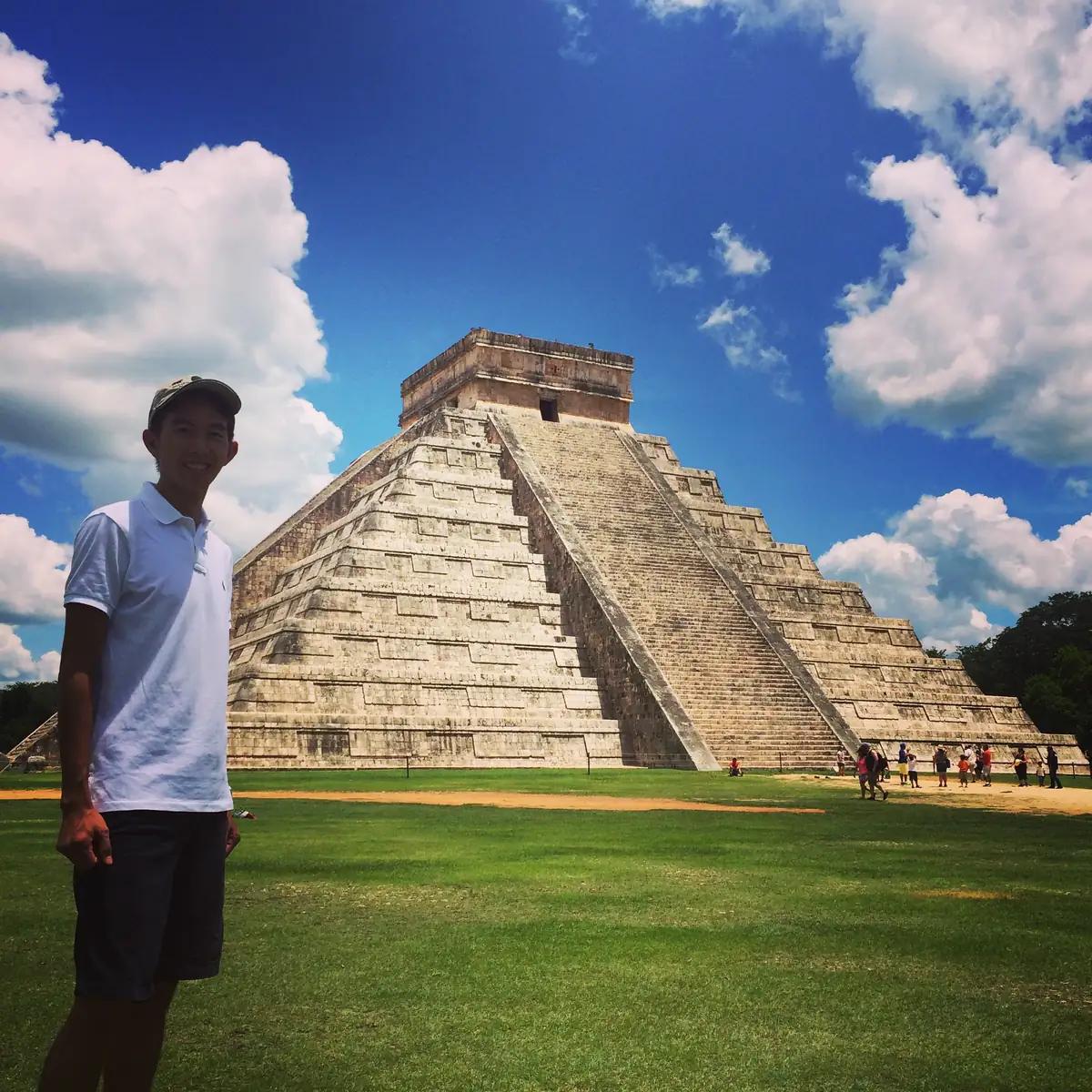
Spencer at Chichén Itzá

Over in Mexico, the Yucatan is the peninsula that sticks out between the Gulf of Mexico and the Caribbean. It is almost completely flat, and it has no rivers on the surface at all. The water is all underground.

Where the limestone roof of an underground river collapses, it leaves a cenote, a sinkhole full of clear fresh water. You can swim in most of them. There are thousands of them across the peninsula, and the Maya treated them as sacred, as doorways to the underworld. Some connect to cave systems that run for hundreds of kilometres, such as Sac Actun near Tulum.

The other big draw is Chichén Itzá, the Maya city whose stepped pyramid, El Castillo, was voted one of the New Seven Wonders of the World in 2007. On the spring and autumn equinoxes, the afternoon sun throws a shadow down its staircase that looks like a snake sliding down to the ground.

The Yucatan is one of the photos I picked for my travel log.

What about the US leg?

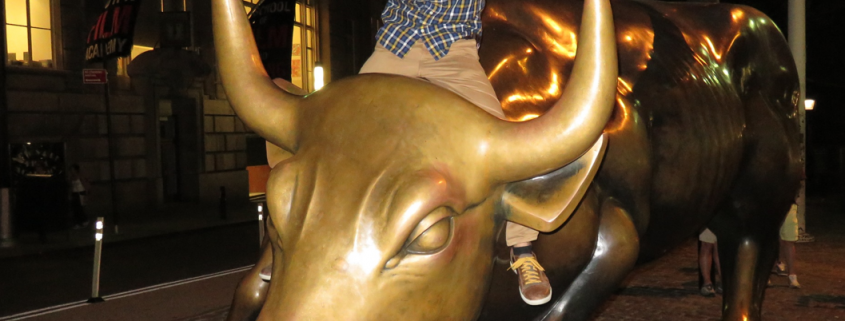
New York was on the route, and so was the Wall Street bull.

wallstreet bull

I went back to the US 3 years later for a longer drive through the national parks, and that one has its own post: a 1-month road trip through the US and Canada.

What has changed since 2015?
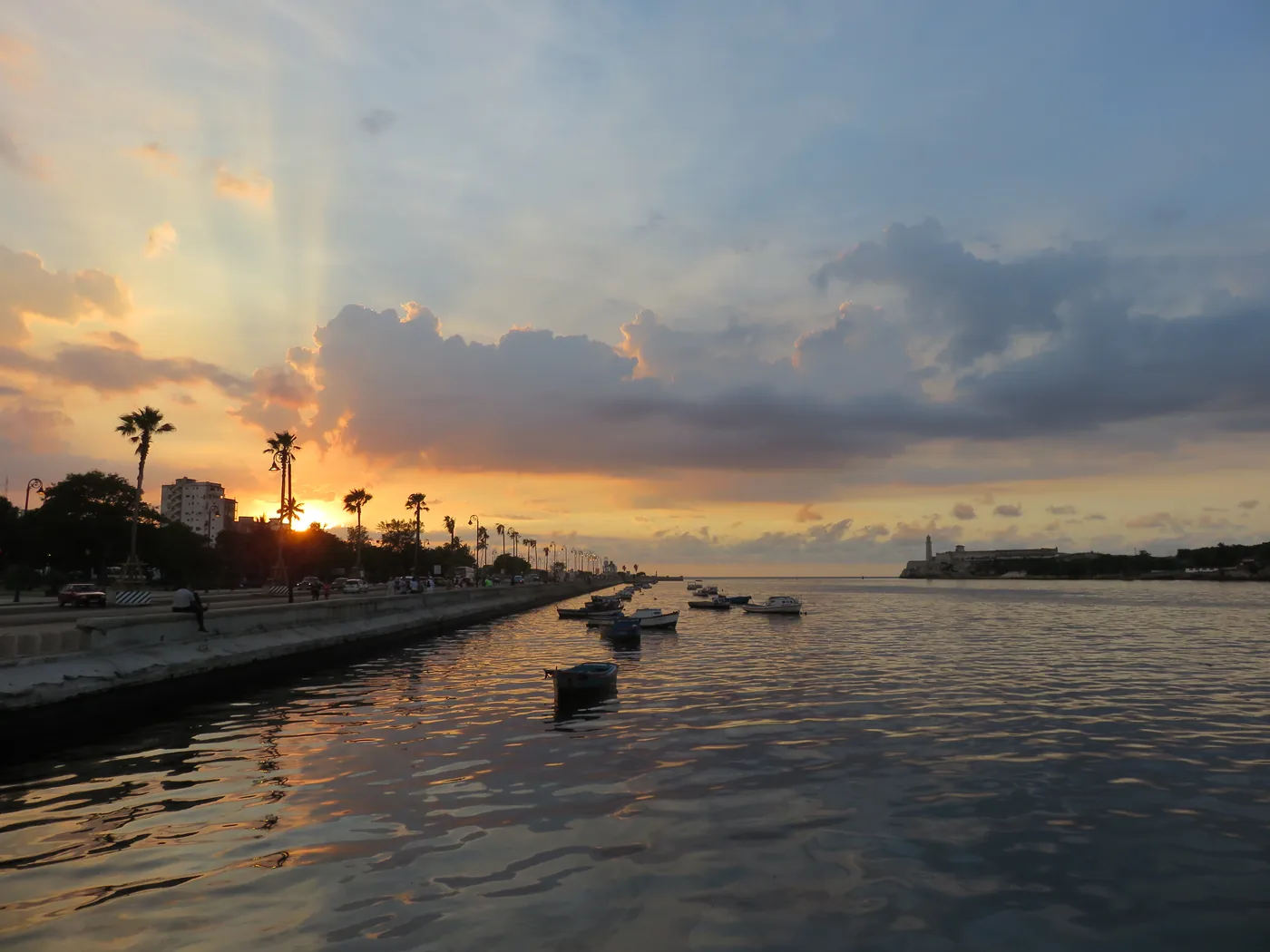
Sunset over the harbour mouth, El Morro on the right

Cuba has changed since 2015, though maybe less than people expected. The currencies were merged, and the internet spread to phones.

Have you been to Cuba or the Yucatan? Which would you pick first? Let me know in the comments.

All my other trips are on the travel log, country by country, and more photos are on Instagram, @iamrecneps.
Spencer Li

by Spencer Li
https://synapsetrading.com/wp-content/uploads/2015/08/wallstreet-bull.png 935 1057 Spencer Li https://synapsetrading.com/wp-content/uploads/2026/10/synapse-logo-horizontal-light.png Spencer Li2015-08-30 13:10:162026-08-23 19:25:56Cuba and Mexico’s Yucatan: One Month Across the US, Mexico and Cuba
Spencer Li

Boracay: 10 Things to Do on the Island, From Cliff Diving to Helmet Diving

Travel & Lifestyle
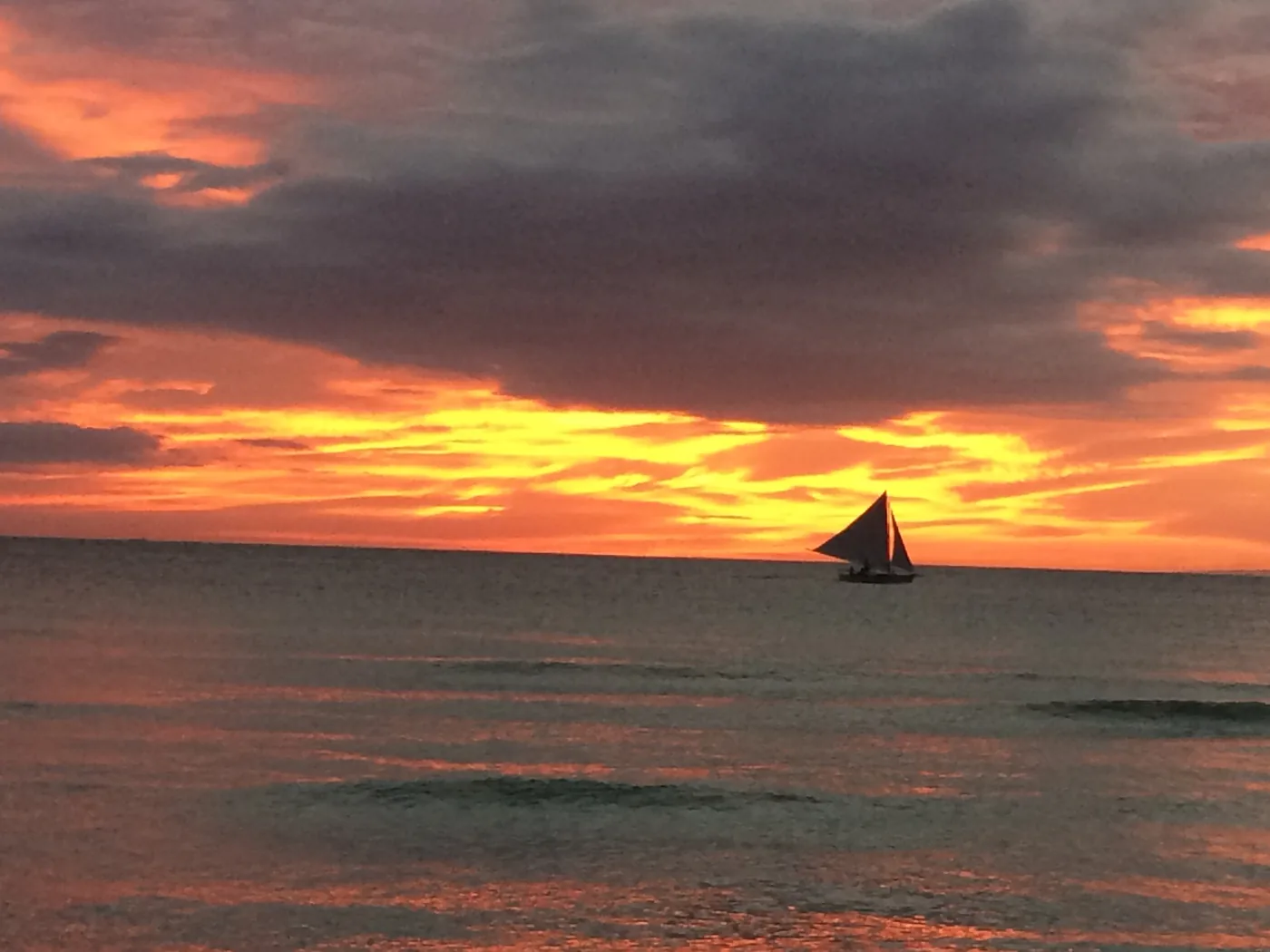
Sunset over White Beach, a paraw sailboat on the horizon

In January 2015, I spent 2 weeks on Boracay with a group of friends. It is a small island in the Philippines with some of the best beaches in Asia, and 2 weeks turned out to be enough time to try almost everything on it.

If you are looking for your next beach holiday, here are the 10 things I would do again.

Where is Boracay?

Sunset over White Beach, a paraw sailboat on the horizon

Boracay sits just off the northern tip of Panay, one of the larger islands in the middle of the Philippines, about an hour’s flight from Manila or Cebu, then a short boat ride across. Its main beach, White Beach, runs for about 4 km of fine white sand, and it is the reason most people come.

The island is small enough to cross in a few minutes, and the best way to think about it is in 2 halves. By day, it is water sports. By night, the bars and restaurants along the beach stay open late.

1. Cheap drinks on the beach

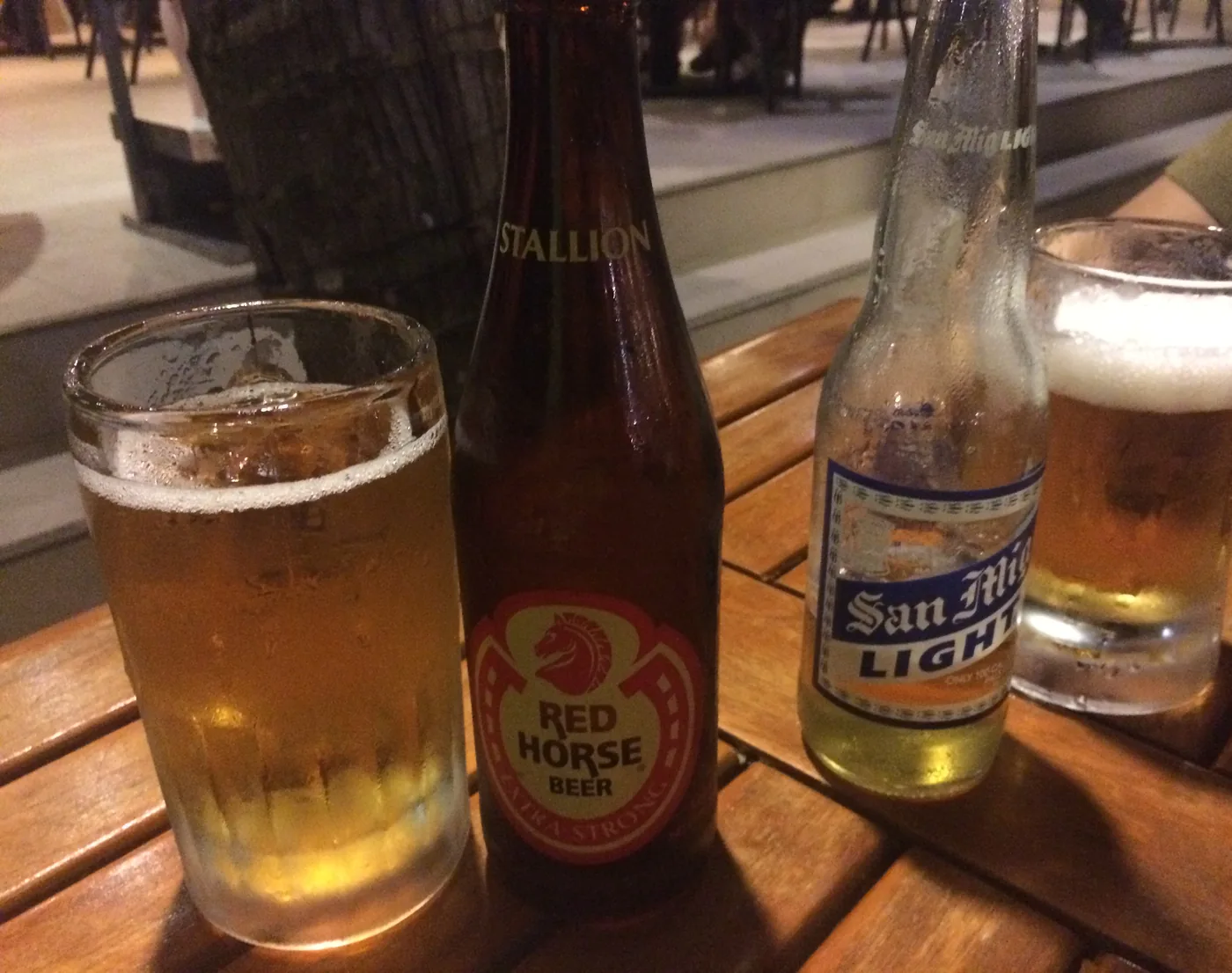
Red Horse and San Miguel beers on a beach bar table

Drinks on Boracay are cheap. 4 cocktails on the beach came to about SGD 10 in total.

2. Seafood, picked fresh

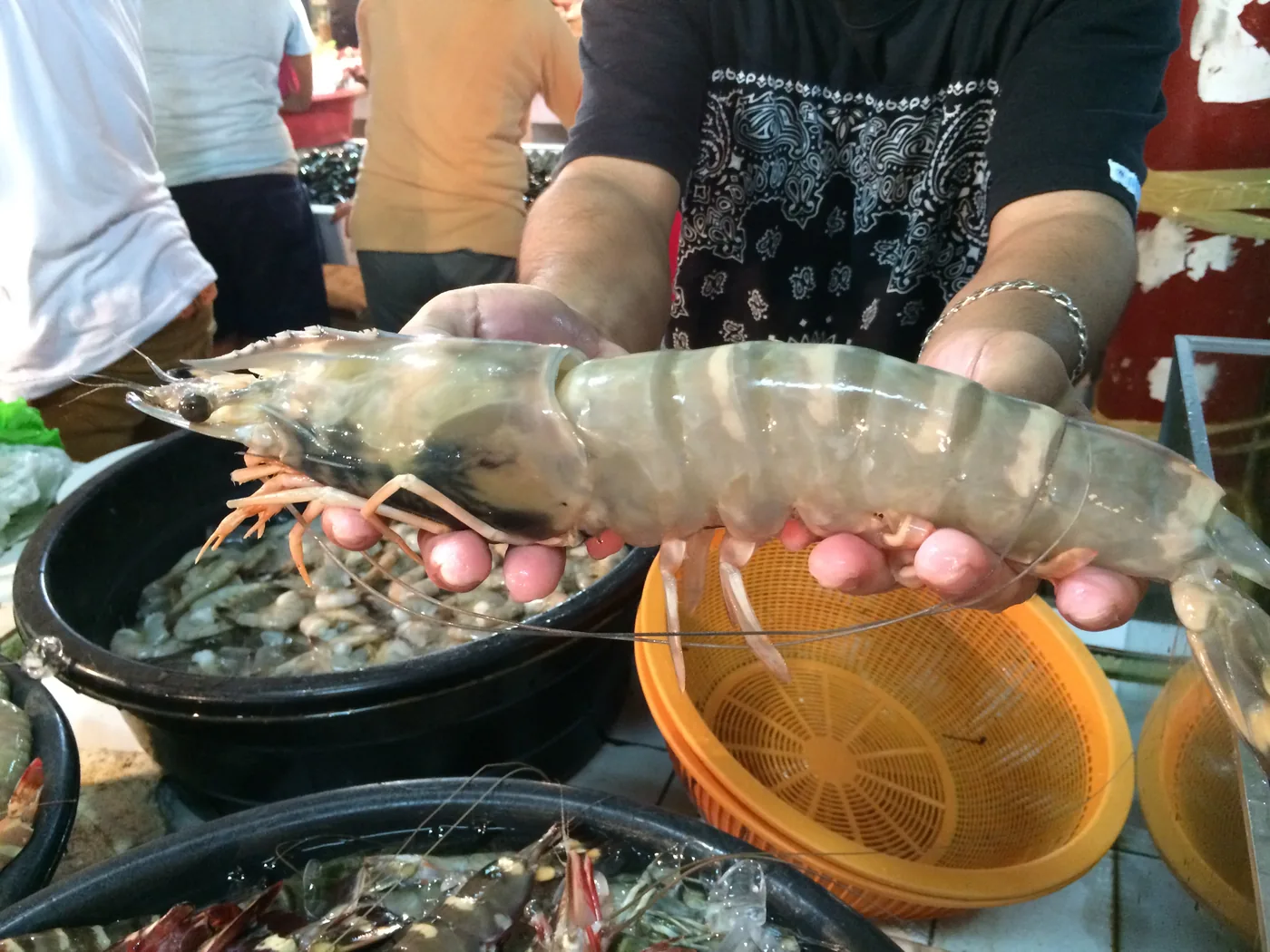
A giant prawn held up over the tanks at the seafood market

Along the beach, the seafood is laid out on ice or still swimming in tanks, and you pick what you want and how you want it cooked. Check that it is still alive first. Some of the prawns were the size of my hand.

3. Cliff diving

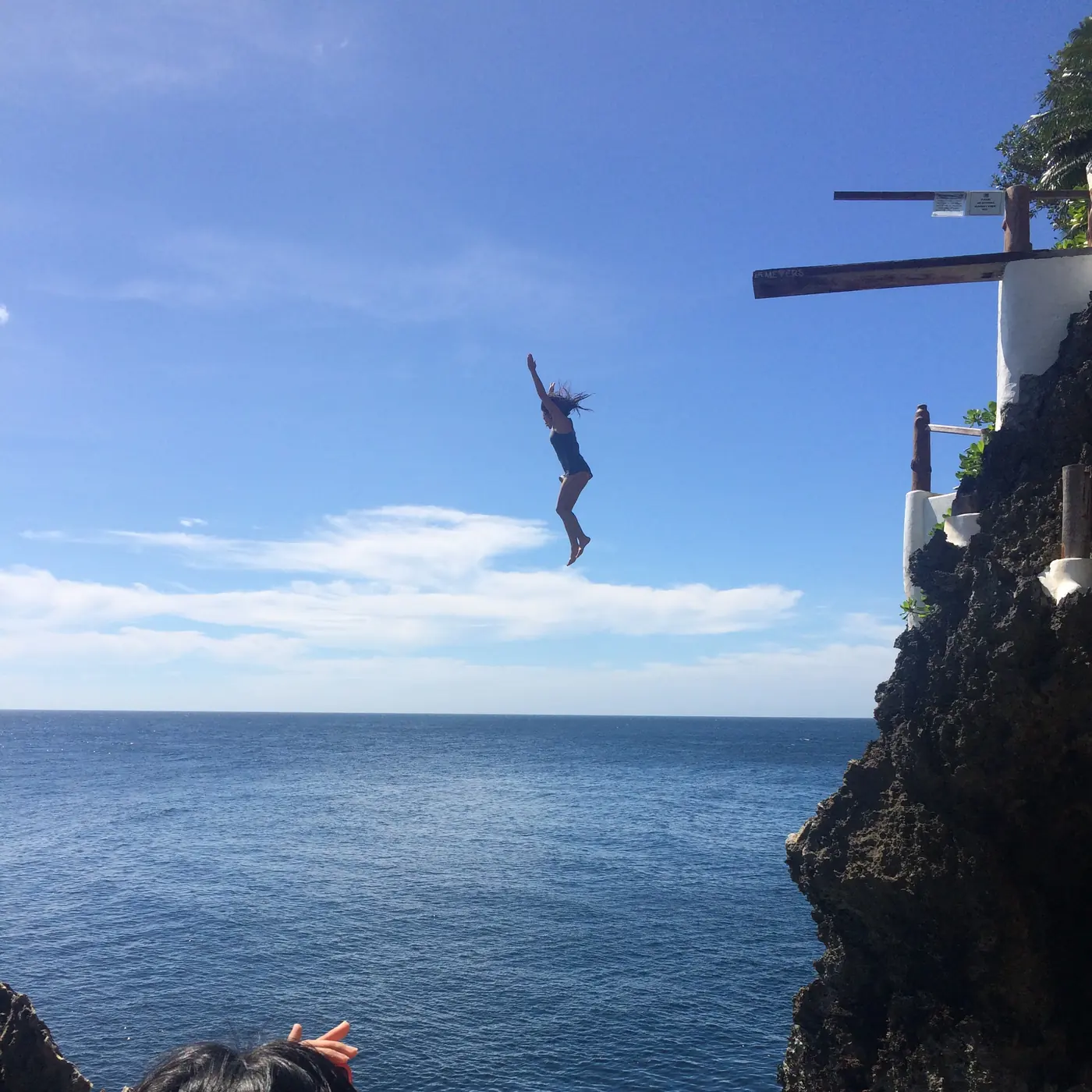
A diver in mid-air off the high platform, open sea below

Around Boracay, there are cliffs you can jump from into deep, clear water, from a few metres up to much higher, for the brave. Start low.

4. Helmet diving

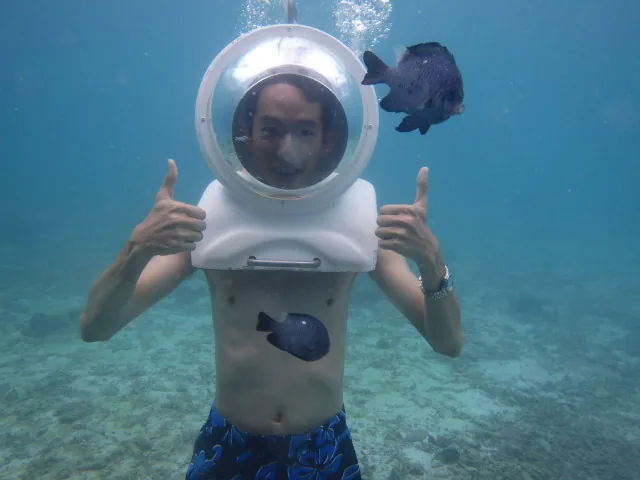
Helmet diving on the sea floor, thumbs up, fish around

This was the strangest one. You wear a heavy glass helmet, fed with air from a hose, and walk along the sea floor among the fish, with no diving licence needed. The photo is not edited. That really is me, standing on the bottom of the sea.

5. Kiteboarding

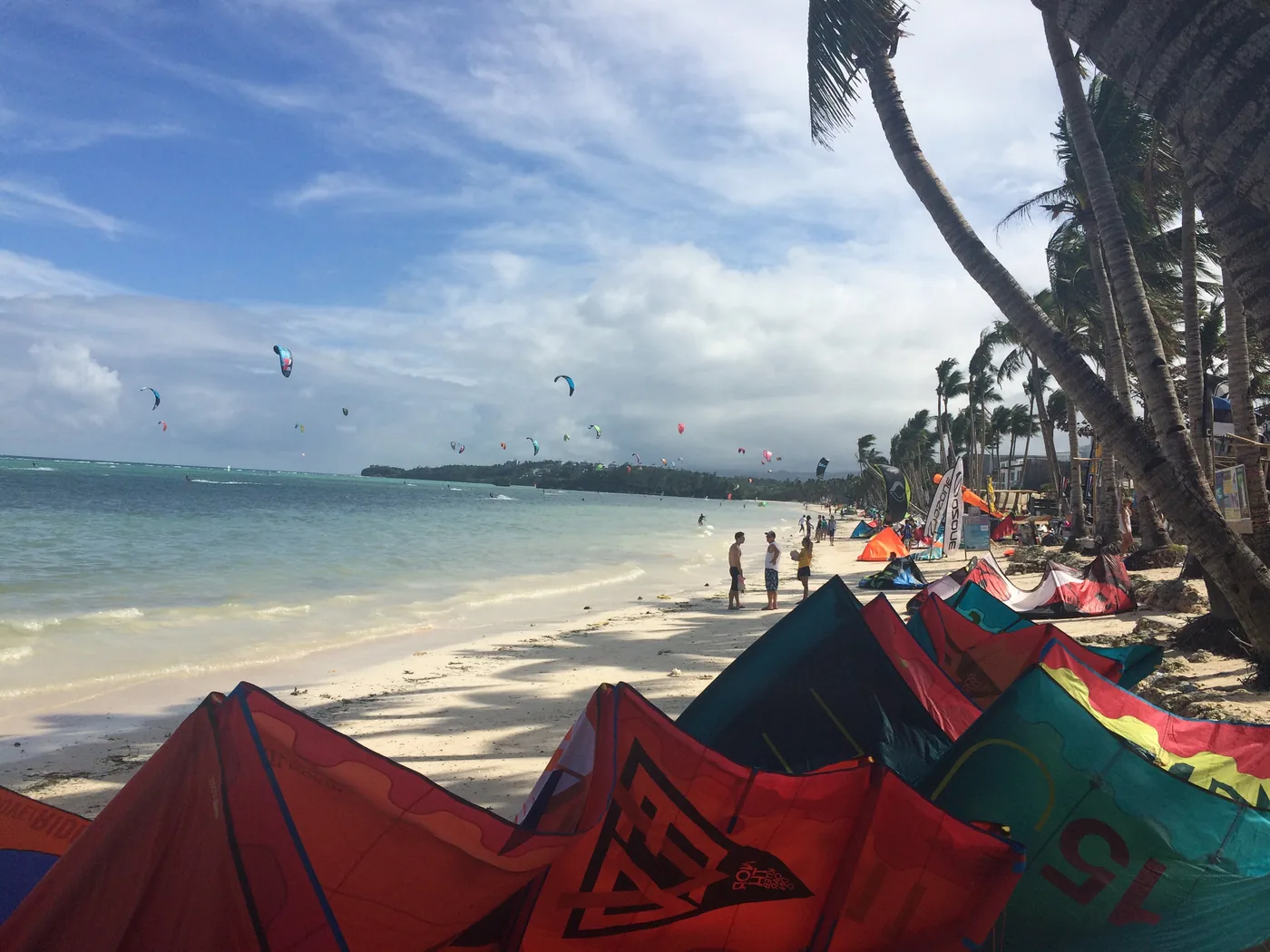
Kites on Bulabog Beach, kiteboarders out on the water

Bulabog Beach, on the east side, is where the wind is, and from about November to April it is one of the best kiteboarding spots in Asia. You let the kite drag you out to sea and hope it brings you back.

6. Island hopping and snorkelling

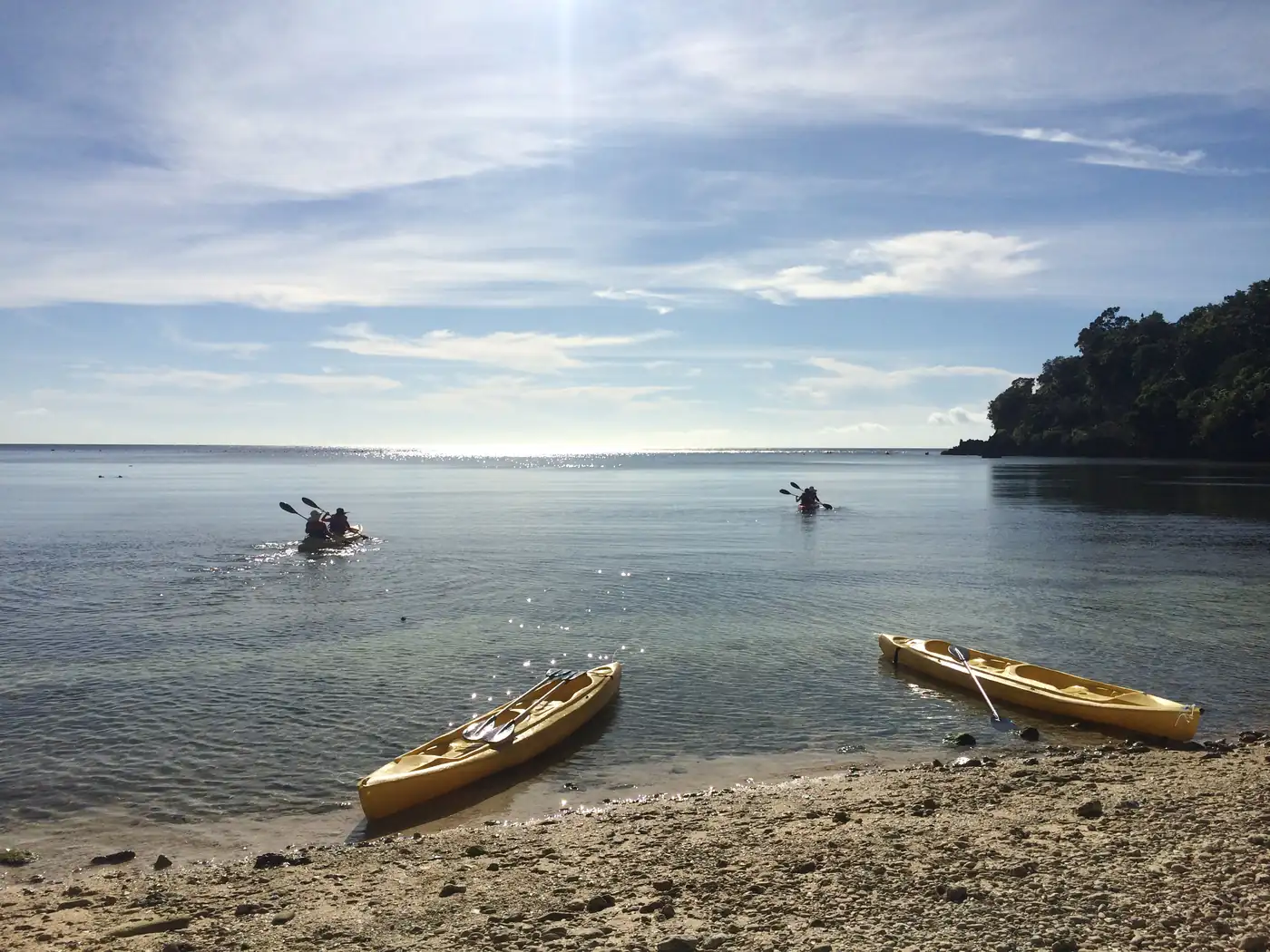
Two yellow kayaks on a quiet island cove
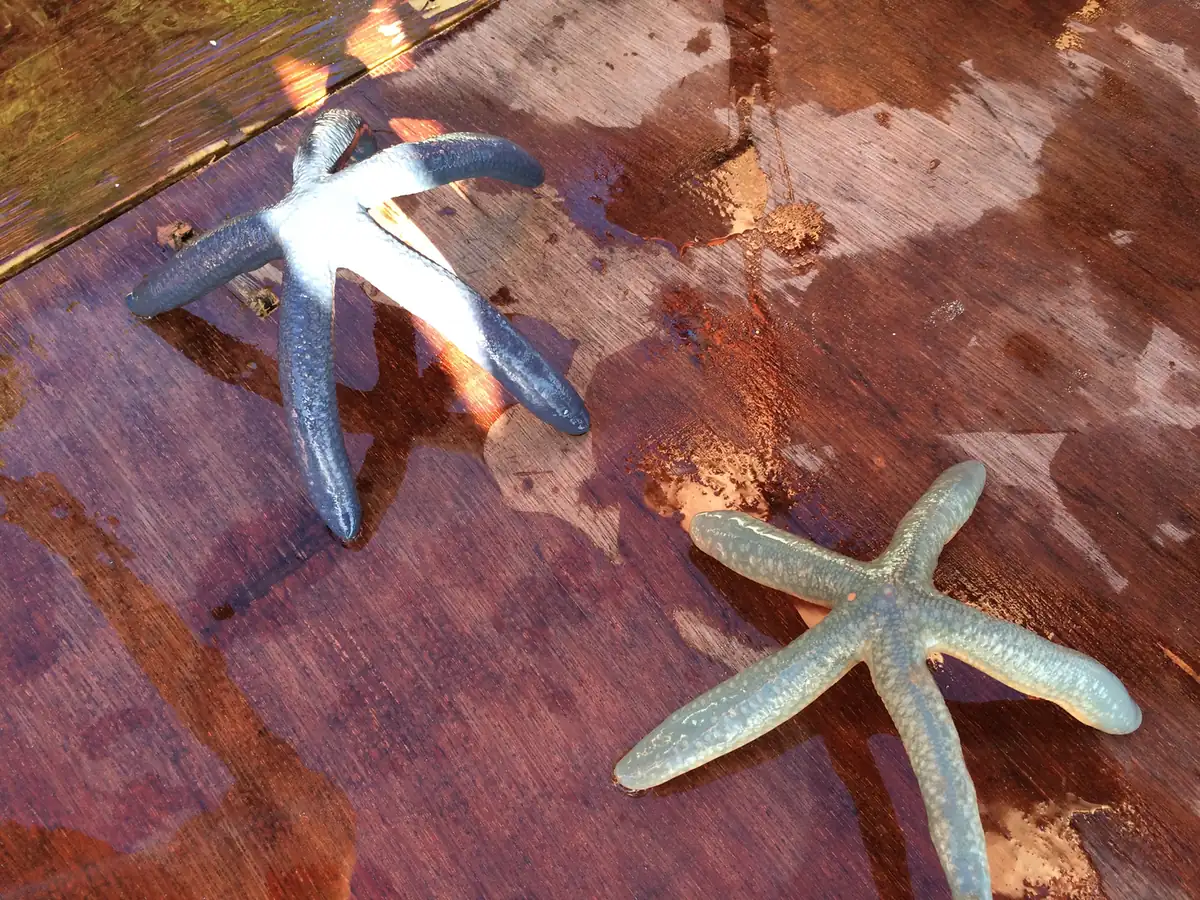
Two starfish on the boat deck

A day on a boat around the small islands nearby, with stops to snorkel, swim and kayak, is the classic Boracay day. Our boat was a mix of people from Singapore, Sweden, Korea, Canada and Australia, and by the end of the day we were all friends.

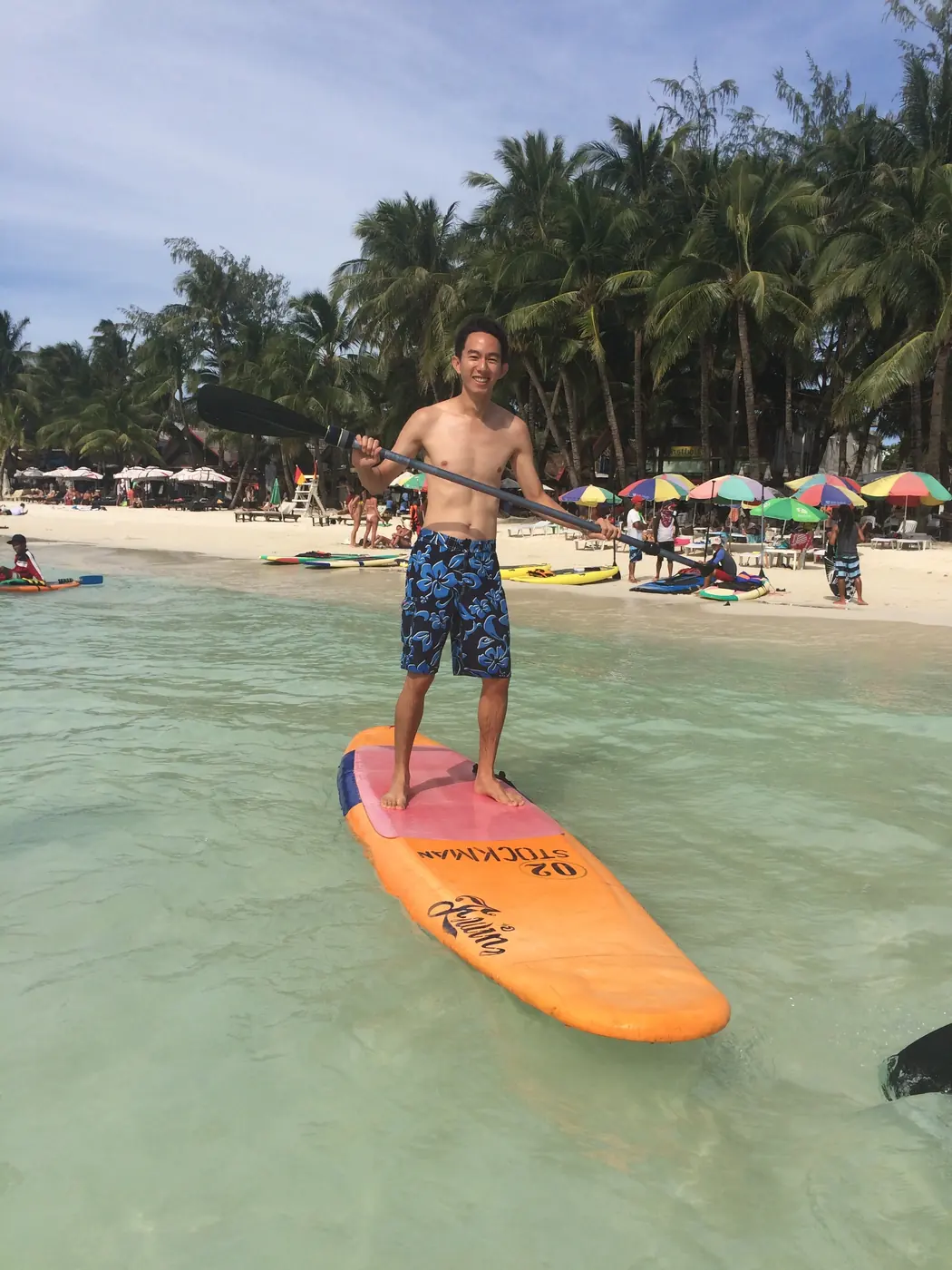
7. Stand-up paddleboarding

Stand-up paddleboarding in the shallows off White Beach

Harder than it looks. The first 10 minutes were mostly falling in. Once you find your balance, the water is calm and clear enough to see the bottom.

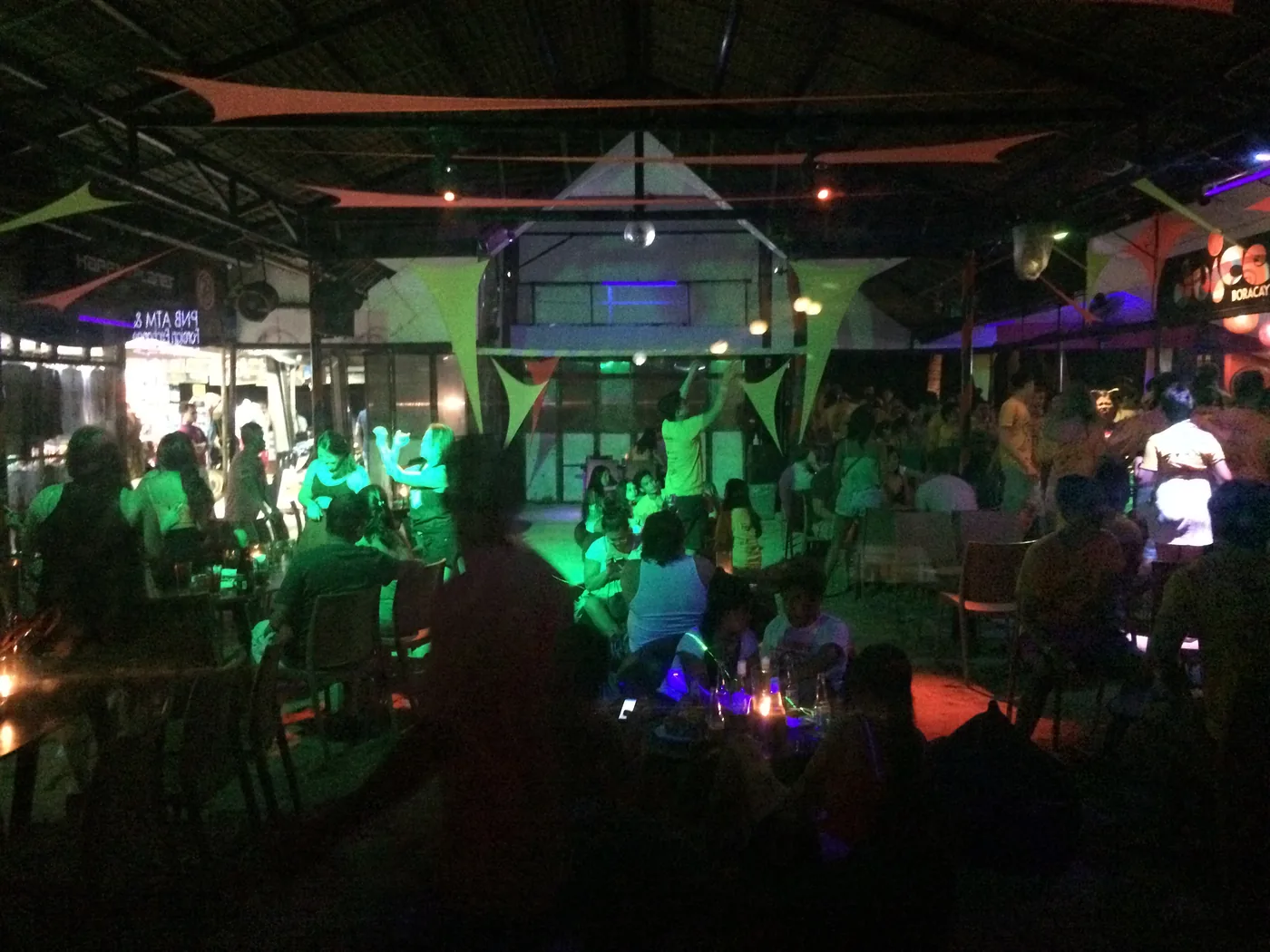
8. The nightlife

A packed open-air bar on the pub crawl night

Boracay’s beach bars and clubs stay open until dawn, and one night we joined the island’s pub crawl.

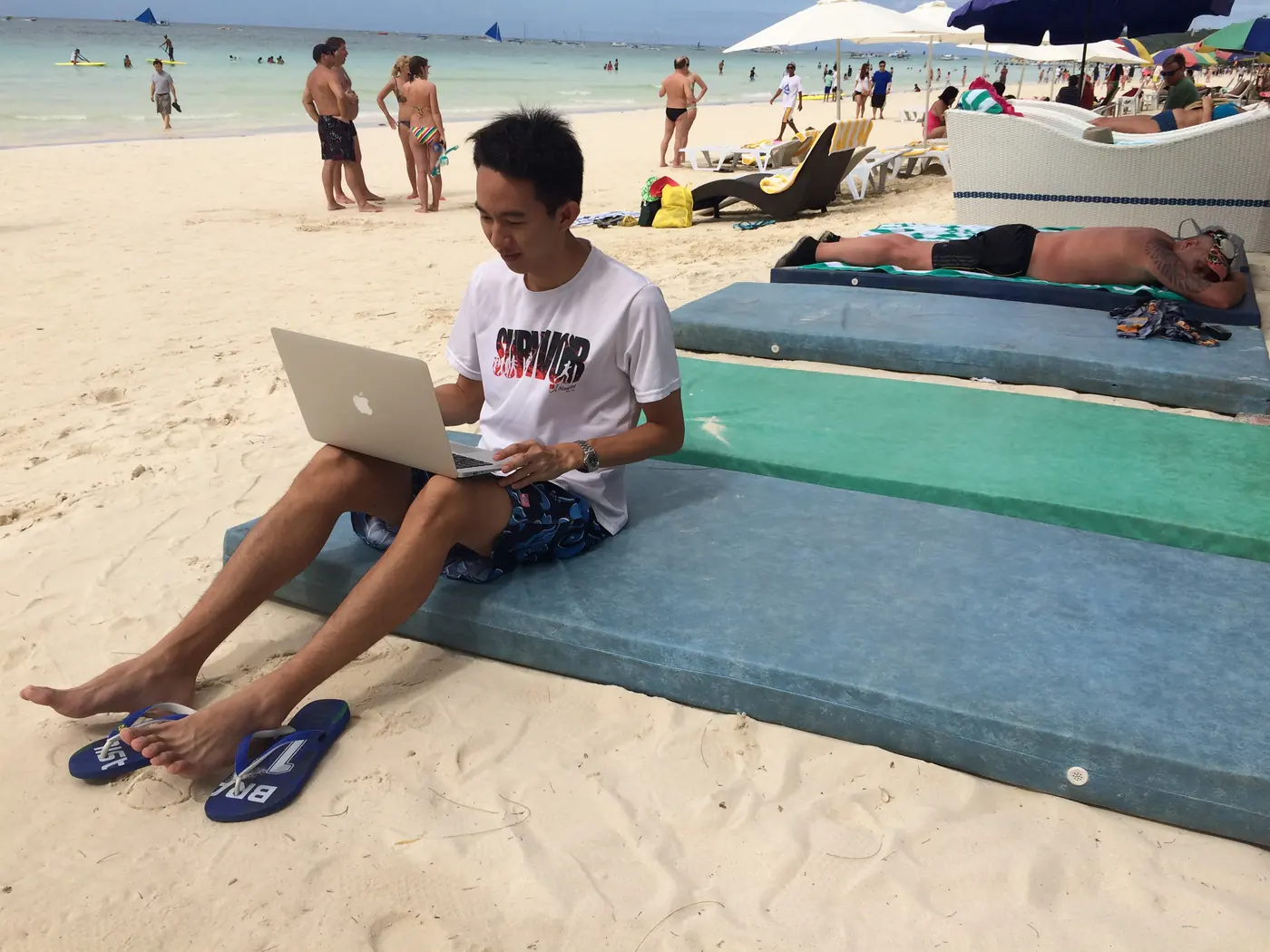
9. Trading from the beach

Working on a laptop on a beach mat, White Beach behind

Boracay is on the same time as Singapore, so the US market opened at about 10.30pm and closed before breakfast. A check of my positions on my phone and a few alerts, and the rest of the day was for the beach. That is the point of a routine that takes about 15 minutes a day: it travels.

I wrote up how that routine works on the road, the watchlist, the alerts and the time zones, in how I trade while travelling.

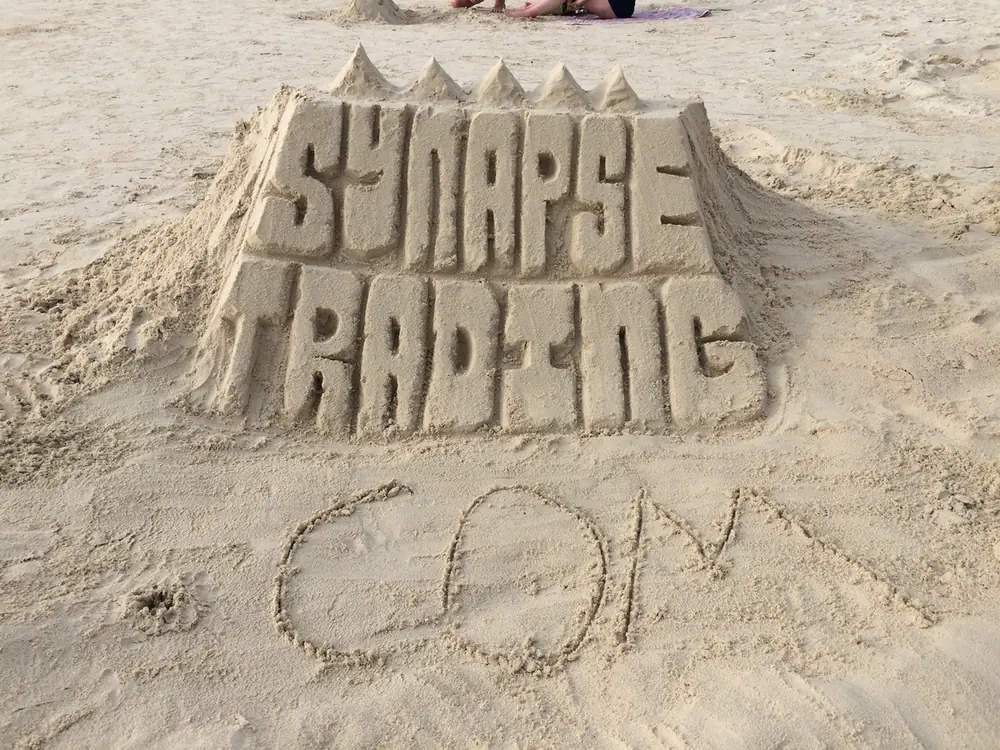
10. Building sandcastles

A sandcastle spelling Synapse Trading .com

Because on a beach this good, why not? Ours had style.

Is Boracay still worth it?

A note from today: in 2018, the government closed Boracay to visitors for 6 months to clean it up, and it reopened with new limits on visitor numbers and on parties on the beach. So some of this list may have changed. Check before you go.

I went back to the Philippines in 2018, for a talk in Manila and a few days on the coast, which I wrote up in Manila and the Batangas coast.

Have you been to Boracay? Which would you try first, cliff diving or helmet diving? Let me know in the comments.

All my other trips are on the travel log, country by country, and more photos are on Instagram, @iamrecneps.
Spencer Li

by Spencer Li
https://synapsetrading.com/wp-content/uploads/2026/10/boracay-2015-sunset-over-white-beach-a-paraw.webp 1050 1400 Spencer Li https://synapsetrading.com/wp-content/uploads/2026/10/synapse-logo-horizontal-light.png Spencer Li2015-02-17 17:55:082026-10-22 04:12:42Boracay: 10 Things to Do on the Island, From Cliff Diving to Helmet Diving
Spencer Li

International Premier Tennis League (IPTL)

Travel & Lifestyle
2014 12 02 19.32.54

This morning, after glancing at the charts to check on my USD/JPY long positions and to take a new AUD/CAD short position, I had to rush off to make it in time for my weekly massage session.

After that, it was lunch with my broker, and some exciting new trade ideas (which I will share in my next weekly updates), and finally it was off to see the IPTL!

From 4.00pm all the way to 10.30pm, it was an amazing display of skill and exciting plays by the best players and legends, including the likes of Ana Ivanovic, Fabrice Santoro, Daniel Nestor, Jo-Wilfried Tsonga, Serena Williams, Andre Agassi, Lleyton Hewitt, and Nick Kyrgios!

When I got back, I found that my USD/JPY position has gone up another 100+ pips and my AUD/CAD was slightly in the money by 20+ pips. What an eventful day! 😀

DBS Mascots - Guess who the main sponsor is?

Ana Ivanovic - Hot Serve :D

Half-time models shaking it to the beats

Victory!

Top view of the tennis court

Andre Agassi - The Return Specialist!

Tsonga receiving serve

Panoramic views

Tsonga victorious!

Serena Willaims serving

Looks like a trashing :(

Andre Agassi autographing the giant tennis balls


P.S. For my full travel photo log and list of countries travelled, please visit: https://synapsetrading.com/travel-log/

by Spencer Li
https://synapsetrading.com/wp-content/uploads/2014/12/2014-12-02-19.32.54.jpg 2448 3264 Spencer Li https://synapsetrading.com/wp-content/uploads/2026/10/synapse-logo-horizontal-light.png Spencer Li2014-12-02 23:30:342026-10-22 04:12:46International Premier Tennis League (IPTL)
Spencer Li

South America: Rio, Machu Picchu, Lake Titicaca and Iguazu Falls in One Trip

Travel & Lifestyle
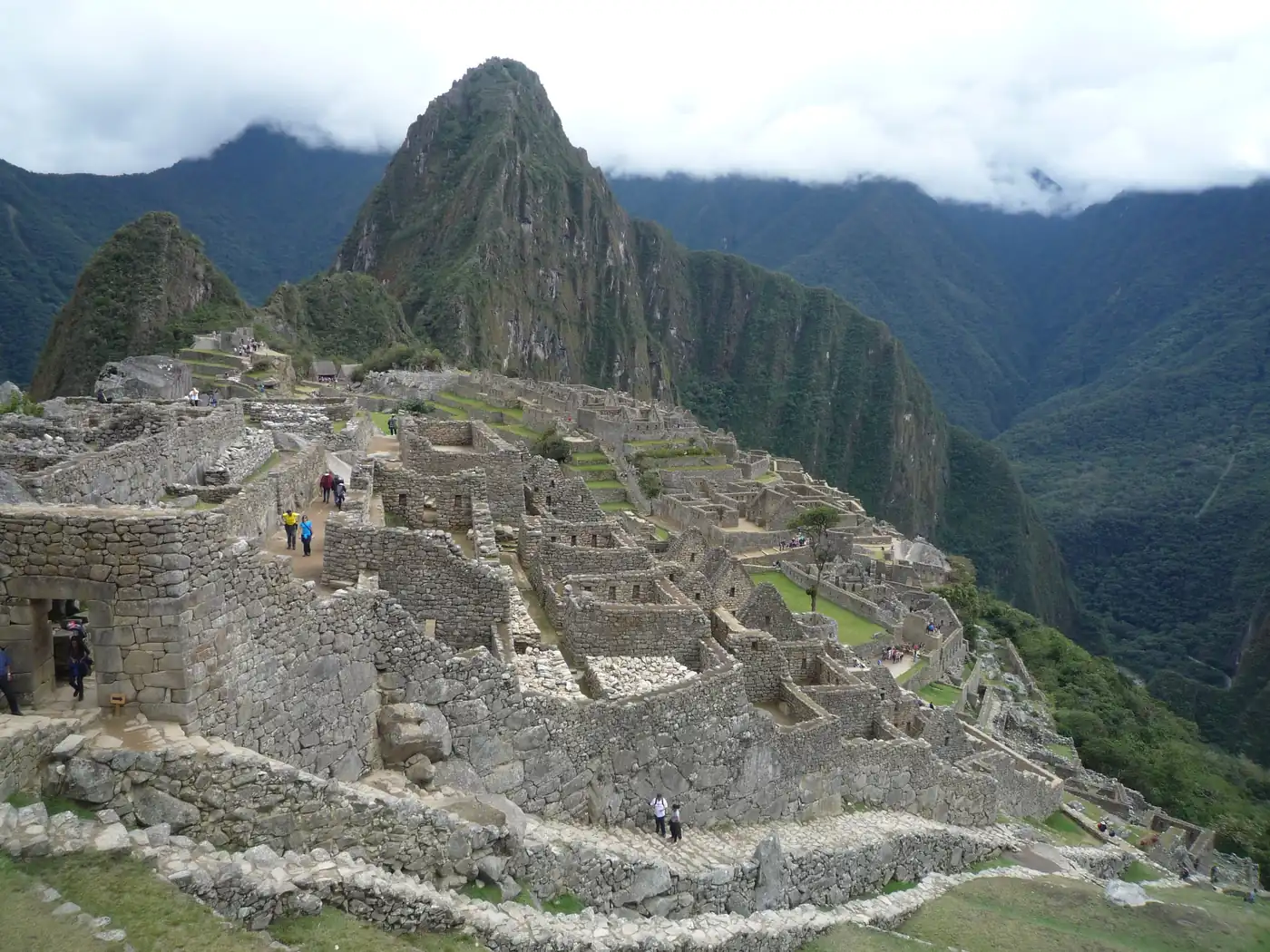
Machu Picchu with Huayna Picchu behind

In September 2014, I spent about 2 weeks crossing South America: Brazil, Peru and Argentina, in 7 stops, from the beaches of Rio to the high Andes and back down to Iguazu Falls.

Singapore and Peru are almost exactly half a world apart, and I flew home through Doha.

Why this route?

Because it strings together 3 of the great sights of the continent in one loop: a city, a lost Inca ruin, and a waterfall. Rio first, then a flight across to Lima on the Pacific, up into the mountains to Cusco and Machu Picchu, on to Lake Titicaca, and finally across to Iguazu, on the border of Brazil and Argentina.

Brazil

Rio de Janeiro

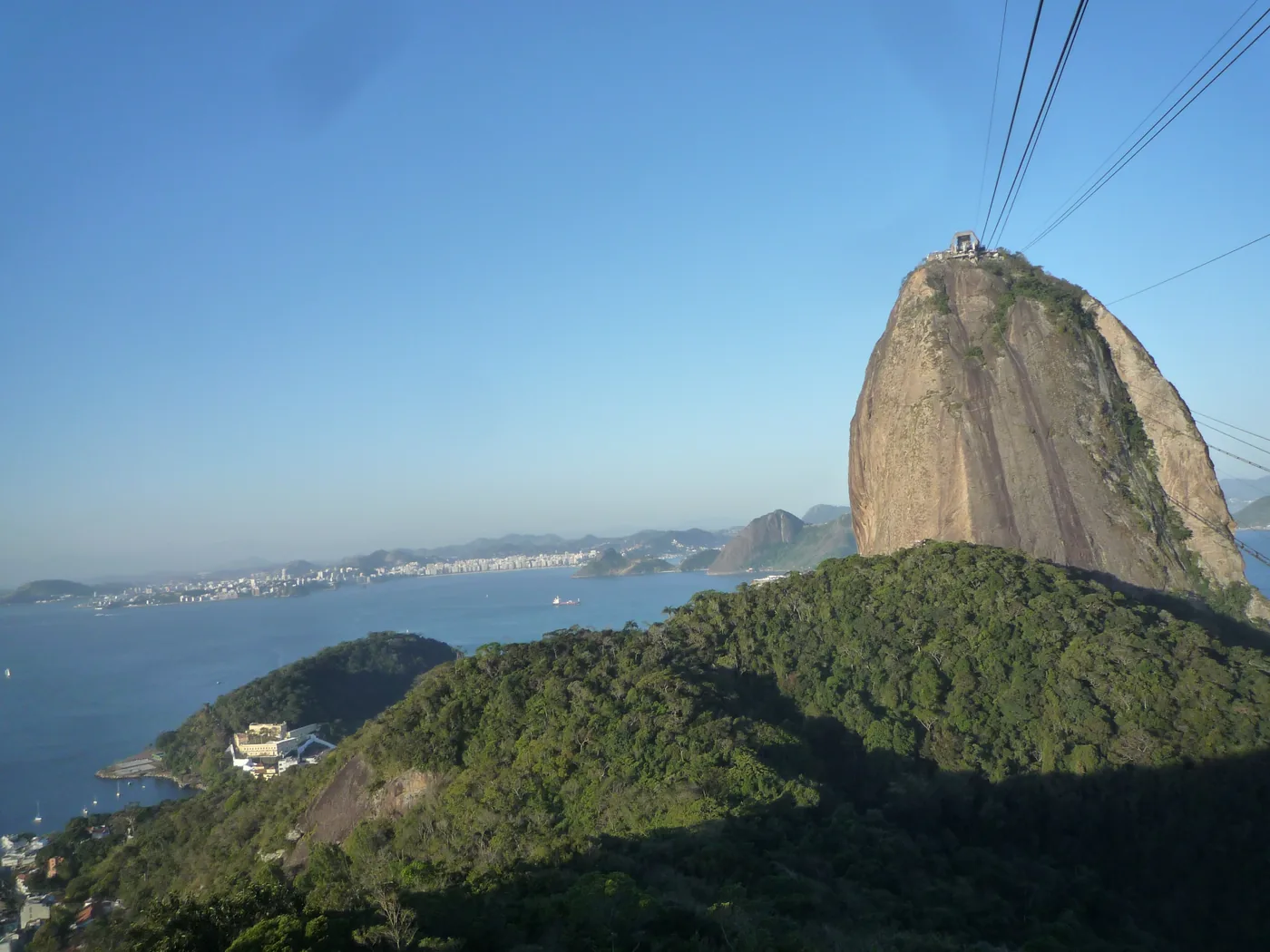
Sugarloaf Mountain and its cable car over the bay, Rio de Janeiro
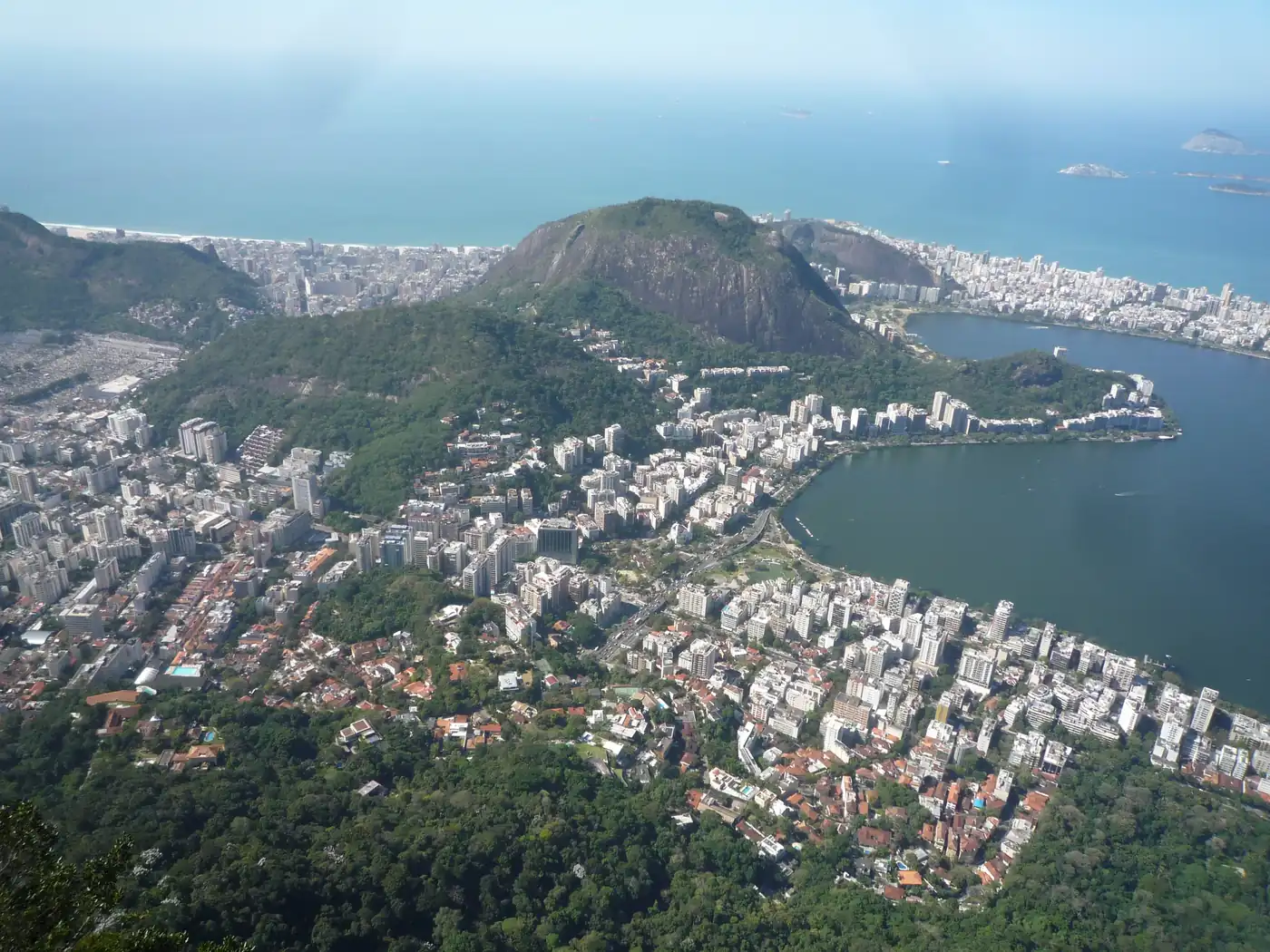
Rio, the lagoon and the ocean from Corcovado

Rio is Brazil’s second-largest city, on the South Atlantic, and it is famous for 3 things: its landscape, its laid-back beach culture, and its carnival.

The setting is what stops you. The harbour’s mouth is so narrow that the first Portuguese sailors thought it was a river, which is how the city got its name, “River of January”. Around it rise Sugarloaf Mountain, at 395 metres, Corcovado, at 704 metres, with the statue of Christ the Redeemer on top, and the forested hills of Tijuca behind.

Peru

Lima

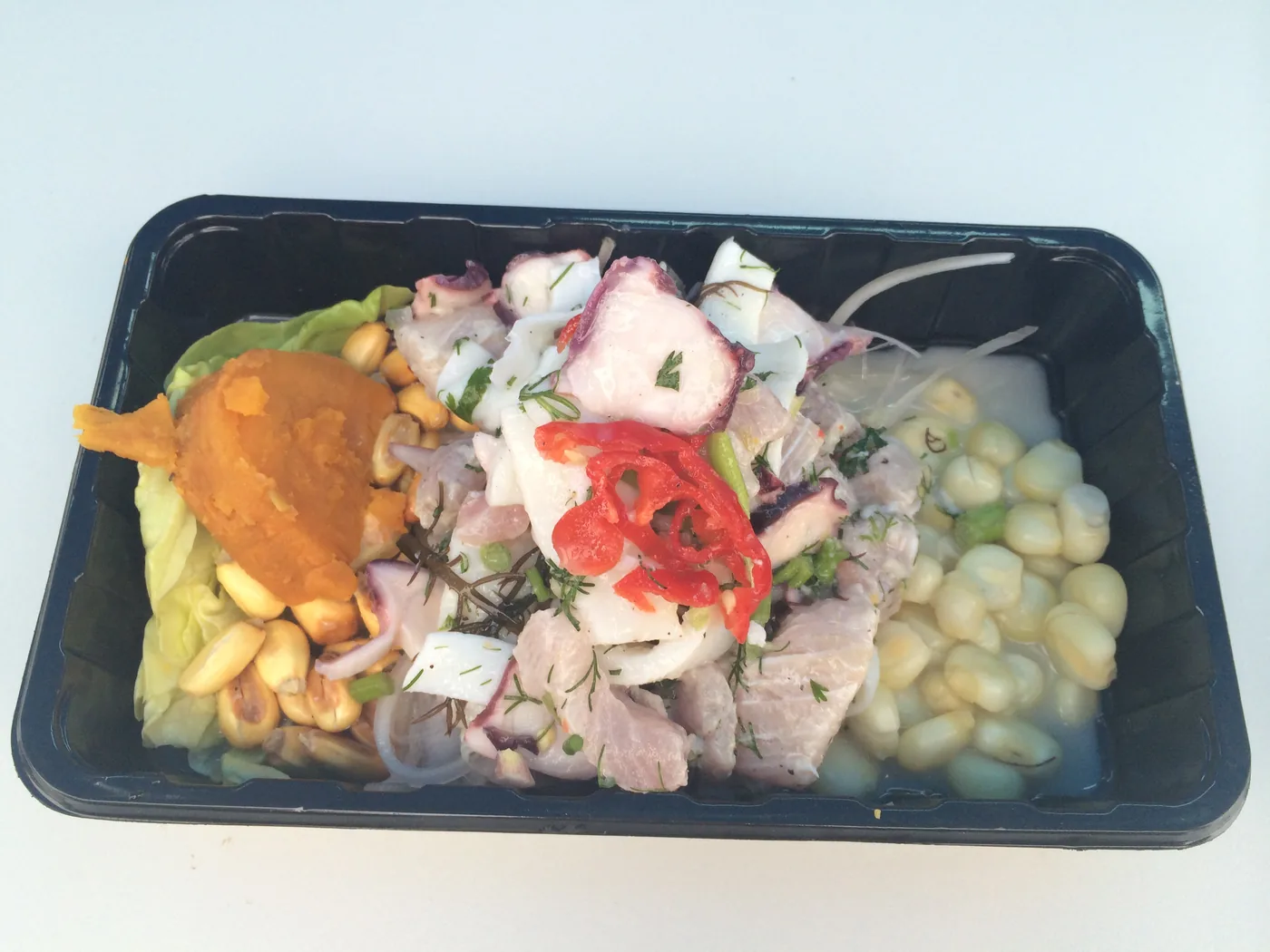
Ceviche with corn and sweet potato at a Lima food festival
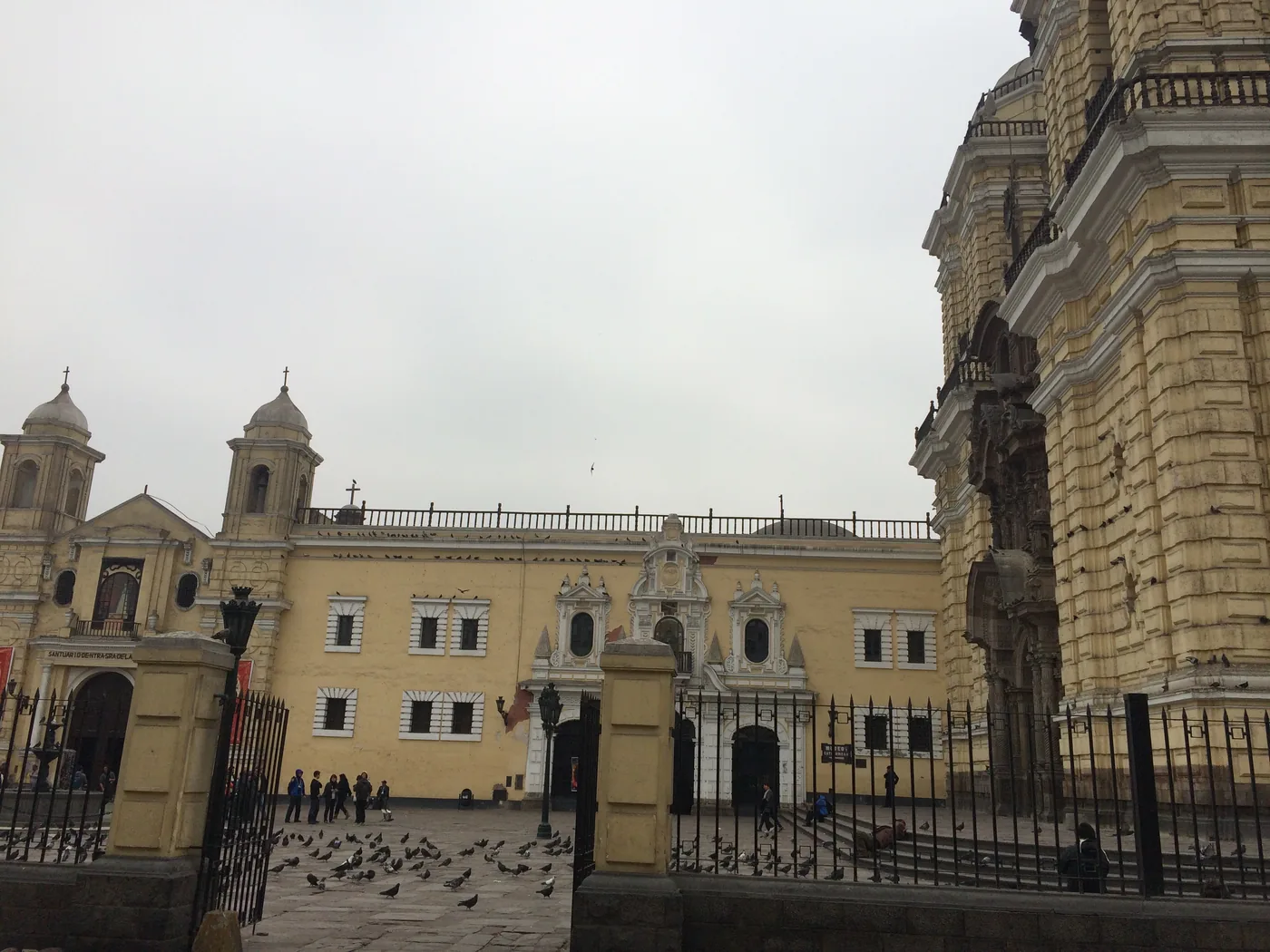
The San Francisco monastery in Lima's old centre

Lima, the capital, was founded by the Spanish conquistador Francisco Pizarro in 1535, and for almost 300 years it was the seat of Spanish rule in South America. That history is still in the old centre, in its churches, cloisters and monasteries.

But the real reason to stop in Lima is the food. The cold current off the coast makes the sea very rich in fish, and Lima is the best place in Peru to eat it, above all as ceviche, raw fish cured in lime. Peru’s cooking pulls in ingredients from the coast, the mountains and the Amazon, and it is not expensive.

Cusco

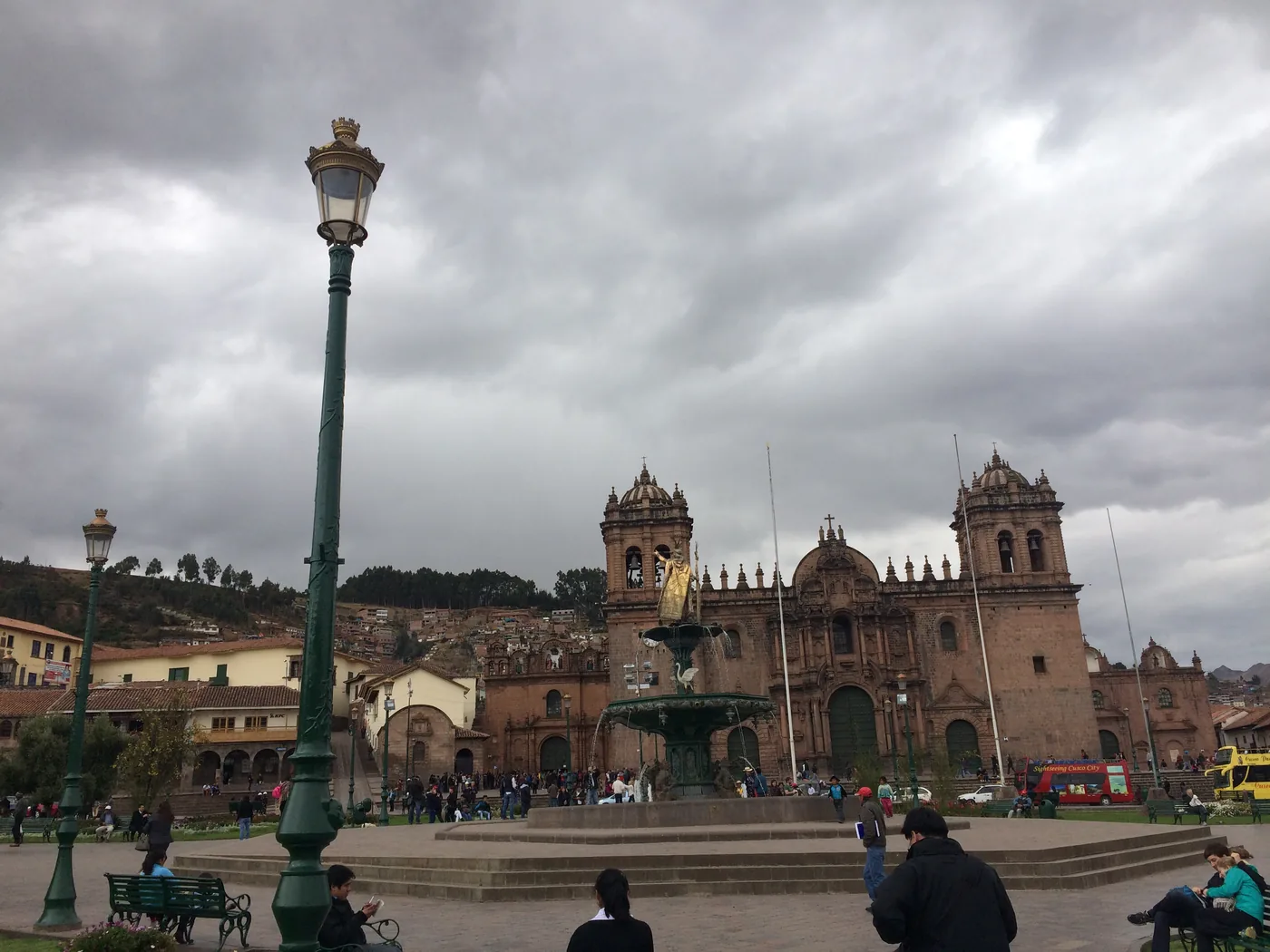
Plaza de Armas and the cathedral, Cusco
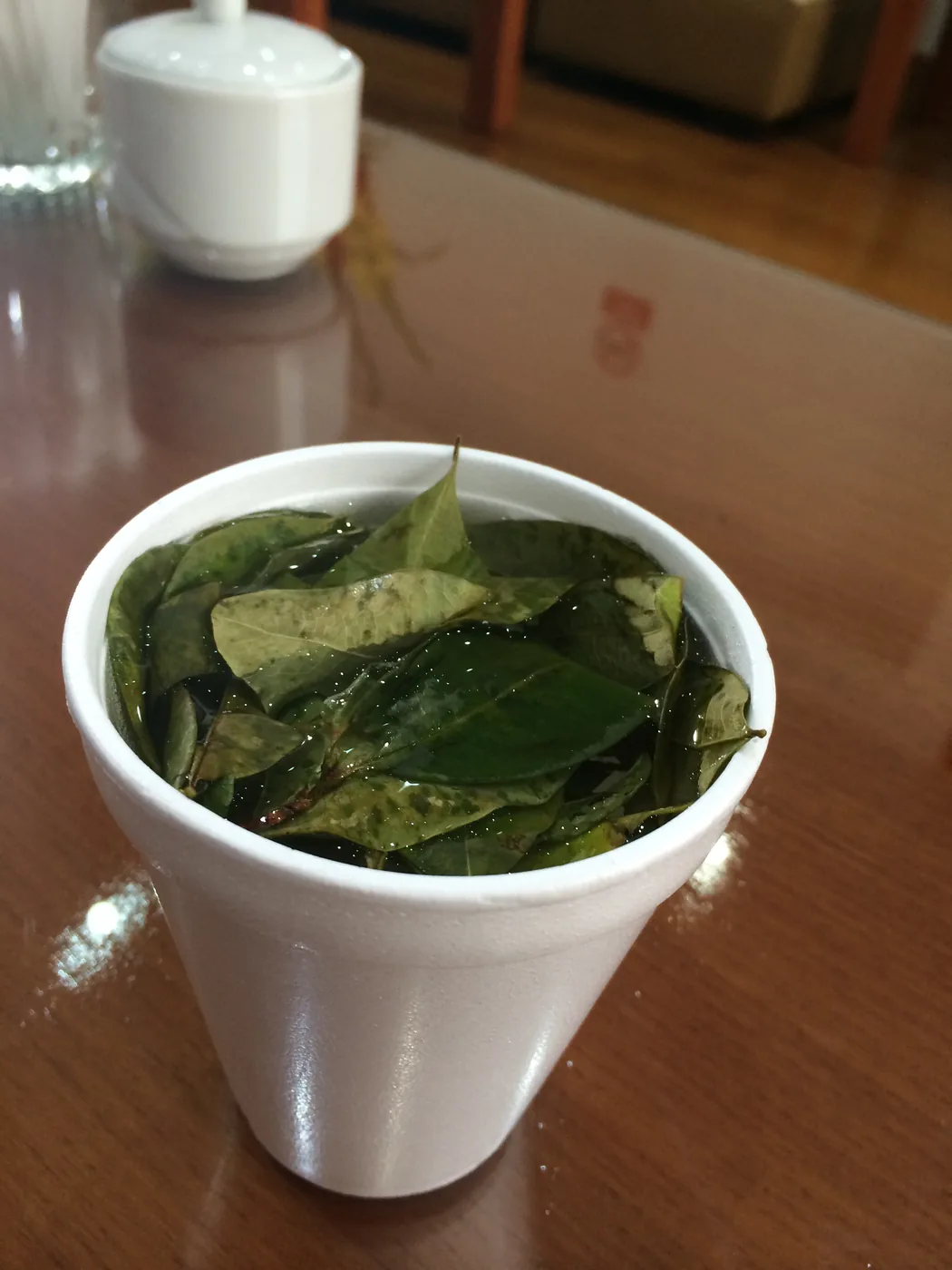
A cup of coca leaf tea

Cusco was the capital of the Inca Empire, and it sits at about 3,400 metres, high enough that you feel it the moment you step off the plane. Today it is a UNESCO World Heritage city, built on Inca stone walls, with Spanish churches on top of them.

A tip for anyone going: take the first day slowly. Walk less, drink water, and try the coca tea the hotels offer for the altitude.

Machu Picchu

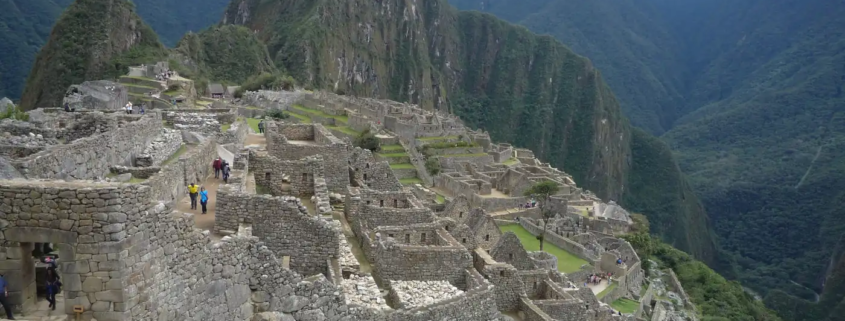
Machu Picchu with Huayna Picchu behind
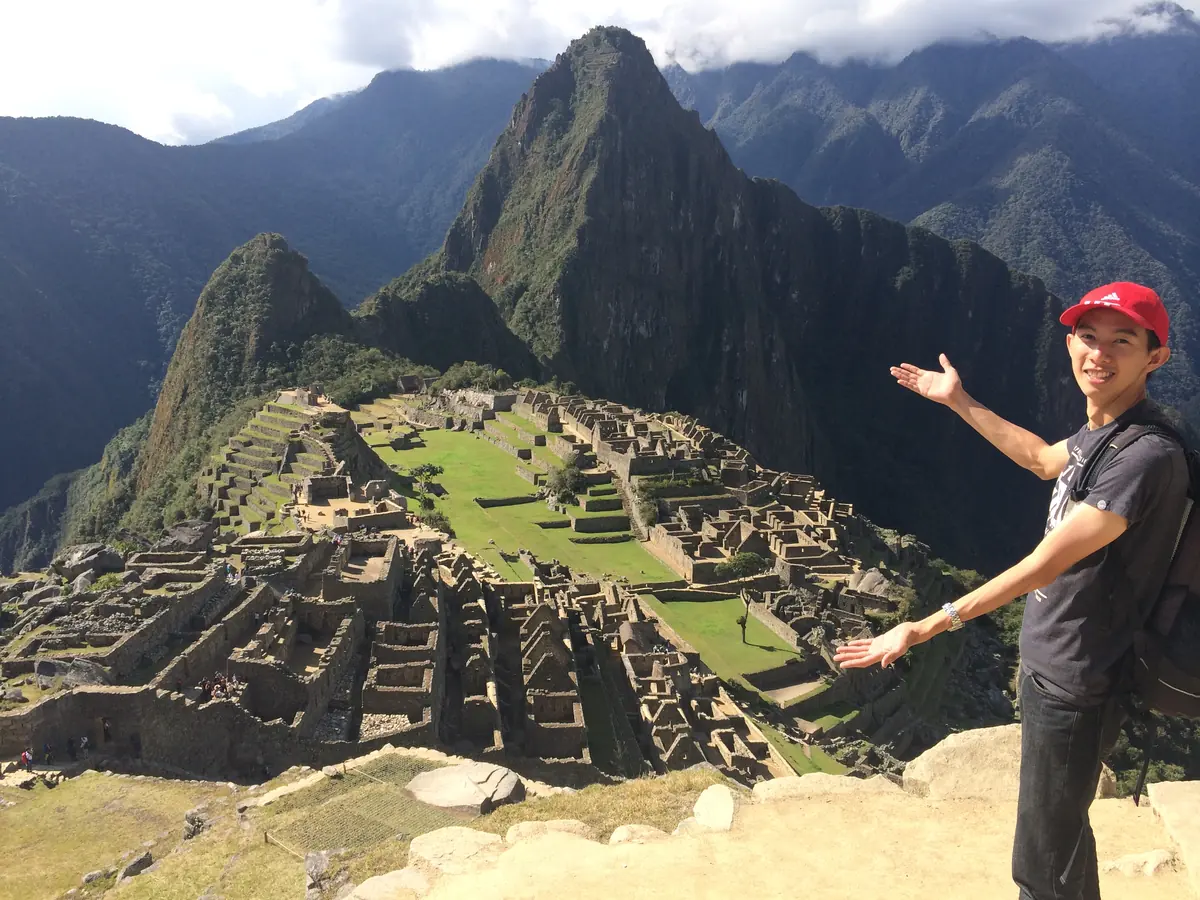
Spencer at Machu Picchu, Huayna Picchu behind, in the afternoon sun

Machu Picchu is the reason most people come to Peru. It is a 15th-century Inca site on a mountain ridge at about 2,430 metres, above the Sacred Valley, about 80 km north-west of Cusco.

Most archaeologists think it was built as an estate for the Inca emperor Pachacuti. Because the Spanish never found it, it survived almost intact, which is why it is now the best-known symbol of the Inca world. It became a UNESCO World Heritage Site in 1983, and in 2007 it was voted one of the New 7 Wonders of the World.

Puno and Lake Titicaca

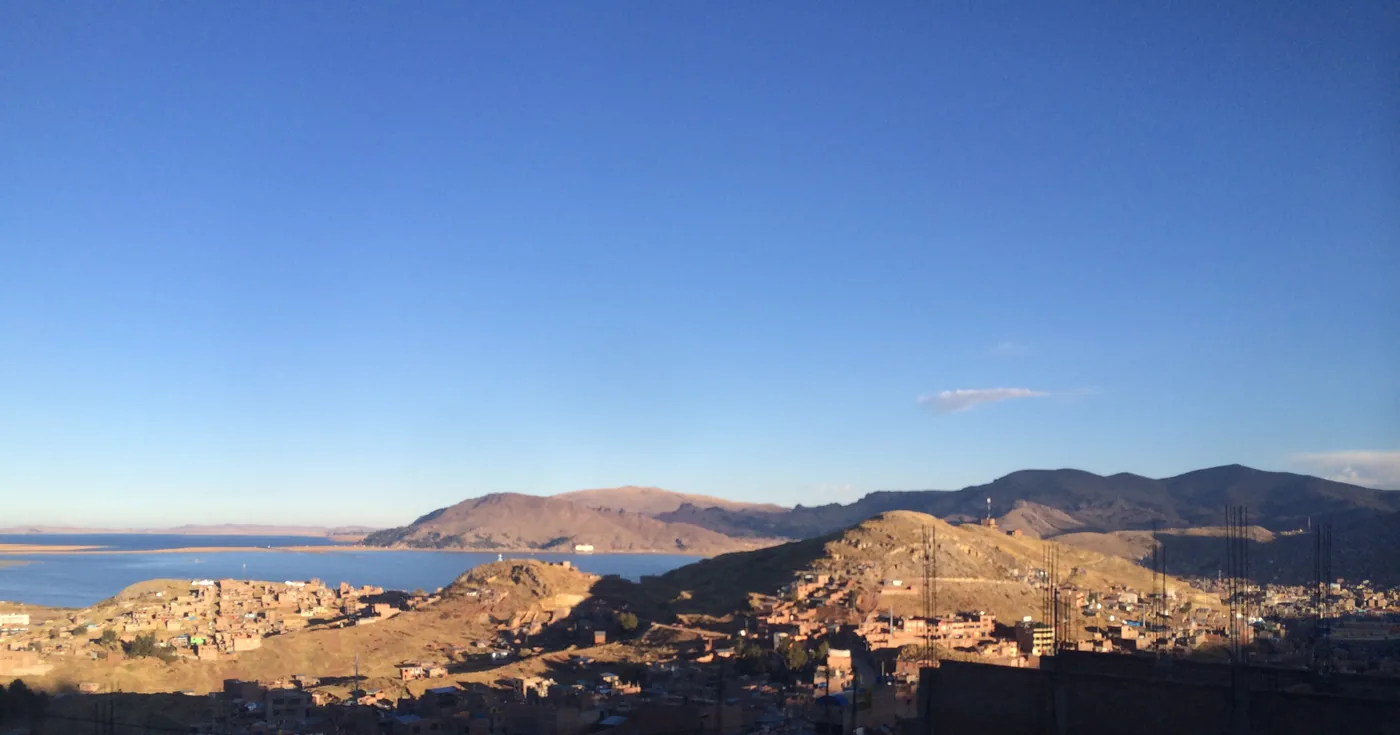
Puno on the hillside, Lake Titicaca behind
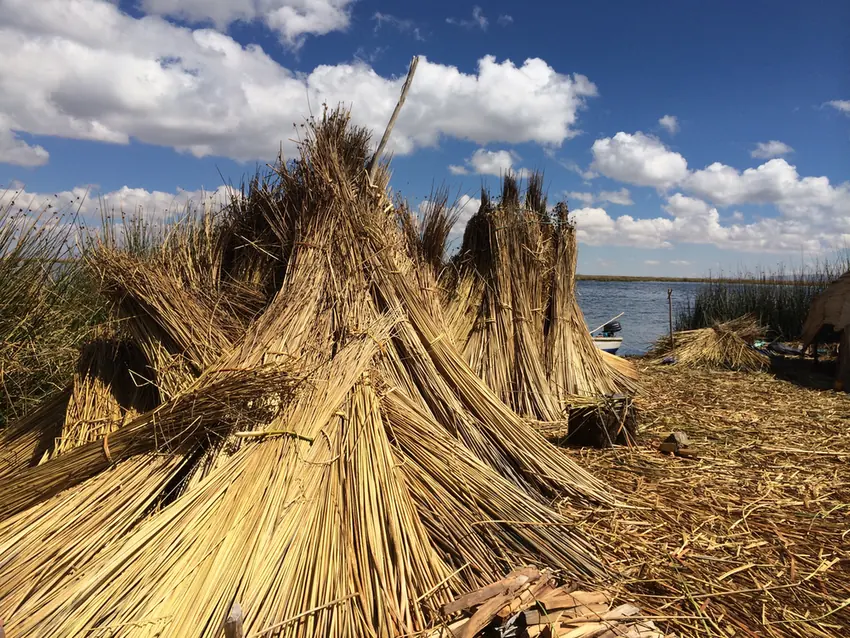
Bundles of totora reeds on a Uros floating island

Puno is a small city on the shore of Lake Titicaca, at about 3,800 metres, founded by the Spanish in 1668. It is the base for the lake.

Lake Titicaca is shared by Peru and Bolivia, and it is one of the highest navigable lakes in the world. On it live the Uros, a people older than the Incas, on islands they build themselves out of totora reeds that grow in the lake. The bigger islands hold about 10 families, the smaller ones, about 30 metres across, only 2 or 3.

The islands rest on a thick mat of reed roots, and they are anchored with ropes to sticks driven into the lake bed. The reeds at the bottom slowly rot away, so the Uros add fresh ones on top every few months. That is what makes walking on one so unusual: the ground is soft underfoot.

Brazil and Argentina

Iguazu Falls

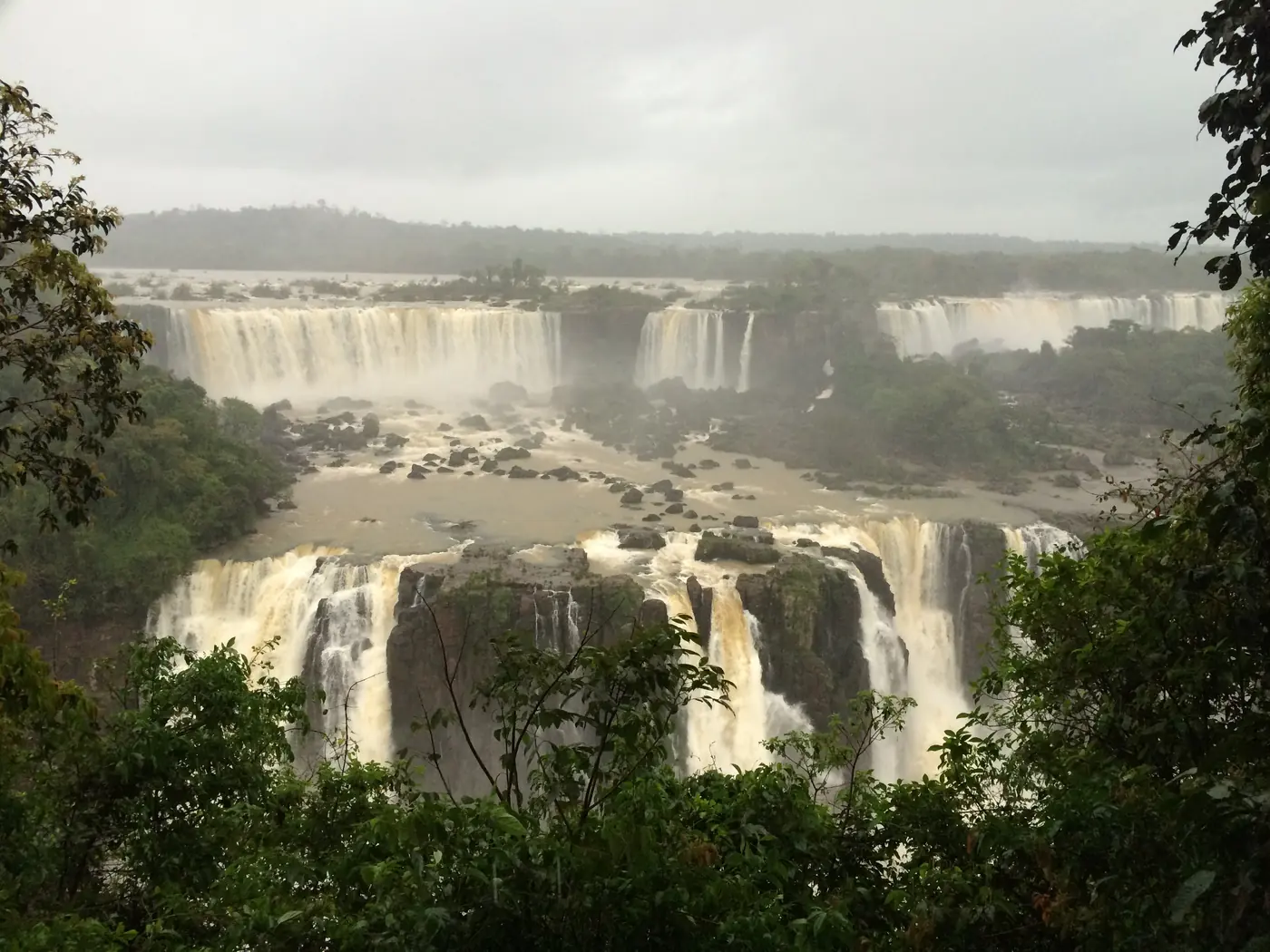
A line of Iguazu's falls framed by jungle, from the Brazilian side

The last stop was the biggest. Iguazu Falls sit on the Iguazu River, on the border between Argentina and Brazil, and there are not 1 or 2 falls, but a line of about 275 of them, nearly 3 km long.

Most of the falls are on the Argentine side, so that is where you get up close, on walkways that run right out over the water. The Brazilian side gives you the panorama of the whole line.

How did the trading fit in?

In about 15 minutes a day, the same as at home. Only the clock changed: South America is 11 to 13 hours behind Singapore, so the check moved with it, and the rest of the day was for the mountains.

I wrote up how that routine works on the road, the watchlist, the alerts and the time zones, in how I trade while travelling.

Have you been to South America? If you could only pick one, would it be Machu Picchu, Lake Titicaca or Iguazu? Let me know in the comments.

All my other trips are on the travel log, country by country, and more photos are on Instagram, @iamrecneps.
Spencer Li

by Spencer Li
https://synapsetrading.com/wp-content/uploads/2026/10/south-america-2014-machu-picchu-with-huayna-picchu-behind.webp 1050 1400 Spencer Li https://synapsetrading.com/wp-content/uploads/2026/10/synapse-logo-horizontal-light.png Spencer Li2014-09-24 00:30:002026-10-22 04:10:19South America: Rio, Machu Picchu, Lake Titicaca and Iguazu Falls in One Trip
Spencer Li

Angkor Wat, Zip-lining and the Art of Waiting: Back in Cambodia

Travel & Lifestyle
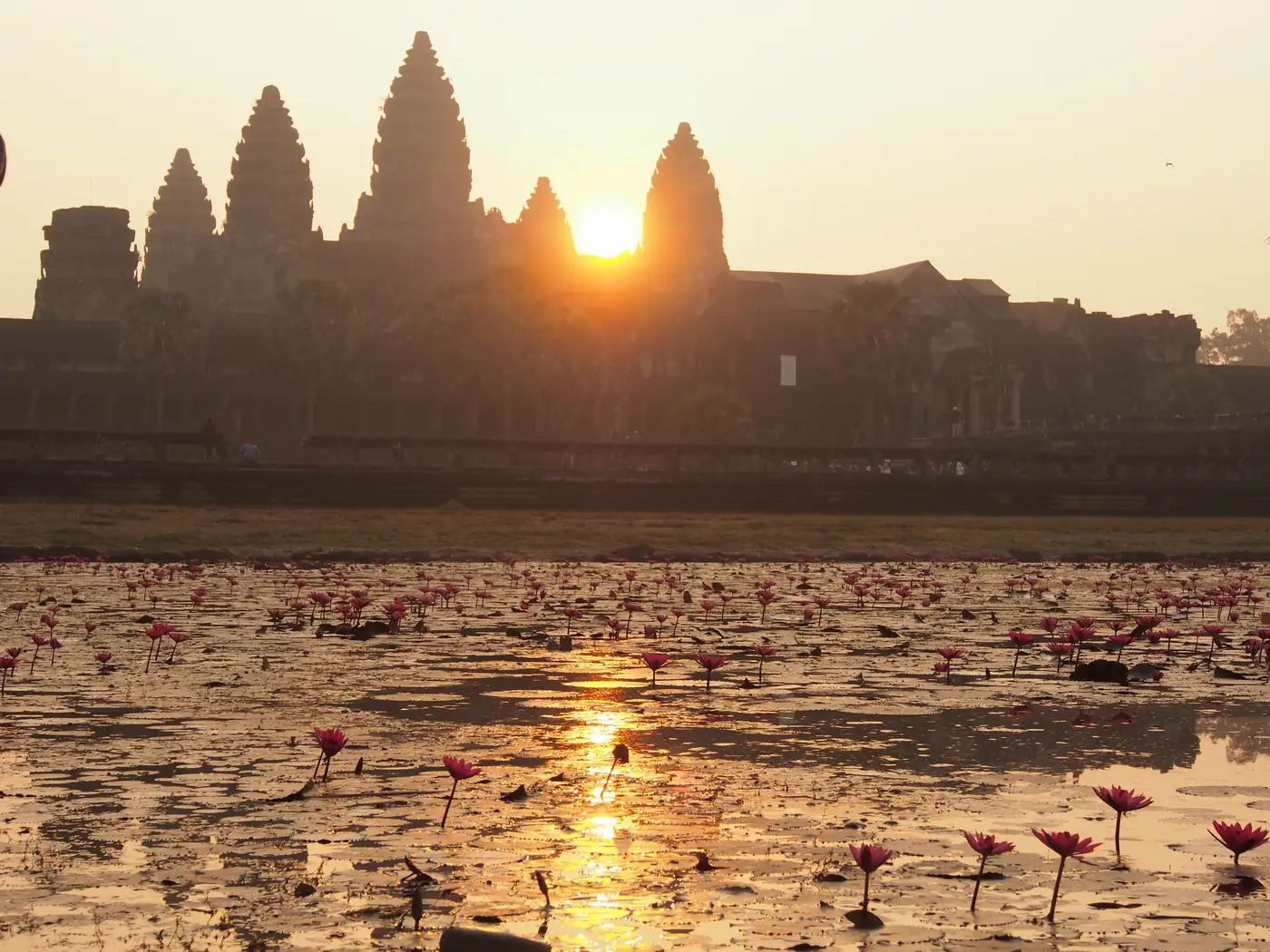
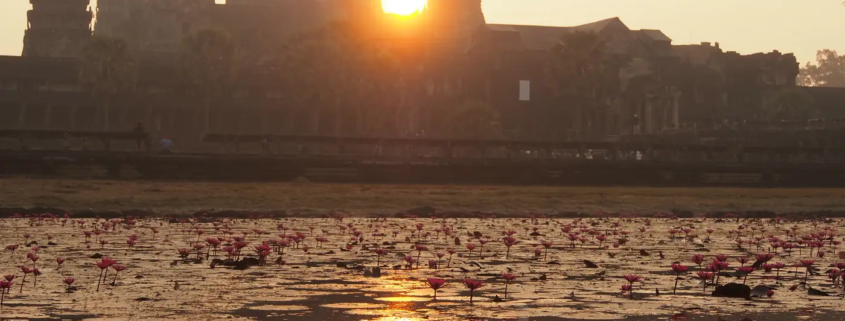
Angkor Wat at sunrise with lotus flowers in the pond

My first trip to Cambodia was in 2011, on a backpacking trip through Vietnam, Cambodia and Laos with my university friends after we graduated. In January 2014, I went back for a short holiday.

This post is about two things from that second trip. One is the temples of Angkor, which are as big as everyone says. The other is a line from Jesse Livermore about waiting, which I wrote about after this trip and still teach today.

Why go back to Cambodia?

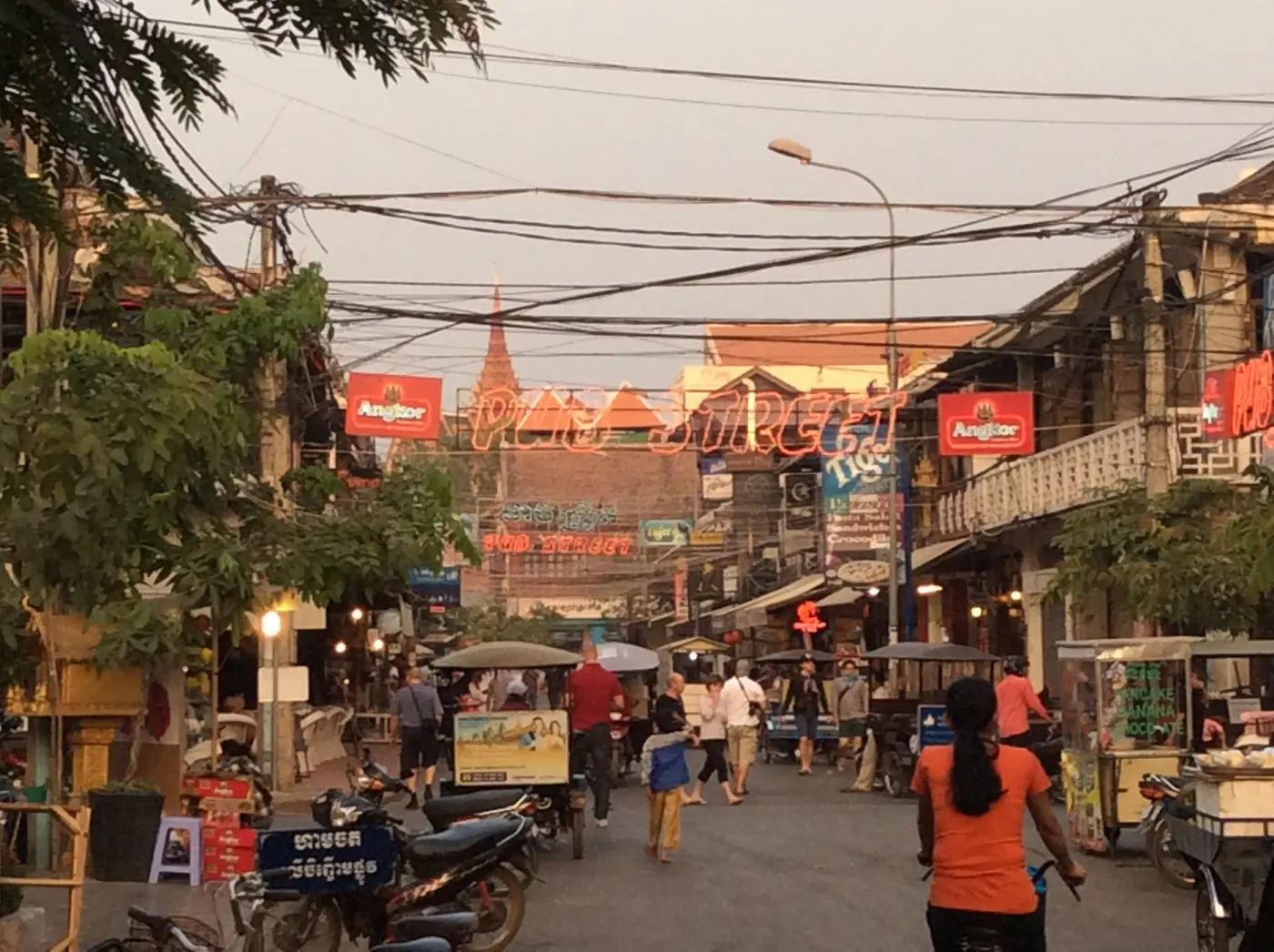
Pub Street in Siem Reap at dusk
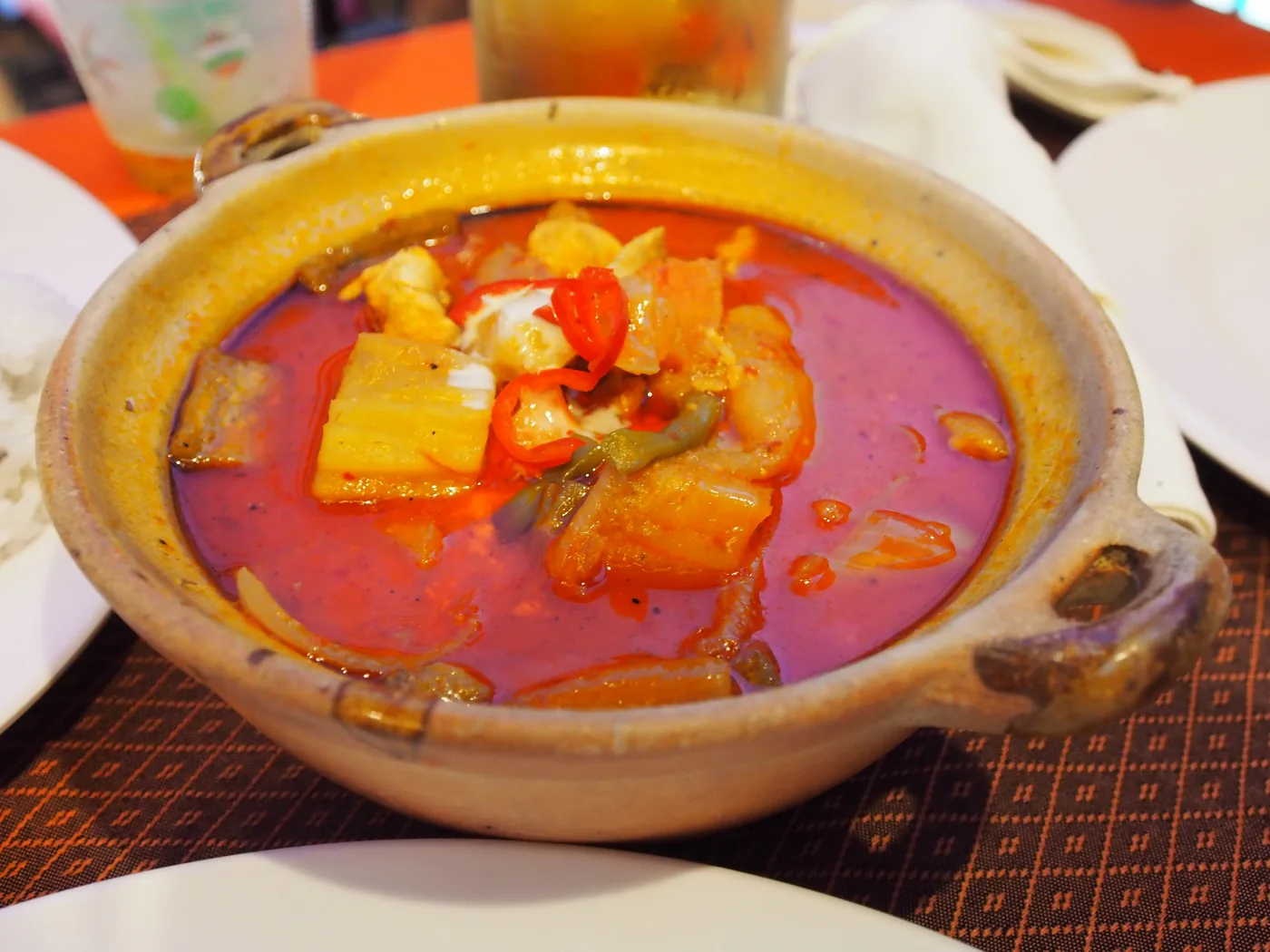
A Cambodian red curry in a clay pot

Most places I visit once. Cambodia got a second trip.

It helps that Siem Reap, the town next to the temples, is a short flight from Singapore. You can do Angkor properly in a long weekend, which makes it one of the easiest big sights in the world to reach from here.

How big is Angkor, really?

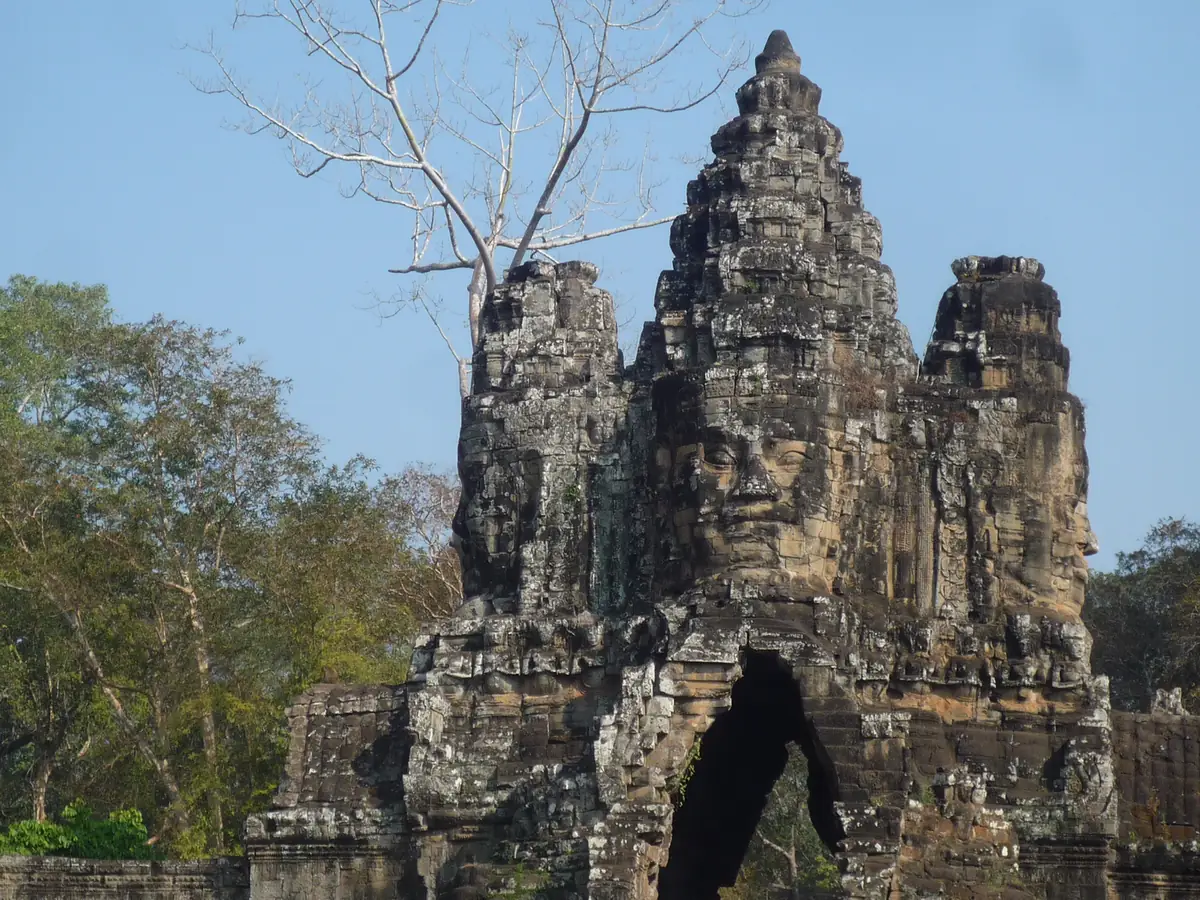
A stone face tower at Angkor Thom

Bigger than a single temple, which is the first thing most people get wrong. Angkor Wat is the famous one, the temple on Cambodia’s flag. It was built in the early 12th century under King Suryavarman II, first as a Hindu temple to Vishnu, and later it became Buddhist. It is often called the largest religious monument in the world.

But Angkor Wat is only one building in a park of about 400 square kilometres, with hundreds of temples spread through the forest. Two more are worth the trip on their own. The Bayon, in the old walled city of Angkor Thom, has over 200 giant stone faces smiling down at you from its towers. And Ta Prohm has been left half to the jungle, with tree roots pouring over the walls, which is why it ended up in Tomb Raider.

Most visitors hire a tuk-tuk driver for the day and work around the temples in a loop, starting at Angkor Wat before dawn and finishing at the Bayon or Ta Prohm once the heat sets in. That loop is known as the small circuit. It is hot work.

What is zip-lining at Angkor like?

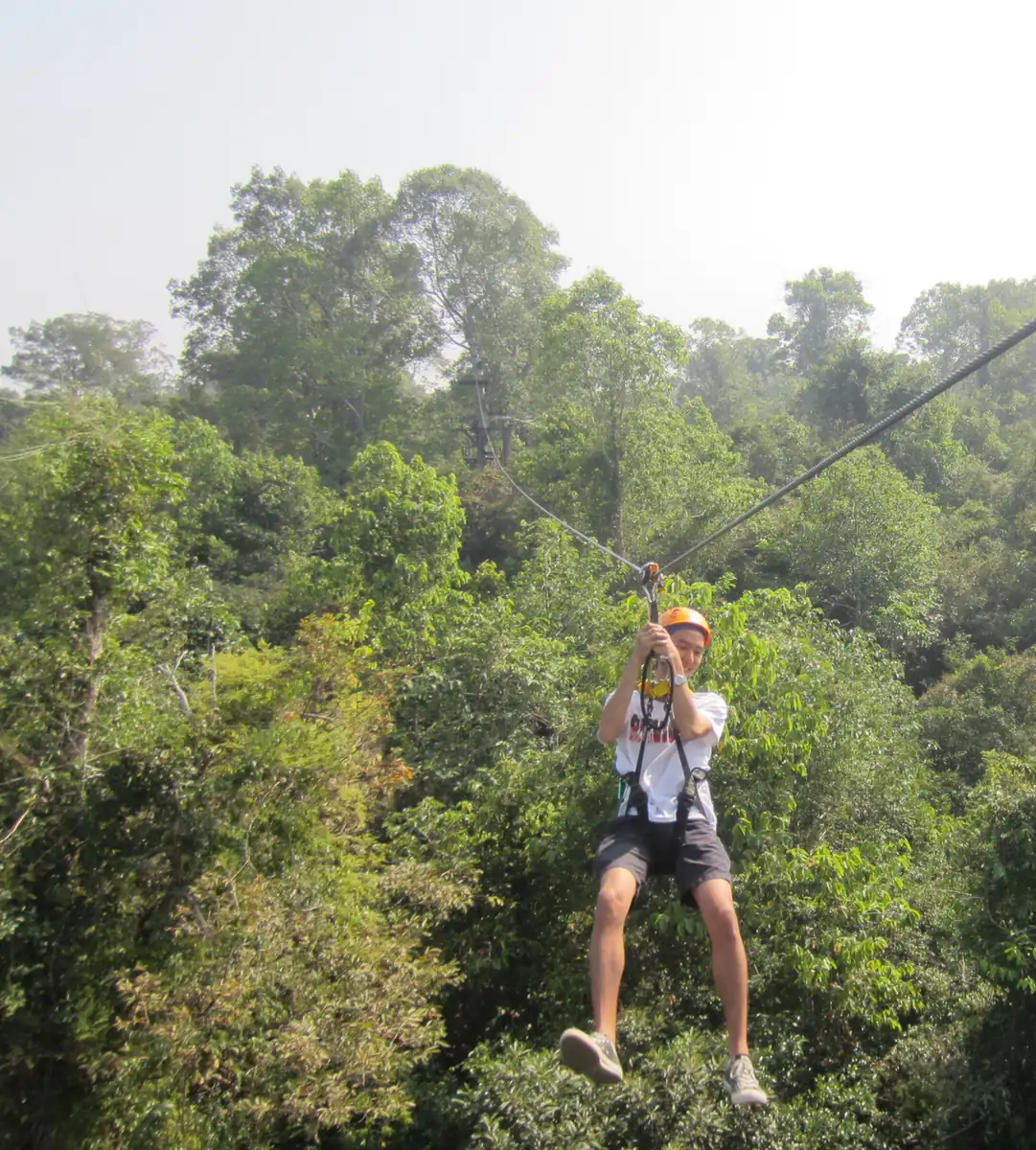
A rider on the zip line over the forest near Angkor

The other half of the trip was a lot less spiritual. I went zip-lining at Angkor Zipline, a course of lines and platforms strung through the forest canopy inside the Angkor park.

It is a good way to break up a temple trip. After 2 or 3 days of stone and heat, flying over the trees is a very different way to see the same forest.

What does a temple trip have to do with trading?

Here is the lesson I wrote about after this trip. In trading, the less action you take, the better you tend to do. More trading does not mean more profits.

Jesse Livermore put it best, in the 1923 book about his career, Reminiscences of a Stock Operator: “It never was my thinking that made the big money for me. It always was my sitting.”

Do note what Livermore meant by sitting. It means holding a position that is already working, and letting it do its job, rather than jumping in and out on every small move. It is easy to read “sit tight” as permission to wait forever before taking any trade, and that is a different habit altogether. Trading is 99% waiting and 1% action, and the waiting Livermore meant happens after you are in.

The hard part is the gaps between good setups, when you are bored, the screen is right there, and a small move looks like it might be the start of something big. That is when people trade too much.

A holiday forces that lesson on you. You cannot watch every tick from the top of a temple, so the waiting happens whether you like it or not.

If you want to go deeper on Livermore, I wrote about his trading tips here.

How does the trading fit in now?

These days the routine is about 15 minutes a day, wherever I am.

I wrote up how it works, the watchlist, the alerts and the time zones, in how I trade while travelling. I wrote about a short trip to Johor the same year, too.

What helps if you are planning Angkor?

If you are planning Angkor, three small things help. Go between November and January, when it is dry and a little cooler. Buy a multi-day pass rather than a single day, because one day is barely enough for Angkor Wat itself. And start at sunrise, when the light is soft and the crowds and the heat have not arrived yet.

Have you been to Angkor, or is it still on your list? And which temple would you see first? Let me know in the comments.

All my other trips are on the travel log, country by country, and more photos are on Instagram, @iamrecneps.
Spencer Li

by Spencer Li
https://synapsetrading.com/wp-content/uploads/2026/10/cambodia-2014-angkor-wat-at-sunrise-with-lotus.webp 1050 1400 Spencer Li https://synapsetrading.com/wp-content/uploads/2026/10/synapse-logo-horizontal-light.png Spencer Li2014-02-05 08:00:342026-10-20 01:32:21Angkor Wat, Zip-lining and the Art of Waiting: Back in Cambodia
Page 6 of 7«‹4567›

Free checklist

The 15-Minute Swing Trader’s Checklist

The daily and weekly routine I use to find, manage and review trades in about 15 minutes a day, trading since 2007.

Get the free checklist

Topics

  • Trading foundations
  • Technical analysis
  • Strategies and systems
  • Risk and money
  • Trading psychology
  • Markets and products

Synapse Trading

Swing trading for busy professionals, in 15 minutes a day.

Start free

Learn

  • Start here
  • Free trading guides
  • Blog
  • Tools and resources

Programs

  • Trading Mastery Program
  • Daily trading signals
  • Student results
  • Public trade log

Company

  • About
  • Contact me
  • Partnerships
  • Disclaimer
  • Privacy policy
  • Terms & Conditions

Synapse Trading Pte Ltd
Registration No. 201316168H
WhatsApp +65-8897-1204
info@synapsetrading.com

Contact Us

Synapse Trading Pte Ltd
Registration No. 201316168H

Whatsapp: +65-8897-1204
Telegram: @iamrecneps
Email: info@synapsetrading.com

Links

Disclaimer
Privacy policy
Terms & Conditions
Contact us
Partnerships

© 2012-2026 Synapse Trading | All rights reserved. Educational content only, not personalised financial advice. Trading carries risk, including loss of capital. Past performance is not indicative of future results. Synapse Trading is not licensed or regulated by MAS.
  • Link to Facebook
  • Link to X
  • Link to Instagram
  • Link to Youtube
  • Link to LinkedIn
  • Link to Mail
Scroll to top Scroll to top Scroll to top