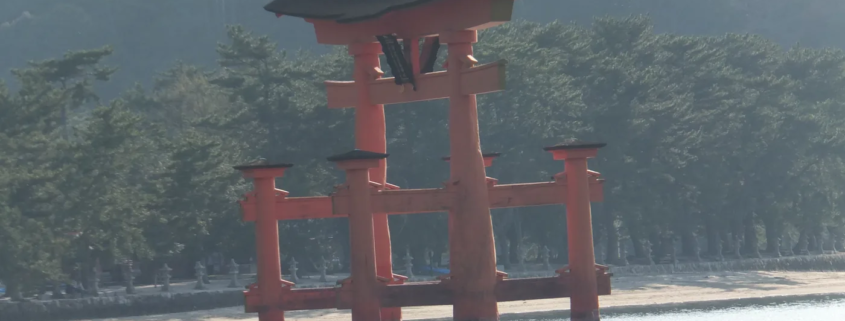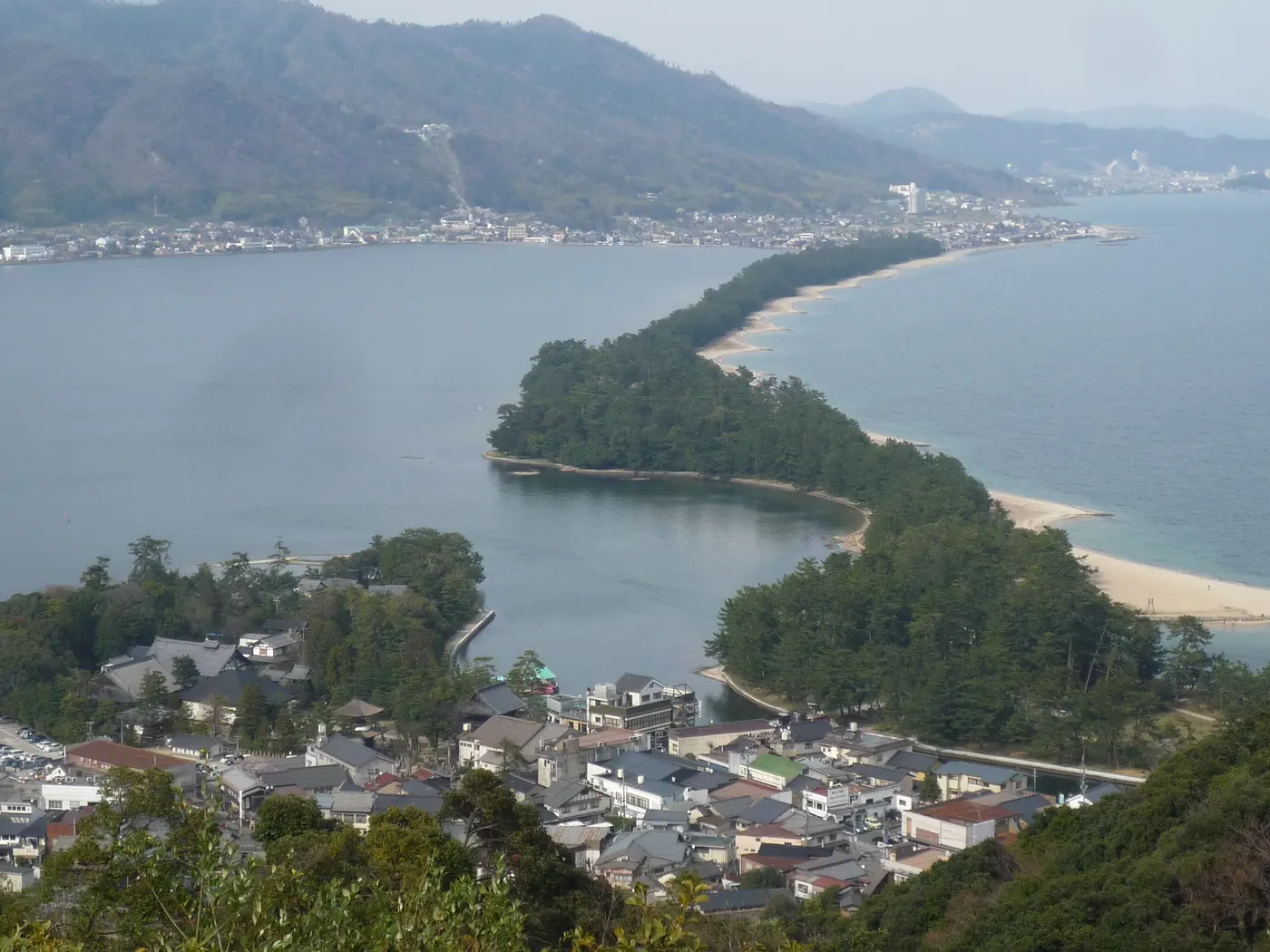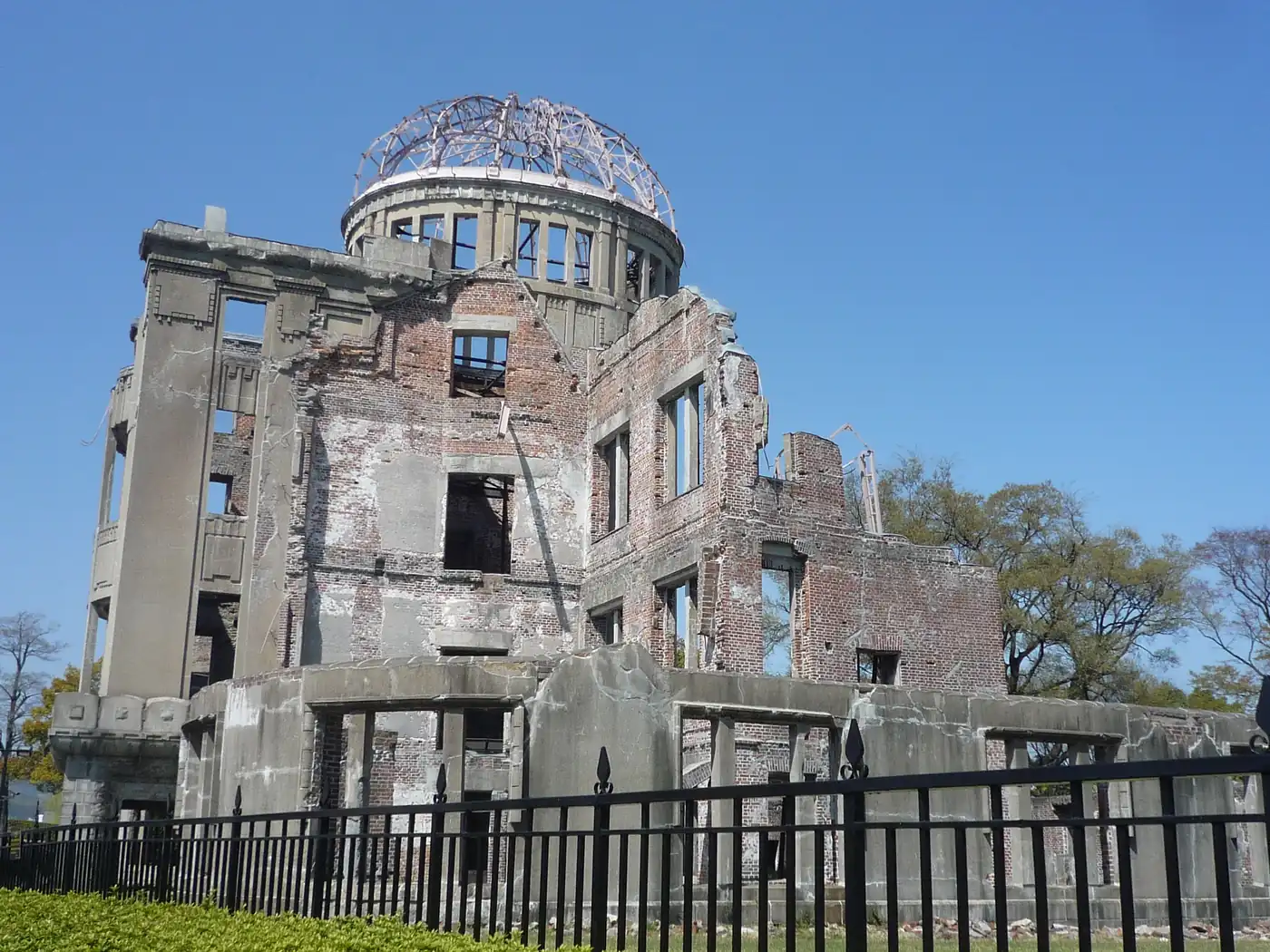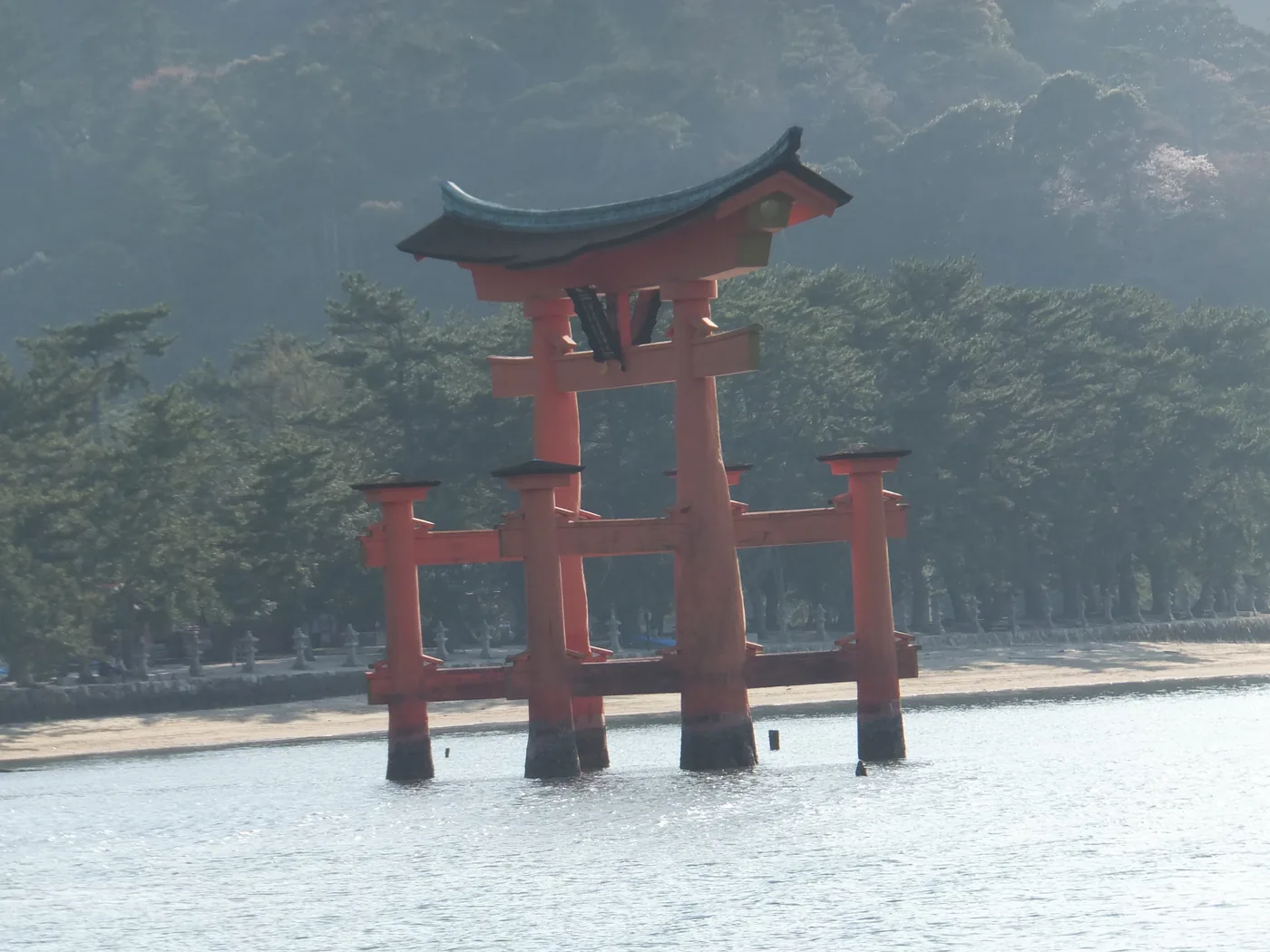


By November 2013, I had seen the Great Wall, the Taj Mahal, Angkor Wat, the Colosseum and, earlier that same year, the Kiyomizu temple in Kyoto. Borobudur was next on the list.
So I went to Indonesia for about 5 days in the middle of November, to Jakarta and to Borobudur, in Central Java.
What is Borobudur, and why is it such a big deal?
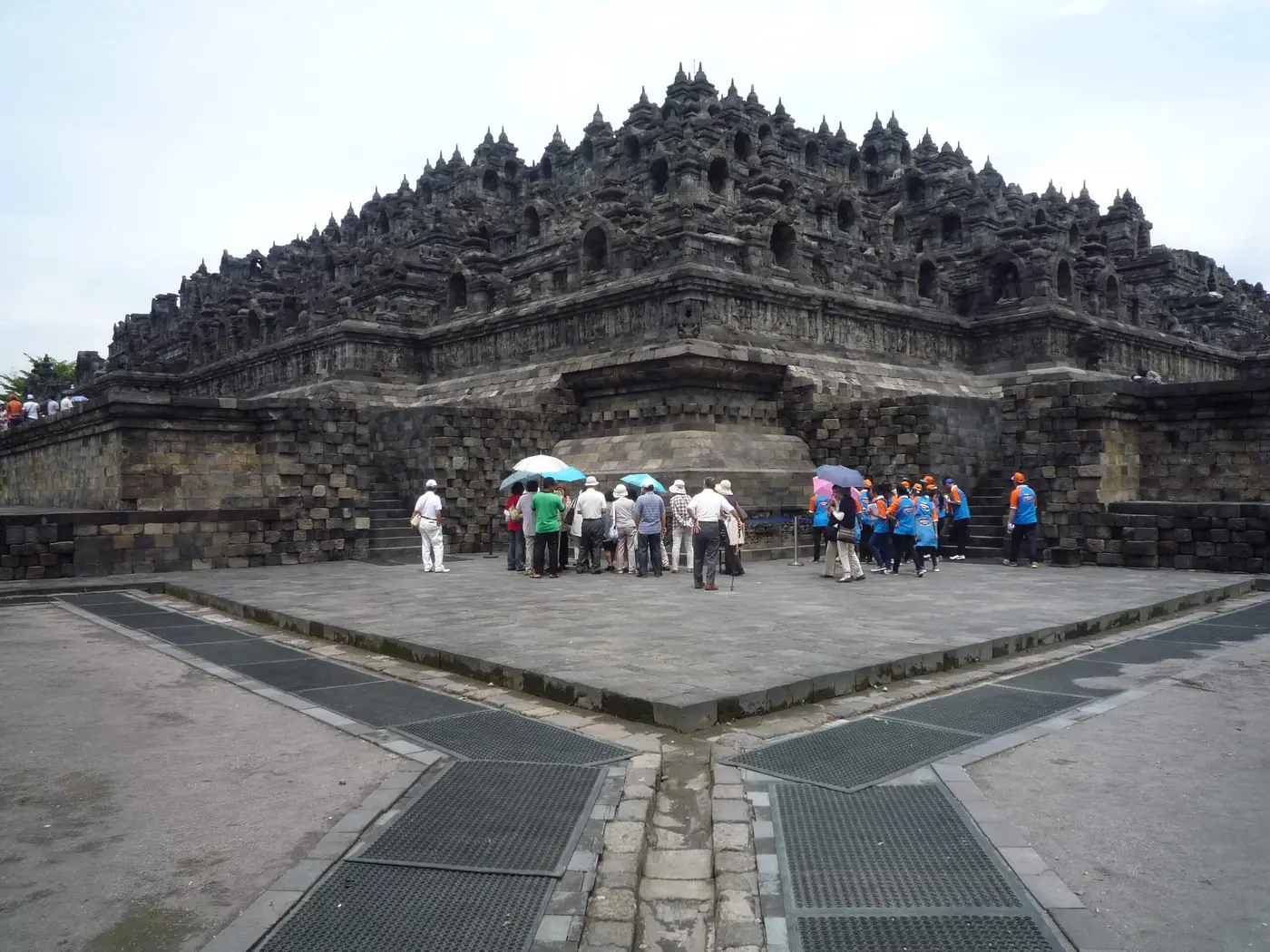
Borobudur is a Buddhist temple built in the 8th and 9th centuries, on a hill in the Kedu Plain, with volcanoes all around it. It is the largest Buddhist temple in the world, and it is a UNESCO World Heritage Site.
The odd thing is the shape. It looks like a stepped pyramid, but it is solid, with no rooms inside, so you visit it by walking around it. You climb terrace by terrace, clockwise, past 2,672 carved stone panels that tell stories from the life of the Buddha, and at the top you come out into the open among 72 bell-shaped stupas, each with a Buddha statue sitting inside.
Here is a fact for Singaporean readers. For centuries, Borobudur lay half-buried under volcanic ash and jungle. It was brought back to light in 1814, when Java was under British rule, and the man in charge of Java at the time was Stamford Raffles. Five years later, he founded modern Singapore.
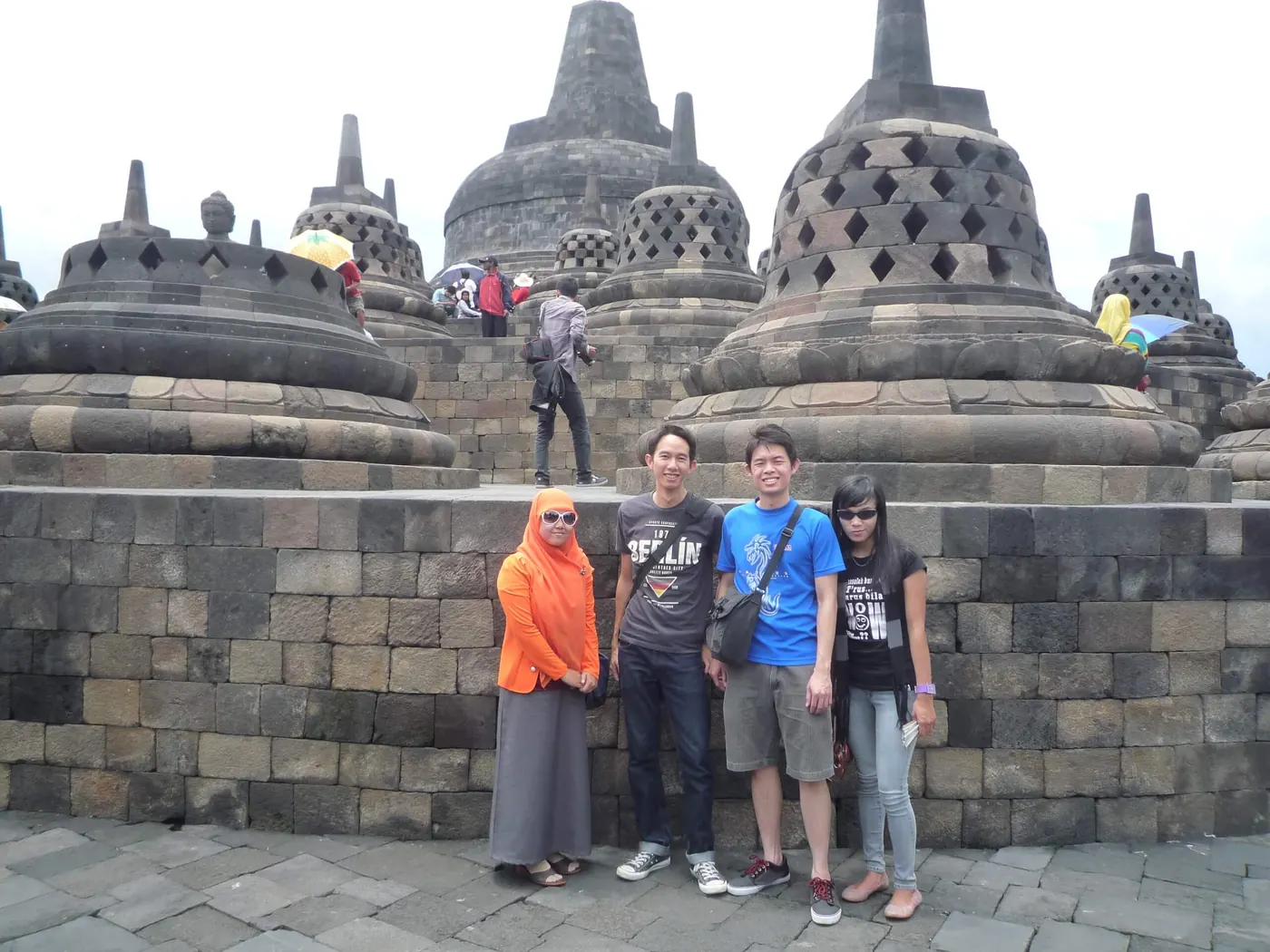
From the top, the stupas line up in neat rings.
Something else I did not expect: some local visitors came up and asked to take a photo with us.
What happens when the volcano next door erupts?
During our stay, there was a volcanic eruption nearby.
Mount Merapi, about 28 km from Borobudur, is one of the most active volcanoes in Indonesia, and on 18 November 2013 it had a steam-driven blast that sent ash a couple of kilometres into the sky. My photo of it is dated that same day.
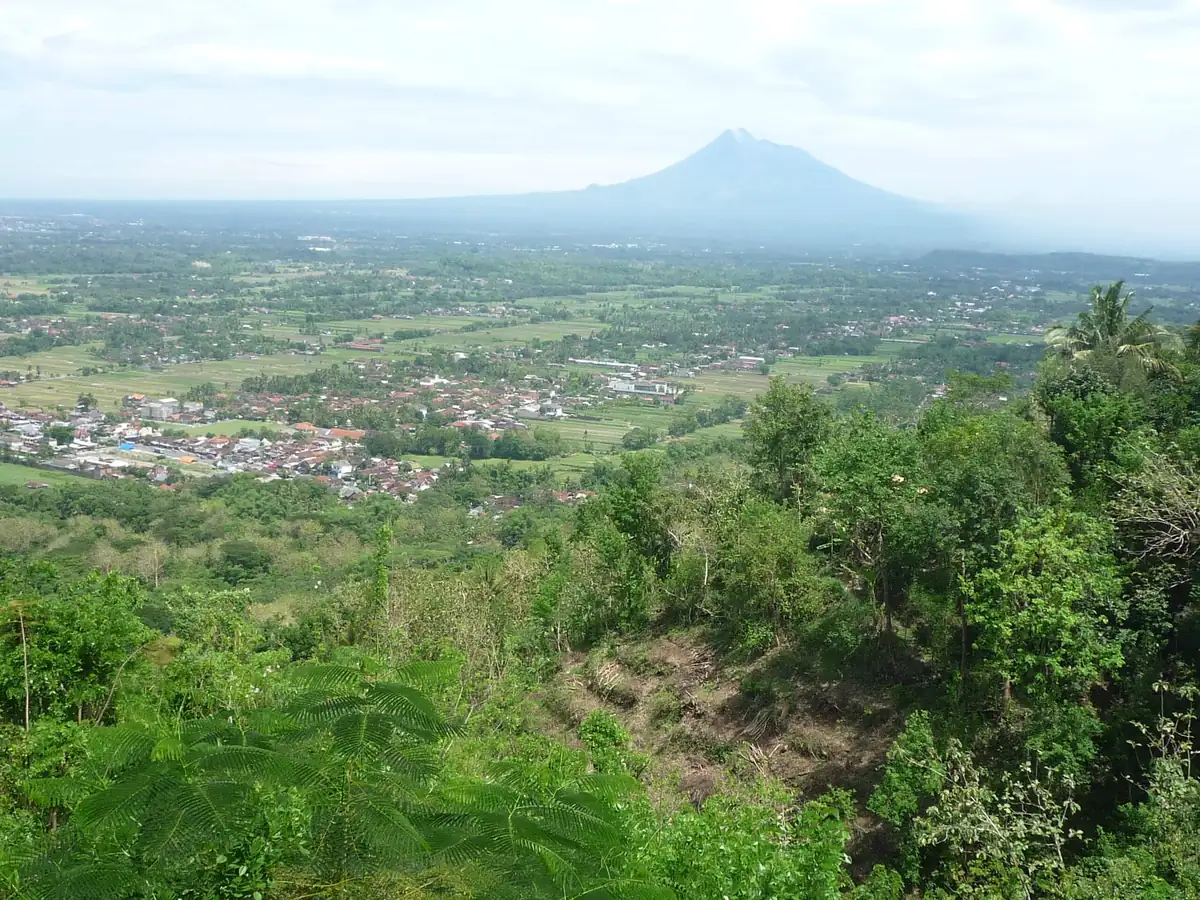
This is also why the land around Borobudur is so green. The same ash that buried the temple keeps the soil rich, which is how the area grows so much fruit.
What should you eat and drink around Borobudur?
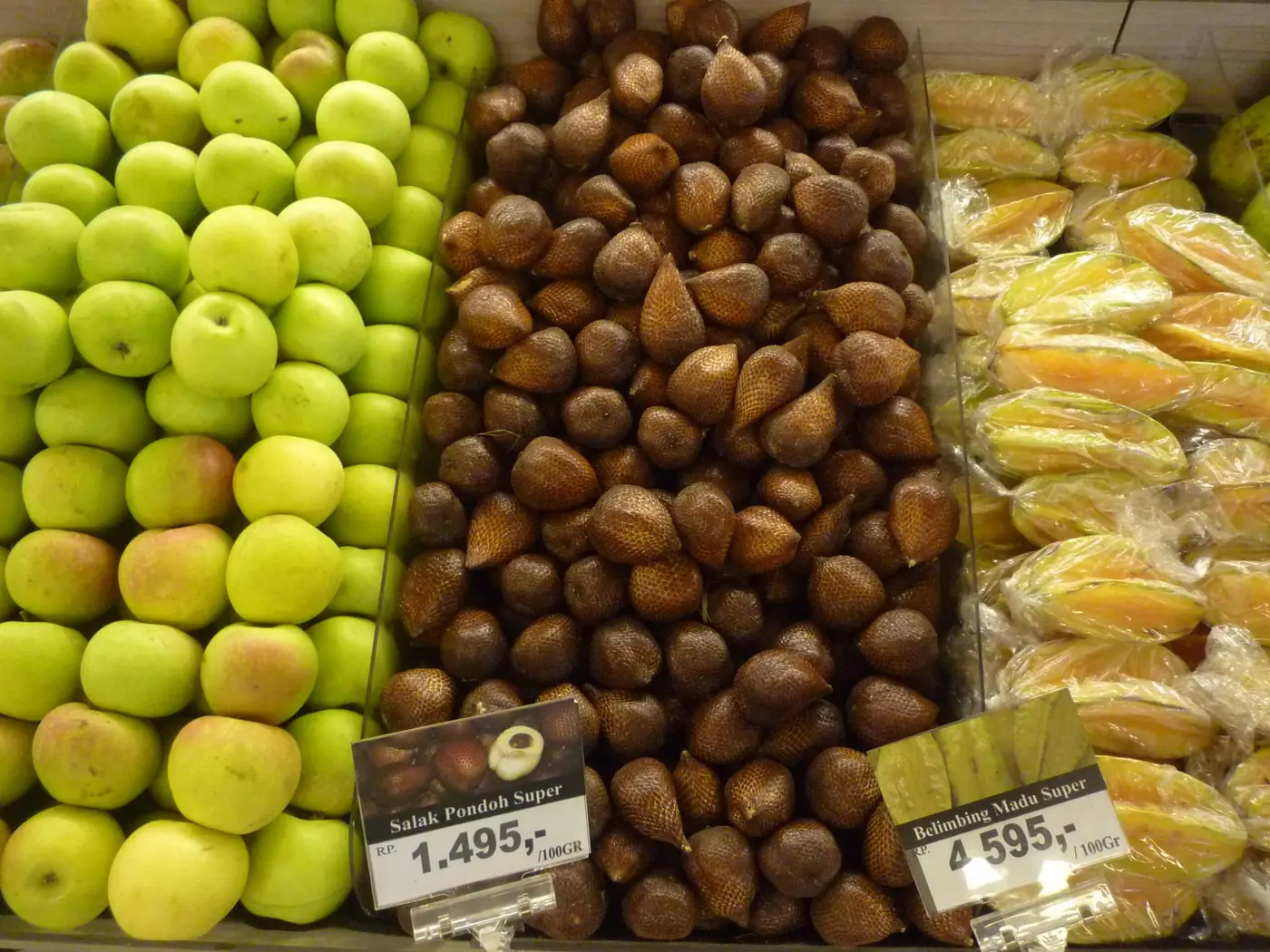
We were there in snakeskin fruit season. Salak, as it is called locally, has brown scaly skin that peels off like a snake’s, and the fruit inside is crunchy and a little sour.
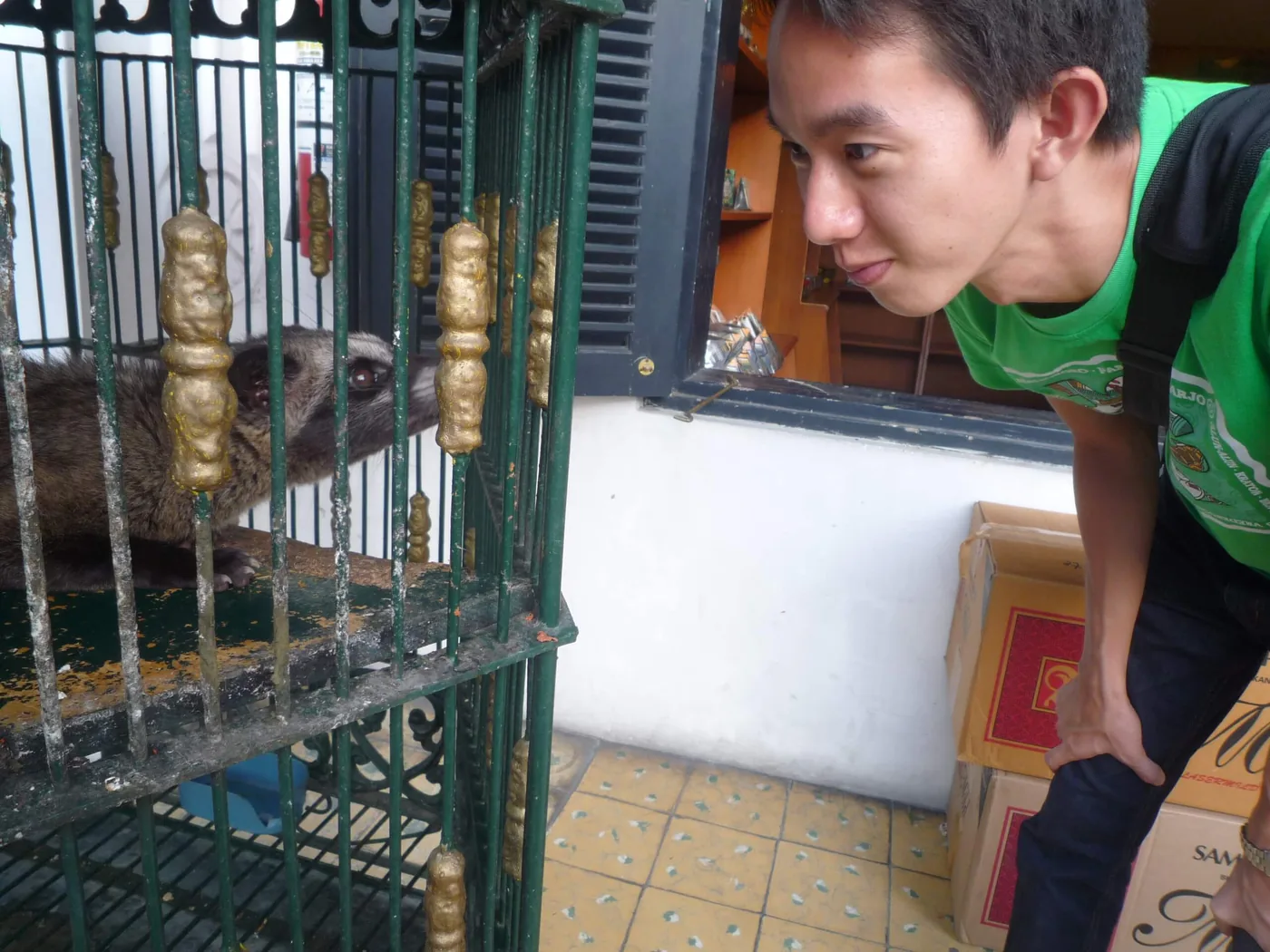
We also came across kopi luwak, the rare coffee made from beans that have passed through a civet cat. It is one of the most expensive coffees in the world, which is quite a lot to pay for something with that history.
And the nights out?
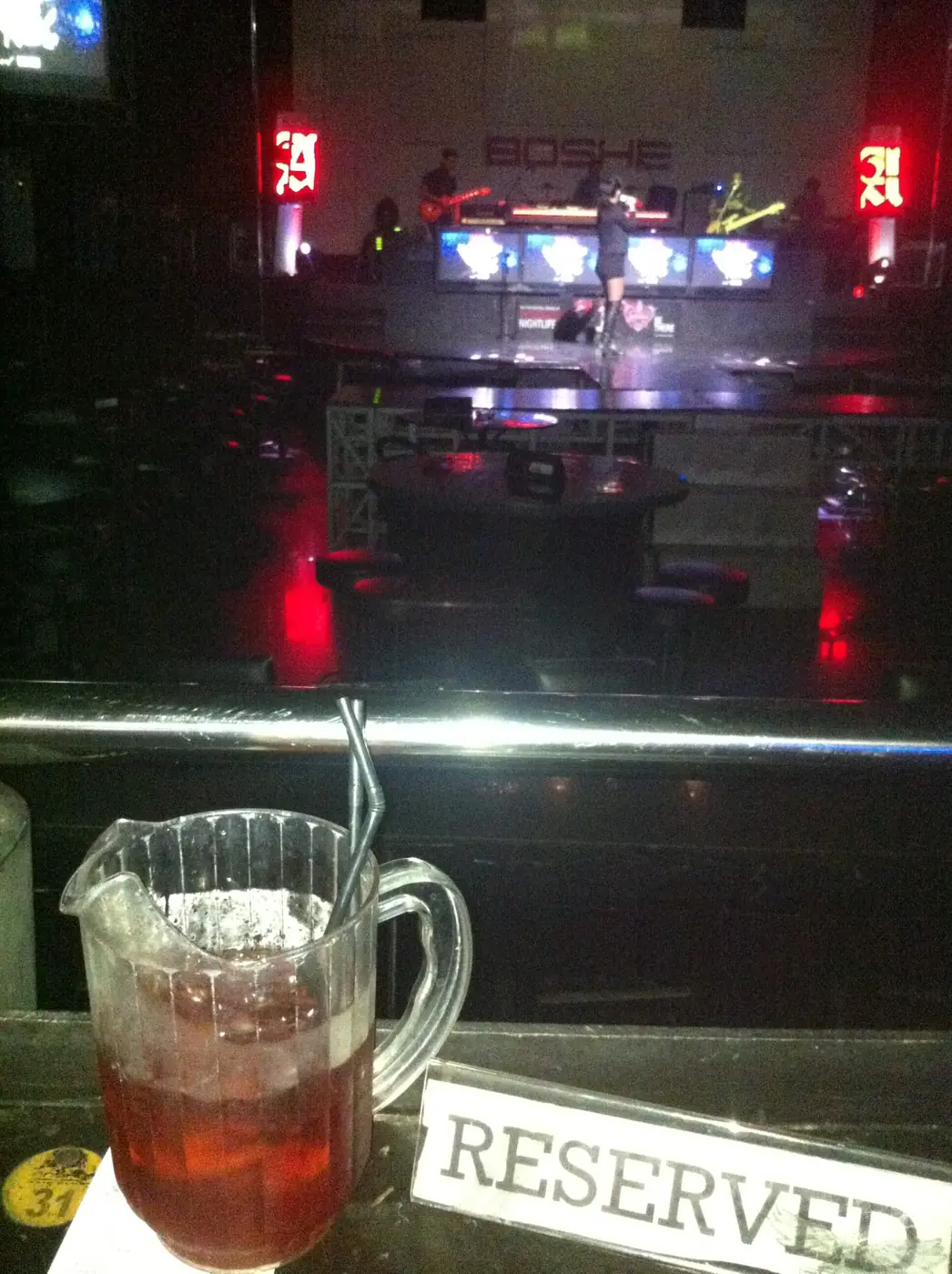
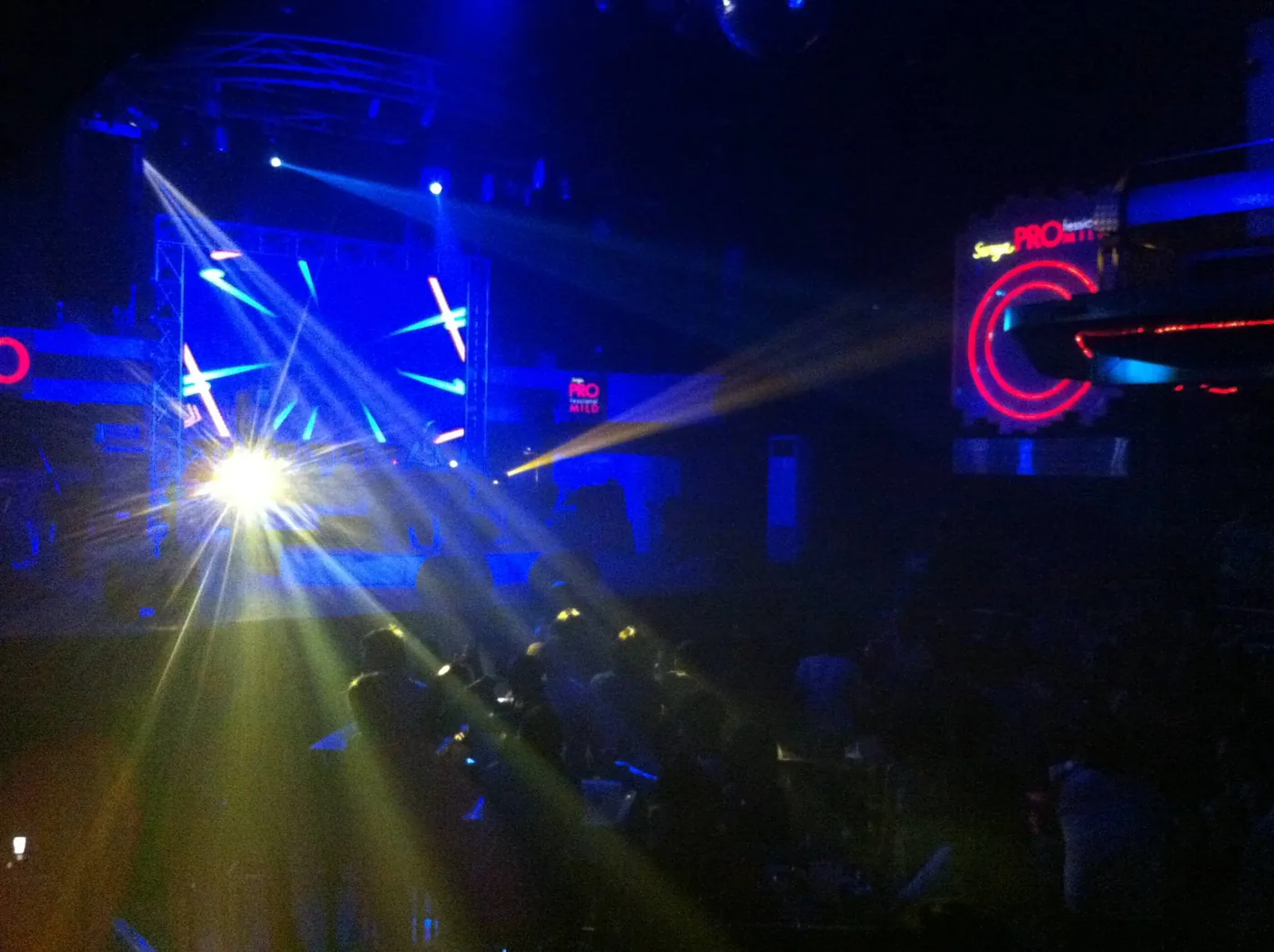
The old title of this post promised night clubs, and it was right. We had reserved VIP seats one night.
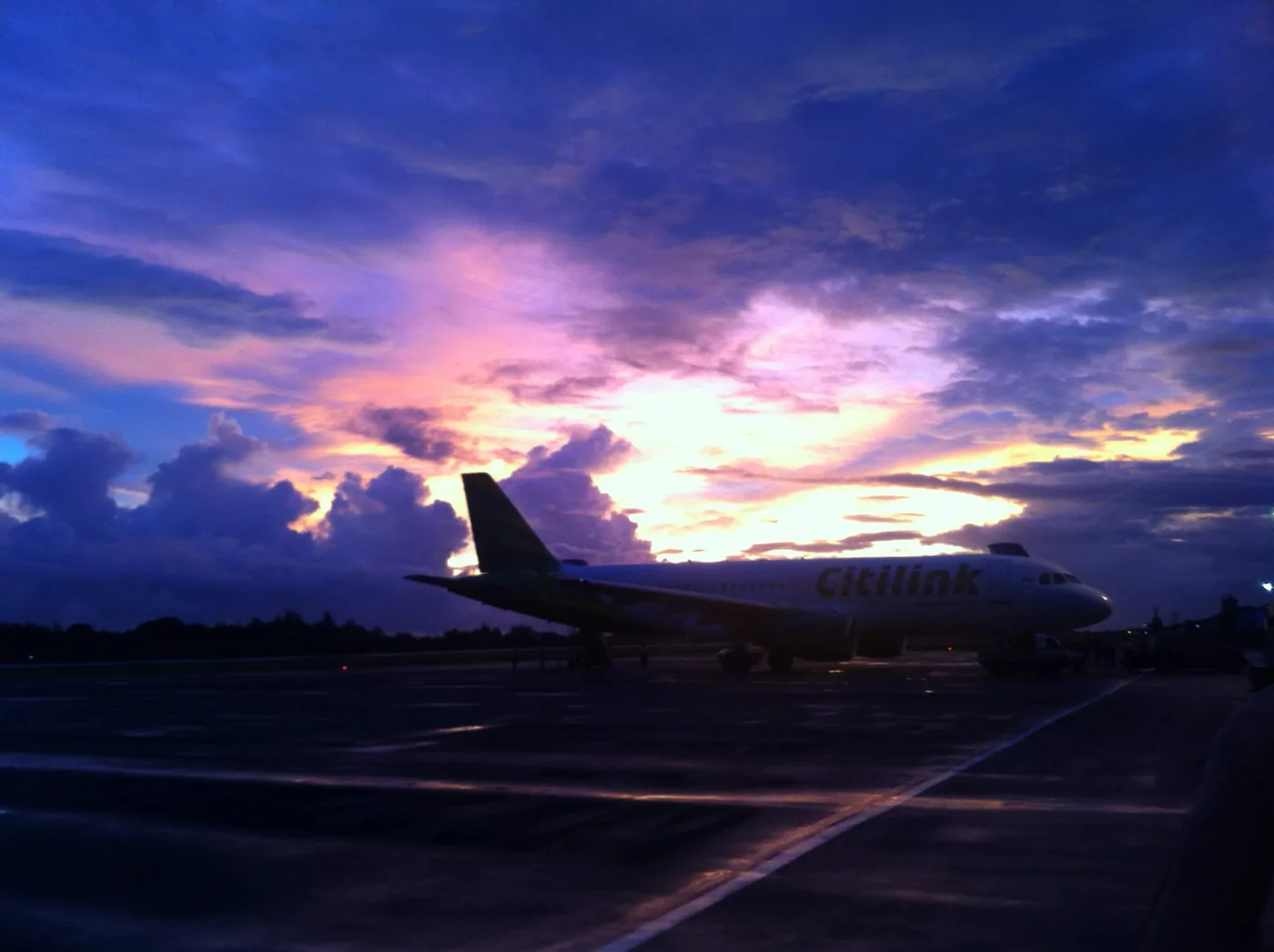
The trip ended with a sunset over the runway on the way home.
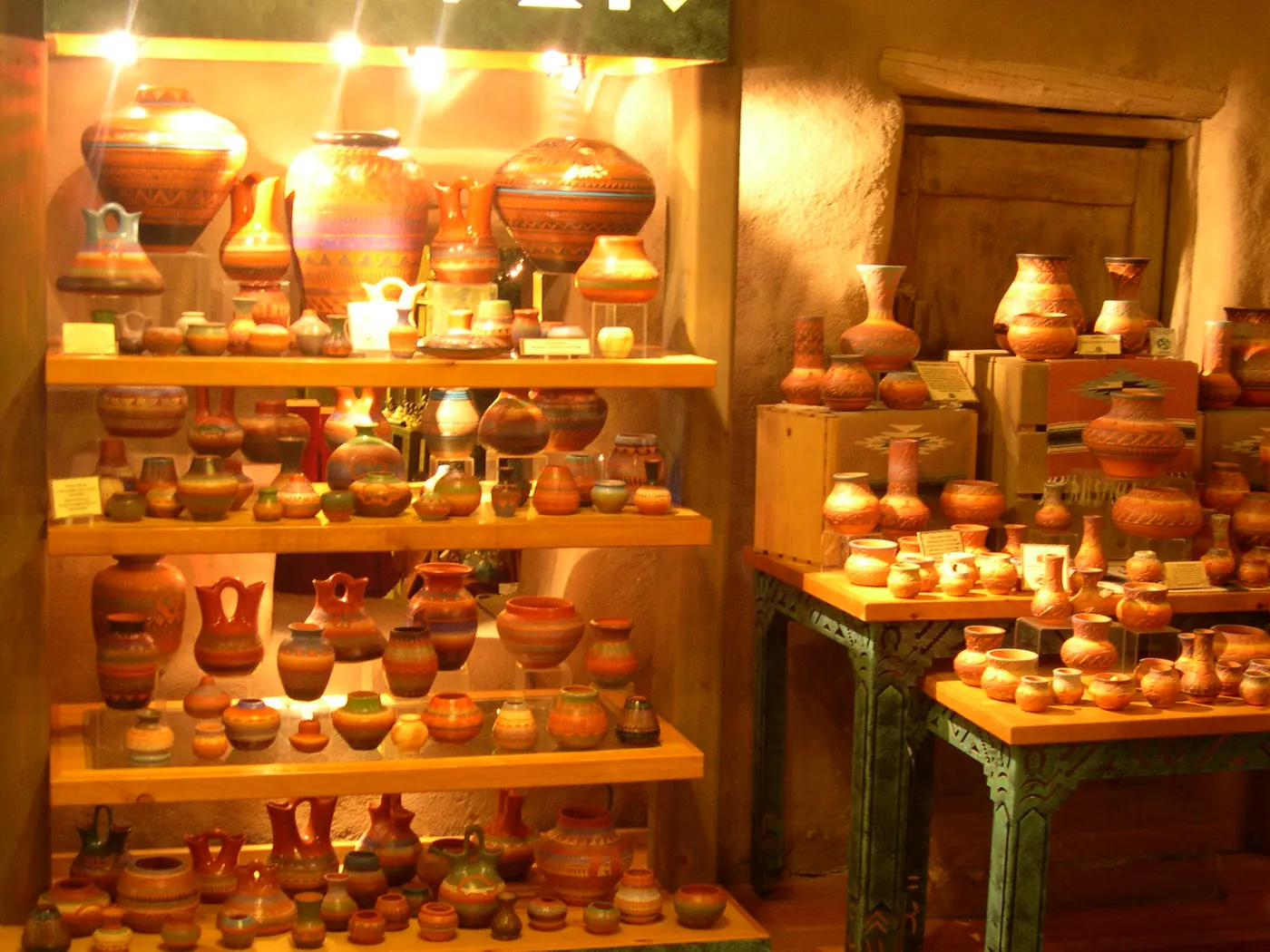
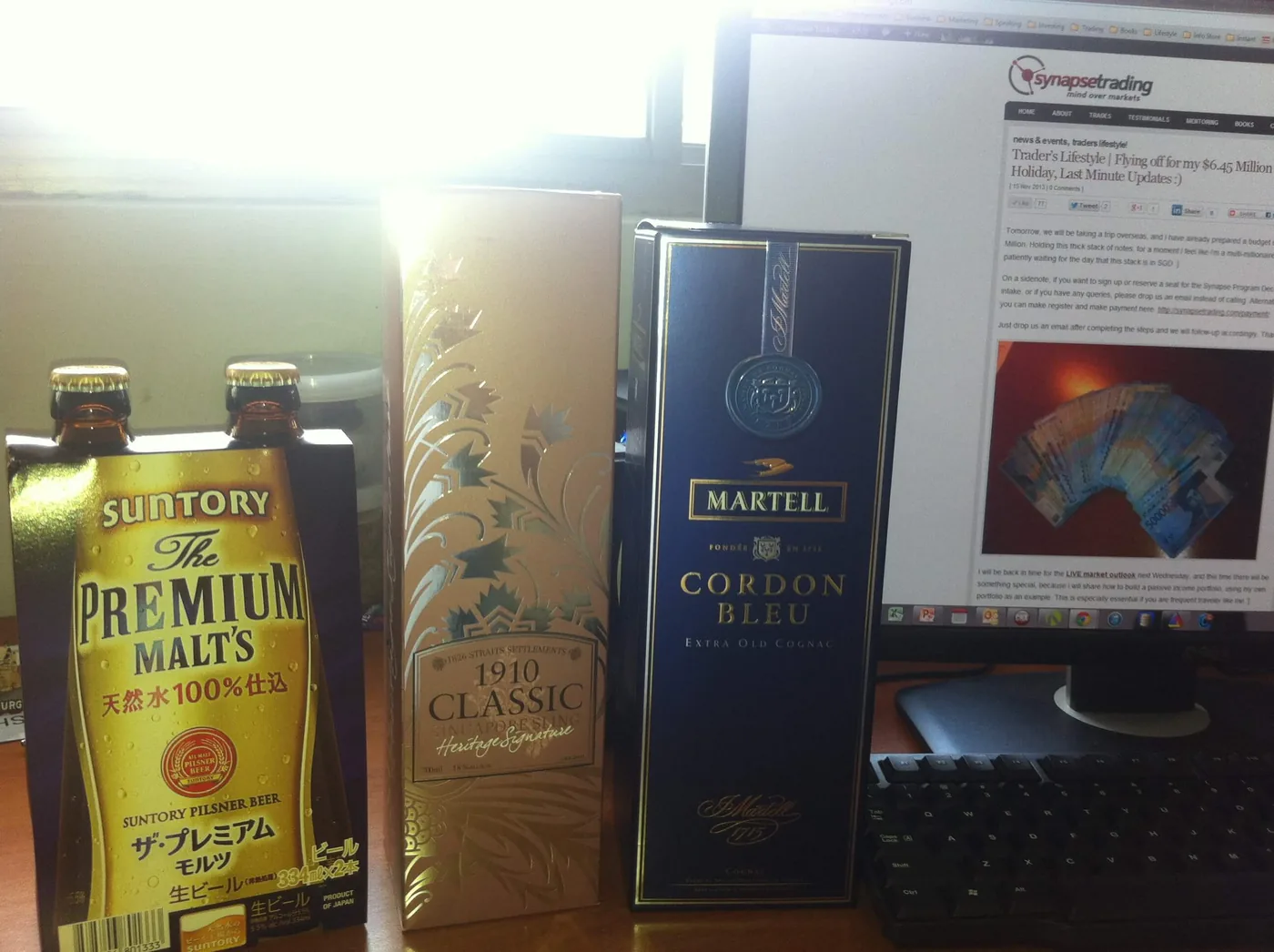
I also came home with souvenirs for the Christmas parties that year.
How did the trading fit in?
I had open positions the whole trip, and I did not have to watch them. The orders were set before I left, so the trades ran without me. My routine takes about 15 minutes a day, wherever I am.
I wrote up the routine, the watchlist, the alerts and the time zones, in how I trade while travelling.
Back then, I also set myself a target of at least 2 new countries a year.
What would I tell a friend going now?
If you go, stay near Borobudur rather than in Yogyakarta, so you can be at the temple when it opens. The upper terraces now take a limited number of visitors a day, so check the rules and book ahead.
Have you been to Borobudur? Did you go up for the sunrise, or wait for the crowds to thin? Let me know in the comments.
All my other trips are on the travel log, country by country, and more photos are on Instagram, @iamrecneps.