

Mount Kinabalu: A 36-Hour Climb, a Via Ferrata and Whitewater Rafting in Sabah

Want the daily routine? Get the free 15-Minute Swing Trader’s Checklist. Get it free →
In April 2016, I spent a week in Sabah, on the Malaysian side of Borneo, for 2 things I had wanted to tick off for years: whitewater rafting on the Padas River, and climbing Mount Kinabalu.
Here is a rough log of both, with the tips I learned the hard way. If you are planning either, the short version is this: train first, pack less, and pay the porter.
What is rafting the Padas River like?
The rafting itself is not that physically demanding. The hard part is getting there. The river is about 4 to 5 hours from Kota Kinabalu each way, so we woke at 5am to catch the morning transport out, and got back late.
Once you are on it, expect to get wet, very wet. The water is brown and fast, and you should try not to swallow any of it. I ended up in the rapids twice.
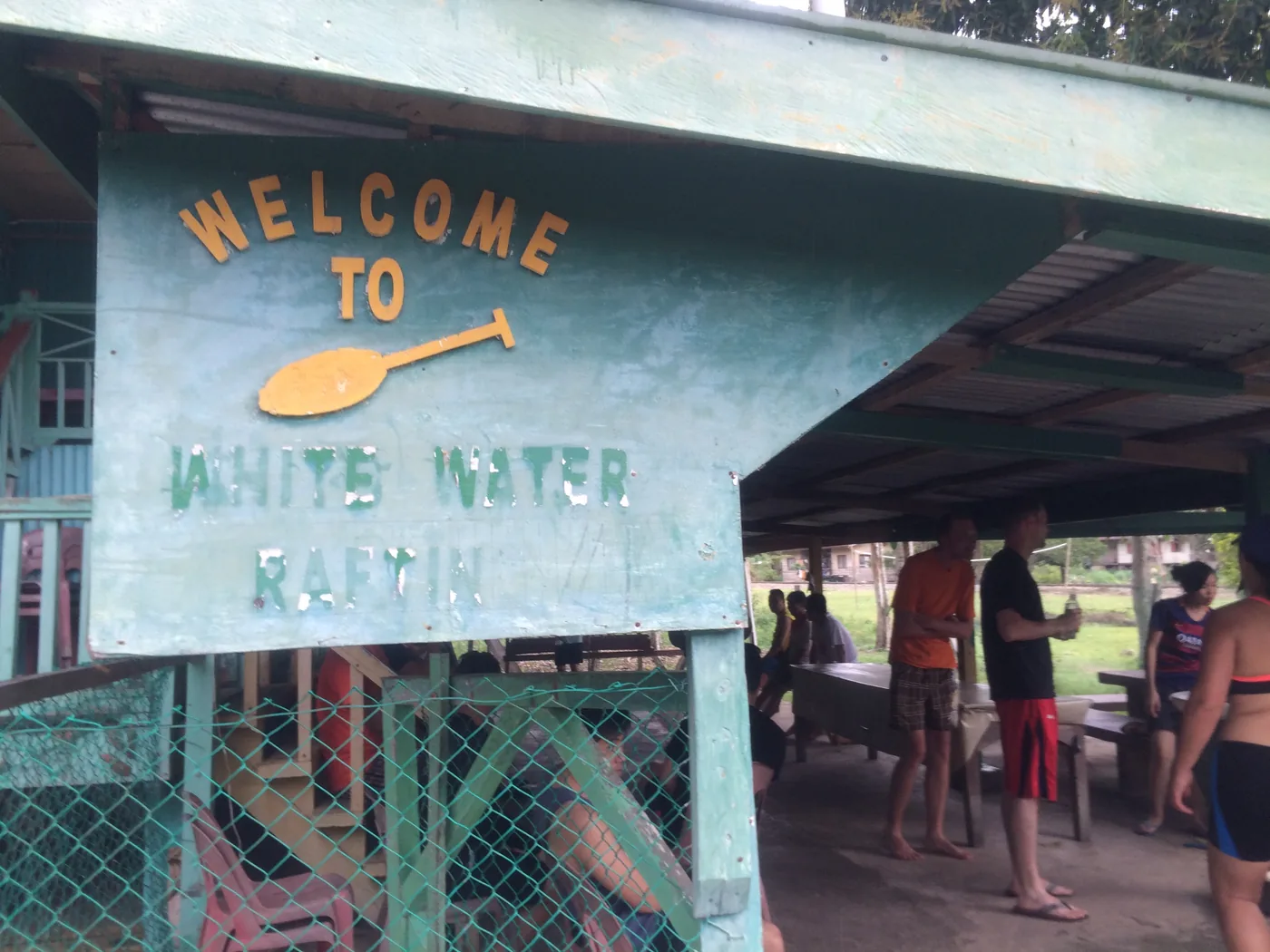
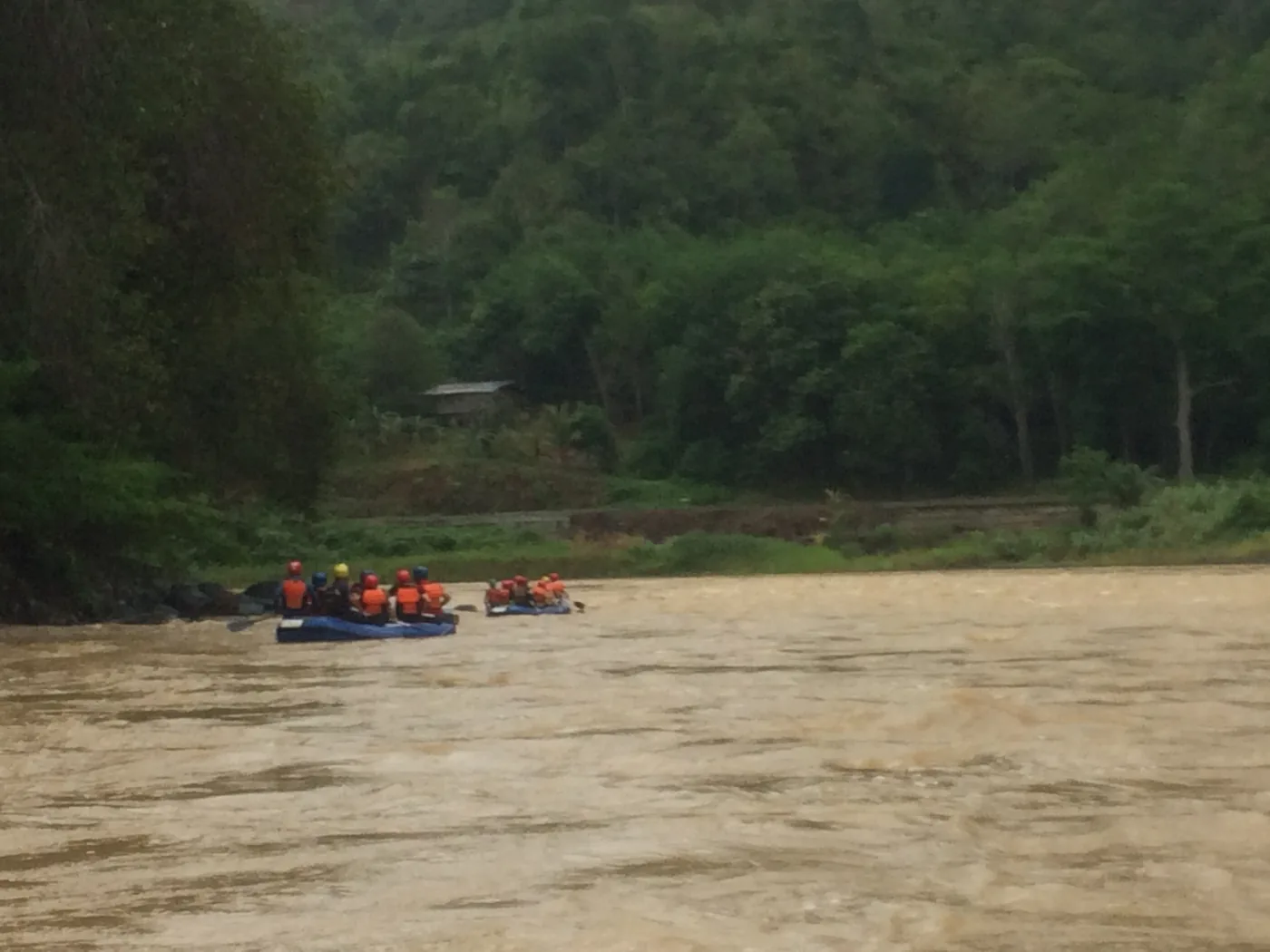
The best part was the people. Our raft was a mix of strangers, and I came home with new friends from the US, South Africa and Russia.
Survival tip: make sure your teammates can paddle hard. Second survival tip, half as a joke: the river has crocodiles, and if one attacks, aim your paddle at its eyes.
How hard is Mount Kinabalu to climb?
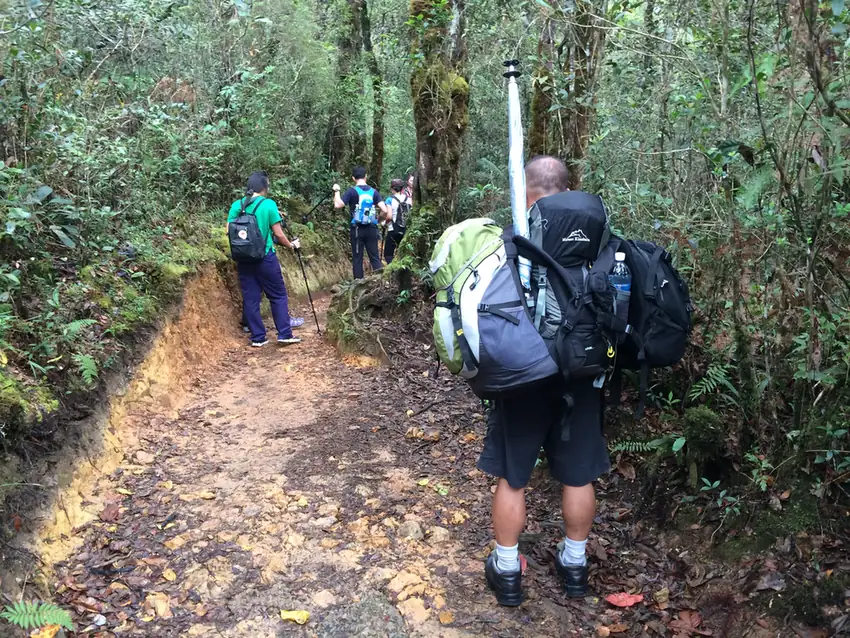
Harder than I expected, because I skipped the training. At 4,095 metres, Kinabalu is the highest mountain in Malaysia, and the standard route covers about 6 km from the park gate to the huts at Laban Rata, then another 2.7 km or so to Low’s Peak, the summit.
It is not a technical climb. It is a long, steep staircase of rocks and roots, and it climbs fast. Most people take 2 days, with a night in the huts, and that is what we did.
Two tips before you go:
- Train for it. I did not, and I spent most of the way up struggling just to reach the huts.
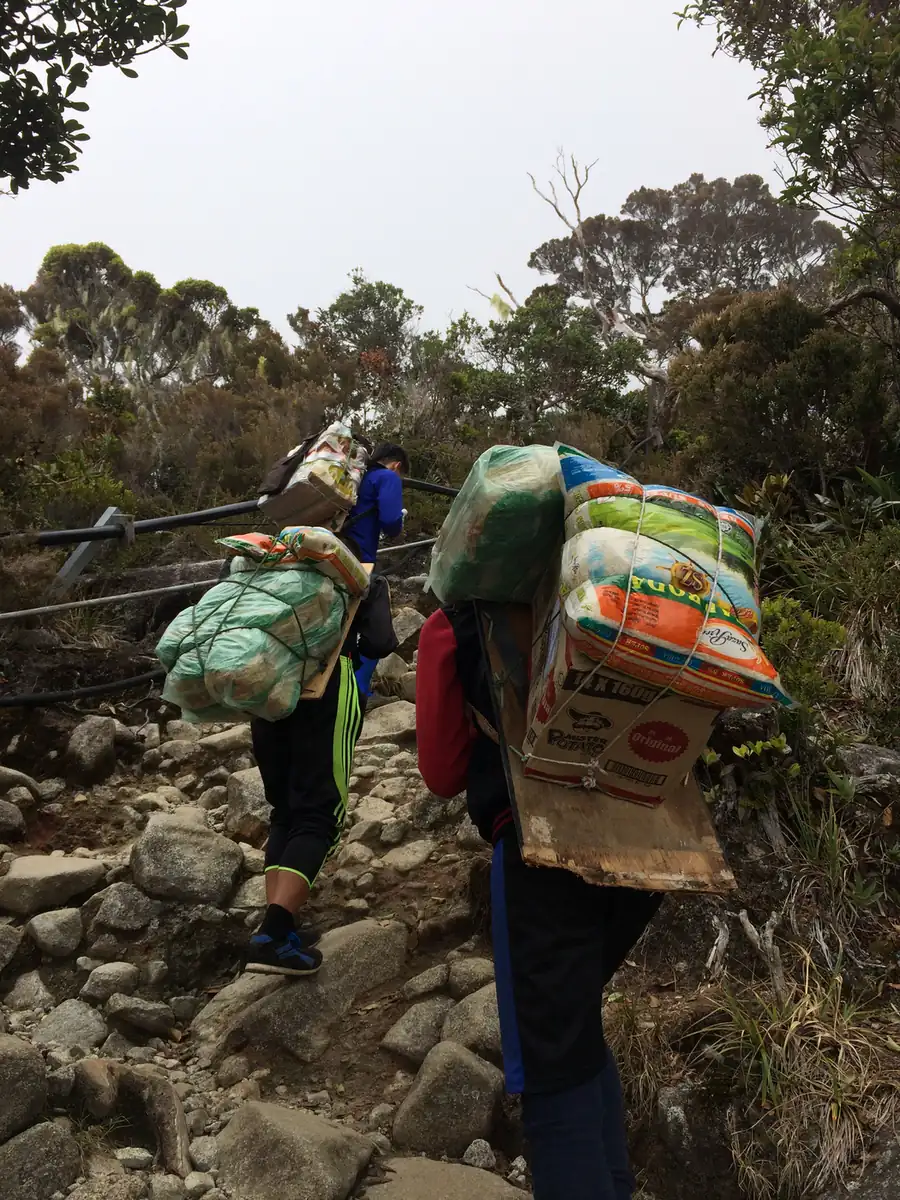
- Do not be a hero. I carried my own bag up, which was a mistake. Porters will take your bag up for a small fee, and many of them carry far more than you, up the same path, faster. The less you bring, the less you have to lug up the mountain.
What does the climb look like, hour by hour?
This is how our 36 hours went.
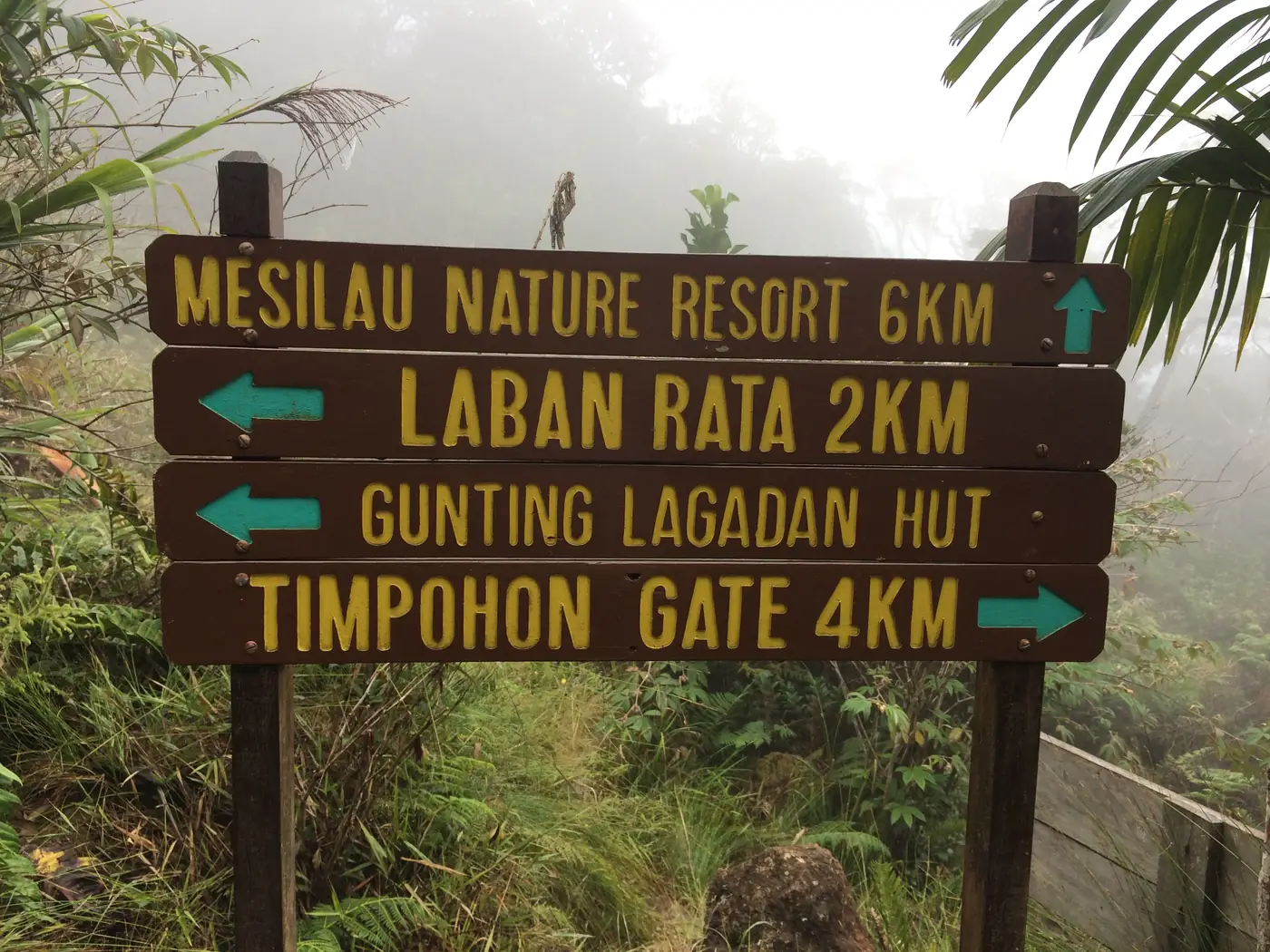
Day 1
- 6.20am: Bus pickup to the park, 2 to 3 hours.
- 9.30am: Started the 6 km climb. It takes 3 to 8 hours depending on fitness. I took 6.5.
- 4.00pm: Reached the huts just in time for the via ferrata briefing.
- 6.00pm: Dinner and rest. It is about 10 to 15 degrees up here, and the showers are cold, so a shower is optional.
Day 2
- 2.00am: A quick breakfast, then off to the summit, in the dark, at about 5 degrees.
- 6.00am: Reached the summit just in time for the sunrise.
- 7.30am: Back down at the start of the via ferrata, we felt some minor earth tremors just as it was about to begin. Some people backed out, and we started about 30 minutes late.
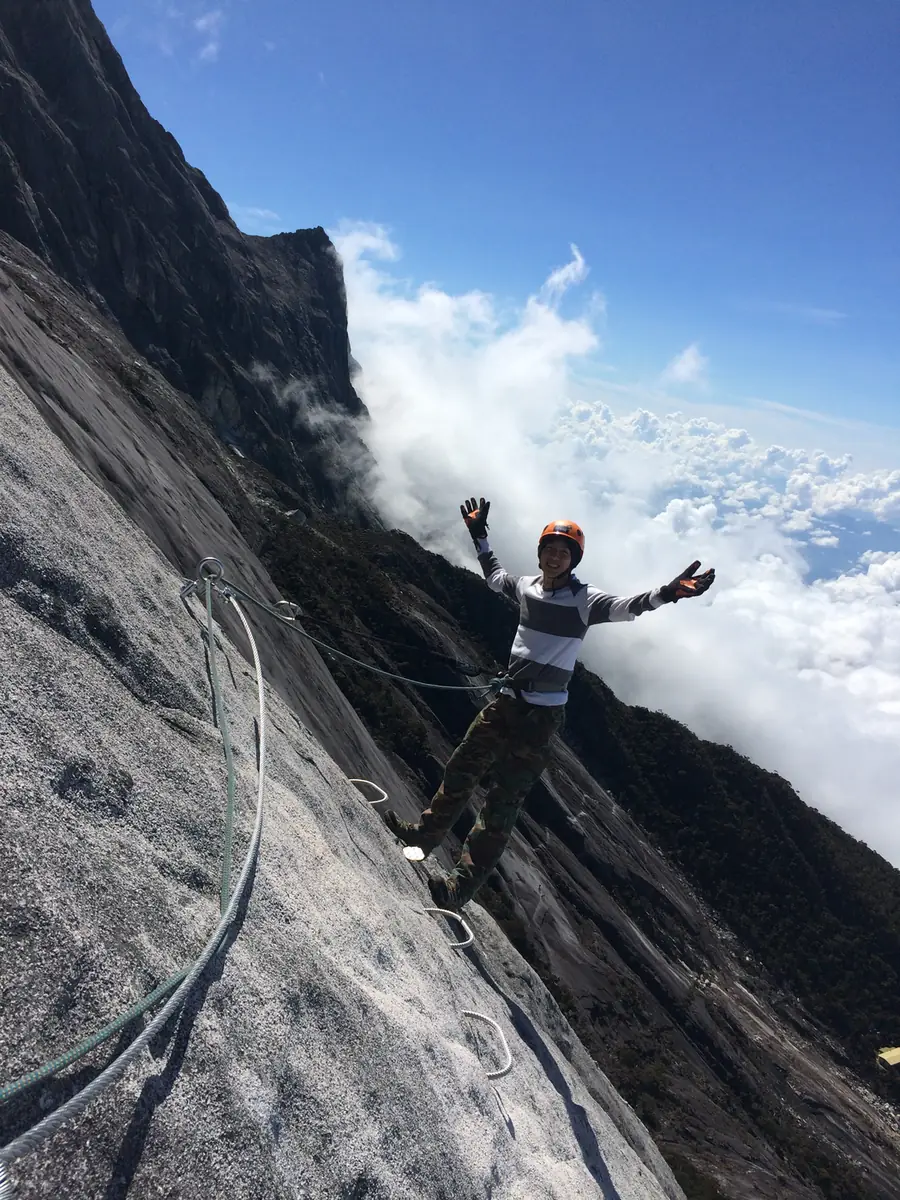
- 8.00am: The via ferrata: about 600 metres along the mountain face, 300 metres through jungle, and 300 metres up a sloping rock face, then about an hour of stairs back to the hut.
- 1.00pm: A quick lunch, then packed up and checked out.
- 2.00pm: Started down to catch the last bus at 6pm. It takes 3 to 6 hours.
- 6.00pm: Made it, just.
Get your photos on the way up, before the summit night. There will not be many smiles after that.
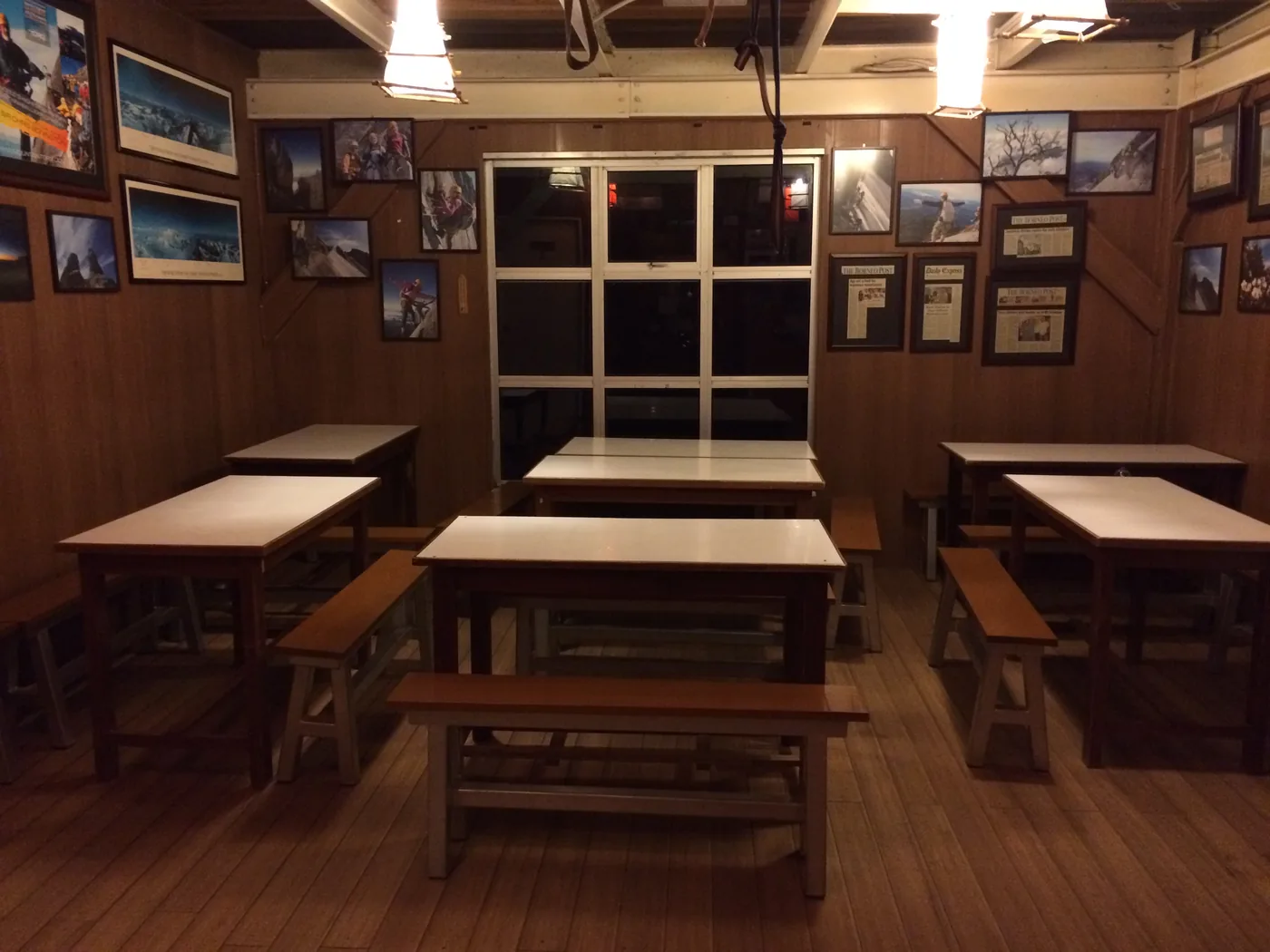
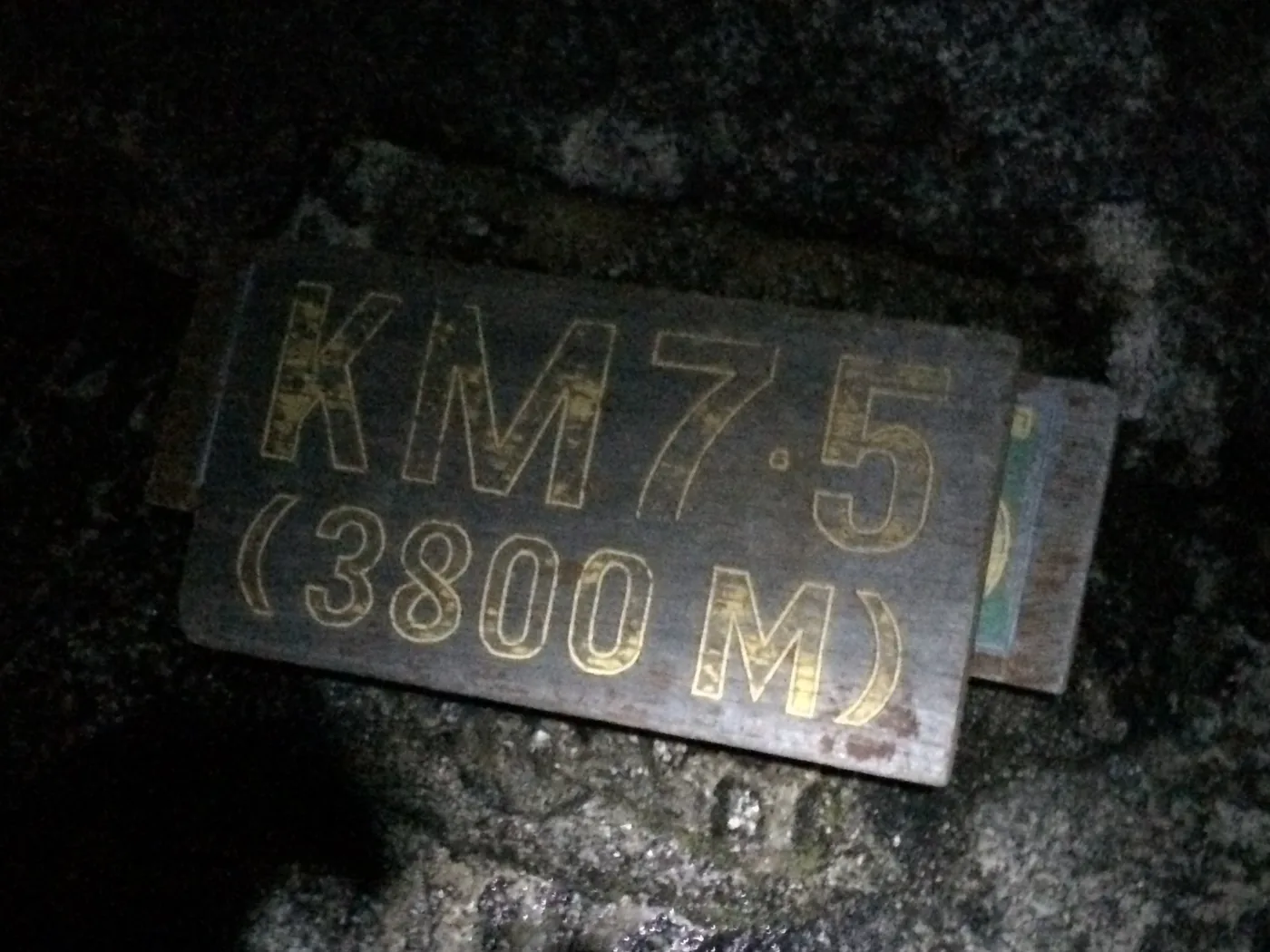
Was the summit worth the 2am start?
Waking up at 2.30am, in single-digit temperatures, to climb in the dark is a good way to find out where your limits are. I only just made it to the top at 6am.
And then the sun came up over the ridge, with the South Peak lit up in front of me and the clouds far below. That is the picture people carry home from Kinabalu.
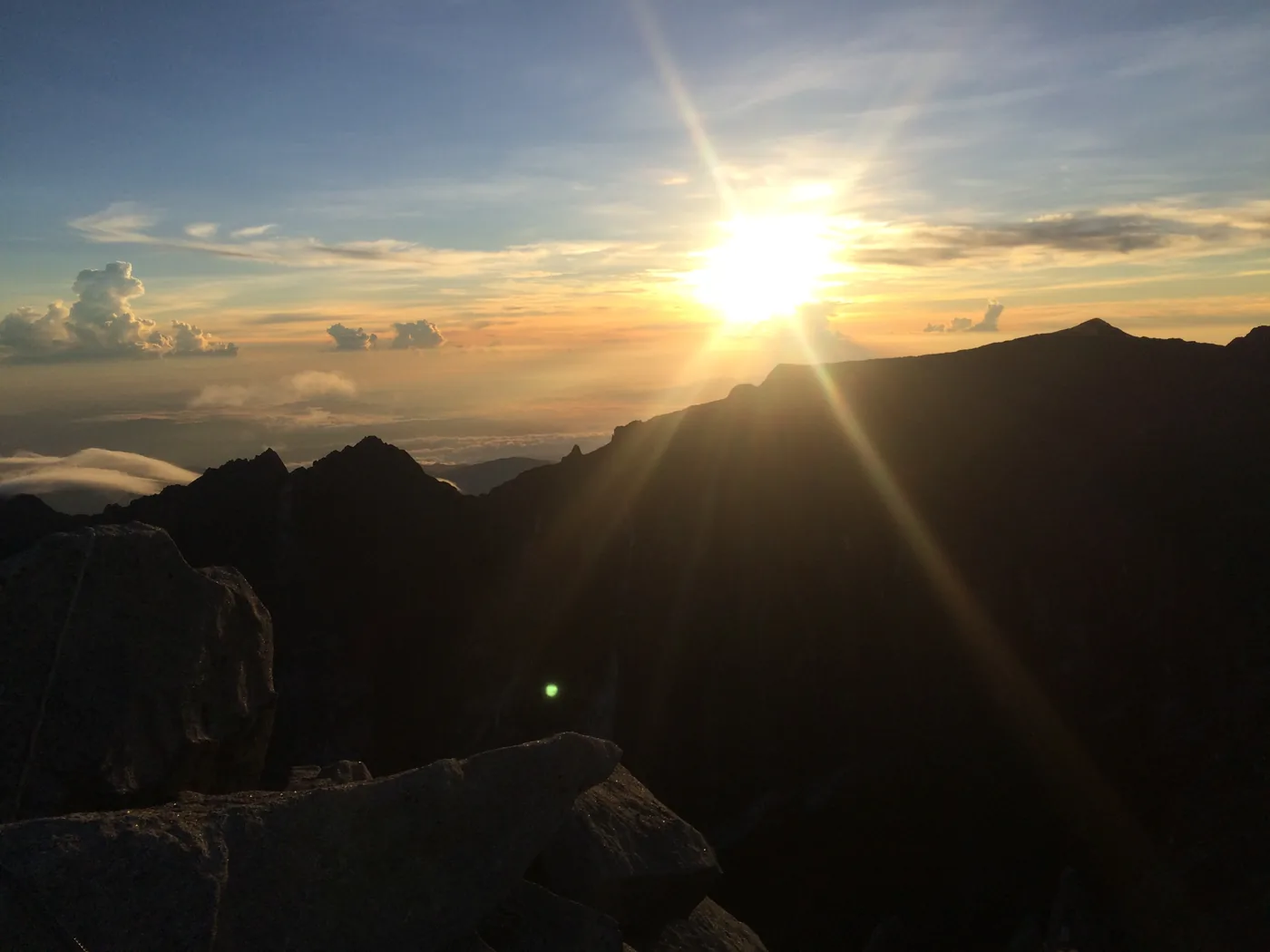
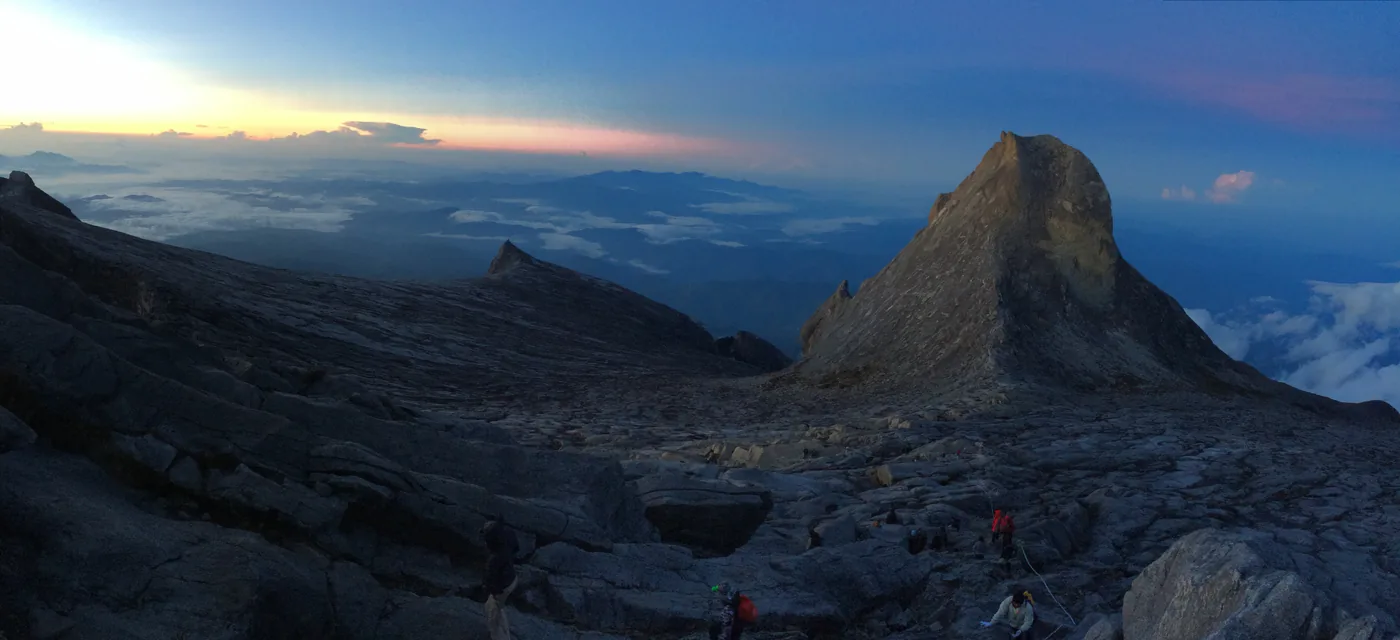
We had cupcakes at the top, too, for a friend’s birthday.
What is the via ferrata?
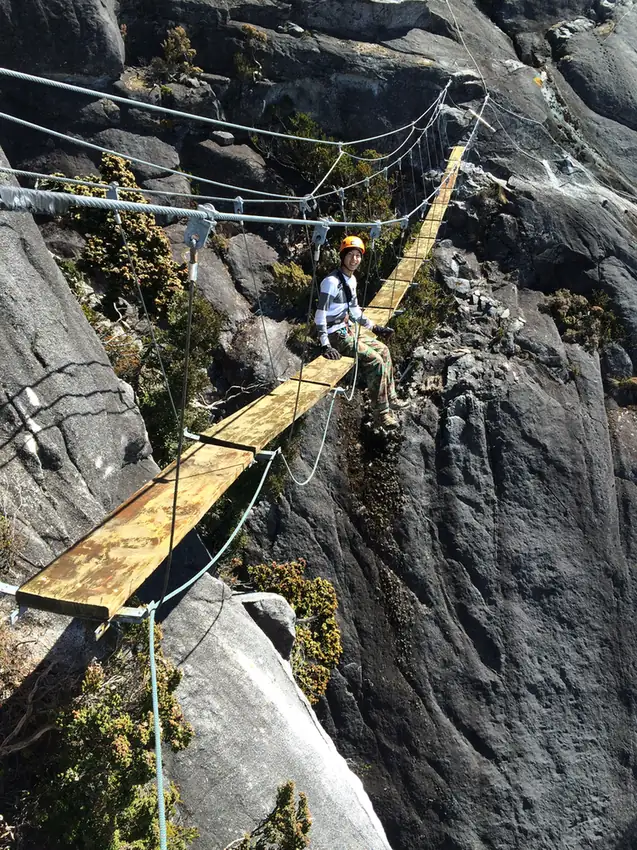
Via ferrata is Italian for “iron road”: a route along a cliff with steel rungs, cables and bridges fixed into the rock, and you stay clipped to a safety line the whole way. Kinabalu has one of the highest in the world, and the Low’s Peak Circuit is the longer, harder of its 2 routes.
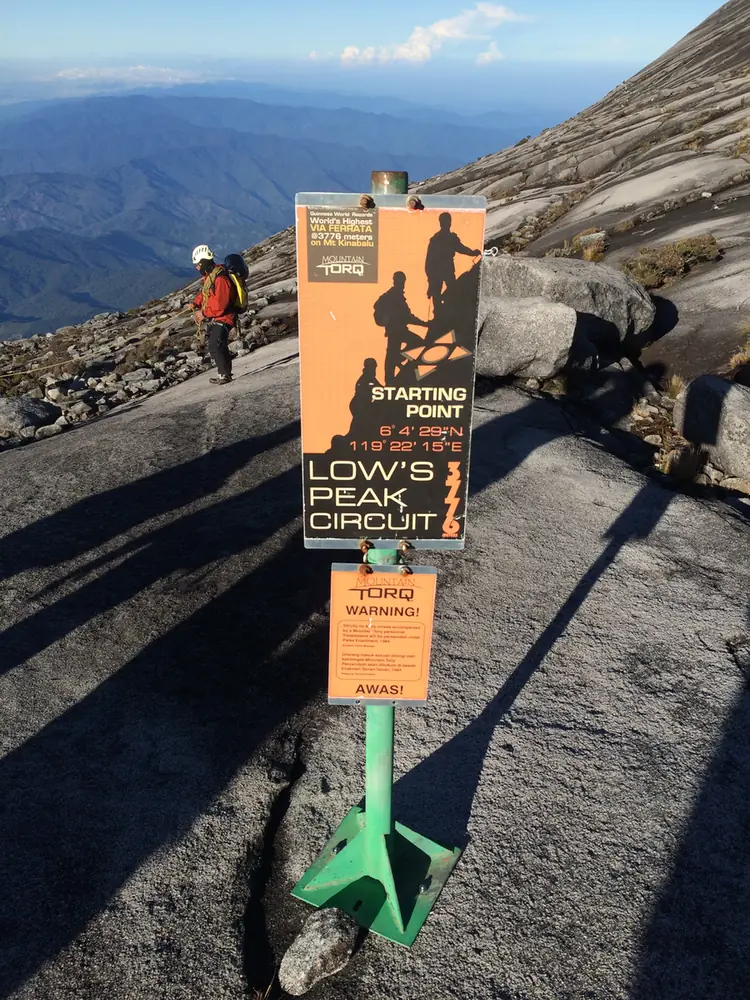
The views are huge, with a plank bridge over nothing and the clouds below your feet, but it is physically demanding, especially after a summit climb at 2am. My friend gave up after the first 20 metres. I kept going, and finished at about 1pm, with a long walk down still to come.
How did the trading fit in?
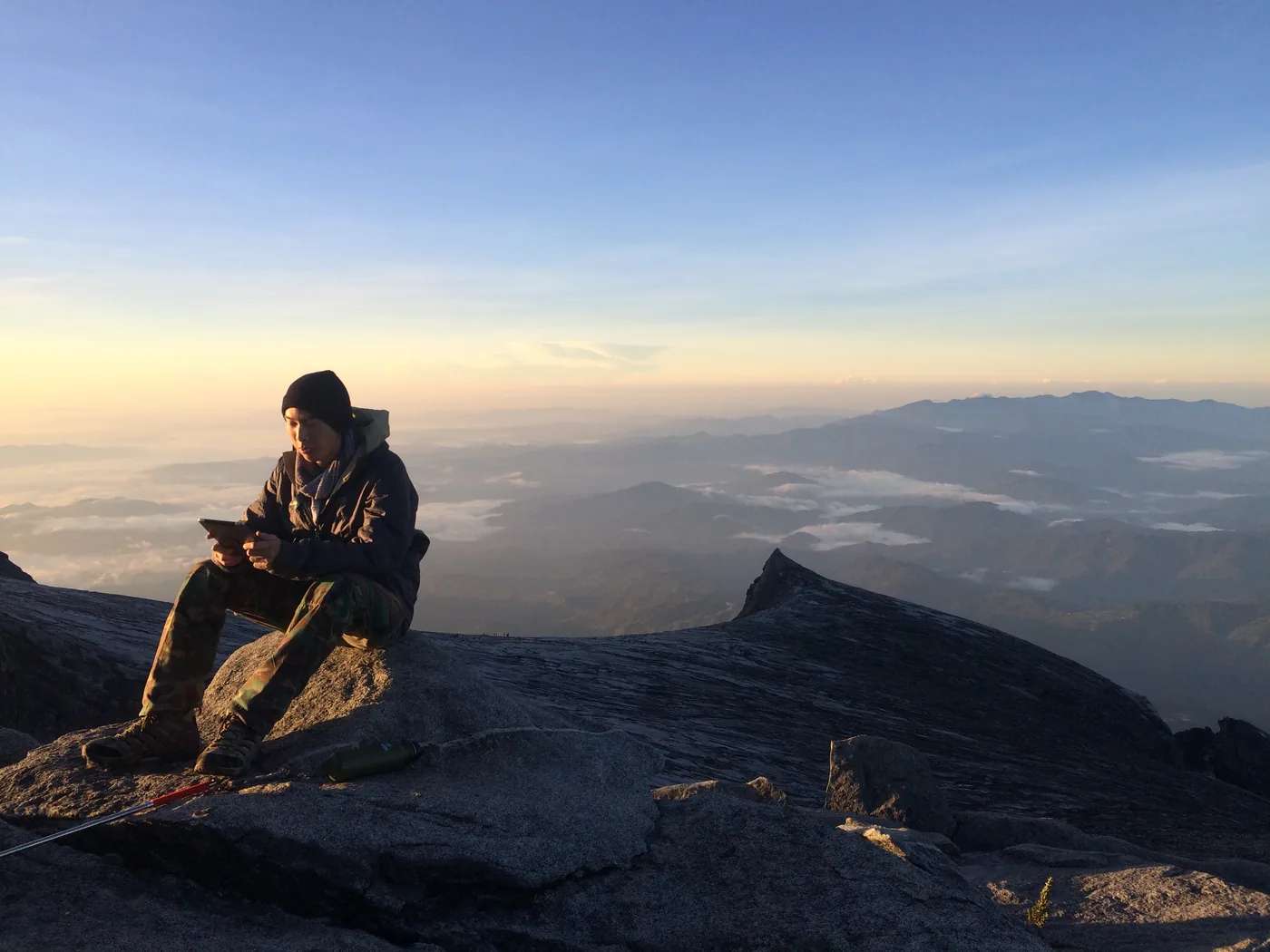
At the top, after the sunrise, I took out my phone and checked the markets, about 4,000 metres up.
That is what a routine of about 15 minutes a day allows. It fits on a mountain, as long as there is a signal.
I wrote up how that routine works on the road, the watchlist, the alerts and the time zones, in how I trade while travelling.
Have you climbed Kinabalu, or are you thinking about it? Would you pick the via ferrata, or is the summit at sunrise enough? Let me know in the comments.
All my other trips are on the travel log, country by country, and more photos are on Instagram, @iamrecneps.
Want the daily routine? Enter your email for the free 15-Minute Swing Trader's Checklist.
Free 5-page PDF, then occasional trading emails. Education only, not financial advice. Unsubscribe anytime. Kit stores your email in the US: see our privacy policy.
Want to learn the full method? The Trading Mastery Program teaches the 4 strategies I have traded since 2011. It suits beginners and experienced traders.
Rather follow the trades as they happen? Daily Trading Signals is our Telegram channel: my trade ideas with entry, stop and exit, and every trade is public.
Questions about this post? Ask in the free Telegram channel →
Educational content only, not personalised financial advice. Trading carries risk, including loss of capital. Past performance is not indicative of future results. Synapse Trading is not licensed or regulated by MAS.

