

The Wrong Way to Trade Candlestick Patterns (Common Mistakes)
Join our Telegram channel for more market analysis & trading tips: t.me/synapsetrading
Japanese candlesticks are a widely used charting technique in technical analysis, offering insights into price action and helping traders predict future price movements.
While they are a powerful tool, new traders often make common mistakes when using Japanese candlesticks.
Here are some of those mistakes and tips on how to avoid them:
Table of Contents
1. Searching for Meaning in Every Candlestick
One common mistake is trying to find significance in every candlestick on the chart. Markets often produce “noise,” and not every candlestick is relevant to predicting future price movements. Instead of analyzing every candlestick, focus on those that form near critical support and resistance levels. First, identify these key levels, and then look for meaningful candlestick patterns around them.
2. Overactive Imagination
Another mistake is seeing patterns that aren’t really there. If you find yourself zooming in excessively or squinting at the chart because you think you see something, it’s likely just your imagination. You don’t need to assign a textbook label to every candlestick formation you notice. Instead, focus on identifying strong buying or selling pressure in alignment with your expected market direction.
3. Underestimating Variations in Patterns
Textbook examples of candlestick patterns often show them forming over a specific number of candles, such as three. However, in real trading, these patterns might take more candles to develop. Just because a three-candlestick pattern takes four or five candles to form doesn’t invalidate its significance. The key is to understand the price action behind the pattern rather than strictly adhering to its standard form.
4. Losing Sight of the Bigger Picture
Focusing too narrowly on short time frames, like 5-minute charts, without considering the broader context can lead to poor trading decisions. It’s essential to step back occasionally and look at the bigger picture to avoid getting blindsided by larger market trends. Balance your analysis by considering multiple time frames.
5. Failing to Wait for Confirmation
Some candlestick patterns are considered “self-confirming,” but many require additional confirmation before acting on them. Always wait for the candlestick to close and fully form before making a trade. For instance, if you spot a Tweezer Bottom, it’s wiser to wait and ensure that the candlestick following the pattern closes higher before going long. Waiting for confirmation helps validate the pattern and reduces the risk of false signals.
By being aware of these common mistakes and taking steps to avoid them, you can use Japanese candlesticks more effectively in your trading strategy.
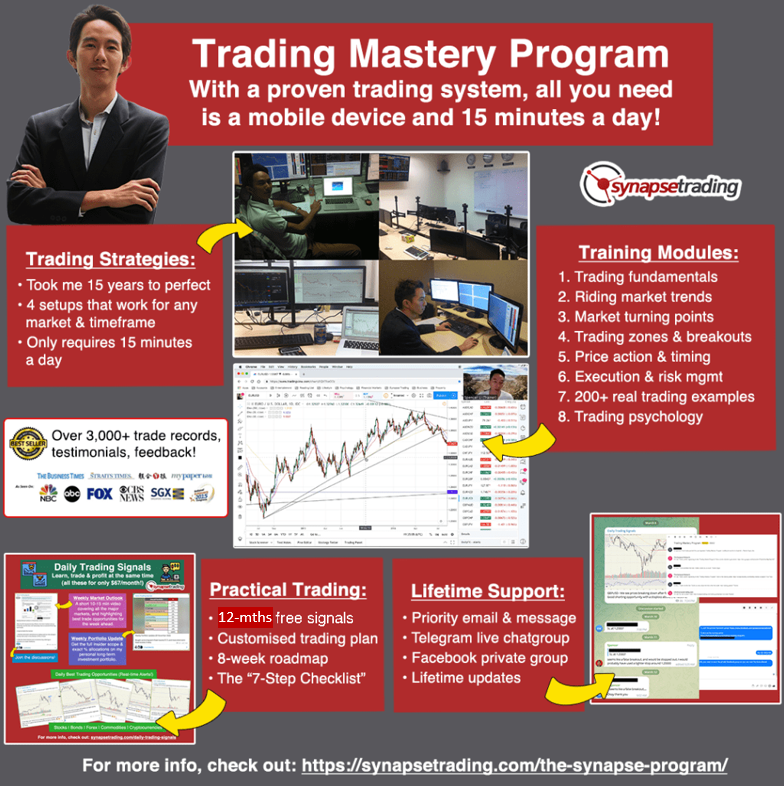 Our flagship mentoring program is suitable for both beginners and advanced traders, covering the 4 strategies which I used over the past 15 years to build up my 7-figure personal trading portfolio.
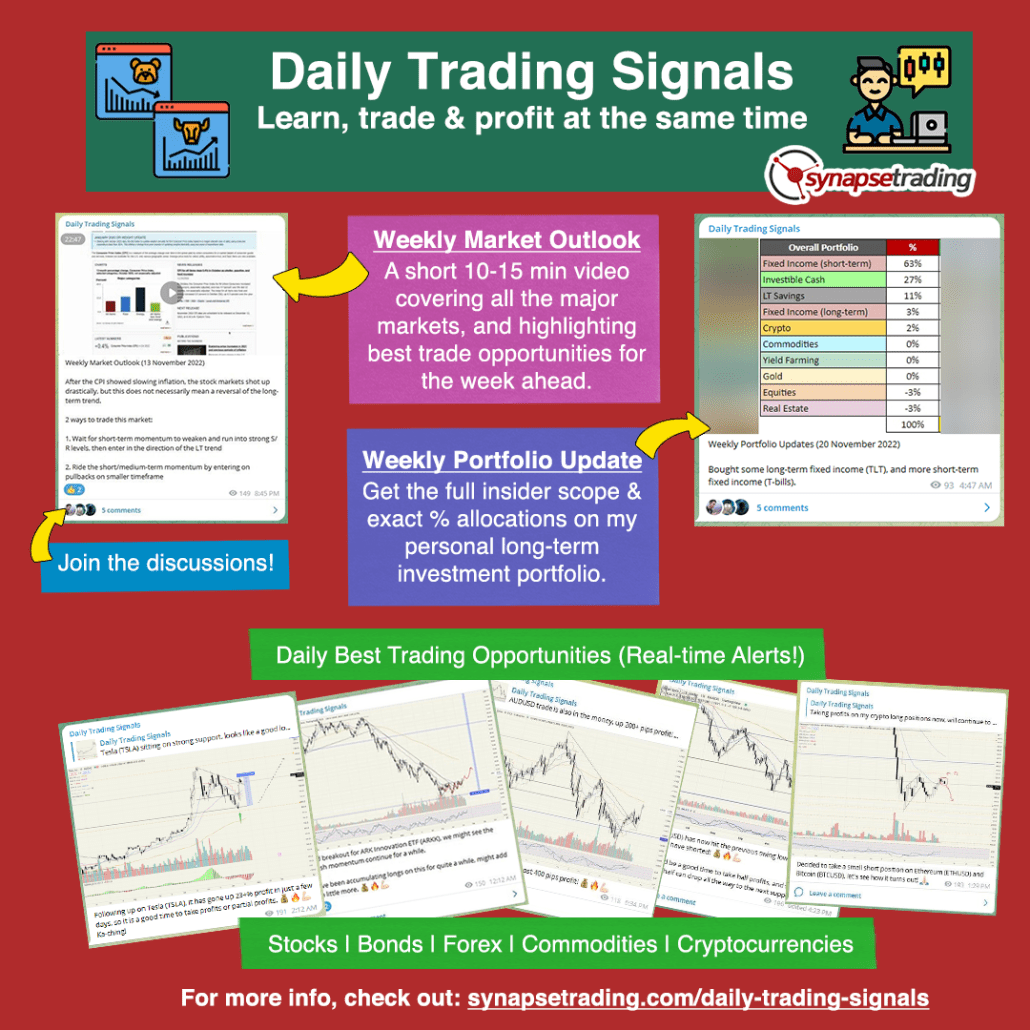 If you're looking for the best trading opportunities every day across various markets, and don't want to spend hours doing the research yourself, check out our private Telegram channel!

Leave a Reply
Want to join the discussion?Feel free to contribute!