Chapter 1 of 7
How does a call actually make or lose money?
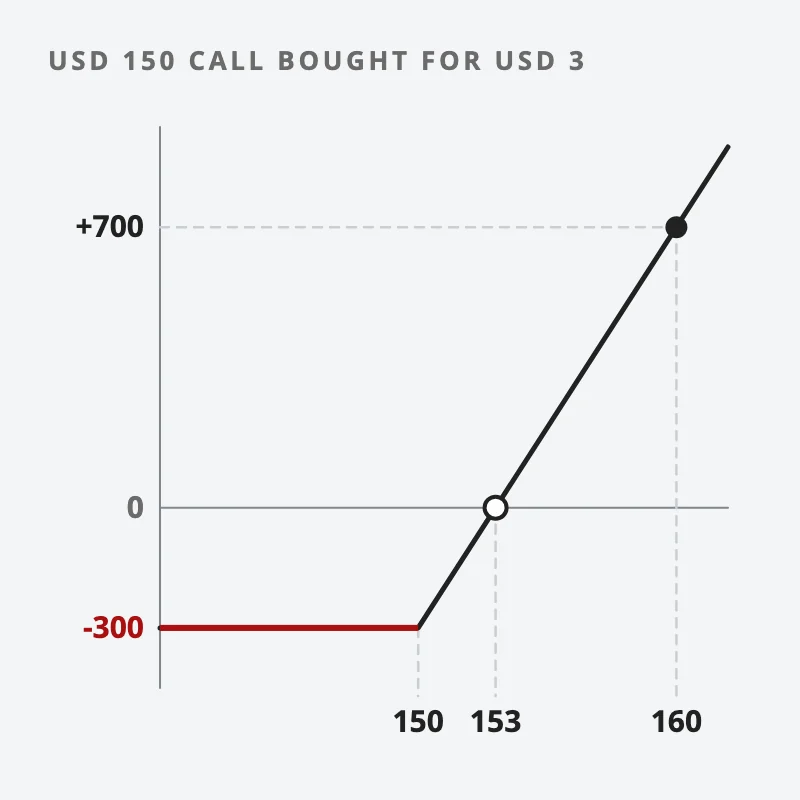
A worked example, hypothetical, with round numbers. A stock trades at USD 150. You buy a 150 call expiring next month for USD 3 a share. One contract covers 100 shares, so you pay USD 300.
The stock rallies to USD 160 at expiry. Your right to buy at 150 is now worth 10 a share, USD 1,000 a contract. You paid 300. Profit USD 700, which is 233% on the money at risk. The stock itself moved 6.7%.
Now the stock drifts to USD 153 instead. Your right to buy at 150 is worth 3, exactly what you paid. Zero. The stock was up 2% and you made nothing. And at USD 150 or below, the option expires worthless and you lose the whole 300. The stock did not fall, and you lost 100%.
Right on direction, wrong on size or time, and you still lose.
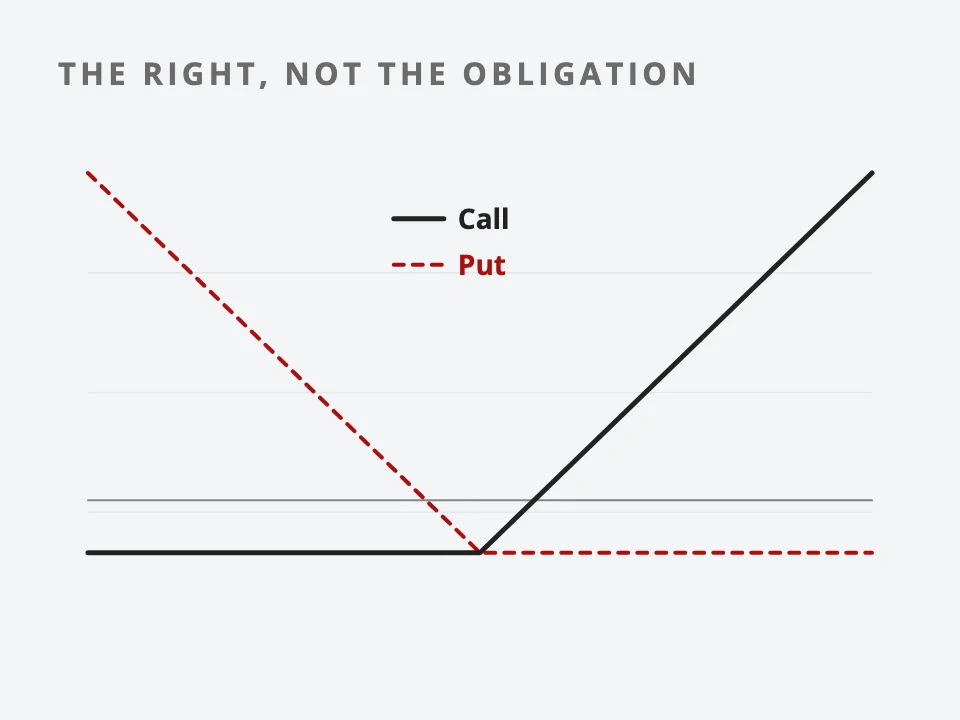
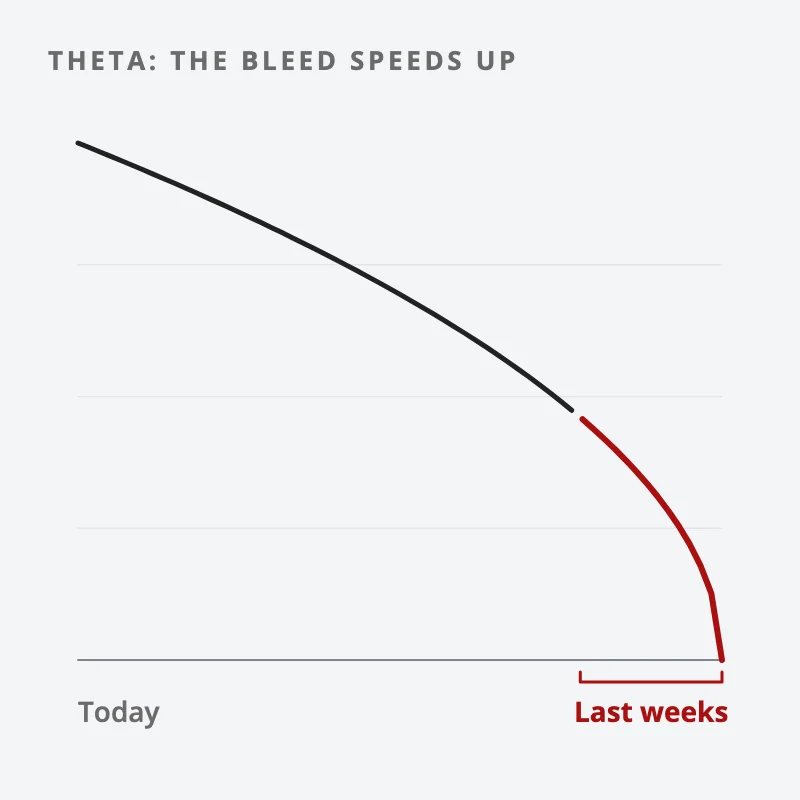
That is the whole character of a bought option. Huge payoff when the move is big and fast, a slow bleed when it is small or late. A put is the mirror image, the right to sell at a fixed price, so it pays when the stock falls hard.

 By Spencer Li, CFTe · Last updated 16 October 2026