

Chernobyl and a Nuclear Missile Base: Two Days in Cold War Ukraine
Want the daily routine? Get the free 15-Minute Swing Trader’s Checklist. Get it free →
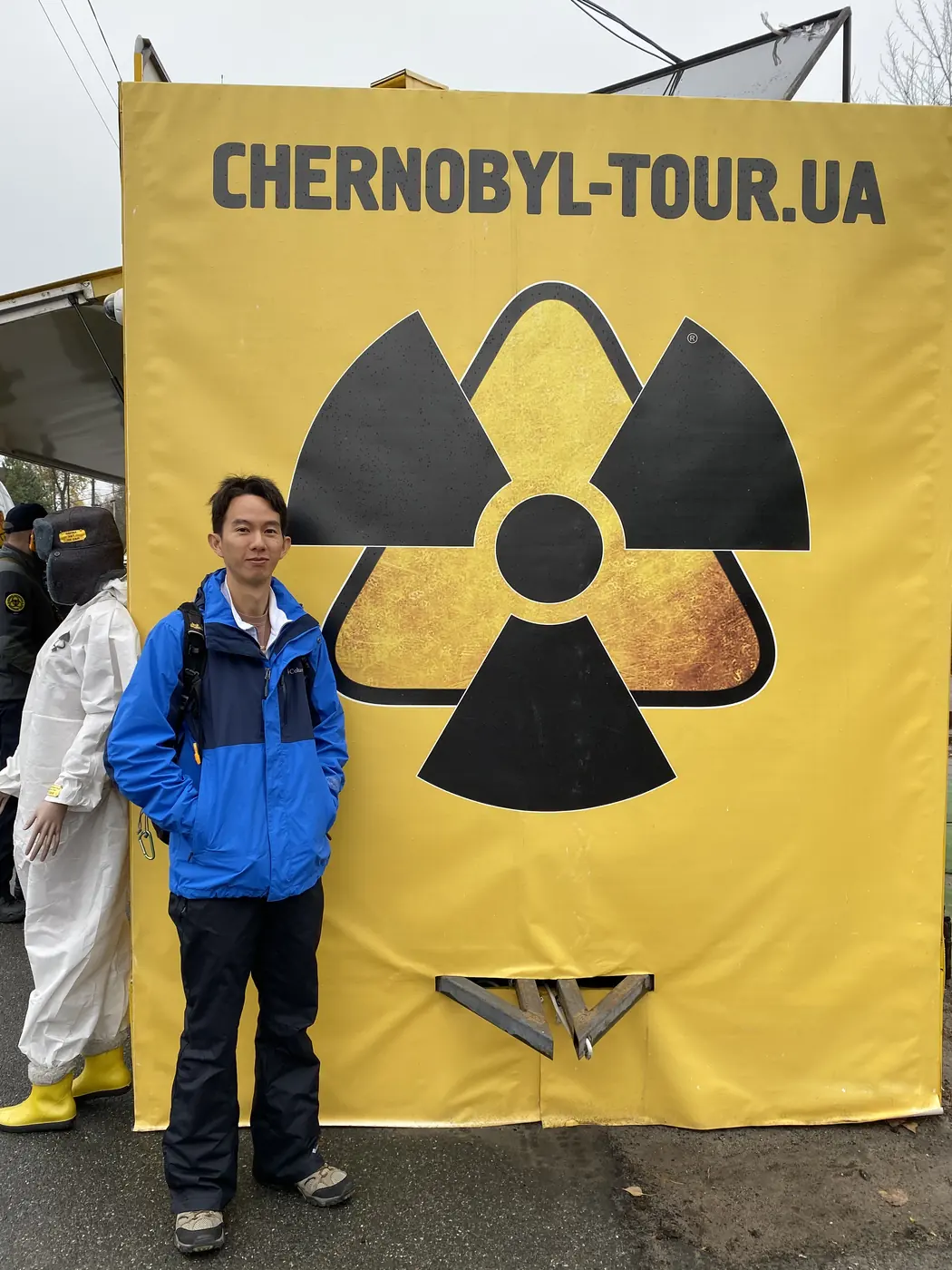
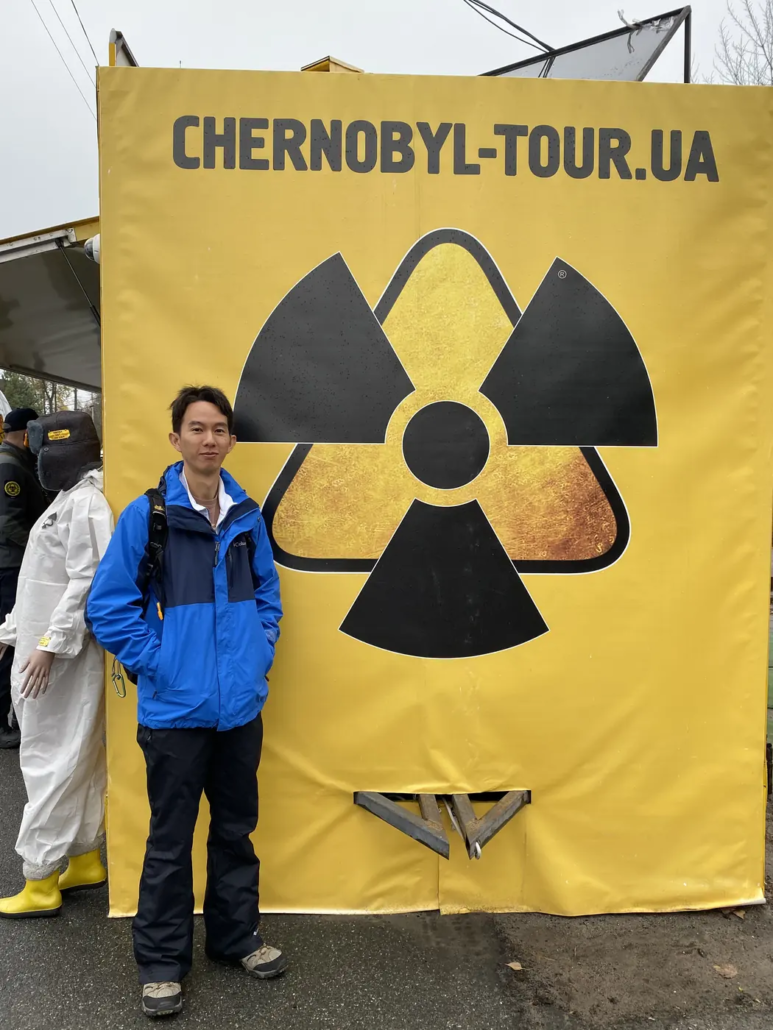
At the end of 2019, on a month-long trip through 14 former communist countries, I spent 2 days in a row in Ukraine at the two ends of the Cold War. On 8 November I was inside the Chernobyl exclusion zone. On 9 November I was underground, in the launch room of a Soviet nuclear missile base.
Both places were built by the same system. Both show what happens when people sit at the controls of something that can go badly wrong, and how a system tries to protect itself from them.
Getting in nearly failed twice. A month before, our tour company wrote to warn us that the zone might be shut without notice for a military exercise on 9 November, which was our planned day, so the Chernobyl day moved forward to the 8th. Then, 16 days before the trip, my Ukraine e-visa was rejected because a supporting letter did not meet the rules. A corrected letter came back the same day. The visa went through.
What happened at Chernobyl?
In the early hours of 26 April 1986, reactor No. 4 at the Chernobyl Nuclear Power Plant exploded during a safety test. It is still rated the worst nuclear accident in history. It is one of only two ever given the maximum level 7 on the international scale. The other is Fukushima in 2011.
The town built for the plant’s workers, Pripyat, was evacuated the next day, and it has stood empty ever since. An exclusion zone of about 30 km was drawn around the plant.
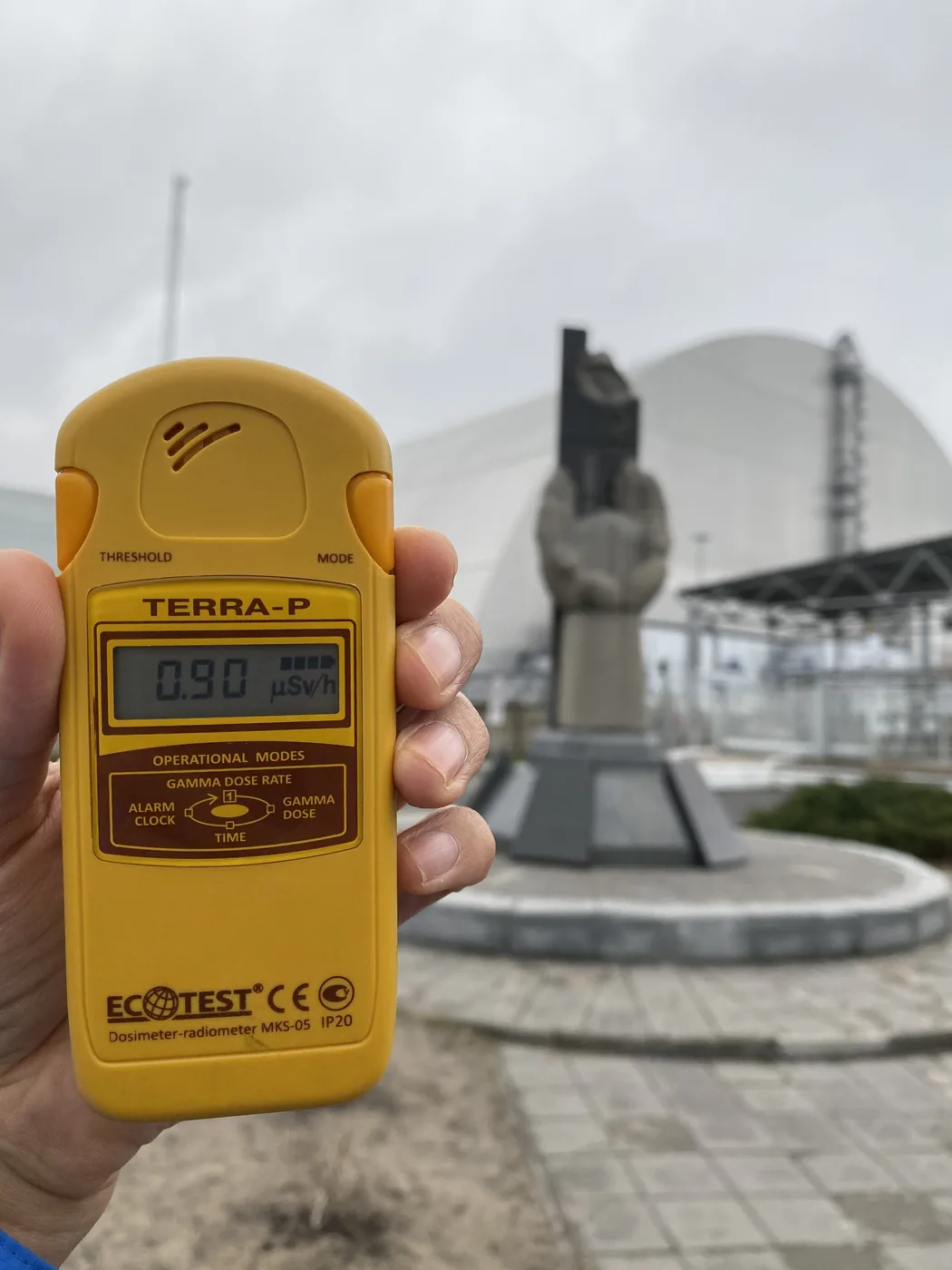
So you might be thinking, is it even safe to walk around in there? The numbers on the dosimeter in my hand tell part of that story, so here they are.
What is it like inside the zone?
The day started at the checkpoint just before 10am. My first photo inside the gate is of a dosimeter. It was a small EcoTest card on a lanyard.
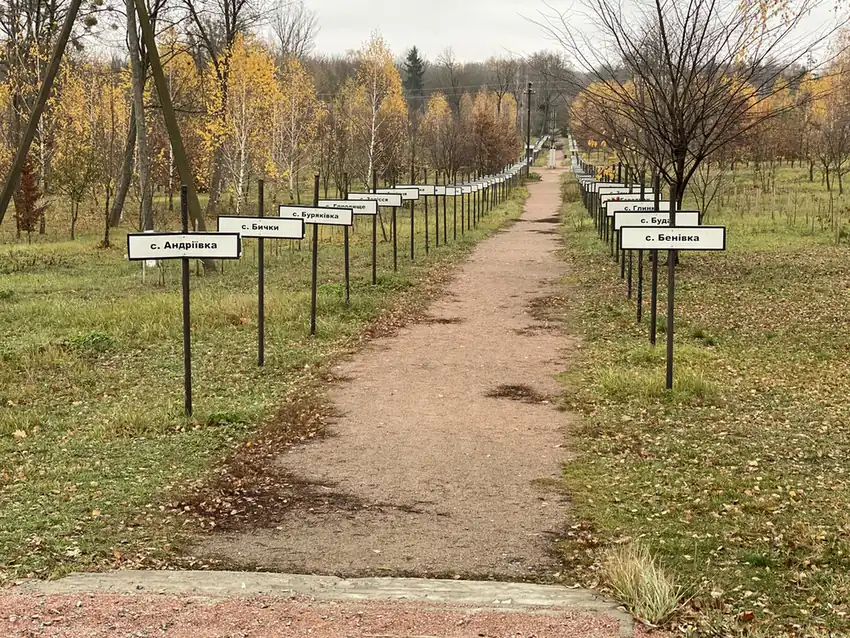
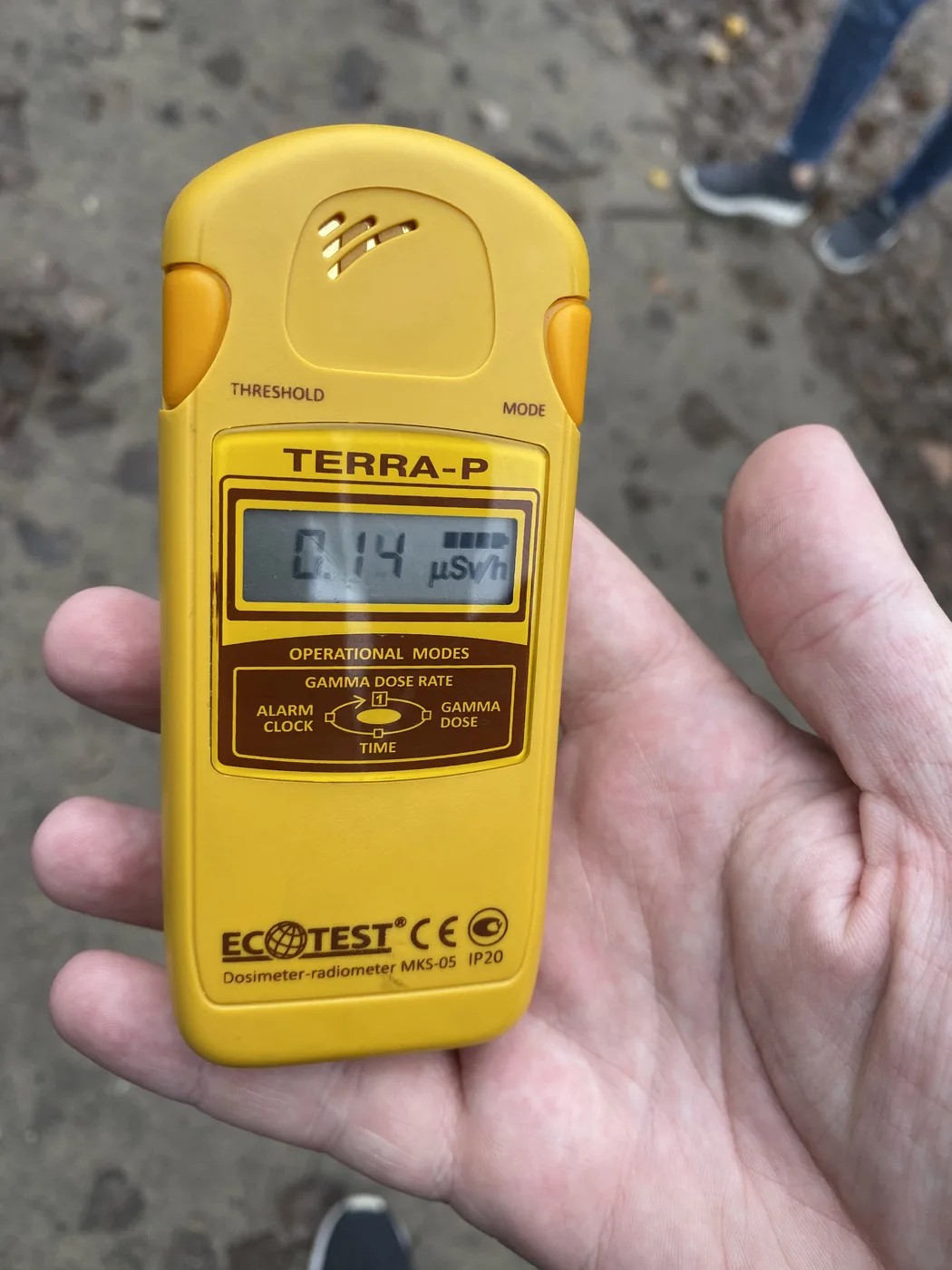
By 10:24 we were in the town of Chernobyl itself, about 15 km from the plant. A yellow Terra-P dosimeter read 0.14 microsieverts an hour there. The town has an avenue of signs, one for each village that was evacuated. There is a metal angel blowing a trumpet, and a yard of the robots and machines that were sent in to clean up.
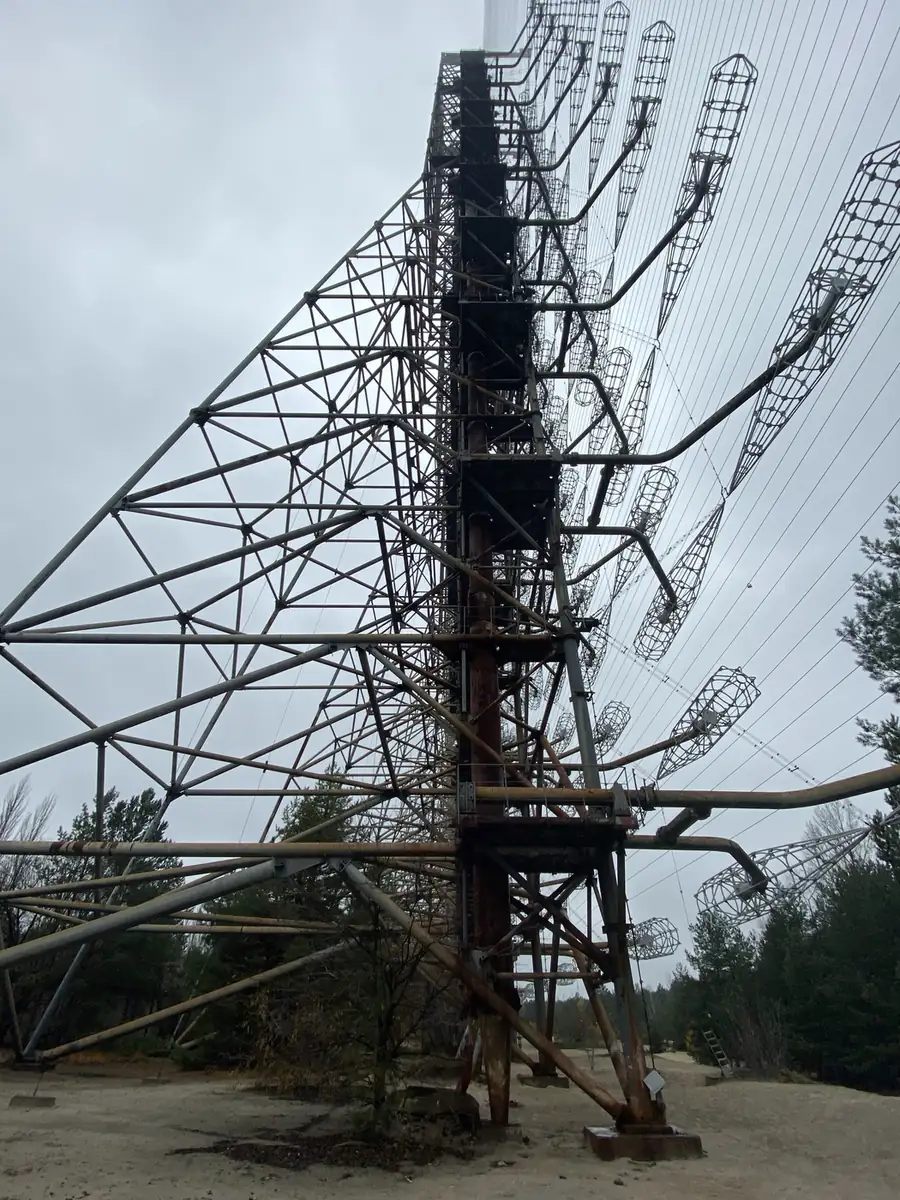
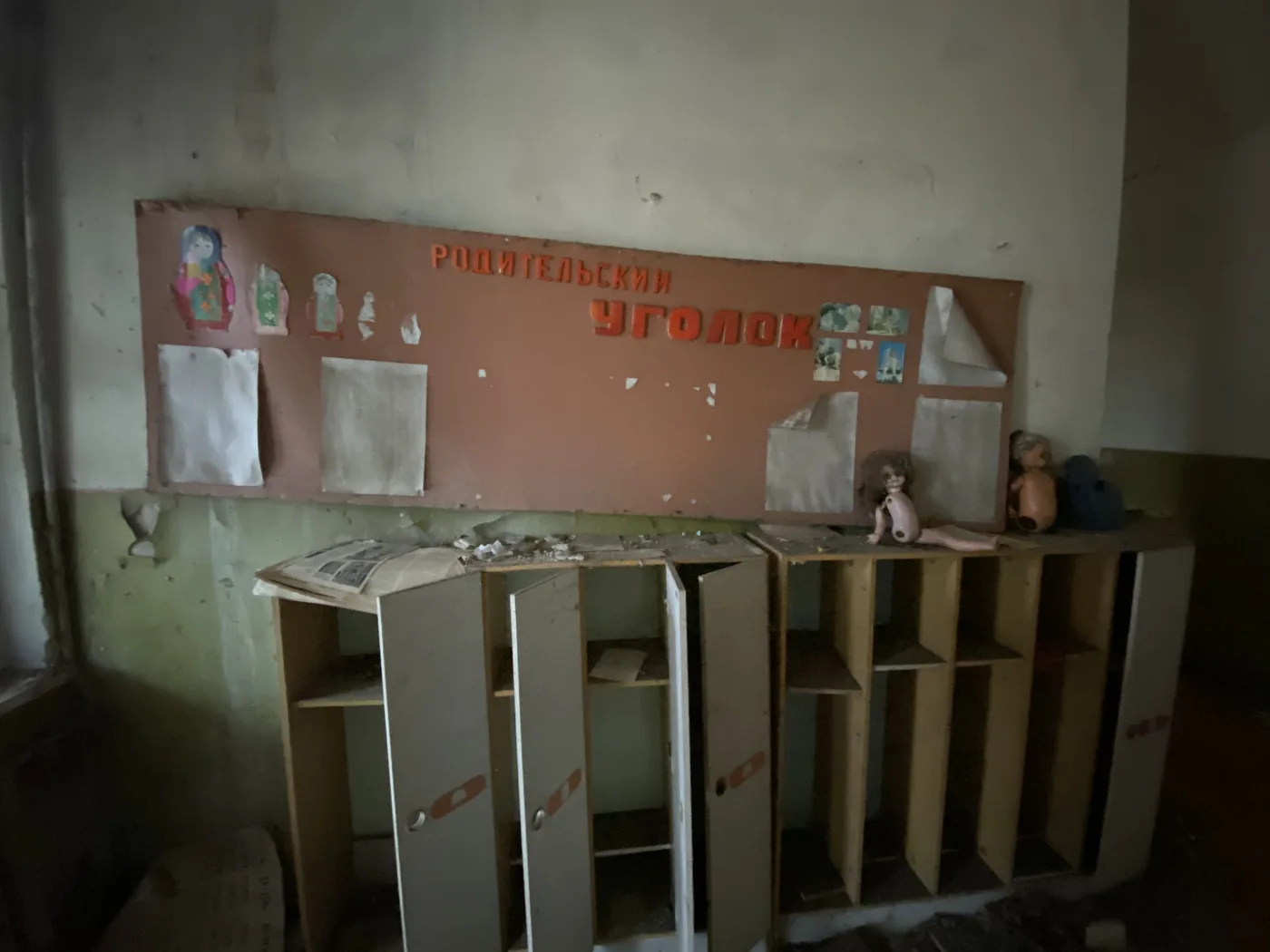
Next came the Duga radar. It was a Soviet early-warning antenna, and today it is a wall of rusted steel masts towering over the pine forest, with a faded pedestrian sign and a row of empty buildings at its feet. After that, an abandoned kindergarten, with dolls and cots still inside.
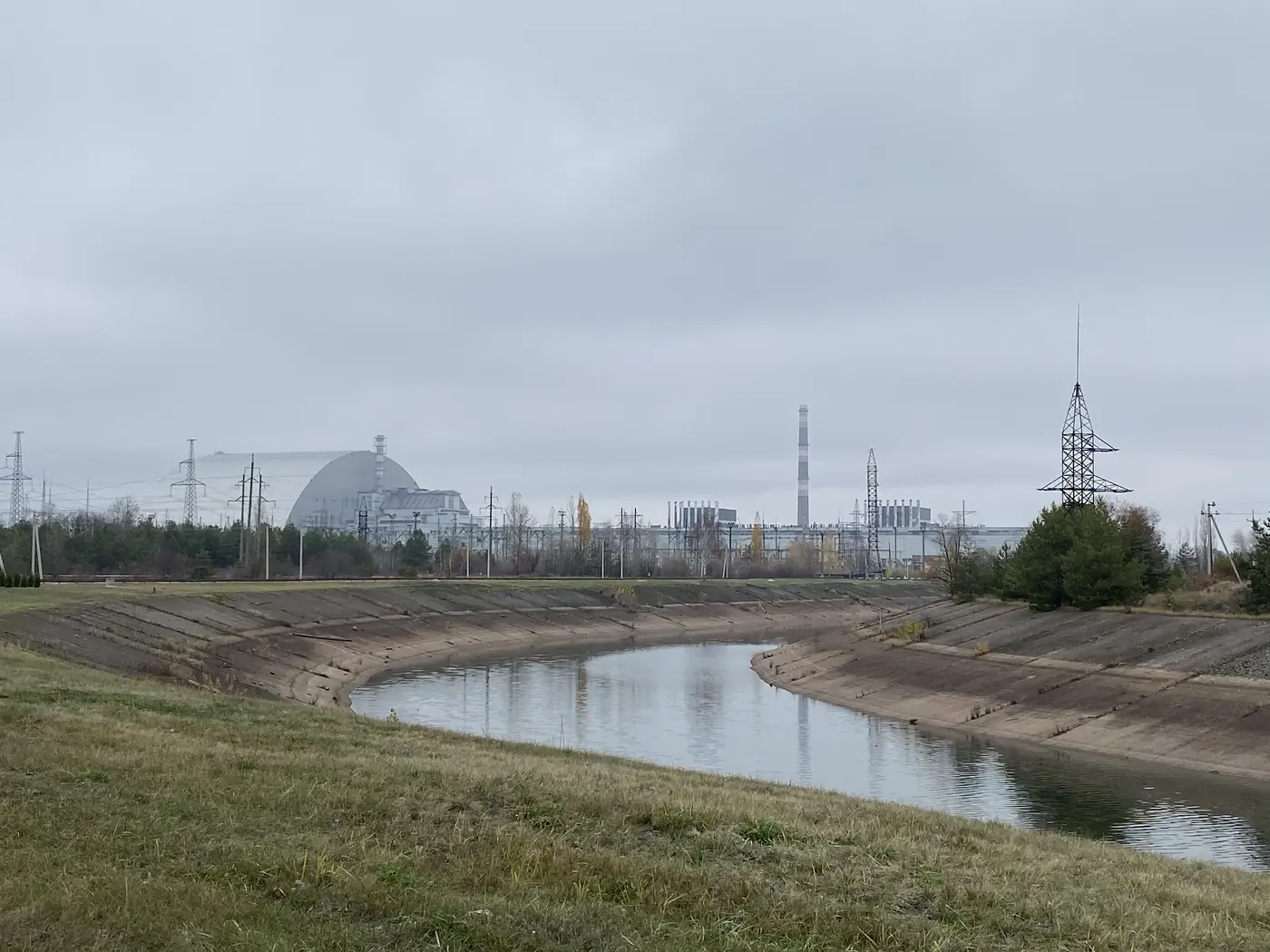
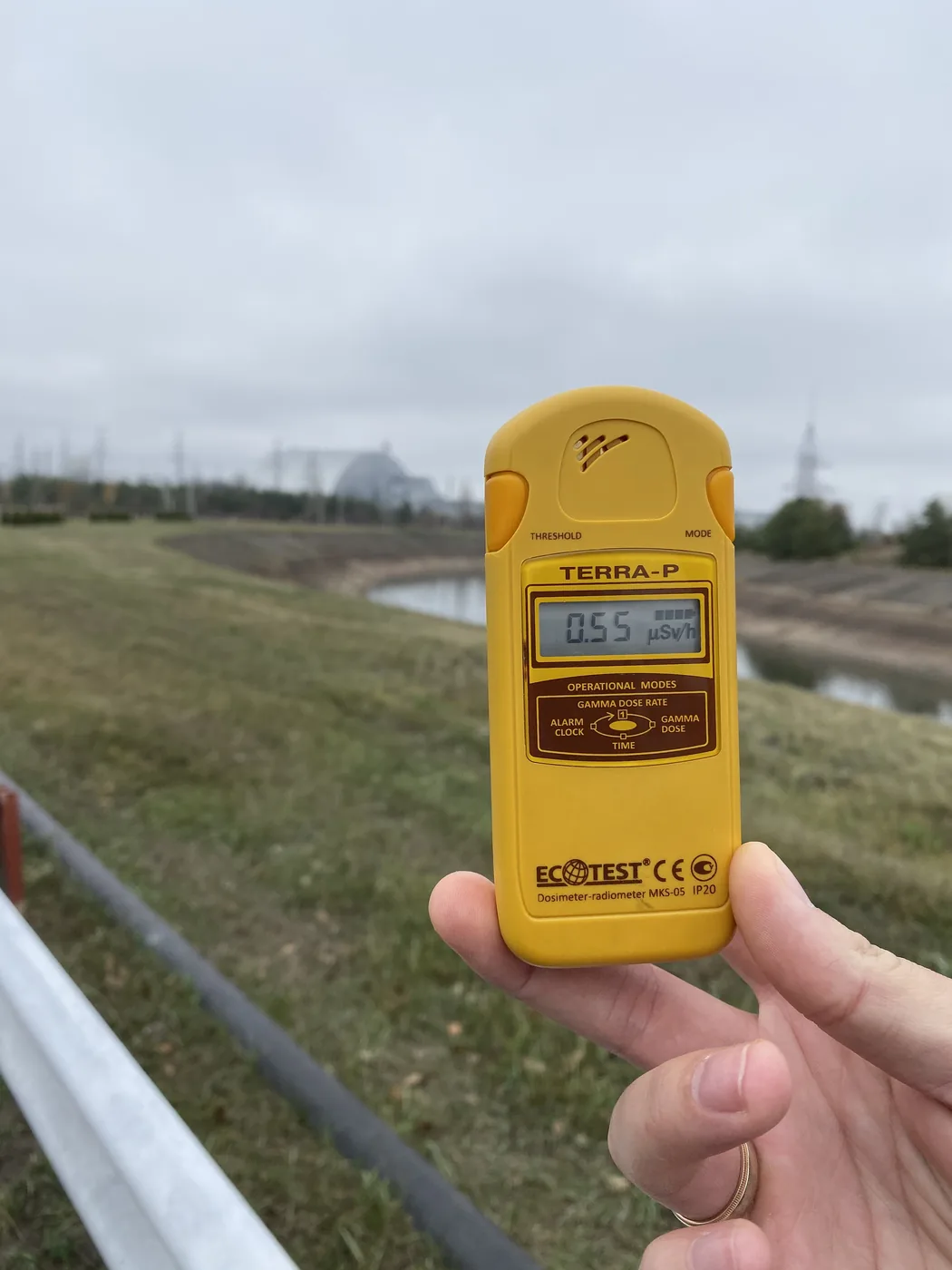
At 12:50 we stood across the cooling canal from the reactor. The Terra-P read 0.55, about 4 times the reading in town. Lunch was in a canteen inside the zone: soup, buckwheat, a sausage bun and a salad. Near the plant, a row of full-body radiation monitors stood at a doorway.
At 14:07 we reached the memorial in front of the giant steel arch that now covers Reactor 4. The reading there was 0.90. That is more than 6 times the town.
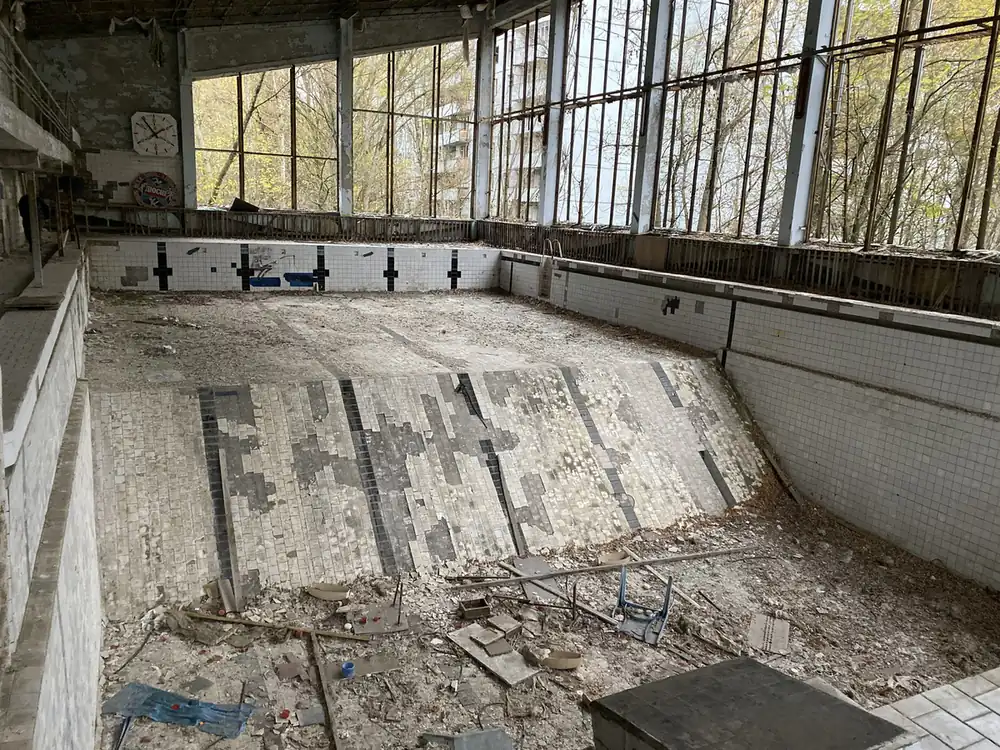
The afternoon was Pripyat. The café sign is still up, and the soda machines have rusted where they stand. The amusement park still has its bumper cars, a swing carousel and the Ferris wheel. There is an empty swimming pool with a clock on the wall, a school room with gas-mask filters across the floor, and a gas mask hanging in a tree.
By 17:13 we were out. A kiosk at the exit sells T-shirts that say “Radioactive”.
Can you still visit Chernobyl?
No.
The zone has been closed to tourists since Russia’s invasion of Ukraine in February 2022, and visitor passes are suspended under martial law (a Kyiv tour guide’s page, and an AFP report of April 2026). Before that, official tours had run since 2011, and by 2019 tens of thousands of people a year were going. I went in late 2019, a little over 2 years before it closed.
What is a nuclear missile base doing in a museum?
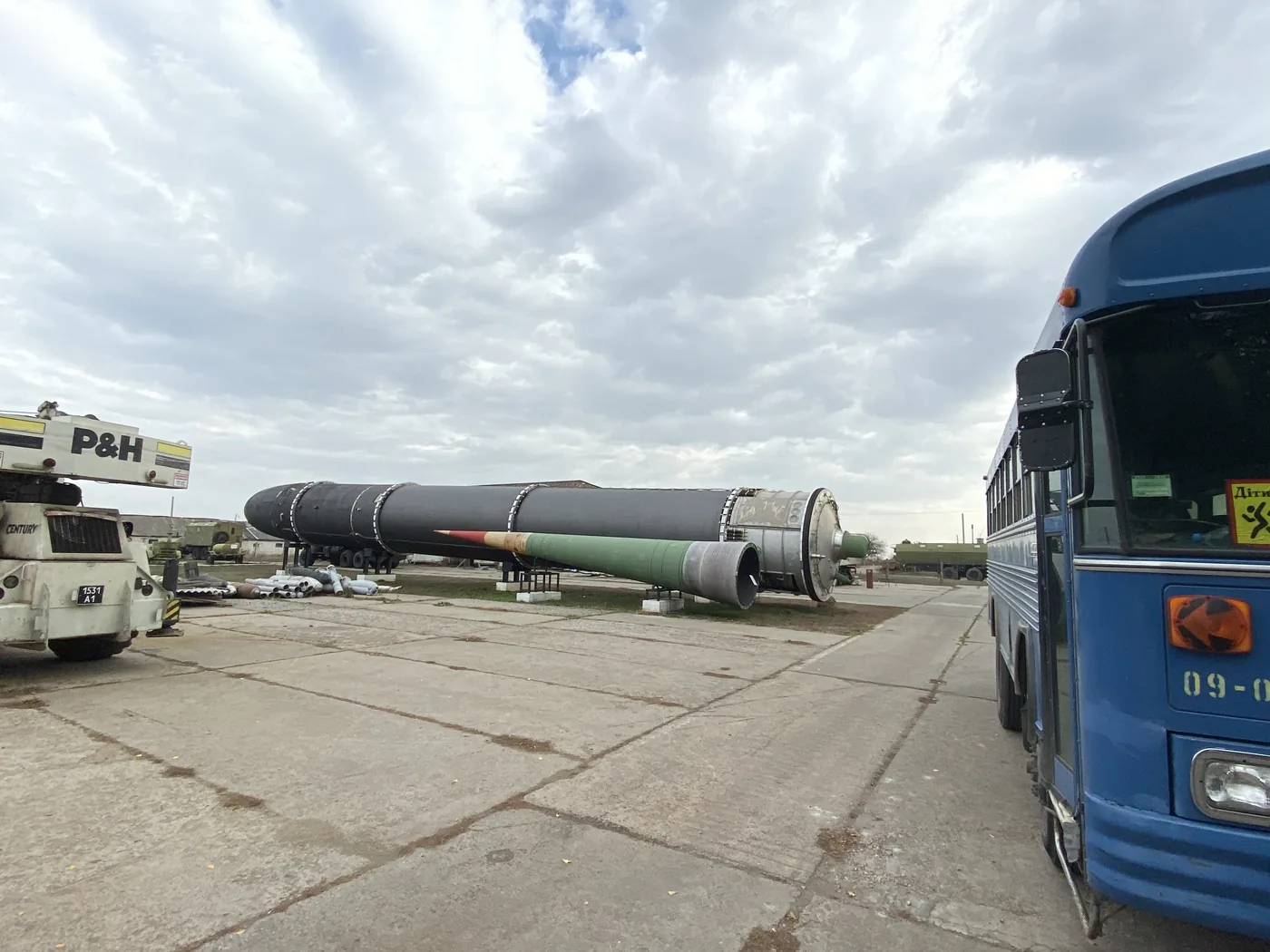
The next day, on the road south from Kyiv towards Odessa, we stopped at a Cold War missile base near Pervomaisk. Its silo and launch control centre are now the Strategic Missile Forces Museum, which opened in 2001.
Above ground, the missiles lie on their sides in a park, next to launchers, a helicopter and a tank. One lay right beside our tour bus.
The real thing is underground.
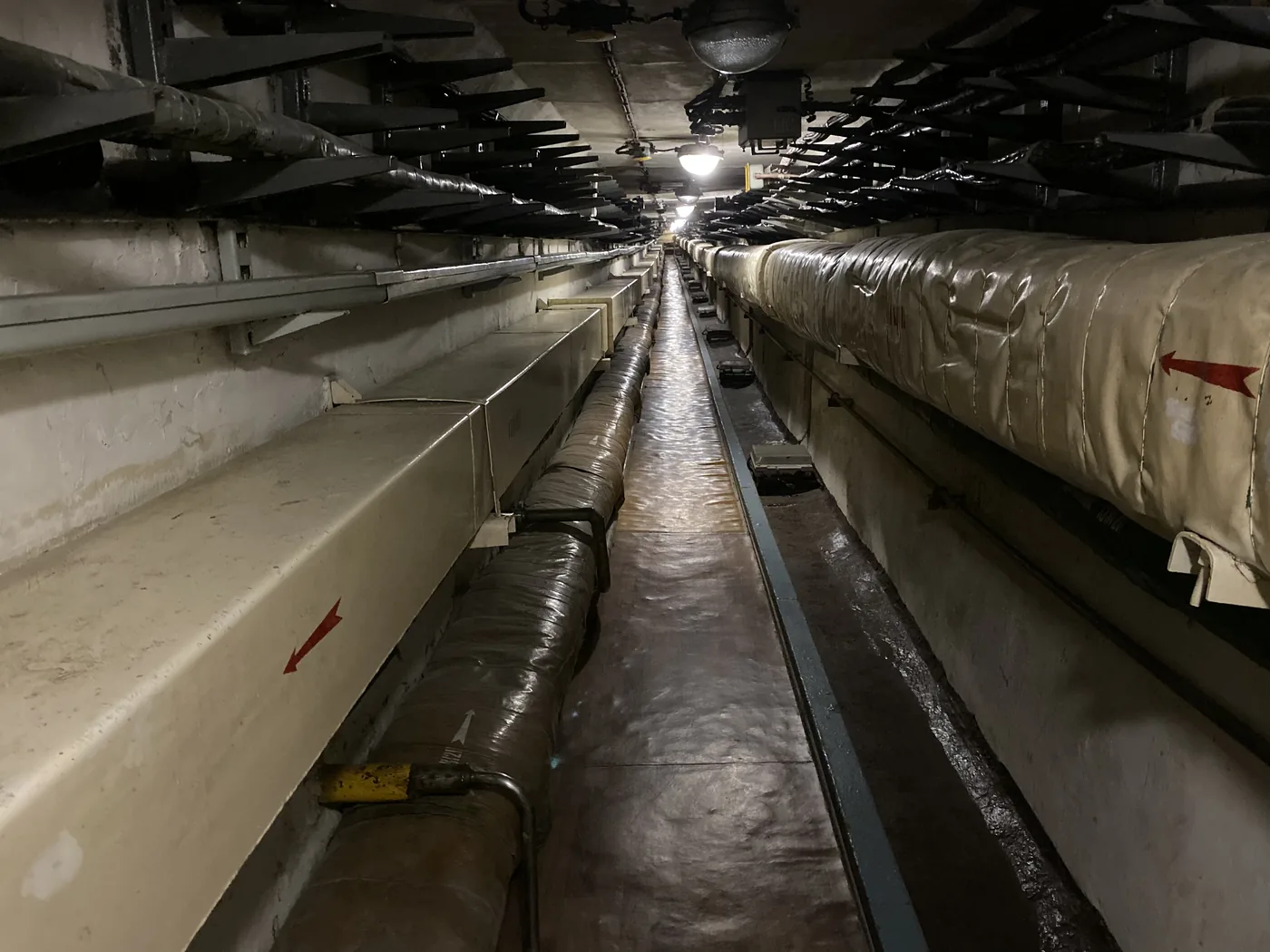
You go down a staircase, then along a long corridor lined with pipes. A red rotary phone hangs on the wall. Just above the launch room there is a crew rest room with bunks and a small TV, and a toilet the size of a cupboard. Then a hatch and a ladder take you down.
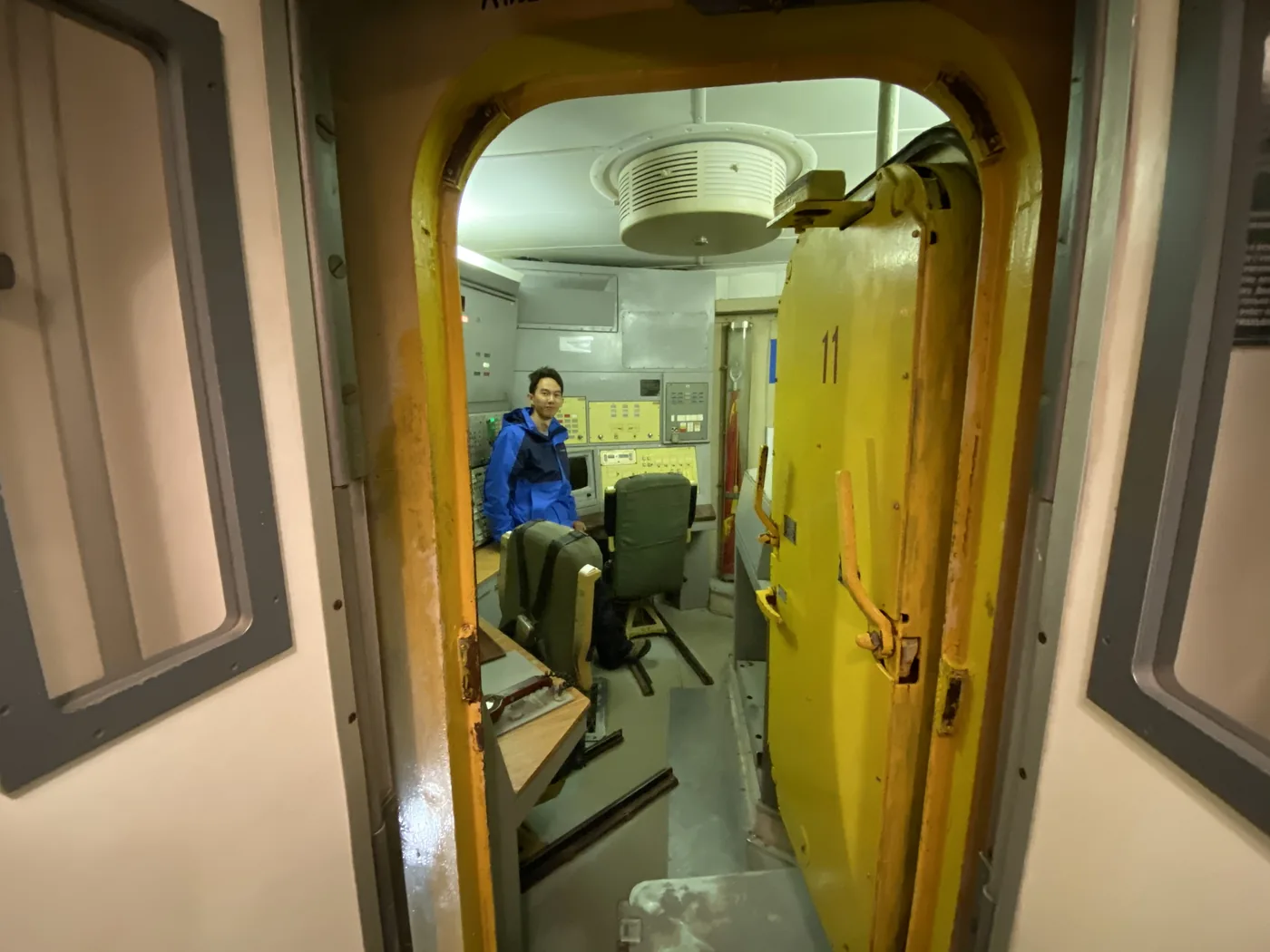
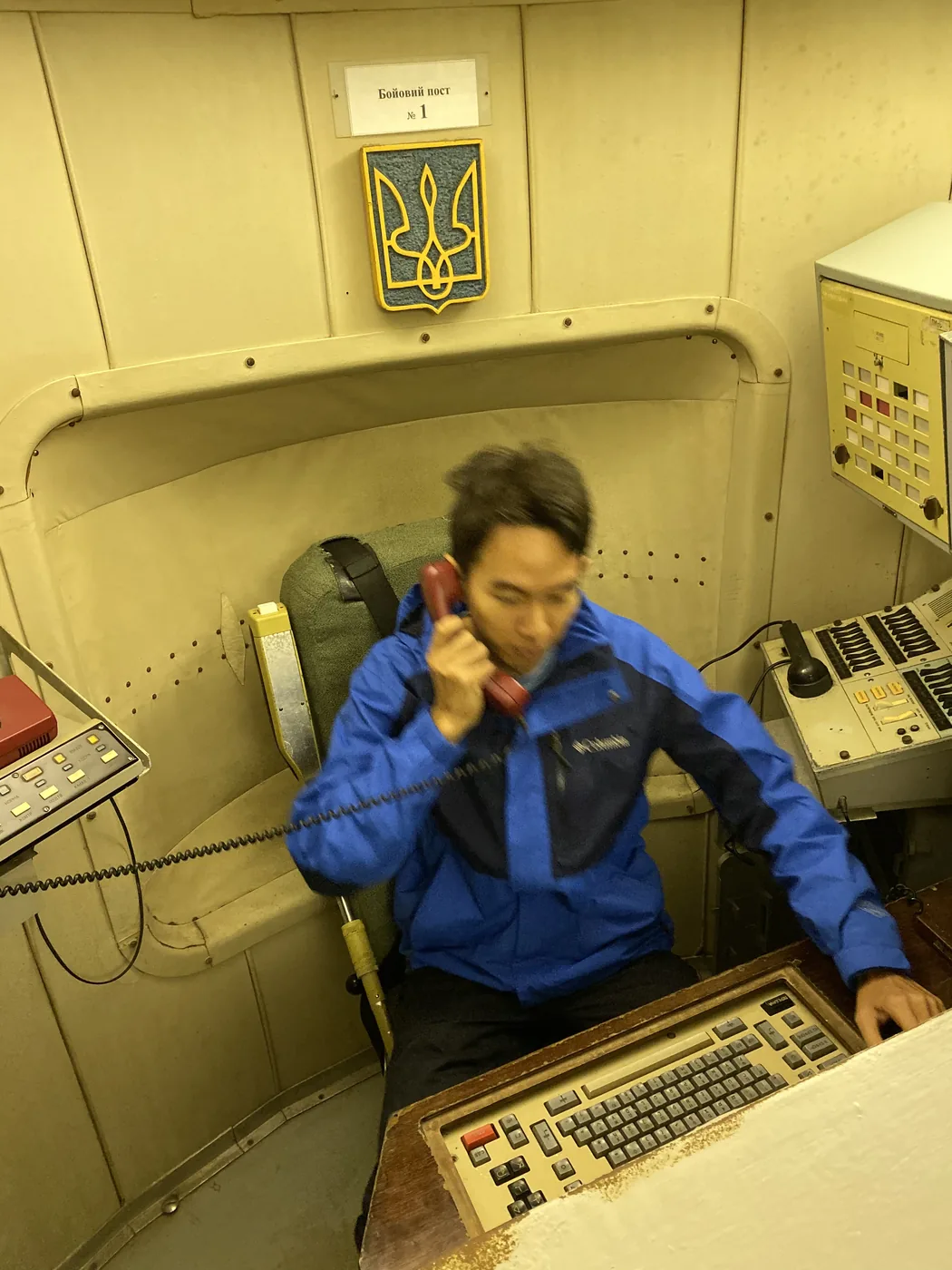
The door into the launch room is a thick yellow blast door with the number 11 on it. That matches the museum’s name for the room, Compartment 11. Inside, Ukraine’s trident hangs over the duty seat, beside panels of switches and lamps. I sat in that seat. Red phone to my ear.
Back above ground, there were pelmeni, little dumplings, with sour cream.
Why does a launch room need two keys?
Two officers sat on duty in that room, in 6-hour shifts. On the tour, you go down in pairs, and the launch only runs when both of you turn your own key at the same time. One person alone cannot do it, however sure they are, and however scared. The rule does not live in anyone’s head. It is built into the room.
My own trading rules work the same way, on a far smaller scale. A rule written in my trading plan once sat there and did nothing on a bad morning. So now my rules are objects wherever I can make them objects, like a standing scale-out order that sits on the position. I wrote about that in Surviving Myself: What I Learnt in 15+ Years of Trading. A launch room is a much bigger version of the same idea. The people who designed it did not trust a single nervous human with the decision.
Can you still visit the missile base?
That is not clear. The museum ran daily guided tours before 2022, about 1.5 to 2 hours above ground and 20 minutes below. I found no source from 2026 on whether it is open now, so check with the museum or a Kyiv operator first.
These were 2 of the stops on my Eastern Europe trip. The rest, from Transnistria to Sarajevo, are in Exploring Eastern Europe and communism: 14 countries in 1 month. Every trip is on the travel log, and more photos are on Instagram, @iamrecneps.
Would you go to Chernobyl if it reopened? Let me know in the comments.
Spencer Li
Want the daily routine? Enter your email for the free 15-Minute Swing Trader's Checklist.
Free 5-page PDF, then occasional trading emails. Education only, not financial advice. Unsubscribe anytime. Kit stores your email in the US: see our privacy policy.
Want to learn the full method? The Trading Mastery Program teaches the 4 strategies I have traded since 2011. It suits beginners and experienced traders.
Rather follow the trades as they happen? Daily Trading Signals is our Telegram channel: my trade ideas with entry, stop and exit, and every trade is public.
Questions about this post? Ask in the free Telegram channel →
Educational content only, not personalised financial advice. Trading carries risk, including loss of capital. Past performance is not indicative of future results. Synapse Trading is not licensed or regulated by MAS.

