Bull Flag & Bear Flag Pattern Trading Strategy Guide

In this pennant & flag pattern guide, you will learn:

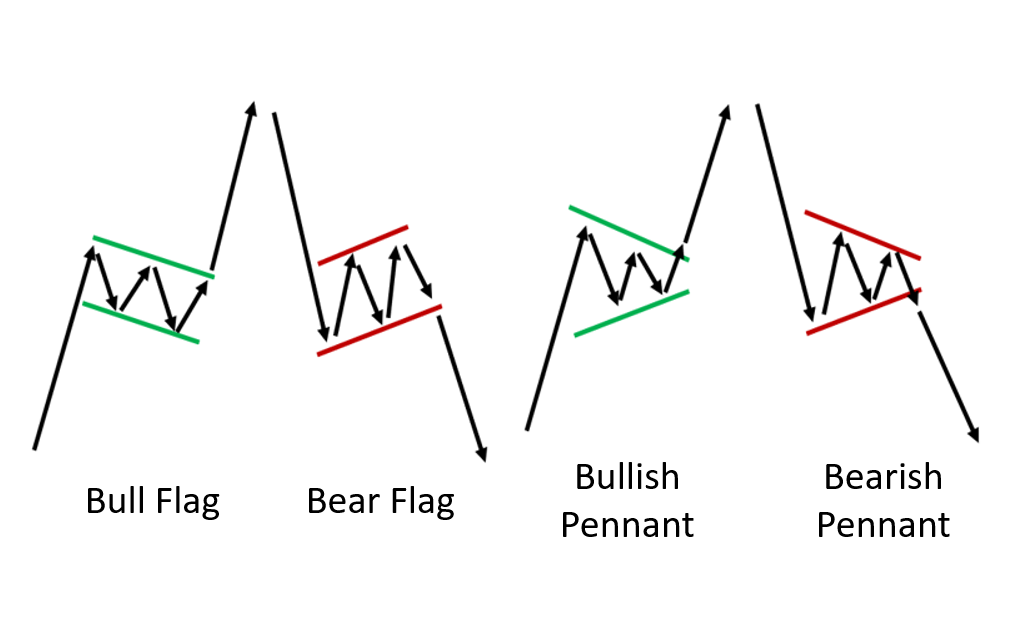
  • How to trade the different types of pennant & flag patterns – bull flag, bear flag, bullish pennant, bearish pennant
  • Specific trading strategies to profit from the pennant & flag price pattern
  • Practical tips from the trading desk for live trading
Pennant And Flag Patterns 2 1

Content Page

Chapter 1:
Introduction to Price Chart Patterns

Before diving into the flag & pennant patterns, we recommend you to first read “The Definitive Guide to Trading Price Chart Patterns” to get the big picture and learn about the different types of price chart patterns.

Once you are done with that, you can return to this guide, which will focus on the flag & pennant patterns in greater detail.

Beginners Guide To Trading Technical Analysis 1
Definitive Guide To Trading Price Chart Patterns
Definitive Guide To Trading Price Chart Patterns Content Page

Chapter 2:
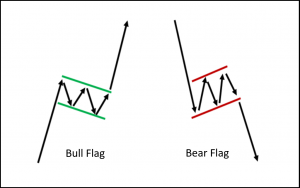
What is a Bull Flag & Bear Flag?

After having seen all the different price patterns, in this chapter we will zoom in on the flag pattern, which is one of the continuation patterns.

The bullish version is called the bull flag, while the bearish version is called the bear flag.

We will learn how the pattern forms, how to identify it, and the best way to trade it.

Flag Patterns

What are Triangle Price Patterns?

xxx

What Are Triangle Price Patterns

Chapter 3:
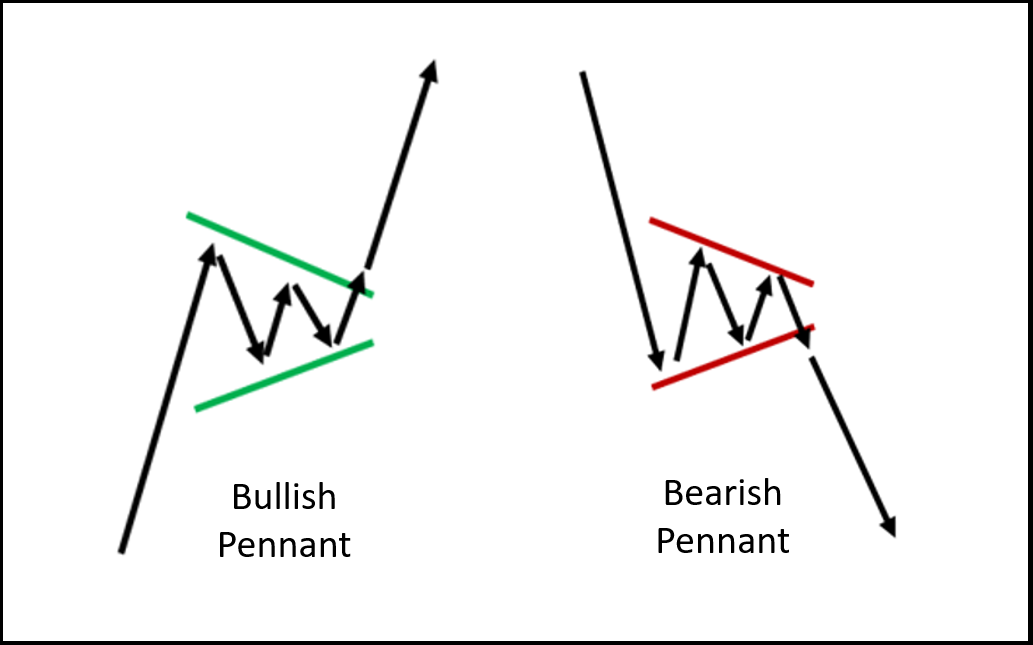
What is a Bullish Pennant & Bearish Pennant?

Very similar to the flag pattern, in this chapter we will zoom in on the pennant pattern, which is one of the continuation patterns.

The bullish version is called the bullish pennant, while the bearish version is called the bearish pennant.

We will learn how the pattern forms, how to identify it, and the best way to trade it.

Pennant Patterns

What are Triangle Price Patterns?

xxx

What Are Triangle Price Patterns

Chapter 4:
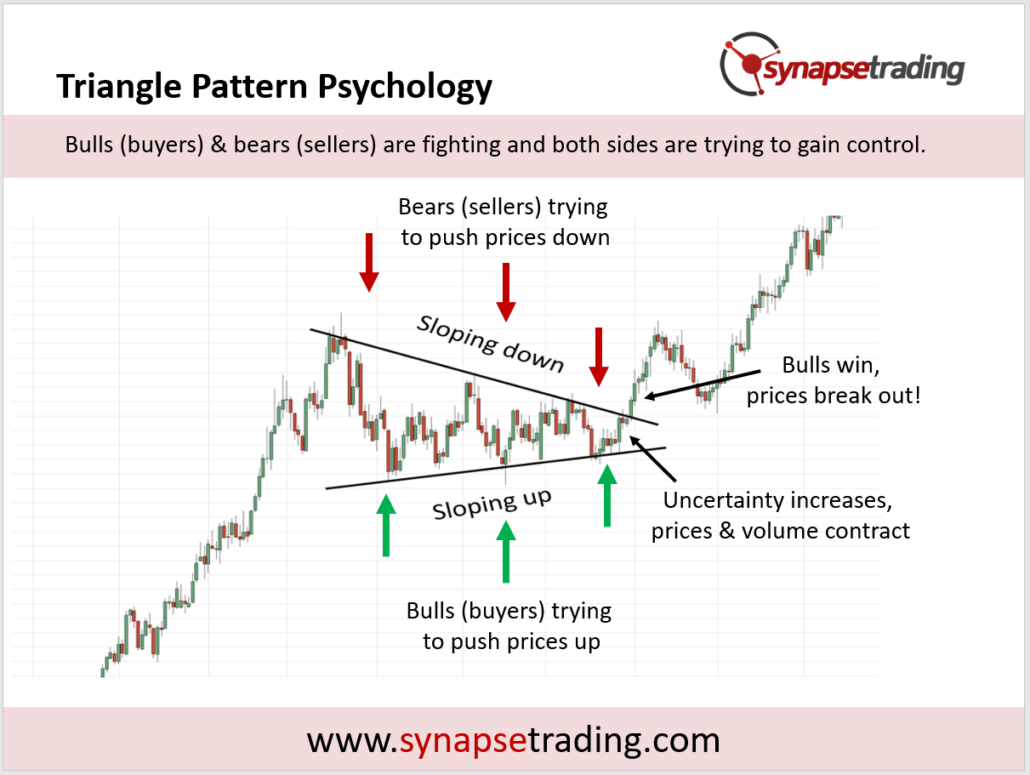
Pennant & Flag Pattern Psychology

xxx

Pattern Psychology

Triangle Pattern Psychology

xxx

Triangle Pattern Psychology

Chapter 5:
Pennant & Flag Pattern Trading Strategies

In this chapter, we will discuss the best ways to trade the triangle chart pattern, and how to profit from this pattern.

There are 2 main strategies we will be using:

  • Breakout strategy
  • Pullback strategy

Each has its pros and cons for practical trading.

Trading Strategies

Triangle Pattern Trading Strategies

There are 2 main strategies, which focus on the directional triangles (ascending triangle and descending triangle), and the difference lies in how early to enter the breakout when it happens.

  1. Breakout Entry: Enter immediately
  2. Pullback Entry: Wait for a pullback after the breakout
Breakouts In Triangle Patterns

Something to take note of, breakouts usually occur when prices are around 2/3 to 3/4 of the pattern length, and if prices go past the 3/4 mark, there is a possibility that prices may just continue to meander sideways without breaking out. This would mean a failed pattern.

Now, let’s go through each strategy in greater detail.

Chapter 5a:
Strategy #1 Pre-Breakout Entry

The first trading strategy for the triangle pattern is the breakout entry, which allows us to enter the trade immediately once the pattern is completed and the breakout occurs.

This works best on the ascending triangle (long entry) and descending triangle (short entry).

Trading Strategy 1
Triangle Pattern Trading Strategy 1

Triangle Pattern Trading Strategy #1

xxx

Chapter 5b:
Strategy #2 Breakout Entry

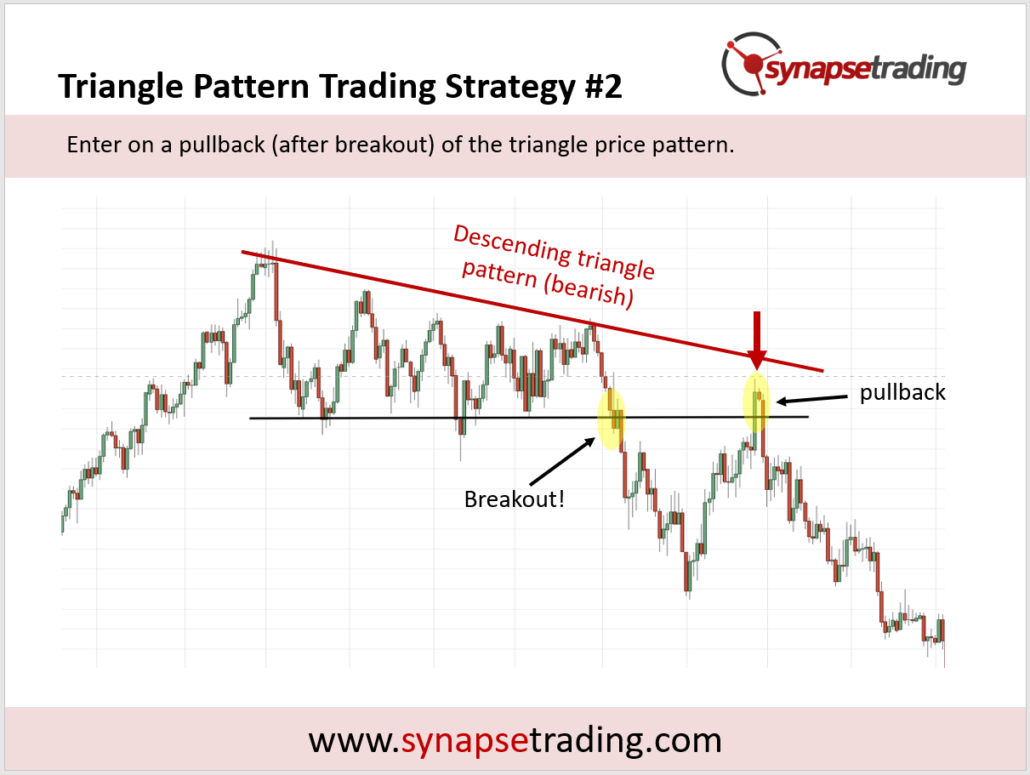
The second trading strategy for the triangle pattern is the pullback entry, which allows us to enter on pullbacks after a breakout occurs. This is useful if the initial breakout is weak, or if you missed the breakout trade.

This works best on the ascending triangle (long entry) and descending triangle (short entry).

Trading Strategy 2
Triangle Pattern Trading Strategy 2

Triangle Pattern Trading Strategy #2

xxx


Chapter 6:
Profit Target for Pennant & Flag Pattern

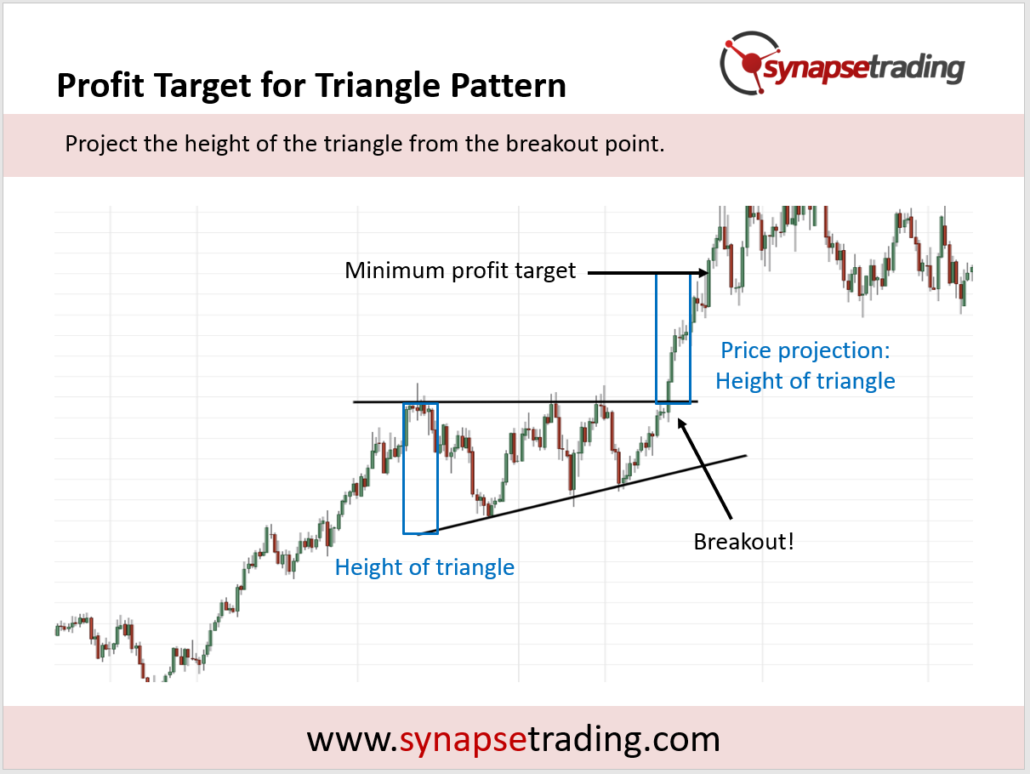
One major benefit of using price patterns is that they provide a measuring objective (price projection), which is useful for getting an estimated price target for your trades.

In this chapter, we will show you how to project a price target using the triangle price pattern.

Profit Target 1

How to Do a Price Projection for the Triangle Pattern

Once a triangle pattern is completed, one of the most useful things about it is its ability to provide a price projection, which can be used to estimate a minimum profit target for your trade.

This can be done by taking the maximum height of the triangle, and projecting that distance from the breakout point.

Triangle Pattern Profit Target

xxx

Chapter 7:
Tips from the Trading Desk

xxx

Tips From Trading Desk

Tips from the Trading Desk

  1. xxx
Trend Trading With Triangle Patterns

xxx

Chapter 8:
Video Tutorial on Pennant & Flag Patterns

Coming soon!

Video Tutorial

Coming soon!

Conclusion

I hope you have enjoyed this guide on how to tackle pennant & flag chart patterns.

Now I’ll like to hear from you: what is your key take-away from this trading guide?

Which of the 4 patterns are easiest to spot – bull flag, bear flag, bullish pennant, or bearish pennant?

What is your favourite pennant & flag pattern strategy for trading?

Do you have any pennant & flag pattern trading strategies of your own to share?

Let me know by leaving a quick comment below right now.

2018 09 17 15.11.29
0 replies

Leave a Reply

Want to join the discussion?
Feel free to contribute!

Leave a Reply

Your email address will not be published. Required fields are marked *