The Beginner’s Guide to Trading & Technical Analysis

For newcomers who want to learn how to trade, the large amount of information out there can be overwhelming to digest, which is why I have summarized it all in this compact guide.

In this beginner’s guide, you will learn:

  • The key concepts and principles about trading and technical analysis
  • How to create a trading plan & strategies with a clear roadmap to profitability
  • How to start with paper trading and use a trading journal to track your progress
Thumbnail Beginner Guide To Trading And TA
Trading Income Cash Generator Infographic

Can I Make Money from Trading?

First, you will need to know what trading is all about, how to trade for beginners, and whether you should start with trading or investing.

You will also need to think about how much trading capital you plan to start with, especially if you are new to this.

Square Shape TFW

Join our Beginner Workshop!

New to Trading? Make your first live trade today in this workshop!

Meet Spencer live for 2.5 hours of hands-on training! No prior experience required!

Learn all the basics of trading, and step-by-step guidance to make your first trade!

TA Vs FA Infographic

Basics of Technical Analysis (TA)

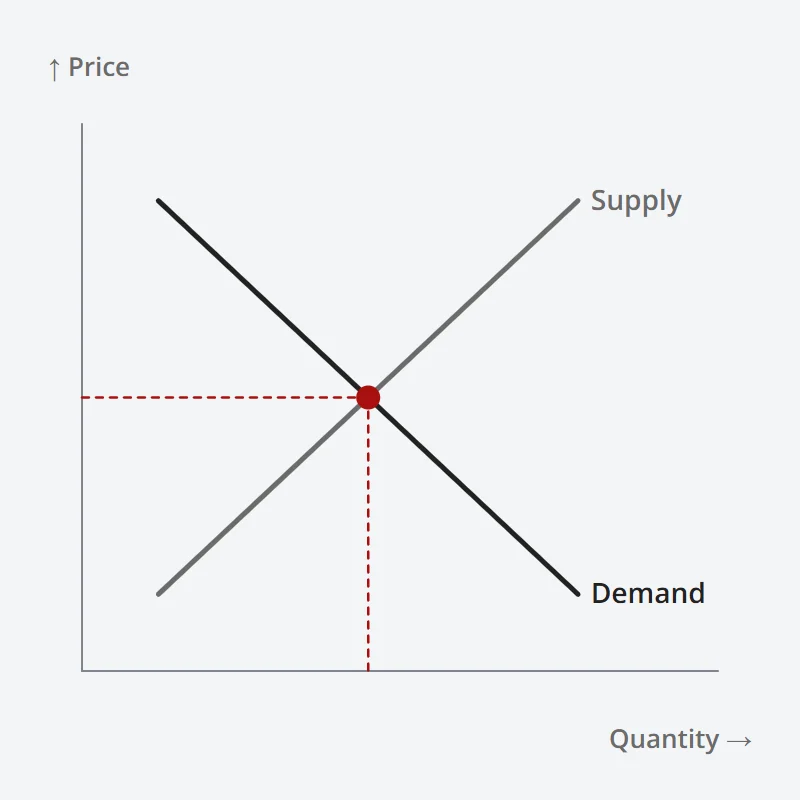
Have you wondered, what actually moves prices in the financial markets? And how can we effectively study these factors to better predict and time our trades?

Besides technical analysis (TA), what other methods of analysis can we use?

Types Of Technical Analysis

Technical Analysis (TA) Tools & Techniques

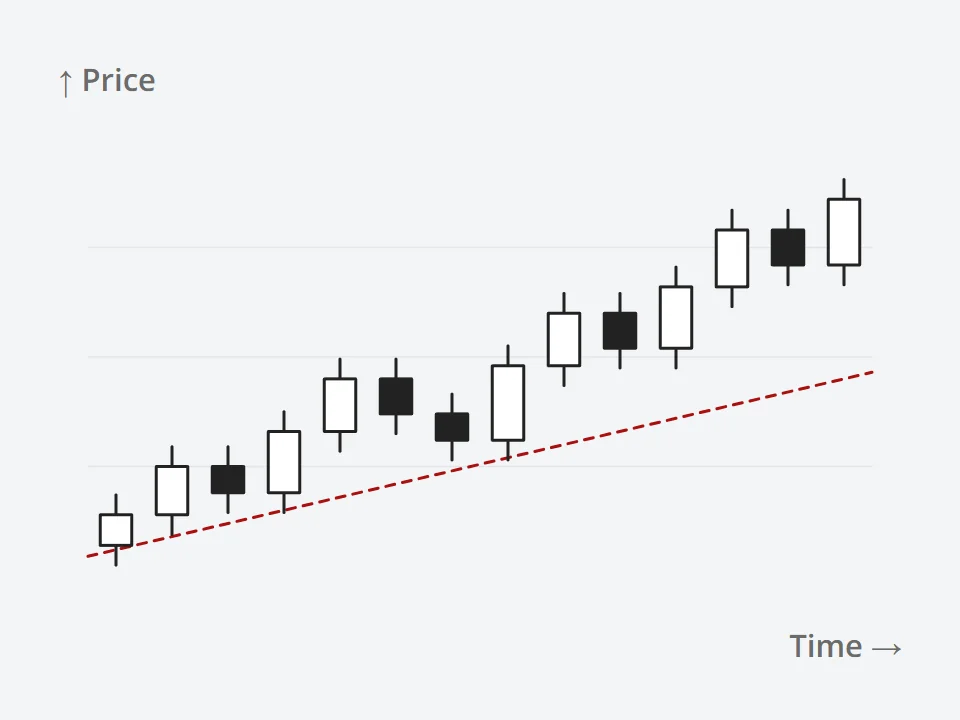
Technical analysis is a very useful tool to read and analyse charts, which allows us to understand and time the market.

Over the years, there have been many different creative techniques and strategies for using it.

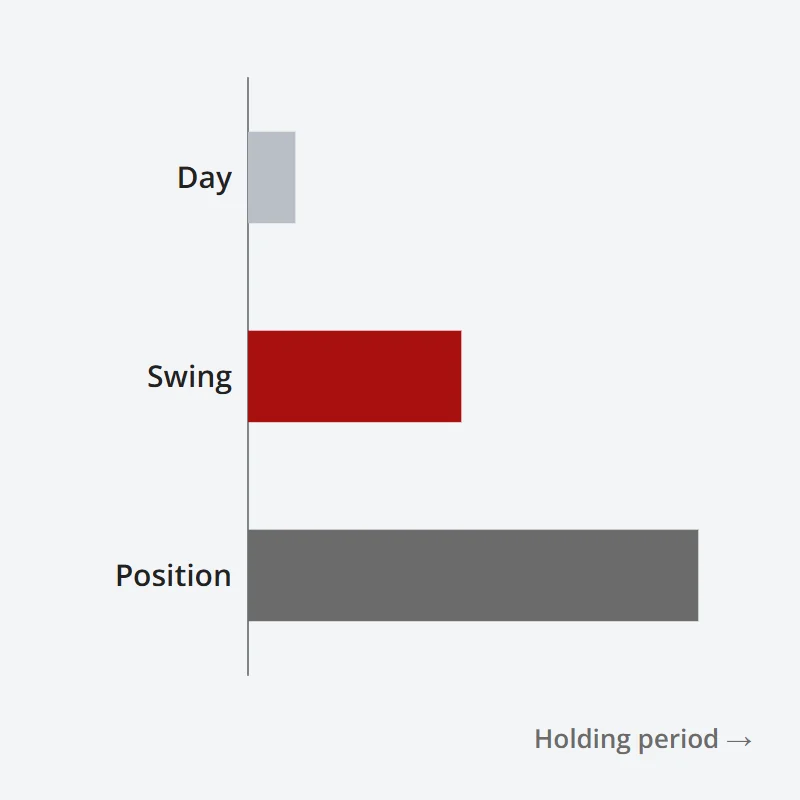
Different Styles Of Trading

Choosing Your Trading Style & Strategy

If you do a search online or look through some books, you will find that there are tons of different approaches to trading, but in reality all these can be classified into a few simple categories.

To start off, you will need to know the different styles of trading (including holding period, timeframe, products), as well as the 4 main types of trading strategies.

Daily New Highlights Telegram

Join our Telegram Channel for Daily News Highlights!

Receive all the important daily news in a few bite-size snippets, to easily keep up with all the important news updates!

We will also share trading tips, market analysis, and the latest blog posts, video tutorials & trading guides.

See you on the inside!

How To Craft A Winning Trading Plan

Practical Trading Tips

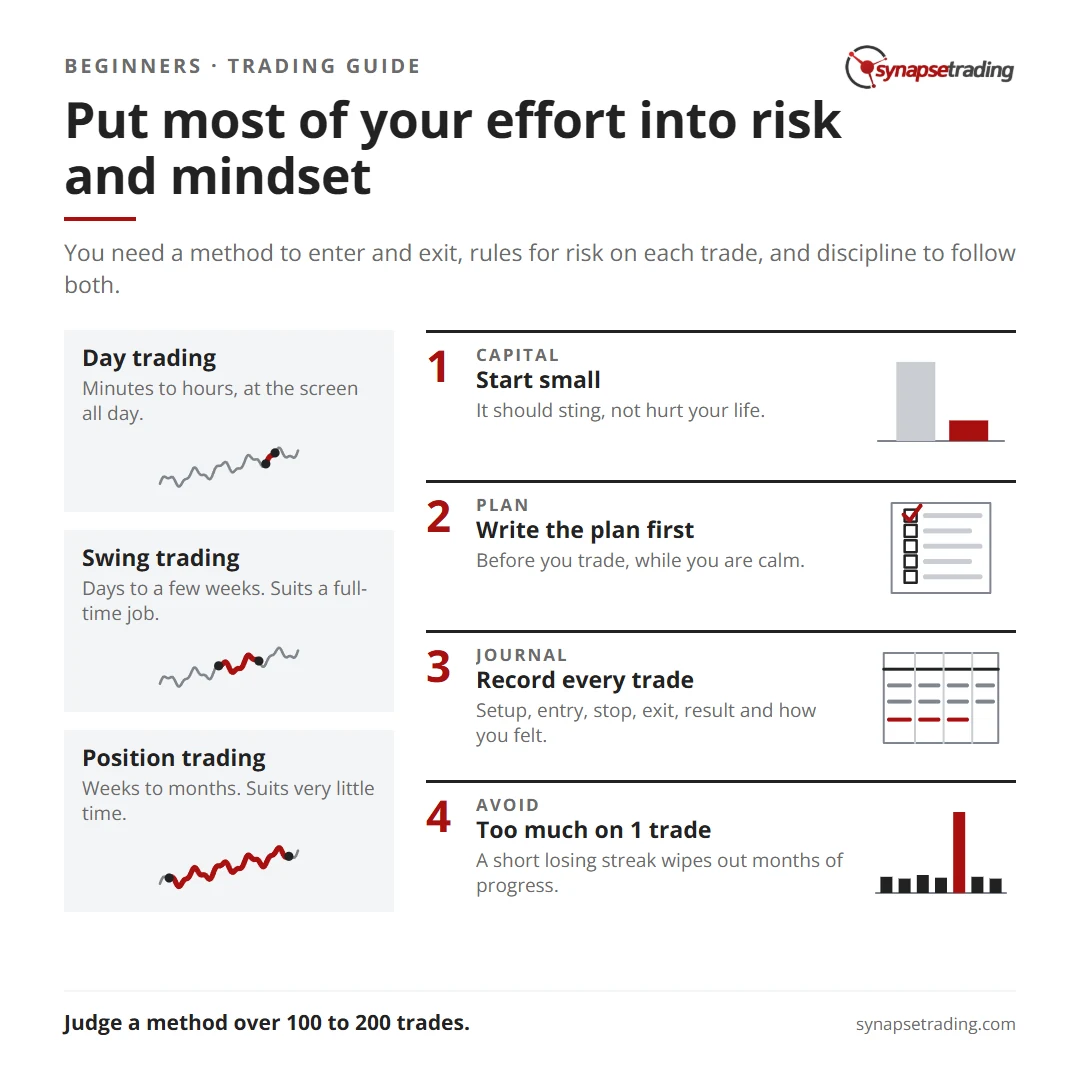
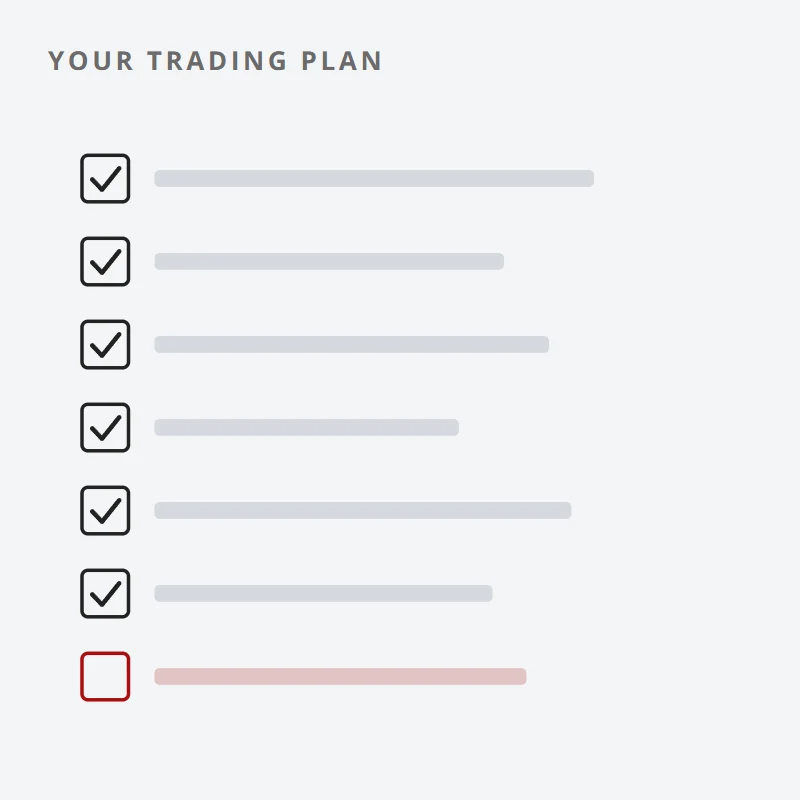
Before you even make your first trade, you need to craft a trading plan that will detail your exact approach, so that you can focus on the execution of your trades once your trading begins.

And after making your trades, you will need to know how to record your trades in your trading journal, to help evaluate your trades and improve your performance.

Top 5 Beginner Mistakes That Traders Make

Trading Mistakes to Avoid

For new (and even some seasoned) traders, there are many pitfalls in trading which can trap the unsuspecting trader.

Some will cause you to make bad decisions and lose money, while others will hinder your progress, thus is is important to learn how to avoid them.

Conclusion

I hope you have enjoyed this guide on how to get started in trading.

Now I’ll like to hear from you: what is your key take-away from this trading guide?

What products/markets are you planning to trade?

What tools, techniques, and strategies are you planning to focus on?

What are some challenges faced when writing your trading plan?

Let me know by leaving a quick comment below right now.

2018 09 17 15.11.29
100 replies
  1. 7ed41dc979123c65af33950c5eb70dfe
    Kar says:

    Hi Spencer! Thank you for the in-depth introduction to FOREX. This helped me understand the direction I would like to take as a new trader. I agree with the Trading Journal because by using this I am able to track my progress weekly and ideally avoid committing the same mistakes I made.

    Reply
    • 6fdf17b380c039a613a829203fc5d1f9
      Spencer Li says:

      You’re welcome! Do go ahead and share, I am sure many people will benefit from having the foundation knowledge before they start trading!

      Reply
  2. C3b94e9a24b3ae0ceaeef2f1ffd7a8db
    Bahrat Lahri says:

    Hey Spencer! First of all, thanks for the info here! Only found your website after my friend was sharing about your Telegram Channel!

    Do we get to see a sneak peek of how your trading journal looks like?

    Reply
    • 6fdf17b380c039a613a829203fc5d1f9
      Spencer Li says:

      The product per se doesn’t make a difference, the more important consideration is how well do you know each product, how much capital are you starting out with, and does your lifestyle and time gel with the timing of the markets that you want to trade?

      Reply
        • 6fdf17b380c039a613a829203fc5d1f9
          Spencer Li says:

          I feel that there is not much difference, since both is just buying and selling based on the charts. Main difference is probably the risk management as both products are calculated differently.

          Reply
          • 141b14d278204a4df36fc03cfb30d2f7
            Lesley M. says:

            I will say that its easier to go into stocks as you can look into the fundamental analysis of the company instead of a currency pairing. Its easier to look into selected companies instead of combing world news.

            Reply
  3. 3ce8762972967356d1a6d8a94640fca8
    Abraham says:

    I notice you sell signals for traders.

    Do you have something for investors? I am usually working during office hours so its hard for me.

    Reply
      • 6fdf17b380c039a613a829203fc5d1f9
        Spencer Li says:

        Our signals actually cover a wide range of products, including forex, stock indices, commodities, cryptocurrencies, etc. However it does not cover individual stocks.

        Reply
  4. D30c19969f1d384be80984004a9f1150
    C.K.T says:

    Just finished your Skillsfuture course which you conducted online, I learned a lot and this guide is really useful.

    Reply
  5. D5152321f8765c063889d958f5289791
    Matthias says:

    These are the usual technical indicators that I use:

    1) RSI- relative strength index, of the signal is over 70 the stock is overbought and due for a dip, under 30 its oversold and due for some green.

    2) MACD consists of the signal line and moving average, when the MACD crosses over the signal line, it can be seen as a buy signal, cross under can be seen as a sell signal, it depends on other data from the chart, but for the sake of simplicity, over all crossovers are a buy signal, cross unders are a sell signal.

    3) DMI is directional moving index, which I used a lot too.

    Now, the real genius of indicators is coupling them to get a bigger picture of price movement; you want to flip back and forth between various periods and look at the indicators, this gives you the bigger picture.

    Reply
    • C74bb4d8bf3a8ca40d86cad13f2e303d
      Edison Sanjay says:

      I feel that only divergence can be implemented in real time (along with other confluence of indicators).

      RSI+MACD is a good mix!

      Reply
    • 9843439c28831a0fd871fe6980ec612d
      Sally Yip says:

      I totally agree that MACD and RSI are good match. Also learn MACD, it’s a helpful indicator.

      Also, I usually mostly monitor 1D, 4H, 1H for the timeframe.

      Reply
  6. C74bb4d8bf3a8ca40d86cad13f2e303d
    Alice says:

    Thank you for the quality content 🙂 I’ll admit that I’m definitely one of the people who thinks 99.99% of TA is the astrology of finance, but you did inspire me to give it another thought.

    Reply
  7. Bfc0234e414ef1a19eed3d79f6b9e3c0
    Maureen Guthrie says:

    TA can be somewhat of a self fulfilling prophecy.

    If traders collectively trade based on those same “assumed principles” and algo trading are coded to recognise those patterns, further exasperating the effect, it begins to become true.

    For sure there are some stocks that you can time very well using really basic TA tools – MACD, Bollinger Bands, RSI – and hit right consistently >50% of the time. So long as you acknowledge your own biases too.

    It doesn’t make it right or wrong. At the end of the day it’s another tool, a tool that I think most would agree at the very least holds some truth. Others just place more value in it

    Quite frankly I do use TA quite extensively in my trades. Not entirely but in timing peaks & troughs to squeeze out that extra margin it can be very useful

    Reply
  8. C74bb4d8bf3a8ca40d86cad13f2e303d
    Ella-May says:

    The problem is if you don’t know anything about TA or how it works, you can’t tell the difference between someone who knows what they’re talking about and someone who does not. When you do know how it works, it’s easy to spot someone using it incorrectly.

    Spencer is one of the very few who knows what he is saying. Do read up his free guides!

    Reply
  9. 740144f07aea3cbe675bded2afde224a
    Chong Lee Cong says:

    It’s not a secret that the biggest firms up to CIO level use moving averages and RSI on sectors and the S&P and various industry specific indexes. So to an extent, TA is used at the very highest level of finance. Fund traders use VWAP as a benchmark for their orders.

    Reply
    • D5152321f8765c063889d958f5289791
      Ivan Leong says:

      I believe in fundamental analysis to pick out a good stock for the long haul and technical analysis for the trends and day trading.. large institutions trade off of algorithms, TA becomes almost a self fulfilling prophecy.. people set stop losses at key support zones, sell off during a death cross, buy on the golden cross, etc.

      If you want to buy and hold and forget about it, fundamental analysis is the way to go.

      Reply
    • 3e754006df4e88f04626d707ff42a6d0
      Rocky says:

      I think the basic stuff you get when you look up a chart – SMA/EMA, MACD, RSI – is very useful. You can actually make short term trades based solely on these indicators. It isn’t a subsitute for proper due diligence, and drawing lines all over a chart is nonsense, but indicators are useful, and if you don’t believe me, go look at golden cross stocks, or stocks with RSI under 30, and see what they do over a month.

      Reply
    • 431521955c4c66445080a45009d0d82e
      Tania Love says:

      It identifies opportunities that are currently undervalued, and provides statistical probabilities of something going one way or another. It’s not an exact science, but as long as one weighs reward to risk, and practice proper position sizing, one can win more than lose.

      Reply
    • C7d1815d263bcf363ff667f3a30b2cee
      Yannis Lee says:

      TA isn’t some foolproof system that you’re going to pick up immediately. When they are applied correctly, all it does is suggest which outcomes are more probable, not which outcomes are guaranteed. Sometimes people tend to forget these obvious facts!

      Reply
  10. Cb02c388626f28727909ff3d433d9198
    Mohd Farhan says:

    For me, technical analysis is the most real form of analysis out there. Instead of looking at it as a chart, look at it as data points. Within a a chart, you can see human psychology at play, whether or not a hedge is propping a price up. There is too much to analyze within a chart and indicators to mention. Fundamental analysis has had very little to do with stock prices for a very long time. There is an obvious glaring reason algorithms use TA to trade, because it simply works!

    Reply
    • C74bb4d8bf3a8ca40d86cad13f2e303d
      Izzy Mcdougall says:

      I actively day trade off TA and although it isn’t full proof it does provide a statistical advantage when and where to enter a trade. The reason most day traders fail is because of poor risk management. My philosophy is that you should trade off technical analysis and invest on fundamental analysis.

      Reply
  11. Cb02c388626f28727909ff3d433d9198
    Ming Hui says:

    There are many good day traders & swing traders who make consistent profits based on TA analysis.

    TA absolutely does work, you just need to learn how to use them and just understand that it’s not always perfect.

    As long as it works “most” of the time, you will make consistent profits.

    Reply
  12. 6740c5925fe297452f94e6e41db72556
    Ming He says:

    Hi everyone! I’m excited to be here and learn from you all. I’m planning to trade in the stock market, specifically in the tech sector. I’m really interested in companies like Apple, Microsoft, and Amazon. What about you all?

    Reply
    • 4255d5544e224105d8f5124cdd619f17
      Johnny Liu says:

      Hey! I’m also planning to trade in the stock market but my focus is more on the healthcare sector. I’m interested in pharmaceutical companies like Pfizer, Johnson & Johnson, and Moderna.

      Reply
    • 9843439c28831a0fd871fe6980ec612d
      Ding Jiaying says:

      I’m also interested in the healthcare sector, but more on the biotech side of things. Companies like Biogen, Amgen, and Gilead Sciences are on my radar.

      Reply
    • 31a82475091ec43baecf23857f0ef847
      Nina Wheatly says:

      Forex is a great market to trade in. I’ve been trading in the commodity market for a while now, specifically gold and silver. They can be volatile at times, but there’s definitely money to be made there.

      Reply
    • A7a8ae83cadcbbc376591ece091830a3
      Andy Berry says:

      Interesting! I’m planning to trade in the forex market. I’m still doing my research, but I think I might focus on the EUR/USD currency pair.

      Reply
    • 570048fd4f6be1b341c89ace5f69b641
      René Lane says:

      Cryptocurrency is definitely an exciting market to trade in. I’ve been trading in the options market and it’s been a great way to diversify my portfolio. There are so many different strategies you can use, and it can be really profitable if you know what you’re doing.

      Reply
    • 570048fd4f6be1b341c89ace5f69b641
      Hanley Carline says:

      For me, I’ve heard a lot about trading in the cryptocurrency market, and I’m considering it as an option. Bitcoin and Ethereum seem like good choices, but I’m still doing my research.

      Reply
  13. C7d1815d263bcf363ff667f3a30b2cee
    Georgie says:

    I think the main issue is too many people prioritize pattern recognition, and then people think that all there is to technical analysis.

    Basic technical analysis can be extremely useful for finding great potential buy points for swings and possibly long-term investments (buying dips/reversals at key moving averages). It is also about identifying breadth, trends, price momentum, etc., not just in individual stocks but the overall market as well. Almost everyone should at least be aware of the 20/50/200 moving averages in my opinion.

    Hell, basic technical analysis is in a portion of the curriculum for investments classes in several universities in my area. So it should not be dismissed as “astrology” or a “scam”. People should be more open-minded towards different tools to potentially improve their trading and investing.

    Reply
  14. D5152321f8765c063889d958f5289791
    Lee Bing Hui says:

    Once fundamental analysis gives you reason to buy, use technical analysis to hammer in the position. That is entering or closing positions.

    Reply
  15. 50313f3b5b07af7860e260d95d2cc314
    Graham says:

    Hi Spencer, this is really fantastic content. Great images/diagrams too, to easily quickly show and explain what the content is about. So often any TA content jumps deep into it straight away and they don’t check first what type of trader or investor you are, nor what type or level of TA you need. This is refreshing to see well thought out and organised material. I’m a long time teacher, so I appreciate this clear organisation and layout after seeing so much material, good and bad, over many years. Thanks, Graham

    Reply
  16. 3273b82acb67ce296cf2ba3be3af173a
    Yolande Béranger says:

    Hey everyone, I’ve been working on my trading plan and I’ve found that one of the biggest challenges is staying disciplined. It’s easy to get caught up in the excitement of the markets and make impulsive trades. How do you all stay disciplined? What problems you guys faced?

    Reply
    • 96784a3dbdc3b444a380787c27899bc8
      Morino Madoka says:

      I totally agree. Another challenge I’ve faced is determining my risk tolerance. It’s important to be realistic and not take on too much risk, but at the same time, you want to make sure you’re not leaving potential profits on the table.

      Reply
    • 869e3d872ff668d83d1db3ab70b0cb2d
      Jolanda Volta says:

      Definitely. Another challenge for me is managing my emotions. Fear and greed can easily cloud my judgment and lead to poor decision-making. I’m still working on finding ways to stay calm and rational when things get stressful.

      Reply
    • F6aa54af811ff807365bdf9096388a6d
      Higuchi Masahiko says:

      Emotions can definitely be a challenge. I’ve found that having a solid risk management plan in place has helped me avoid making emotional decisions. Knowing when to cut losses and take profits is key.

      Reply
    • 5faf081ad70f66db2276dd2b37e3a5df
      Fabiano Colombo says:

      I struggle with analysis paralysis. I spend so much time analyzing the markets and trying to find the perfect trade that I end up missing out on opportunities. It’s a balancing act between doing enough research and taking action.

      Reply
    • 31a82475091ec43baecf23857f0ef847
      Leroy Richards says:

      I can relate to that. For me, a big challenge is maintaining consistency. It’s important to have a set of rules and stick to them, but it can be tempting to deviate from them when things aren’t going as planned.

      Reply
    • 9843439c28831a0fd871fe6980ec612d
      Clarissa Shortle says:

      Another challenge is dealing with unexpected events that can disrupt the markets. For example, news events or economic data releases can cause volatility and make it difficult to stick to your plan.

      Reply
    • 9843439c28831a0fd871fe6980ec612d
      Nagai Yuriko says:

      Agreed. It’s also important to have a backup plan in case your original plan doesn’t work out. Having multiple strategies and being able to adapt to changing market conditions is key.

      Reply
    • 31a82475091ec43baecf23857f0ef847
      Velia Di Moze says:

      One challenge I face is dealing with the pressure to make money. It’s easy to get caught up in the idea of making big profits, but that can lead to taking on too much risk and making poor decisions.

      Reply
    • 5faf081ad70f66db2276dd2b37e3a5df
      Sacha Stevenson says:

      That’s a great point. It’s important to have realistic expectations and not get too caught up in the short-term. Trading is a long-term game, and it’s better to focus on consistency and risk management.

      Reply
    • 3fd2fe0c0f5b82aa796ce437fb1b04cd
      Hanadi Syed says:

      Another challenge for me is staying organized. With so many different markets and strategies to keep track of, it can be easy to lose sight of the bigger picture. I’ve found that keeping a trading journal and regularly reviewing my progress has helped me stay on track.

      Reply
    • 5faf081ad70f66db2276dd2b37e3a5df
      Shao Wei says:

      I struggle with patience. Sometimes it can be tempting to make trades just for the sake of being in the market. It’s important to remember that not every day will have a perfect opportunity, and it’s okay to sit on the sidelines and wait for the right moment.

      Reply
  17. 94a5be042e74aca78e95f6b0c13d0386
    Jaleelah Abdul says:

    I also recommend focusing on risk management. It’s essential to determine the risk-to-reward ratio for every trade, which will help you minimize your losses and increase your profits. As a beginner, I would recommend using a stop-loss order to limit your risk.

    Reply
  18. 570048fd4f6be1b341c89ace5f69b641
    Hamasaki Daisuke says:

    Fundamental analysis can provide valuable insights into the financial health of a company, which can impact the stock price. Additionally, I suggest keeping a close eye on news and events that can influence the market.

    Reply
  19. 9843439c28831a0fd871fe6980ec612d
    Valerio Albano says:

    One technique that has worked for me is the use of trading algorithms. I program my trading strategies into an algorithm, which can help me automate my trades and take emotions out of the equation.

    Reply
    • 3d4d83ab09184b005b755a6e67c7d819
      Giovanna Toscani says:

      I agree, trading algorithms can be very useful. However, I also believe that having a trading plan is crucial. It helps me stay focused and disciplined, and ensures that I’m not making impulsive trades based on emotions.

      Reply
  20. 9e13e8082b4033194fbdecdcbceafe35
    Jinan Burki says:

    As a beginner, I would recommend starting with the basics of technical analysis. This includes chart patterns, support and resistance levels, and indicators such as moving averages and relative strength index (RSI). What indicators do everyone here use?

    Reply
    • 570048fd4f6be1b341c89ace5f69b641
      Huang Biya says:

      Understanding chart patterns and support and resistance levels are essential in predicting the direction of price movements. In addition to that, I recommend taking Trading Mastery Program. It covers reading and analyzing price movements.

      Reply
    • 570048fd4f6be1b341c89ace5f69b641
      Rebecca Garrett says:

      One strategy that has worked well for me is momentum trading. It involves buying stocks that have shown significant increases in price and selling them when they reach their peak. It can be risky, but with proper risk management, it can be a profitable strategy.

      Reply
    • 9843439c28831a0fd871fe6980ec612d
      Emily Sharp says:

      I recommend using a combination of technical and fundamental analysis. Technical analysis helps to identify market trends, while fundamental analysis looks at the underlying financials of the company. By combining these two methods, you can get a more accurate understanding of the market and make informed decisions.

      Reply
    • 0ac89d41ba66ac999ce1a01361445d06
      Xifeng says:

      Another technique I like to use is trend following. By identifying the current trend in the market, I can enter trades in the direction of that trend, which can increase my chances of success.

      Reply

Leave a Reply

Want to join the discussion?
Feel free to contribute!

Leave a Reply

Your email address will not be published. Required fields are marked *