• Link to Facebook
  • Link to X
  • Link to Instagram
  • Link to Youtube
  • Link to LinkedIn
  • Link to Mail
Synapse Trading
  • Home
  • About
    • My Background
    • My Trading Journey
    • My Travel Log
    • Media & Interviews
  • Mentoring
    • Trading Mastery Program
    • Results & Testimonials
  • Signals
    • Telegram (Free to join!)
    • Daily Trading Signals
    • Daily Trading Signals (Results)
  • Resources
    • Free Trading Guides
    • Tools & Resources
    • Blog & Infographics
  • Contact
    • Contact Us
    • Partnership Opportunities
  • Click to open the search input field Click to open the search input field Search
  • Menu Menu

Tag Archive for: career

Spencer Li

Thank You for All the Job Applications!

News & Events

teamwork_hands

Thank you for taking the time to submit all the job applications, we are flattered that so many people want to join our team. For the past few weeks, I have been working with my HR team to find people with the skills we need to grow the company and improve our trainings.

I am glad to announce that we have hired two new staff members, both successful graduates of the Synapse Program and current part-time traders. They will be helping us to support our growing student base and to help create new content.

Once again, we thank you for your applications, and stay tuned for future opportunities! 😀


0 Comments/by Spencer Li
https://synapsetrading.com/wp-content/uploads/2019/10/logo.jpg 0 0 Spencer Li https://synapsetrading.com/wp-content/uploads/2019/10/logo.jpg Spencer Li2014-08-14 17:02:262014-08-14 17:02:26Thank You for All the Job Applications!
Spencer Li

Career Paths for the Trading & Fund Management Professional

Trading Tips

Trading Career Paths: 5 Jobs in the Trading and Fund Management Industry

Last updated: 3 July 2026 · By Spencer Li, CFTe


There are five main career paths in the trading and fund management industry, and each one rewards a different skill set: sales and trading at an investment bank, proprietary (prop) trading at a private fund, fund management, research analysis, and brokerage or dealing. Sales and trading and prop trading are for people who want to take and manage positions. Research analysis suits strong writers and thinkers who would rather not pull the trigger themselves. Brokerage and dealing is execution-led and sales-driven. Fund management sits at the top and usually needs experience and a track record before anyone hands you capital. Pay is structured differently in each: a salary, a commission, profit-sharing, or some blend. If you are deciding which one to aim for, the honest first question is not “which pays most”, it is “which job do I actually want to do all day”, because the day-to-day work is very different across these five.

Here is what each role is, who it suits, and how you get paid.

What are the main career paths in trading?

Most jobs in the industry fall into one of five buckets. They sit on a spectrum: at one end you are executing other people’s orders, at the other you are running your own book or someone else’s capital. The further along that spectrum you go, the more the pay shifts from a stable salary toward performance-based profit-sharing, and the more the risk shifts onto you.

RoleWhat you doWho it suitsHow you get paidBarrier to entry
Sales and Trading (S&T)Make markets and take client orders at an investment bankTop academics, bank-track candidatesSalary plus bonusVery high (degree, stellar grades, often prior bank experience)
Proprietary tradingTrade the firm’s own money, usually at a private prop fundRisk-tolerant traders who thrive under pressureSmall allowance plus profit-share (often 30 to 80 percent)High selection, high turnover
Fund managementRun a larger, often longer-horizon book against a benchmarkExperienced traders with a track recordBase (management fee) plus profit-shareHighest (needs a proven record)
Research analystAnalyse securities and write buy/sell/hold opinionsStrong analysts and writers who dislike position stressSalary, paid well at banksModerate (analytical and writing skills)
Brokerage and dealingExecute orders for clients as a dealer or remisierPeople who are sales-led and client-facingBase salary plus sales commissionLower (less analysis required)

The rest of this guide walks through each role in turn.

Sales and Trading (S&T)

Sales and trading is one of the core functions of an investment bank. It covers the buying and selling of securities and other financial instruments, both for the bank itself and on behalf of its clients.

It splits into two halves. Traders make markets: they buy and sell products mainly to facilitate clients’ activity, aiming to earn a small incremental amount on each trade. The sales side is the bank’s sales force, whose job is to call on institutional and high-net-worth investors, suggest trading ideas, and take orders. The sales desk passes those orders to the appropriate trading desk, which prices and executes them, or structures a new product to fit a specific need.

These roles are highly paid and highly coveted, which is exactly why they are hard to come by, especially when banks freeze headcount for front-office roles. The basic requirements are usually a degree plus stellar academic achievements, and previous experience working in a bank improves your chances.

Proprietary trading

Proprietary trading (often shortened to “prop trading”) is when a firm trades stocks, bonds, currencies, commodities, their derivatives, or other instruments with the firm’s own money, rather than its clients’ money, to make a profit for itself. Prop desks use a range of strategies (index arbitrage, statistical arbitrage, merger arbitrage, fundamental analysis, volatility arbitrage, global macro) much like a hedge fund.

Banks used to run this function in-house, but that number has been declining. Most of the hiring now comes from private prop funds. These funds tend to hire experienced traders to trade the firm’s capital, though many run training programs to groom new traders.

Do note that the selection is stringent and the turnover rate is high; it is not an easy environment to thrive in. Remuneration is usually profit-sharing (commonly 30 to 80 percent) with only a small allowance, so you should have at least a year of savings to live on during the learning phase. Strategies vary, but many involve shorter-timeframe trading with high-leverage products such as futures and options.

Fund management

Fund management typically requires more experience and a track record, and you are expected to have advanced knowledge of trading before anyone hands you the capital. Products vary widely, and strategies are usually flexible, depending on the discretion the fund gives you. Because the capital base is larger, strategies often lean toward longer holding periods. There is usually a benchmark and drawdown limits to work within, and pay is a combination of a base salary (the management fee) plus profit-sharing.

The classic example is a hedge fund: an investment fund that can undertake a wider range of activities than other funds, but is generally only open to certain investor types specified by regulators (institutions like pension funds, university endowments and foundations, or high-net-worth individuals). Hedge funds invest across a diverse range of assets, most commonly liquid securities on public markets, and use techniques such as short selling and leverage.

Research analyst

A research analyst (also called a financial analyst, securities analyst, equity analyst, or investment analyst) performs financial analysis for external or internal clients as the core of the job. These roles are offered by banks, brokerage firms, and some independent research houses.

They suit people with good analytical and writing skills who enjoy research and analysis but do not like the stress of executing trades and holding positions. Writing reports and notes expressing opinions is always part of a “sell-side” (brokerage) analyst’s job, and is often not required of “buy-side” (investment firm) analysts. Analysts traditionally lean on fundamental analysis, though technical chart analysis and tactical reads of the market are also routine. At the end of an assessment, an analyst usually issues a rating recommending an action: buy, sell, or hold. Depending on experience, these jobs pay quite well at banks and financial institutions.

Brokerage and dealing

Brokerage and dealing roles come in several forms: an in-house dealer for a retail brokerage, a dealer for an institutional brokerage, or an independent remisier (a self-employed broker who trades on clients’ behalf under a brokerage’s licence).

A brokerage firm is a financial institution that facilitates the buying and selling of securities between buyer and seller, serving a clientele of investors who trade public stocks and other securities through the firm’s agents. A full-service brokerage does more than carry out trades; its staff research the markets to provide recommendations.

These roles require less analysis and trading skill than the others, because you are mainly executing orders for clients, though clients may lean on your input for their decisions. Remuneration is typically a base salary plus a sales commission if you hit certain targets.

So which path should you pick?

Personally, I would not start from the salary. Start from the work. A research analyst and a prop trader can earn similar money over a career, but their days look nothing alike: one reads and writes all day with no open positions, the other is sitting in front of live risk. Pick the day you can do for ten years, not the title that sounds best at a dinner party.

One more thing worth saying plainly. A role at a fund or a bank is not the only way to trade for a living, and it is not even the most accessible one. Many people now build a trading track record on their own capital first, then use that record as the thing that opens these doors, instead of waiting for a door to open. A firm can hand you a desk and a risk limit; it cannot hand you the judgment, the discipline, or the emotional control to use them well. That part you build yourself, and it is the same part whether you trade your own account or someone else’s. That is the human edge, and no employer and no algorithm supplies it for you.

FAQ

What are the highest-paying jobs in trading?
Sales and trading at an investment bank and successful proprietary trading or fund management tend to pay the most, because pay there is tied to performance through bonuses and profit-sharing. The trade-off is that these roles also carry the highest barrier to entry and, in prop trading and fund management, the most income risk.

Do you need a degree to become a trader?
For sales and trading at an investment bank, yes, usually a degree with strong academic results, and often prior bank experience. Proprietary trading and brokerage roles can be more open to candidates who can demonstrate skill or a track record, though selection is still tough and turnover is high.

What is the difference between proprietary trading and fund management?
Prop trading means trading the firm’s own money, often on shorter timeframes with leverage, paid mostly through profit-sharing. Fund management means running a larger, often longer-horizon book of investors’ capital against a benchmark and drawdown limits, paid through a base (management fee) plus profit-sharing.

What does a research analyst do?
A research analyst studies securities and the market, writes reports expressing an opinion, and issues a rating to buy, sell, or hold. It suits strong analysts and writers who prefer analysis to the stress of taking and holding positions.

What is a remisier?
A remisier is an independent, self-employed broker who introduces clients and executes their trades under a brokerage’s licence, earning commission on the business they bring in rather than a full salary.


Whichever path you are aiming for, the foundation is the same: a method you can actually execute, and the discipline to stick to it. If you want the full picture of how I think about trading as a skill rather than a job title, read the pillar: The Beginner’s Guide to Trading.

Want a method you can run on your own capital first? Grab the free 15-Minute Swing Trading Starter Kit. It is the exact routine I use to scan once a day and trade any market in 15 minutes, the kind of track record that opens the doors above.


About the author. Spencer Li is the founder of Synapse Trading and a Certified Financial Technician (CFTe) with 15 years of trading across stocks, forex, crypto, commodities, and bonds. His trade log is public, 404 trades, losses left in. He teaches low-risk swing trading in 15 minutes a day, one system for any market.

Education, not financial advice. Synapse Trading is not licensed by MAS to advise on investment products. Trading carries risk of loss; past performance is not indicative of future results.


Related

The Beginner’s Guide to Trading (pillar) · How to become a profitable trader · Technical analysis vs fundamental analysis · How much money do you need to start trading

0 Comments/by Spencer Li
https://synapsetrading.com/wp-content/uploads/2019/10/logo.jpg 0 0 Spencer Li https://synapsetrading.com/wp-content/uploads/2019/10/logo.jpg Spencer Li2014-06-16 21:48:362026-07-06 01:03:16Career Paths for the Trading & Fund Management Professional
Spencer Li

Exclusive HR Media Event: Breakfast Talk with CEO

News & Events

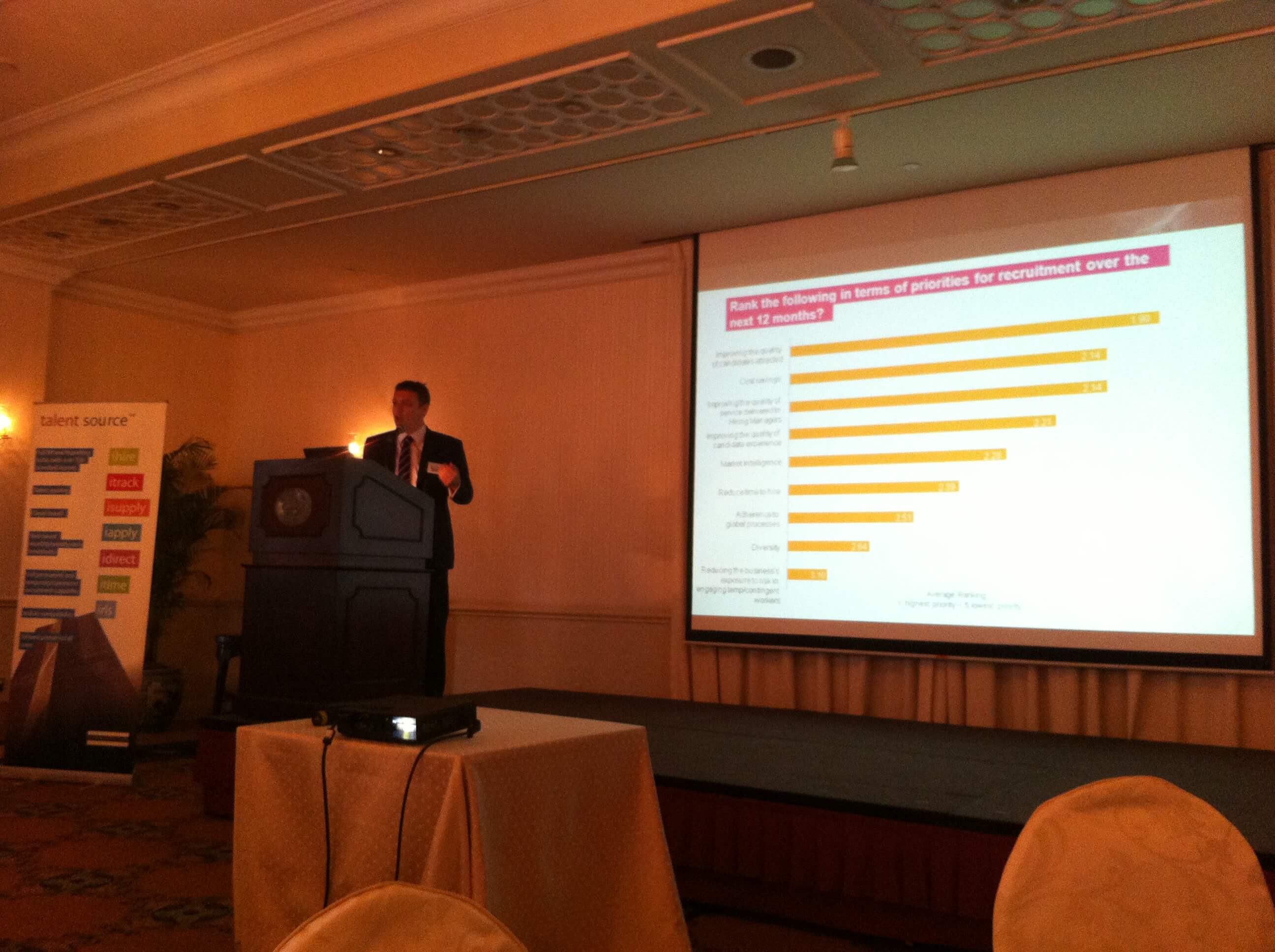
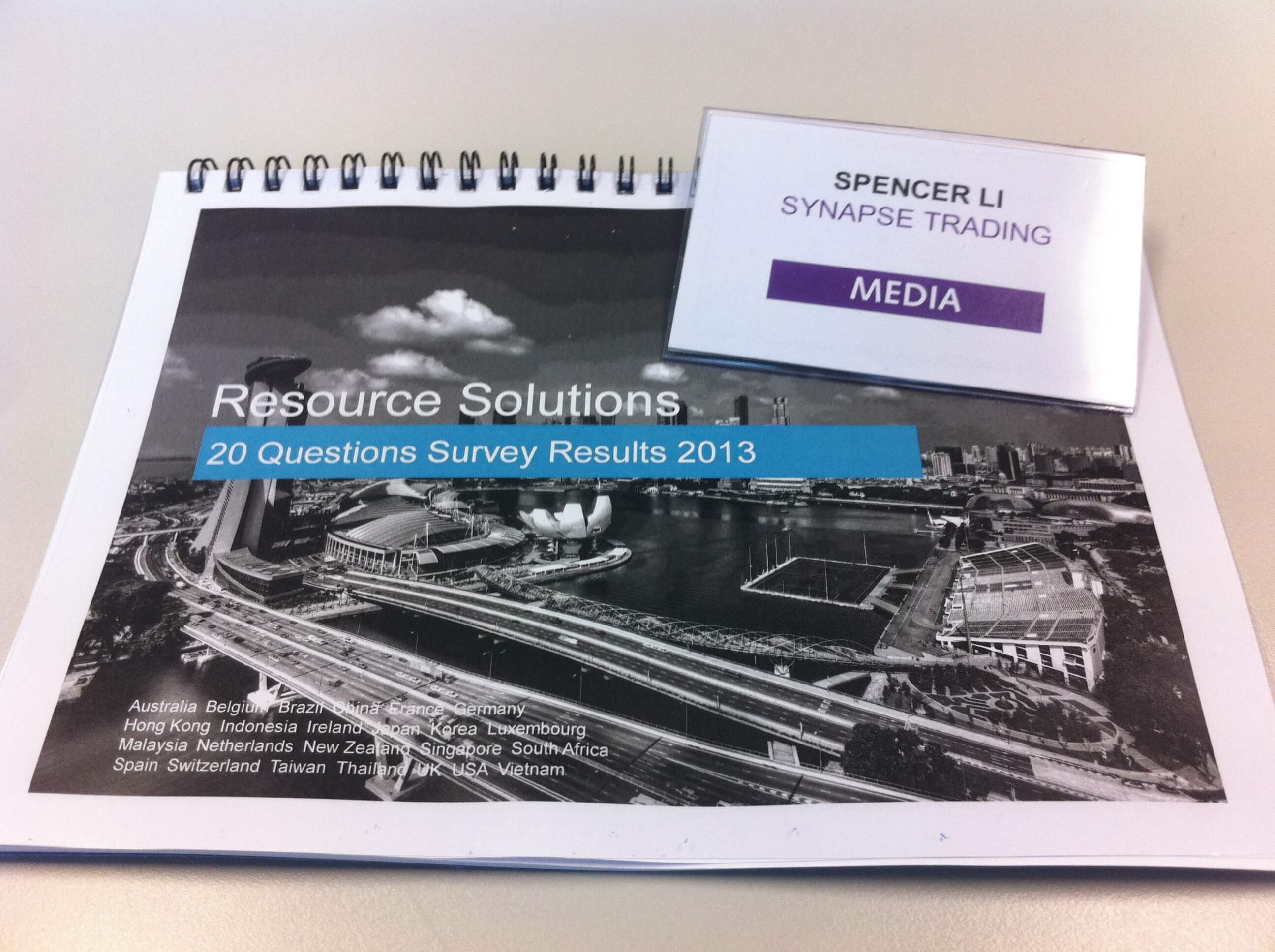
This morning, I attended an exclusive media event organised by Resource Solutions, a breakfast discussion session about the latest trends in hiring practices, for financial-related jobs as well as other key sectors. This breakfast was held at Raffles Hotel, inside one of the private rooms, and special mention goes to the fantastic egg’s benedict.

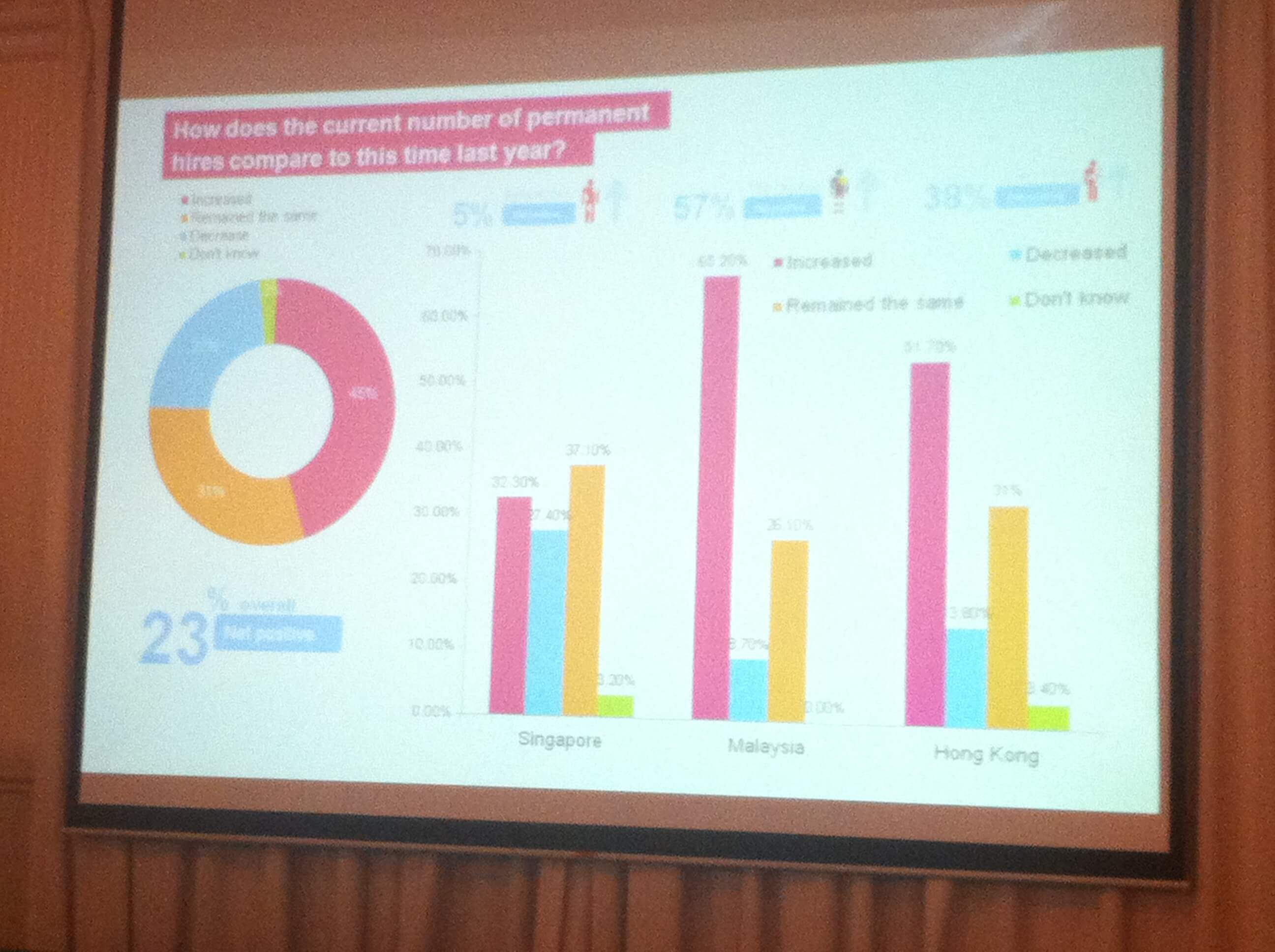
Overall, the job market has improved slightly over the past year, but what is interesting is that a large part of this improvement comes from an increase in temp hires, as opposed to permanent hires. Such arrangements are more likely to find favour with employers rather than employees.

It was a great and memorable session, getting to meet some familiar faces in the media industry and catching up with them. I also got a lot of useful insights about the hiring process and procedures, which I am certain will be useful when it comes to hiring new traders.

Exclusive HR Media Event

Exclusive HR Media Event 2

Exclusive HR Media Event 3

Exclusive HR Media Event 4

Exclusive HR Media Event 5

Exclusive HR Media Event 6

Exclusive HR Media Event 7

Exclusive HR Media Event 8

0 Comments/by Spencer Li
https://synapsetrading.com/wp-content/uploads/2019/10/logo.jpg 0 0 Spencer Li https://synapsetrading.com/wp-content/uploads/2019/10/logo.jpg Spencer Li2013-07-09 19:25:142022-03-08 19:03:08Exclusive HR Media Event: Breakfast Talk with CEO
Spencer Li

Lunch Invitation – Robert Walters HR Media Event

News & Events

Today, I attended a lunch invitation by Robert Walters, one of the biggest global HR firms, to attend their annual global salary survey launch. It was a great lunch and presentation, and I got the chance to meet other journalists and industry powerhouses, including representatives from the Business Times, Channel News Asia, the Straits Times, SPH, etc. Most likely, you will be reading about this in tomorrow’s papers. But here is a sneak preview of the latest job trends:

Screen Shot 2013-02-20 at 9.21.11 PM

2013-02-20 12.11.56

2013-02-20 12.11.46

2013-02-20 13.06.42

2013-02-20 15.15.13

SINGAPORE, February 20, 2013 – Robert Walters, one of the world’s leading specialist professional recruitment consultancies, launched its Annual Global Salary Survey today. Now in its 14th edition, the Robert Walters Global Salary Survey is the most comprehensive review of global recruitment trends and salary levels available. It provides an in-depth analysis of salaries earned around the world by both permanent and contract workers across a wide range of sectors. The Singapore section covers the following sectors: banking & financial services, accounting & finance, engineering, HR, IT, legal, sales & marketing, secretarial & support as well as technical healthcare.

Here are the key findings of the latest Robert Walters Asia Job Index Q4 2012:

  • The total number of job advertisements placed regionally in Q4 2012 increased by 2.1% compared to Q4 2011.
  • Low quarter-on-quarter growth in some Malaysian sectors led to a 12.5% drop in advertising figures for advertising and marketing roles.
  • The drop in consumer confidence in Hong Kong caused a 22% decrease in open positions within purchasing and merchandising.
  • Due to seasonality issues like annual bonus payouts, job advertising in Singapore fell by 35% in Q4 2012 compared to Q3.
  • With the growing Chinese property market, property management roles rose by 13.6% in China.
  • The increased demand for corporate governance in South Korea created a 14.8% rise in job advertisements for consultants and analysts.
0 Comments/by Spencer Li
https://synapsetrading.com/wp-content/uploads/2019/10/logo.jpg 0 0 Spencer Li https://synapsetrading.com/wp-content/uploads/2019/10/logo.jpg Spencer Li2013-02-20 22:55:572020-02-13 06:31:13Lunch Invitation – Robert Walters HR Media Event
Spencer Li

Tips for your Resume: How I Managed to Land a Job With the Big Boys

Trading Tips

Last updated: 3 July 2026 · By Spencer Li, CFTe


How to Write a Resume for a Trading or Finance Job

A resume that lands a trading or finance interview is one single-sided page, cleanly formatted, with only your best and most relevant achievements on it. A hiring manager spends a few seconds scanning each one, so your job is to make those seconds count: lead with what makes you stand out, cut everything that does not, and never let the good material get buried under filler. The point of the page is not to tell your life story. It is to earn one thing, an interview. Below is the exact checklist I used to get into the industry, and the same one I now use when I look through other people’s resumes.

Let me walk through what to keep, what to cut, and why each rule exists.

What is a resume actually for?

A resume (your one-page career summary) exists to give a future employer or headhunter a quick glimpse of your achievements and skill sets. That is the whole job. The purpose is to stand out enough to win an interview, nothing more.

That framing changes how you build it. You are not documenting everything you have ever done. You are choosing the few things that make a busy person, with a tall pile of other resumes, decide you are worth a conversation.

After looking through many resumes myself and talking to many employers, I have a pretty clear idea of what they look for and what gets a resume tossed. Here are my personal guidelines.

The rules: what to keep and what to cut

RuleDo thisAvoid this
LengthOne single-sided pageTwo pages, no one scans them
FormattingA decent, clean templateUgly formatting, it gets tossed before it is read
PhotoOptional, but if used, a professional portraitA webcam selfie
Personal dataName, address, mobile, emailBirthday, height, weight, race or religion, horoscope, next-of-kin, favourite colour
Email addressOne that resembles your namecute_boi88@gmail.com and friends
ContentOnly your best, most relevant materialAn autobiography of every experience
StructureClear categories and dated entriesA wall of undifferentiated text

Now the reasoning behind each one.

Keep it to one single-sided page

Employers have piles of resumes to look at. They will spend only a few seconds scanning yours to decide if you are worth a shot. They do not have time to scan two pages. One page forces you to choose your best material, which is exactly the discipline you want.

Use a decent template

A resume with ugly formatting may get tossed before it gets read. You do not need anything fancy. You need clean, readable, and professional. Presentation is the first signal an employer gets about how you work.

Treat the photo as optional

A photo is optional. If you include one, make sure it is a professionally taken portrait shot, not one snapped on your webcam. A bad photo hurts you more than no photo.

Provide relevant data, and nothing more

Relevant data includes your name, address, mobile number, and email address. Irrelevant data includes your birthday, height, weight, race or religion, horoscope, next-of-kin, and favourite colour. Leave the irrelevant stuff out. It eats space and signals that you do not know what matters.

Use a professional-sounding email address

School email addresses are fine. For a personal address, use one that resembles your name, for example john_tanxx@gmail.com, instead of something like cute_boi88@gmail.com. You get the idea. It is a small thing, and small things are exactly what a first impression is made of.

Put in only the best stuff

Given the space limit, and the few seconds of attention your resume will get, you want to make sure they read the good stuff. Do not dilute it and bury it under less important experiences. This is not an autobiography, so you do not need every single thing you have been through. Write only what is relevant to the job, and what might let you stand out. Hint: no one really cares about the medal you won in primary or secondary school.

Categorise your experiences

Group things so the reader’s eye can move fast. Common categories include:

  • Education
  • Awards and Honours
  • Leadership and Activities
  • Professional Certifications
  • Skills and Interests

Date everything, and elaborate briefly

Include the time periods for each work and education entry. After each work experience, add two or three bullet points describing what you did and what you achieved. Keep them short. The achievement matters more than the description, so where you can, show a result, not just a duty.

Why this matters more in trading and finance

Trading and finance desks read a lot of resumes, and they are reading for signal under time pressure. That is, in a small way, the same skill the job itself rewards: filtering a flood of information down to the few things that actually matter, and acting on them fast. A resume that buries its best line under a wall of irrelevant detail tells a hiring manager exactly how you would handle a noisy market. A clean one-pager that leads with your strongest, most relevant result tells them the opposite.

A template can make your resume look tidy in a second. It cannot supply the judgment to decide which two achievements earn a spot on the page and which ten do not. That choice is yours, and it is the part that actually gets you in the room.

If you have additional tips of your own, add them in the comments below. Good luck.

FAQ

How long should a finance or trading resume be?
One single-sided page. Hiring managers spend only seconds per resume, so a second page usually goes unread. One page also forces you to keep only your best material.

Do I need a photo on my resume?
A photo is optional. If you include one, use a professionally taken portrait, not a webcam shot. A poor photo does more harm than no photo at all.

What personal details should I leave off my resume?
Leave off your birthday, height, weight, race or religion, horoscope, next-of-kin, and favourite colour. Keep only your name, address, mobile number, and email address.

What sections should a resume have?
Common, employer-friendly categories are Education, Awards and Honours, Leadership and Activities, Professional Certifications, and Skills and Interests. Date every work and education entry, and add two or three bullet points of achievement under each role.

Does the email address on my resume matter?
Yes. Use an address that resembles your name (for example john_tanxx@gmail.com). An unprofessional handle is a small detail, but first impressions are built from small details.


Got a resume tip that earned you an interview? Share it in the comments.

And if you are eyeing the markets themselves and not just a desk job, start with the pillar: How to Start Trading: A Beginner’s Guide.

Want a system you can actually run? Grab the free 15-Minute Swing Trading Starter Kit. It is the exact routine I use to scan once a day and trade any market in 15 minutes.


About the author. Spencer Li is the founder of Synapse Trading and a Certified Financial Technician (CFTe) with 15 years of trading across stocks, forex, crypto, commodities, and bonds. His trade log is public, 404 trades, losses left in. He teaches low-risk swing trading in 15 minutes a day, one system for any market.

Education, not financial advice. Synapse Trading is not licensed by MAS to advise on investment products. Trading carries risk of loss; past performance is not indicative of future results.


Related

How to Start Trading: A Beginner’s Guide (pillar) · How I got into trading and quit my corporate job · Is a finance degree worth it for trading?

0 Comments/by Spencer Li
https://synapsetrading.com/wp-content/uploads/2019/10/logo.jpg 0 0 Spencer Li https://synapsetrading.com/wp-content/uploads/2019/10/logo.jpg Spencer Li2012-10-13 21:51:282026-07-06 03:22:00Tips for your Resume: How I Managed to Land a Job With the Big Boys

Free Trading Guides

Free Trading Guides

Blog Categories

  • Beginner's Guide
  • Blockchain & Crypto
  • Book Summaries
  • Economics & News Trading
  • Investing & Portfolio Management
  • Living Your Best Life
  • Market Analysis
  • Markets & Products
  • News & Events
  • Promotions
  • Risk & Money Management
  • Stock Trading
  • Technical Analysis & Price Action
  • Testimonials
  • Tools & Resources
  • Trading Psychology
  • Trading Strategies
  • Trading Tips
  • Travel & Lifestyle

Free Trading Guides

Free Trading Guides

Contact Us

Synapse Trading Pte Ltd
Registration No. 201316168H

Whatsapp: +65-8897-1204
Telegram: @iamrecneps
Email: info@synapsetrading.com

Links

Disclaimer
Privacy policy
Terms & Conditions
Contact us
Partnerships

© 2012-2024 Synapse Trading | All rights reserved | - powered by Enfold WordPress Theme
  • Link to Facebook
  • Link to X
  • Link to Instagram
  • Link to Youtube
  • Link to LinkedIn
  • Link to Mail
Scroll to top Scroll to top Scroll to top